

Tourism and services have been identified as one of the province's three strategic breakthroughs for the 2020-2025 term. The province has been focusing on developing tourism and services into a key economic sector, linked to the development of border economic zones and geoparks. However, for the province's tourism to develop to its full potential and advantages, it is necessary to supplement, improve, and enhance the quality of human resources serving tourism, meeting both quantitative and competency requirements.
Geological, geomorphological, historical, and cultural values have actively contributed to encouraging and promoting the development of tourism models and services for visitors, linked to sustainable tourism development and socio-economic development in the locality. Many tourism projects, areas, and destinations are gradually taking shape in terms of scale, quality, and modern business methods, cooperating in tourism exploitation according to international standards. State management of tourism as well as tourism service business activities have changed towards professionalism and quality. Tourism products are gradually being shaped and invested in, with many new, unique tourism products that basically meet market needs. The awareness and actions of all levels, sectors, and the community regarding the role and responsibility towards tourism have also clearly changed.
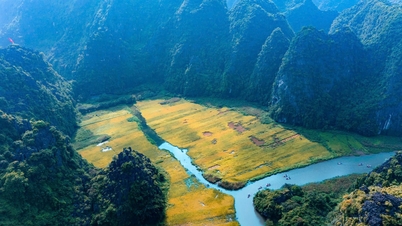
Trung Khanh is a border district with a rich history and unique cultural heritage. Blessed with majestic natural beauty, its topography, climate, landscape, and ecosystem offer exceptional tourism appeal, making it one of the districts within the UNESCO Global Geopark Non Nuoc Cao Bang. To date, tourism infrastructure has improved, and state management of tourism has been strengthened, attracting visitors from all over to explore the land, people, culture, and especially the customs and traditions of the local people. The district has 52 tourist accommodation establishments (hotels, guesthouses), all of which have been assessed and certified according to standards. In 2023, Chongqing received a total of 972,441 tourists, an increase of 422,356 compared to 2022. In 2024, the total number of tourists is estimated to reach 1,000,000.
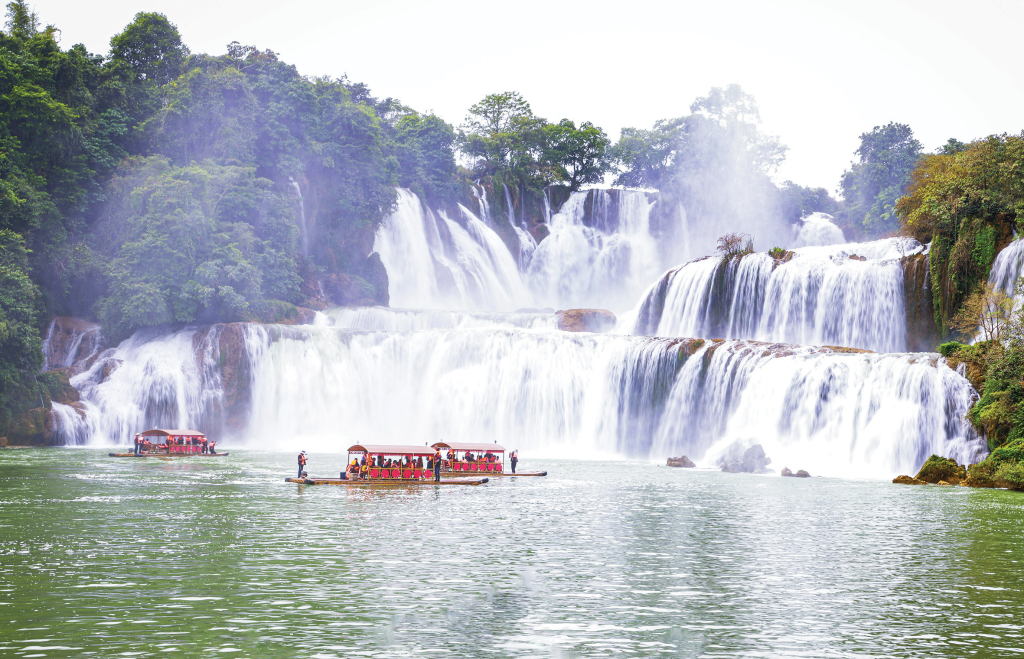
According to Luong Van La, Head of the Culture and Information Department of Trung Khanh District: To exploit the immense tourism potential and advantages of the locality, the district has paid attention to and promptly implemented directives on tourism management to communes, towns, and tourism businesses, organizations, and individuals in the area. However, there is a shortage of human resources invested in tourism, and professional skills and expertise are limited. Currently, from the District Culture and Information Department to the communes and towns, no officials or civil servants have received specialized training in tourism. Therefore, the capacity of some tourism officials does not meet the requirements of the current period. Due to the lack of tourism training, the awareness of some households regarding their responsibility to comply with state regulations in tourism activities is limited, and their business is spontaneous and unsustainable. In 2025, the district will focus on training and developing human resources in the tourism sector to meet the requirements and tasks of the new phase.
With the goal of developing a sustainable tourism industry, in recent years, the province and the cultural sector have paid attention to and strengthened the training and development of tourism human resources to improve service quality. The Department of Culture, Sports and Tourism advises the province to strengthen the recruitment of qualified and experienced tourism professionals to participate in state management activities; creating conditions for specialized staff in units throughout the province and districts to participate in training courses on management knowledge and tourism expertise. Annually, the Department, in coordination with universities and colleges specializing in tourism and the Vietnam Tourism Association, organizes training courses for tourism professionals in charge of the Culture and Information Departments of districts and cities, tourism service businesses, tour guides, and partners of the Geopark...
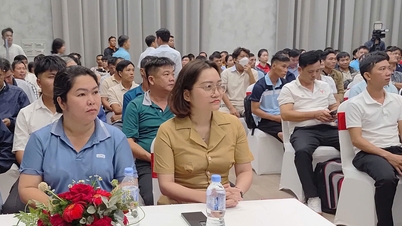
Over the past period, the Department of Culture, Sports and Tourism has organized conferences and training courses on tourism skills and expertise, tourism statistical reporting, guidance on tax declaration methods, accounting record keeping for tourism businesses, culinary training, and basic tourism English training… for more than 800 people. The Cao Bang Geopark Management Board organized training courses, workshops, and field surveys to enhance capacity and educate individuals, communities, and geopark partners about the Geopark. Some districts proactively funded and coordinated with the Department to invite lecturers to conduct training. Through these training courses, people understand and implement heritage conservation activities associated with tourism development.
Thanks to these efforts, the quantity and quality of the province's tourism workforce have gradually improved. As of February 2020, the total tourism workforce in the province was 2,028 people (an increase of 121.7% compared to 2016), with 512 people (25.2%) having received training in tourism skills and professional practices, and 71 people (3.5%) having foreign language skills (an increase of 80.5% compared to 2016). In 2023, the Department of Culture, Sports and Tourism managed 41 tour guides, including 14 international tour guides and 27 domestic tour guides, and 8 travel service businesses in the province. Currently, the province has approximately 6,200 tourism workers. Of these, approximately 2,480 are direct employees and about 3,720 are indirect employees. The number of tourism workers who have received specialized training in tourism is 976, accounting for about 15.7% of the total tourism workforce in the province.
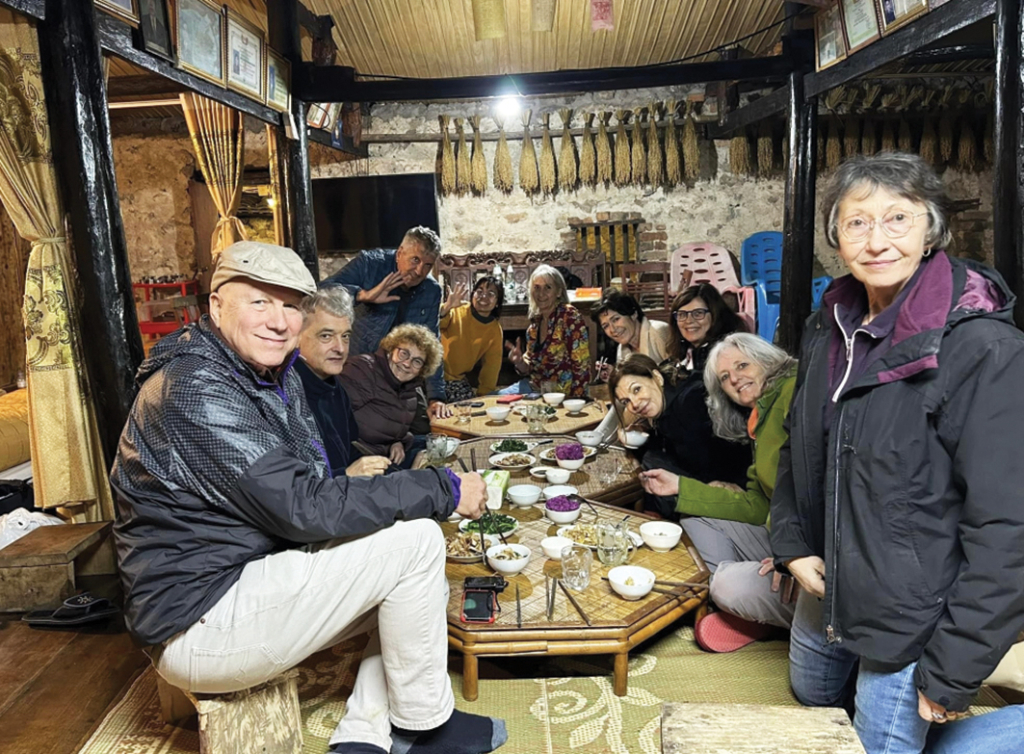
However, according to the Department of Culture, Sports and Tourism, the overall workforce in the province's tourism industry is insufficient and lacks professional skills and expertise. The majority of the workforce consists of unskilled laborers, with only a small number receiving basic professional training, affecting the quality of service for tourists. There is a shortage of tourism management personnel at all levels, especially at the grassroots level, where most are part-time and lack professional training, resulting in in-depth and ineffective professional advice and infrequent coordination. The awareness of tourism among some officials, Party members, and local people remains low, particularly in areas with development potential. This is due to the low awareness of both employers and employees, who do not prioritize improving service quality, lack self-learning, and are unwilling to participate in training courses at educational institutions because their income is low and does not meet their basic living standards and needs. Coordination in communication and dissemination among relevant departments has been infrequent due to insufficient attention paid to the practicality and effectiveness of human resource training.
Regarding state management, statistics show that districts lack tourism personnel working in the Department of Culture and Information. Currently, those working in tourism come from other specialized fields. The Provincial Party Committee assigned the Department of Culture, Sports and Tourism the task of training 15 master's degree holders in culture, sports, and tourism by 2025. Eight have been trained so far, but not in tourism, due to various reasons: demand, aspirations, and insufficient number of master's degree holders at training institutions, thus preventing enrollment.
The tourism industry is on an upward trend, playing a crucial role in the socio-economic development of the province. In 2022, it reached over 1.1 million tourists, a 165% increase compared to the same period in 2021; in 2023, it reached 1.9 million, a 72% increase compared to 2022; in 2024, due to the severe impact of typhoon No. 3, the number of tourists decreased compared to the previous year, but was still quite high, estimated at around 1.8 million. Therefore, focusing on developing human resources for tourism, ensuring both quantity and quality, is a crucial solution for the rapid and sustainable development of Cao Binh's tourism.
Xuan Thuong
Source: https://baocaobang.vn/chu-dong-phat-trien-nguon-nhan-luc-du-lich-3174151.html
![[Image] A brilliant symphony and explosive power in the skies of Da Nang.](https://vphoto.vietnam.vn/thumb/1200x675/vietnam/resource/IMAGE/2026/05/31/1780196945787_anh-man-hinh-2026-05-31-luc-10-08-51.png)














![[Video] Sunset at Lap An Lagoon – Where the sun sets over the fishing nets](https://vphoto.vietnam.vn/thumb/340x192/vietnam/resource/IMAGE/2026/05/31/1780192137701_beach-landscape-sea-water-nature-grass-745871-pxhere-com.jpeg)









































































Comment (0)