

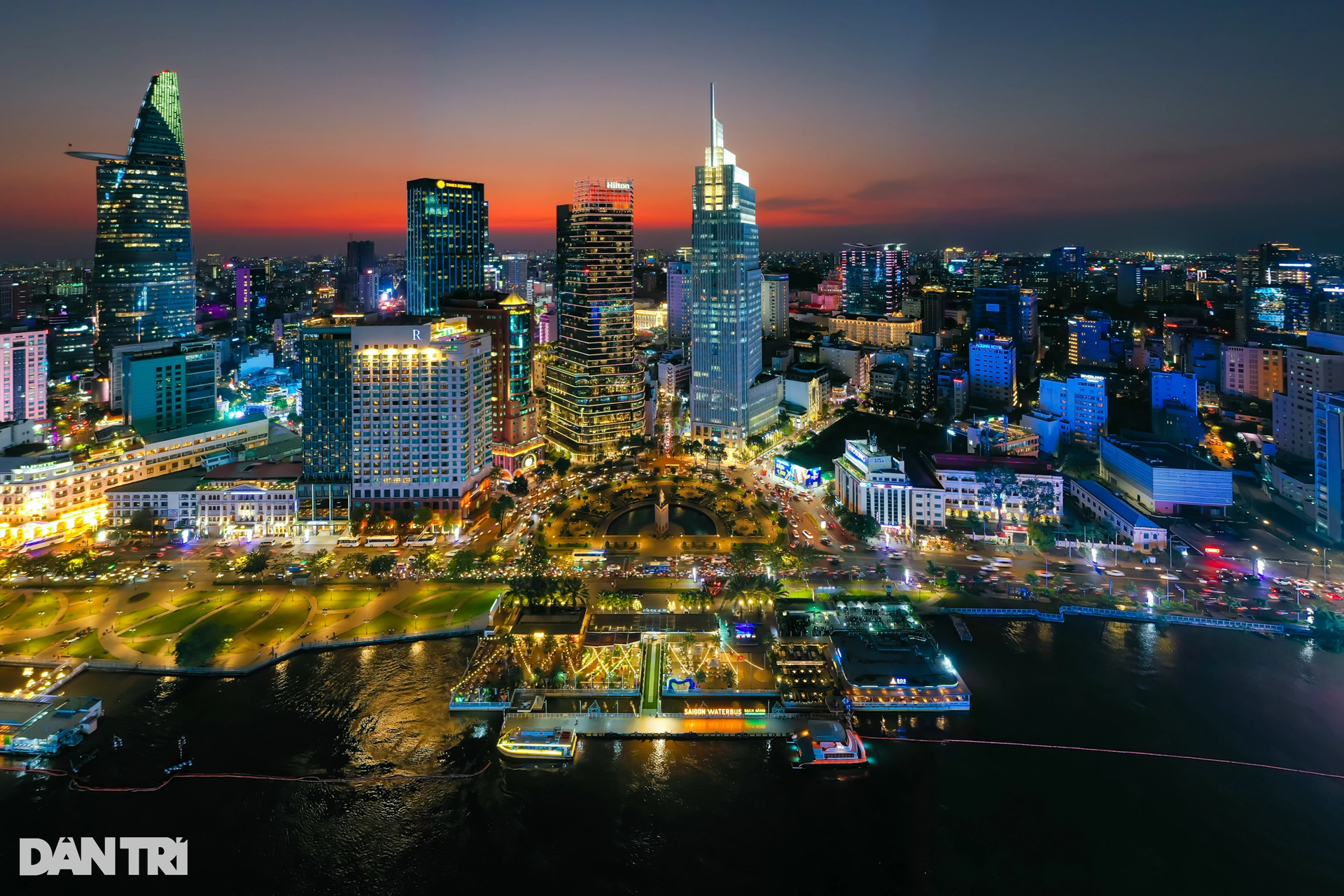
Saigon Ward, a familiar name that has recently reappeared on the administrative map, was formed by merging Ben Nghe Ward, part of Da Kao Ward, and Nguyen Thai Binh Ward (formerly District 1). It is considered the central ward of Ho Chi Minh City, home to most administrative offices, skyscrapers, and major shopping centers.
Restoring the name Saigon not only evokes familiar memories for many generations of people but also affirms the unique identity of Ho Chi Minh City – a youthful city rich in heritage, always cherishing its roots in its development journey.
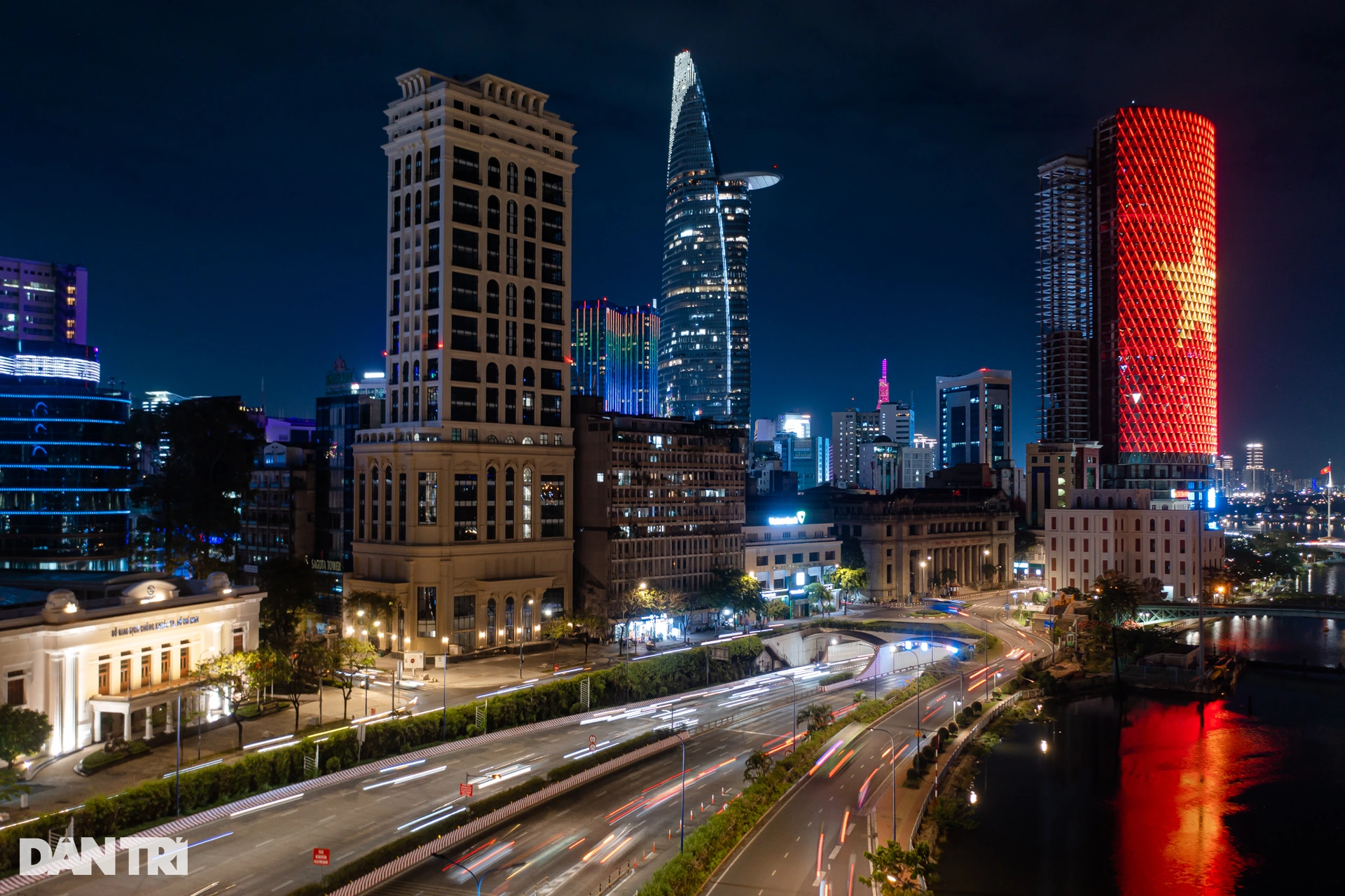
Located in the heart of the city, Saigon Ward, despite its bustling and modern atmosphere, still preserves many buildings and historical sites over 100 years old. Every wall, tiled roof, and majestic column here is like a living page of history, evoking nostalgic memories of an old Saigon.
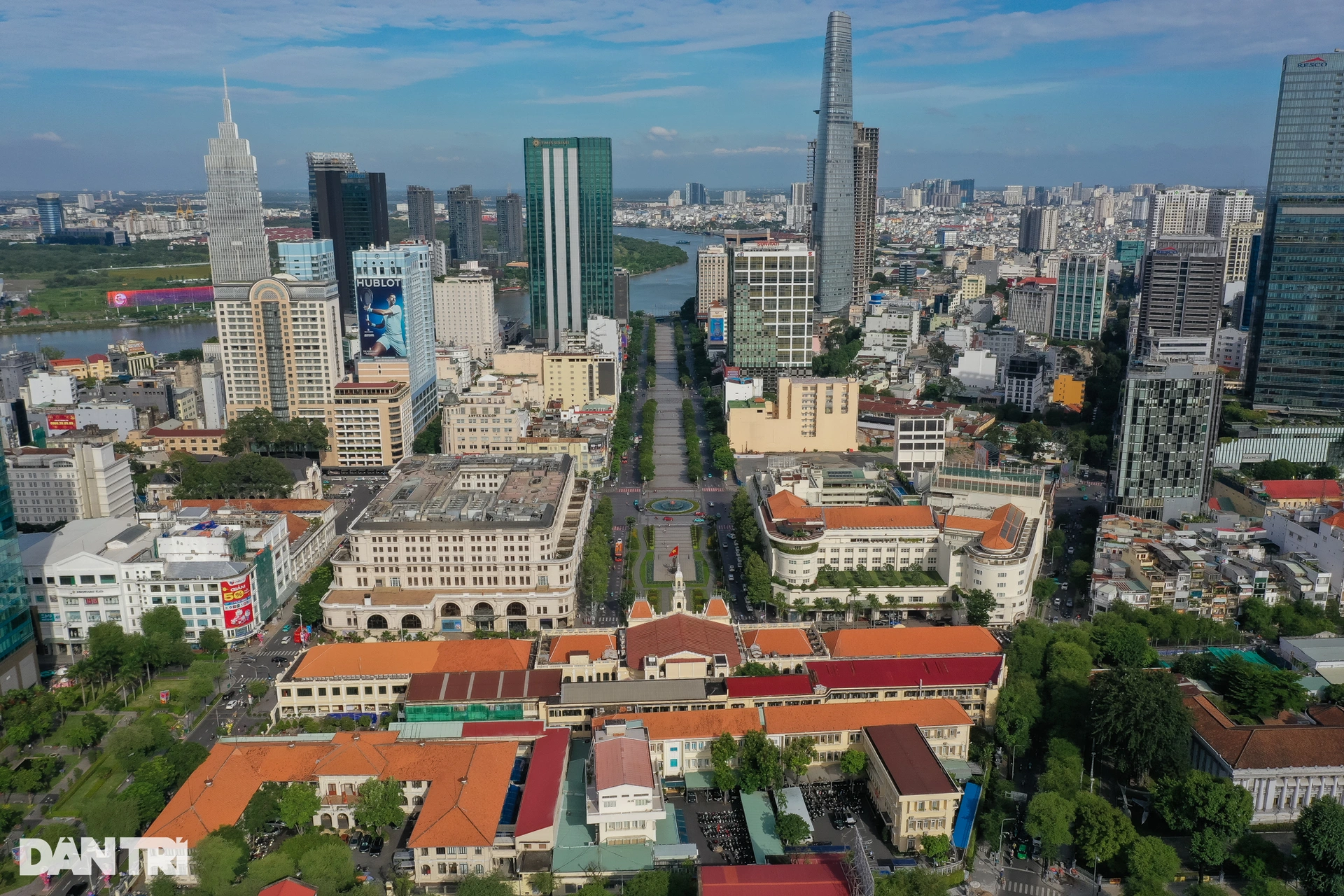
After the merger, Saigon Ward has an area of over 3 square kilometers and a population of approximately 47,000 people. This is the largest ward among the four wards merged from District 1, surpassing Ben Thanh Ward (1.85 square kilometers), Cau Ong Lanh Ward (1.6 square kilometers), and Tan Dinh Ward (1.23 square kilometers).
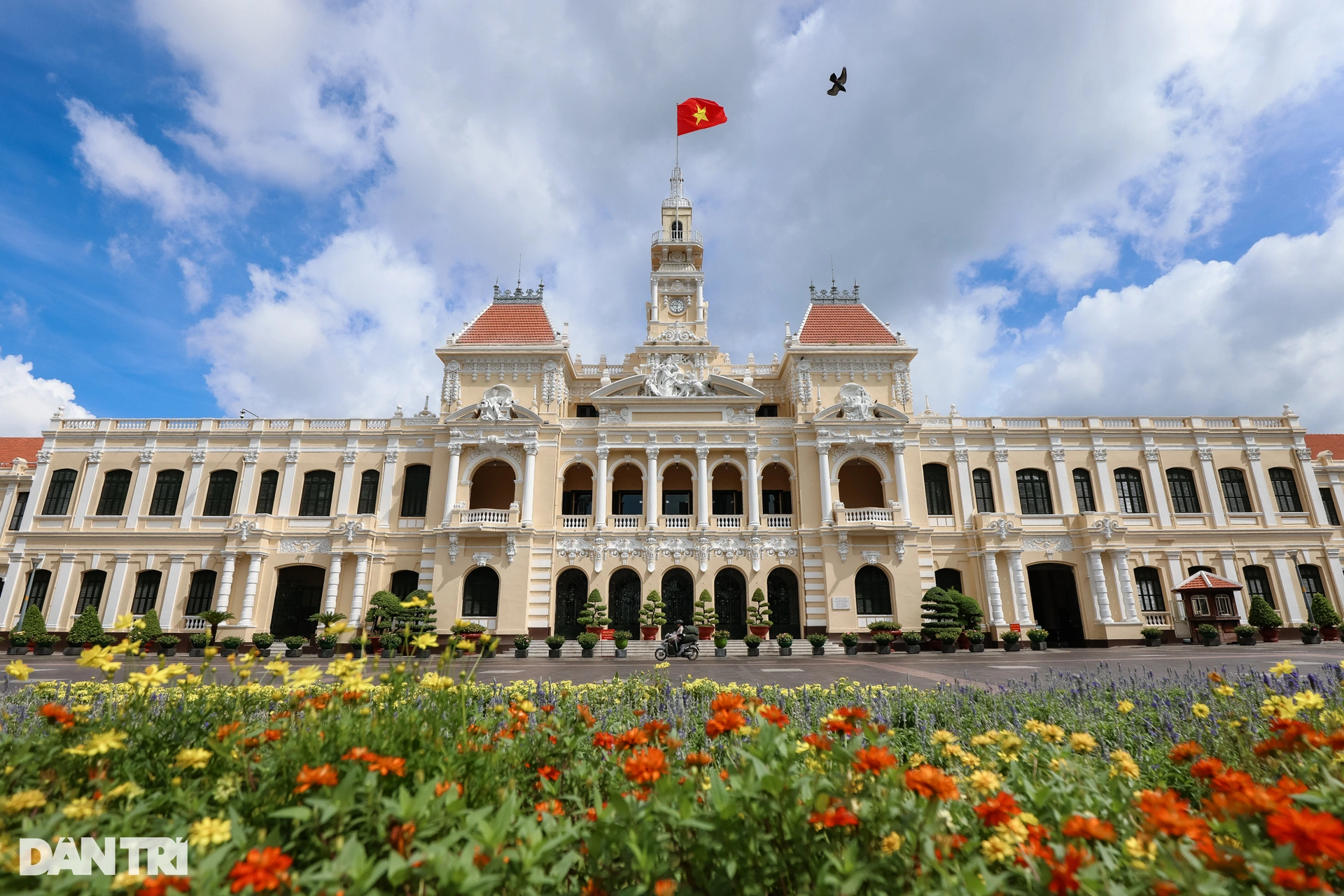
The headquarters of the Ho Chi Minh City People's Council and People's Committee, a long-standing architectural work built from 1889 and completed in 1909, was designed by architect Femand Gardès in the style of bell towers in northern France. In 2020, this building was recognized as a National Architectural and Artistic Monument, witnessing many important historical milestones of the city.
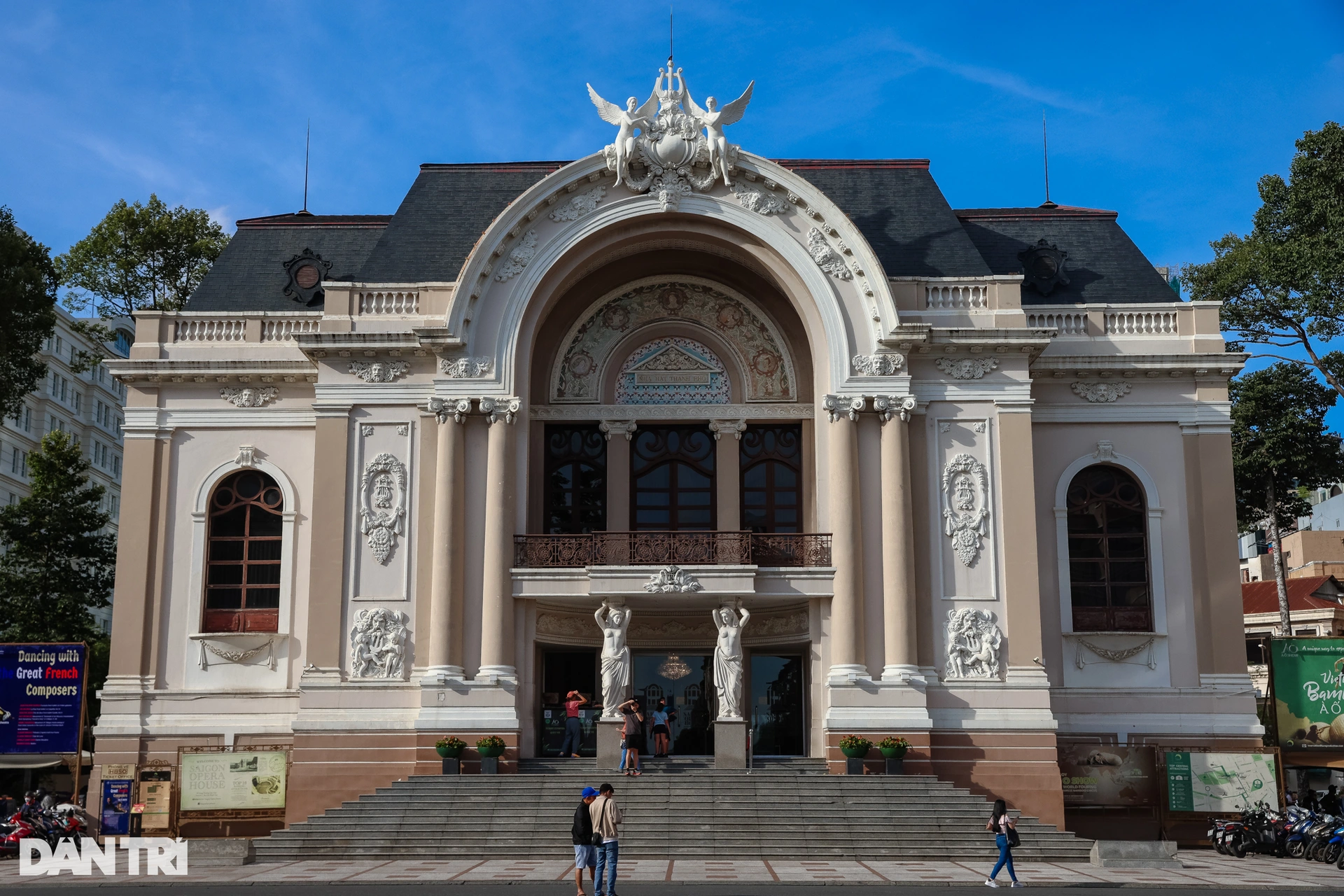
Not far from there is the City Theatre, located on Dong Khoi Street. Construction of this building began in 1898 and it was inaugurated on January 1, 1900, making it 125 years old today.
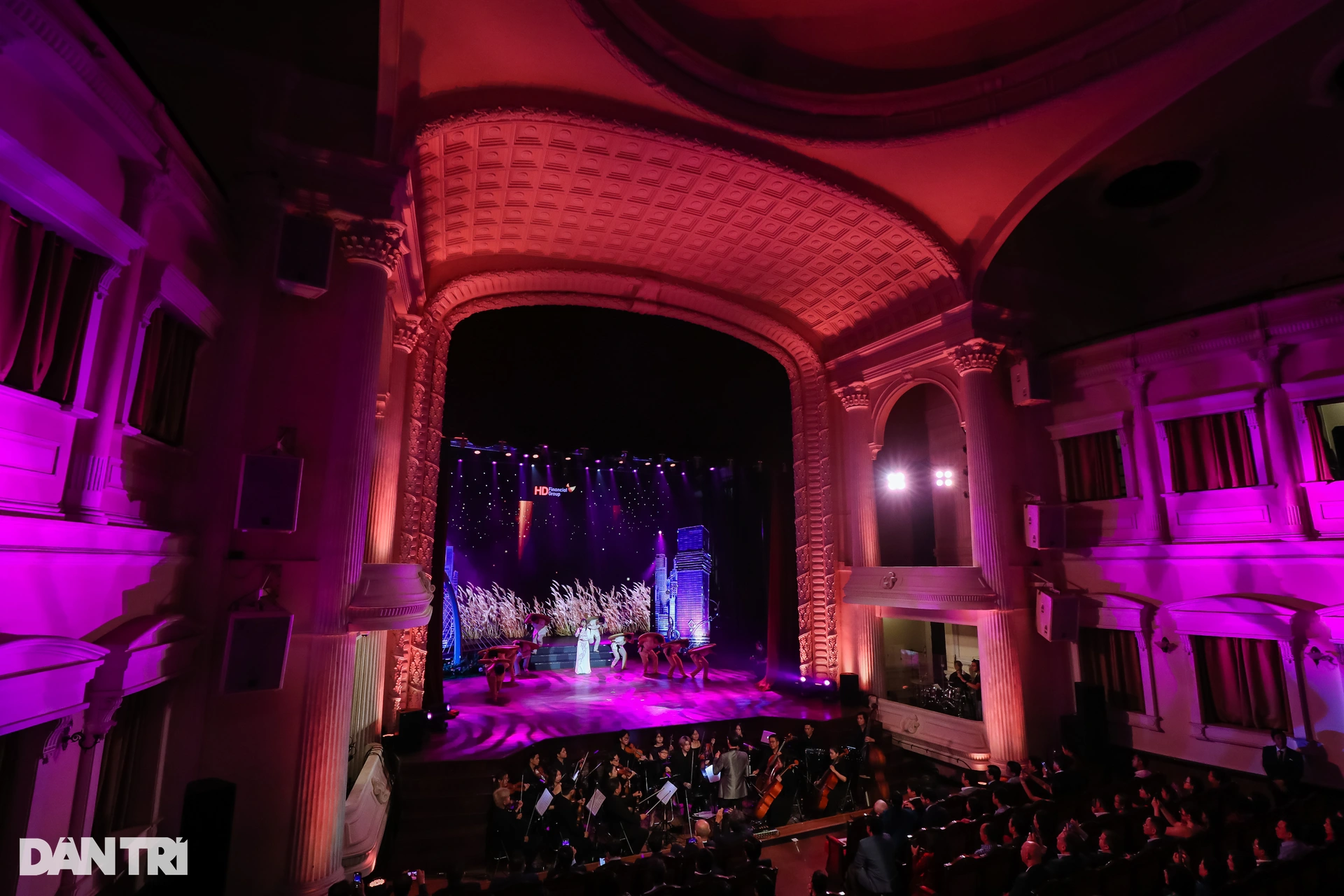
The City Theatre is a central, multi-purpose theatre specializing in theatrical performances and major events. It is also one of the oldest theatres in Western European architecture and a popular tourist attraction in the city.
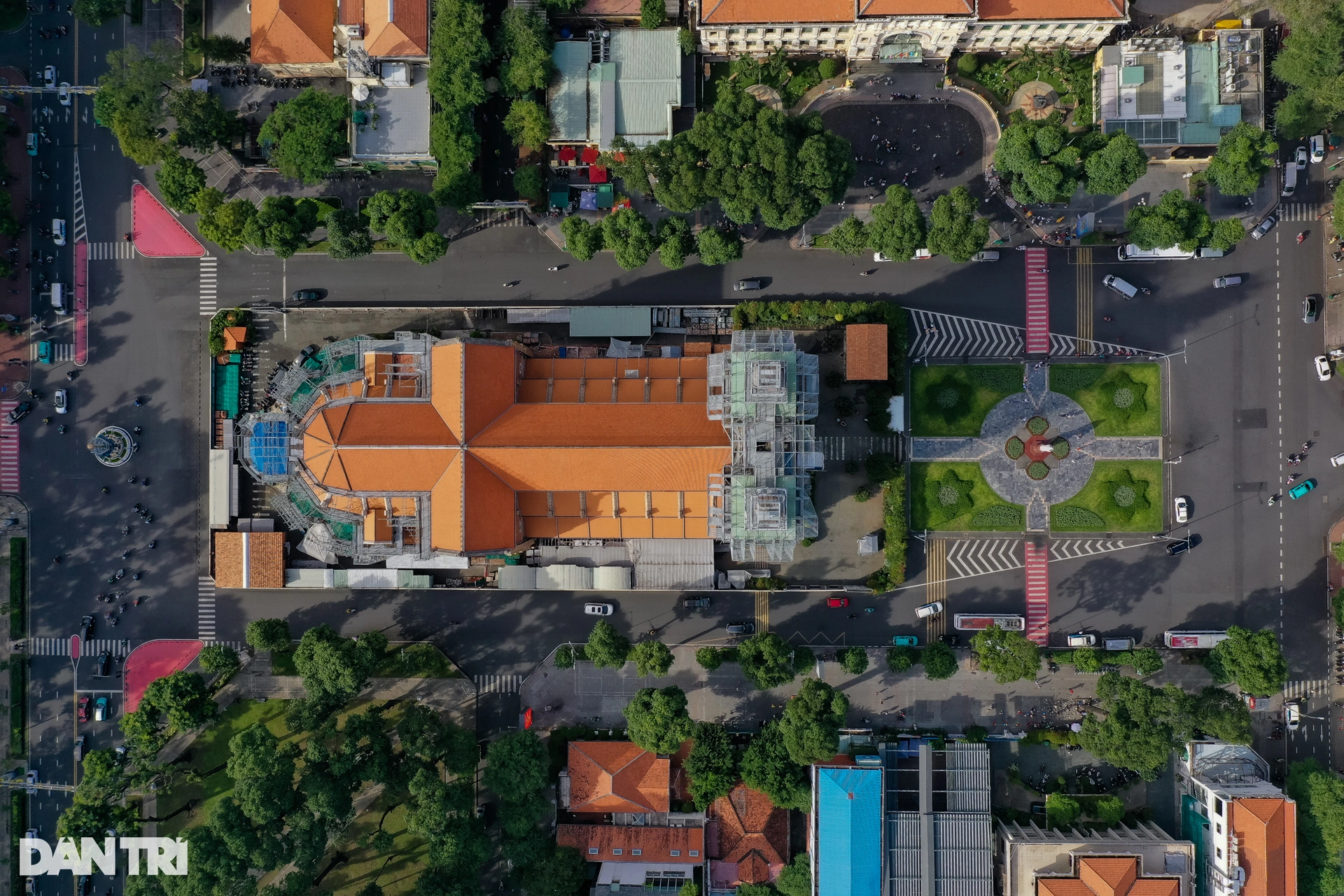
Located on Paris Commune Square, Notre Dame Cathedral was begun in 1877 and completed three years later, designed by architect J. Bourad. This building is considered a symbol of Ho Chi Minh City.
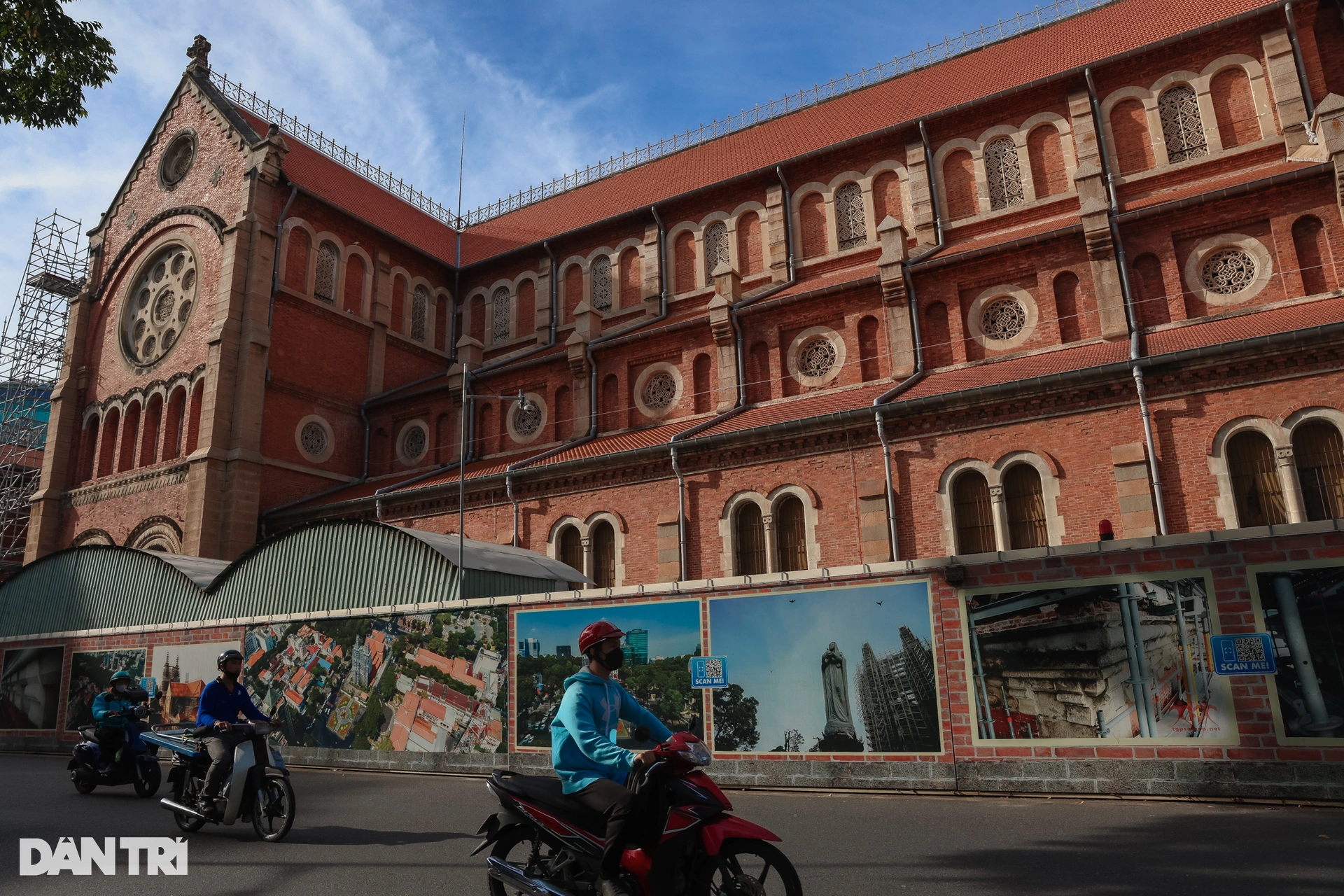
Notre Dame Cathedral is not only a symbol of Catholicism in Vietnam but also one of the unique architectural works and famous destinations of Ho Chi Minh City. The building is currently undergoing restoration.
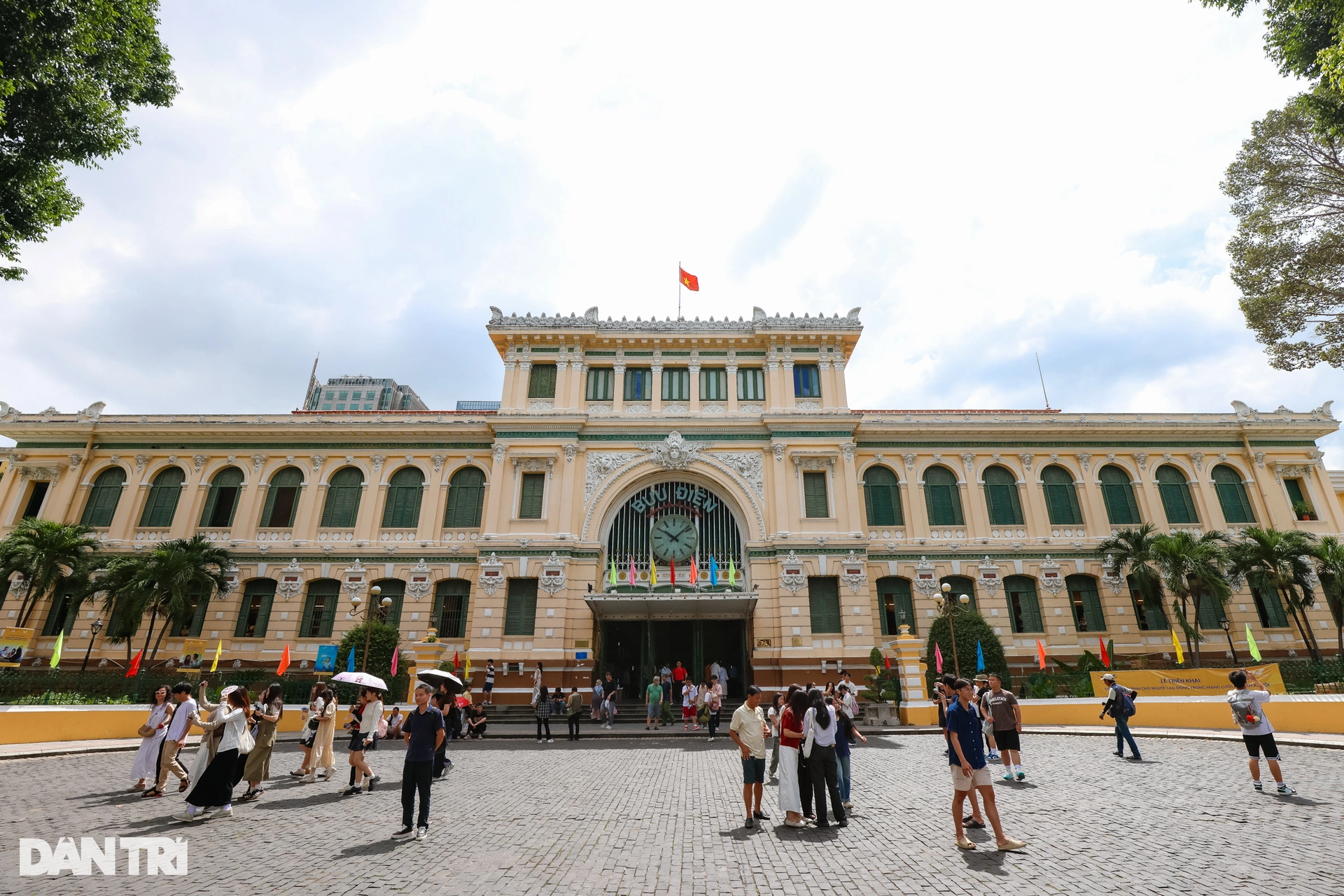
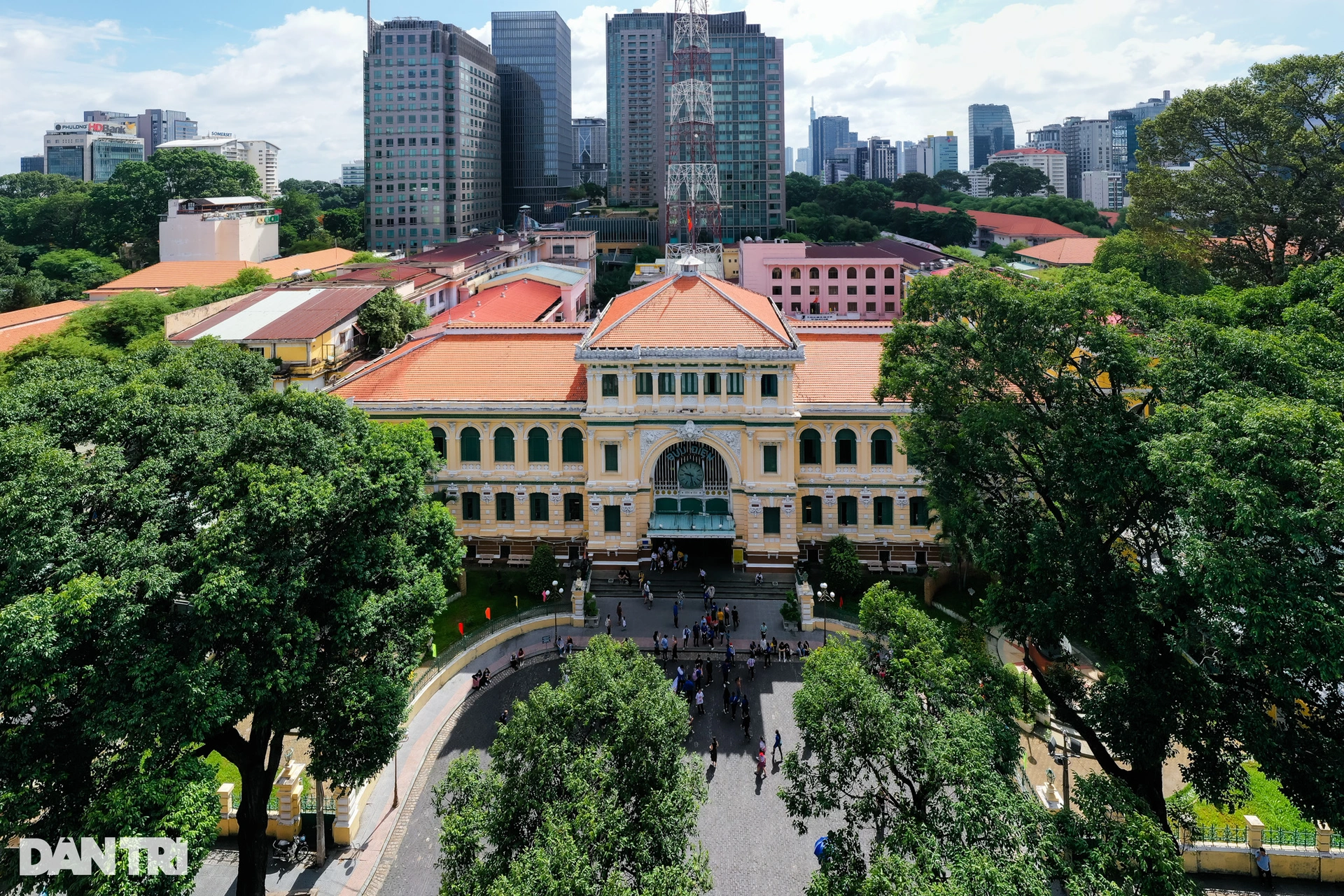
Located next to Notre Dame Cathedral is the Ho Chi Minh City Post Office building, constructed from 1886 to 1891. This building contributes to creating an architectural space with unique historical and cultural value for the Saigon ward in particular and Ho Chi Minh City in general.
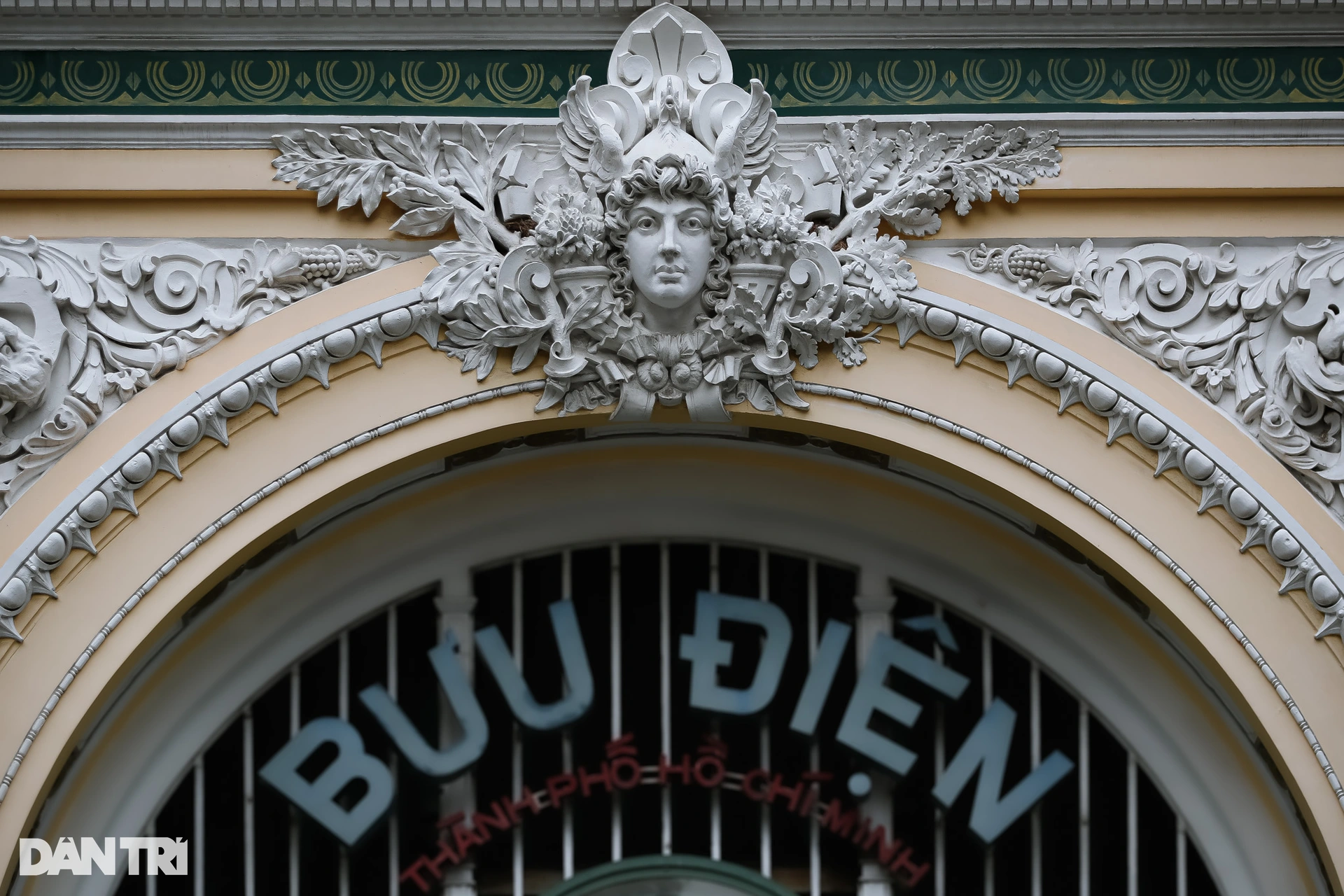
The architecture of the Ho Chi Minh City Post Office building is a blend of Western and Eastern design styles, designed by architect Villedieu and his assistant Foulhoux.
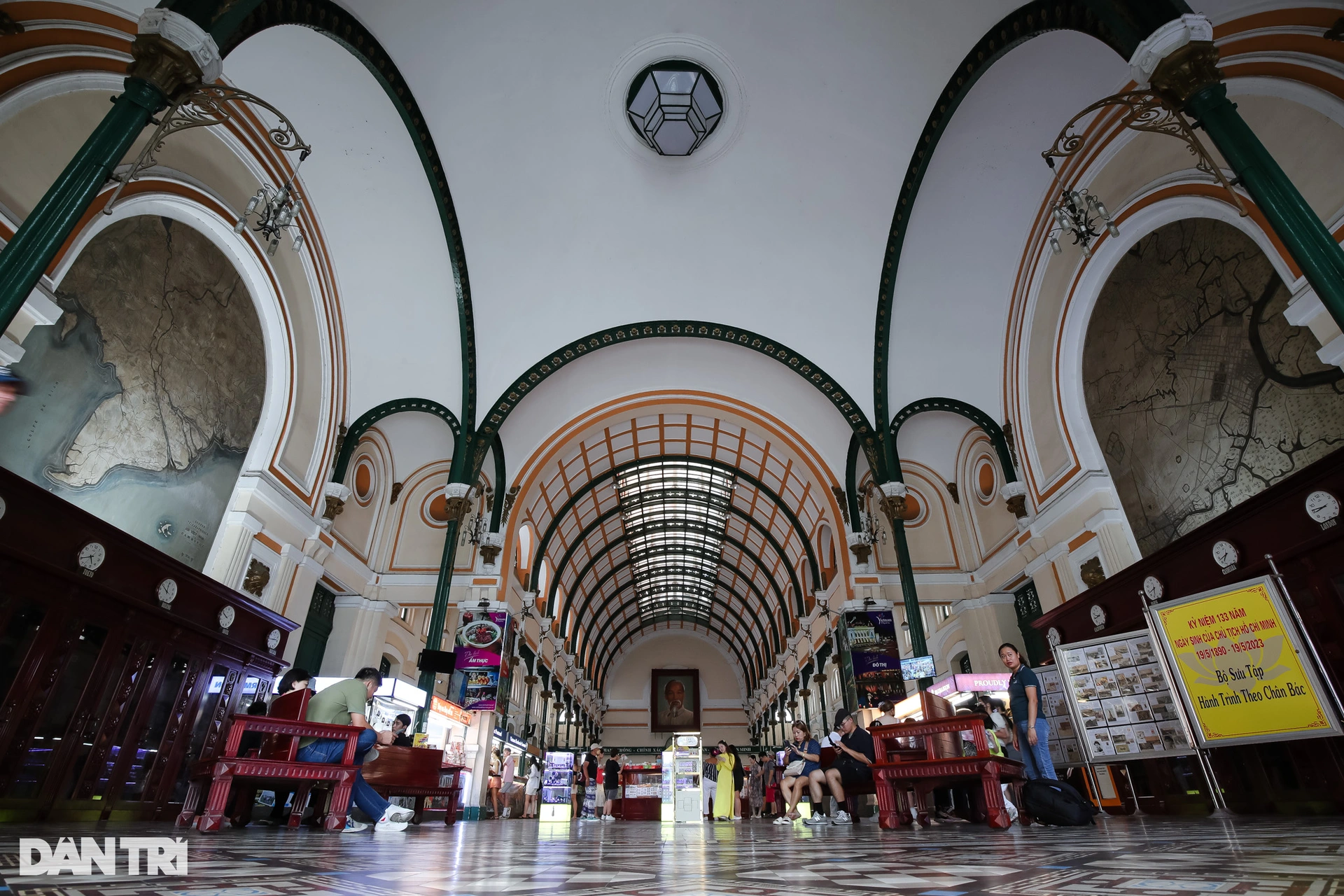
In 2023, the Ho Chi Minh City Post Office was honored to be ranked second (after the Algiser Central Post Office in Algeria) in the list of 11 most beautiful post offices in the world , as selected by the American architectural magazine Architectural Digest. Being included in this list is a source of pride for the people of Ho Chi Minh City.
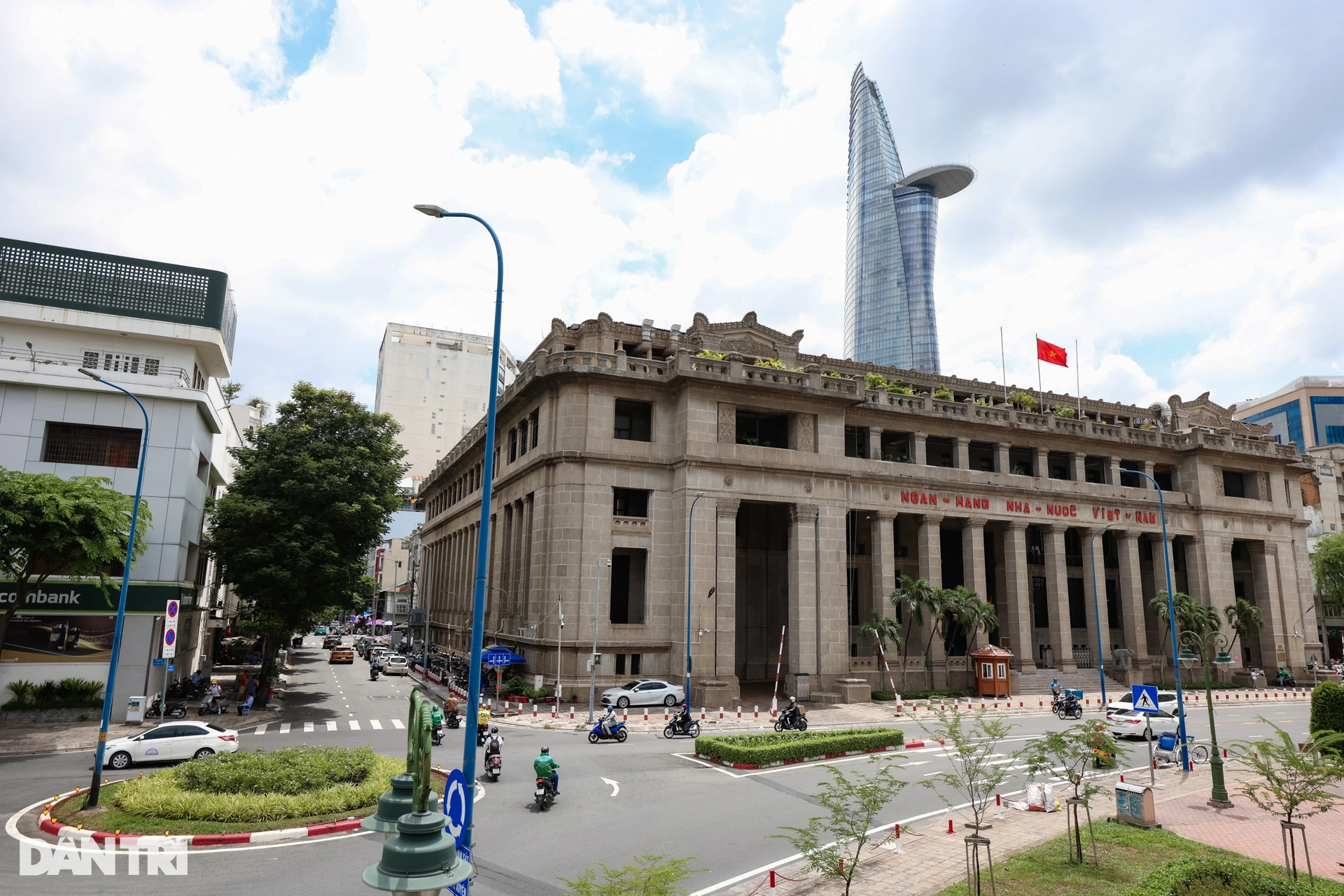
The State Bank of Vietnam, Ho Chi Minh City branch, located on Vo Van Kiet Street, is one of the city's distinctive architectural landmarks. Built in 1929-1930, it was initially a branch of the Bank of Indochina in Saigon, later becoming the National Bank of Vietnam in 1955, and from 1976 to the present day, it has served as the headquarters of the State Bank of Vietnam, Ho Chi Minh City branch.
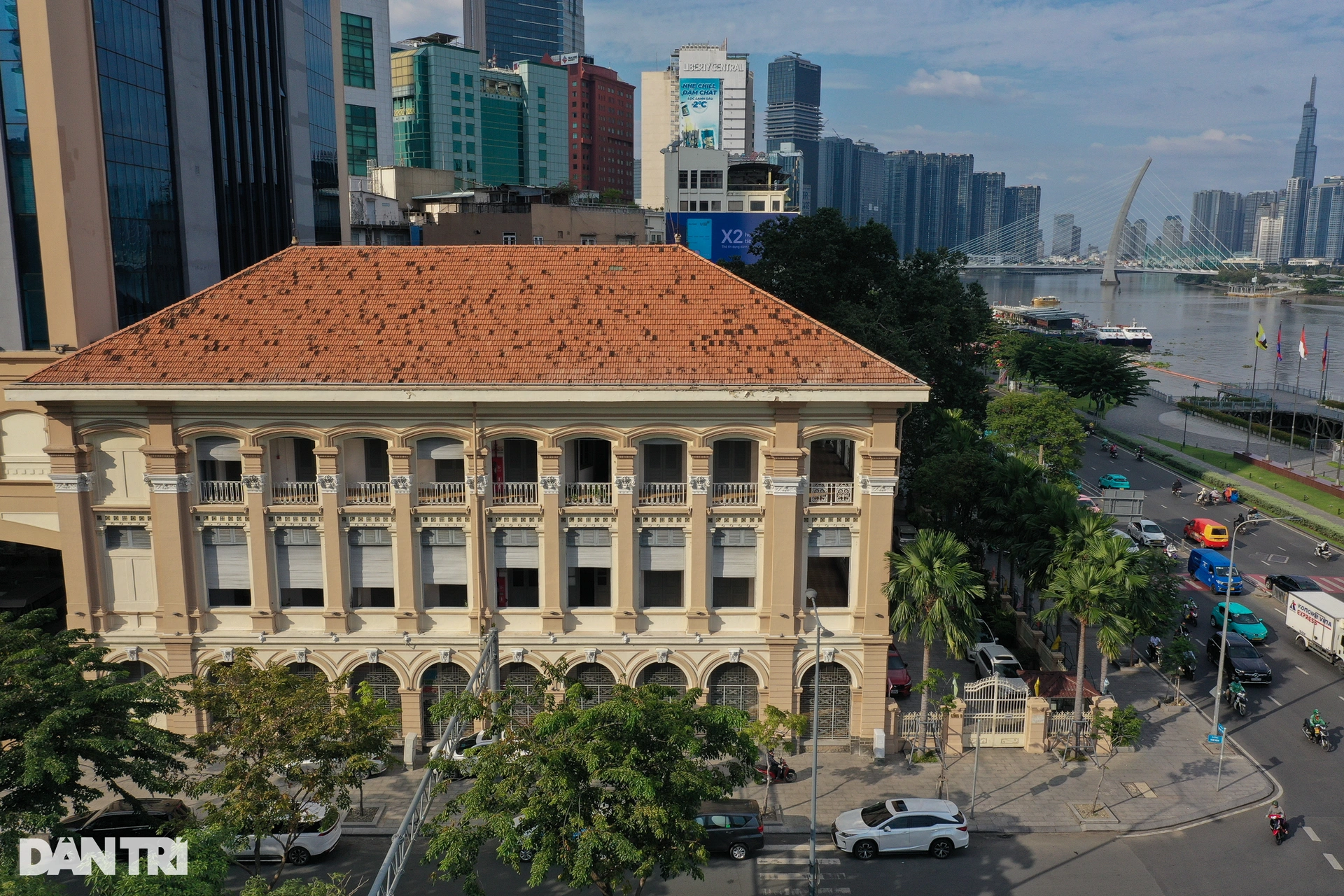
The Ho Chi Minh City Customs Department headquarters, rebuilt between 1885 and 1887, was formerly the Tax and Customs office of the French administration. After 1975, this building has served as the Ho Chi Minh City Customs Department headquarters until today. With its unique Western-style architecture, this building is considered one of the most beautiful buildings in Saigon and was classified as a city-level historical monument at the end of 2024.
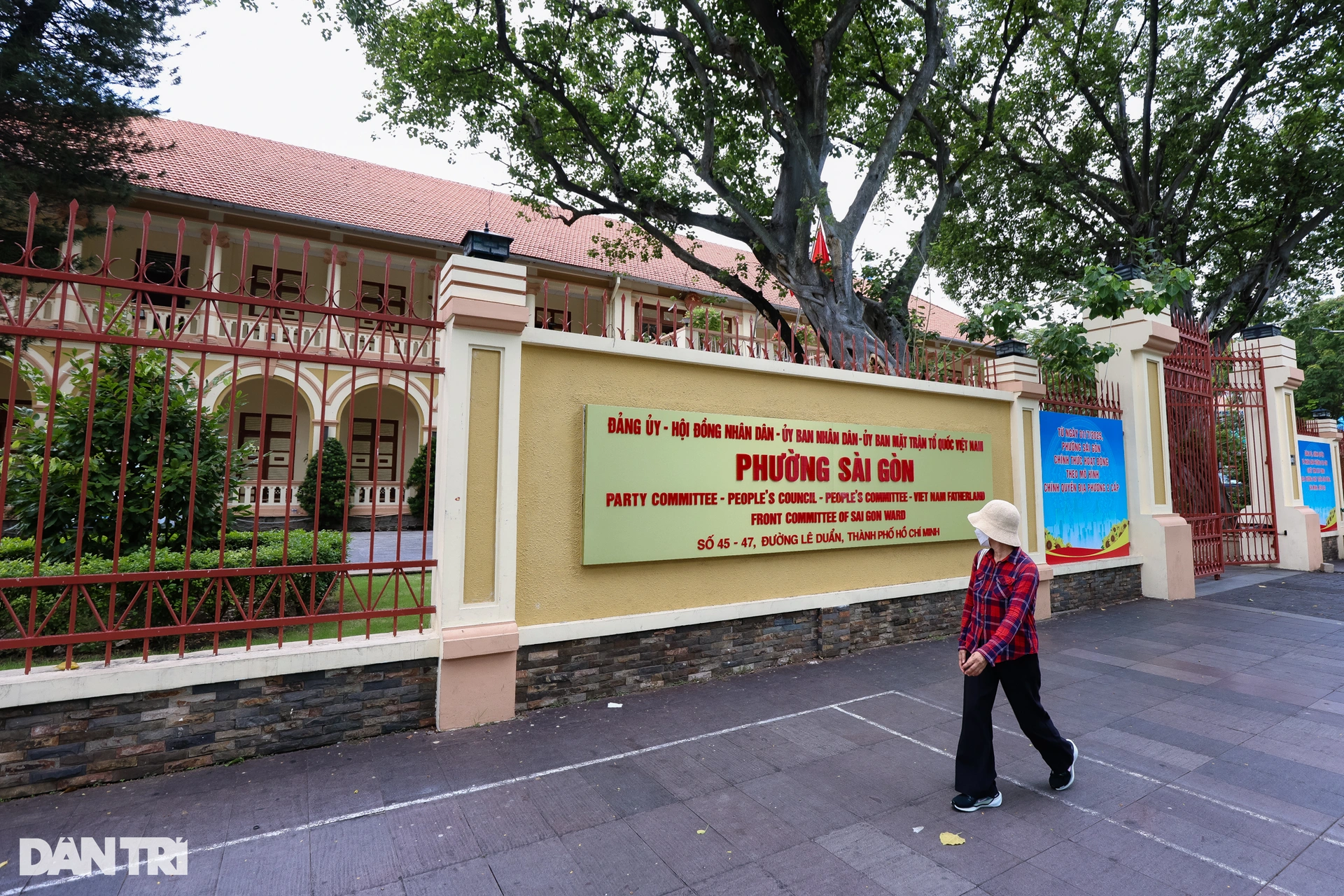
The Saigon Ward headquarters after the merger is located at 45-47 Le Duan Street. Ms. Ngo Hai Yen, Vice Chairman of the Saigon Ward People's Committee, said that naming the central ward Saigon helps to easily identify it, facilitates management and promotes the urban image, tourism, services and local economy.
"Naming the wards of Saigon also carries profound historical significance because it represents a connection between tradition and modernity, a bridge of pride, awareness of our roots, and responsibility to continue cultural heritage with a dynamic future," shared Ms. Ngo Hai Yen.
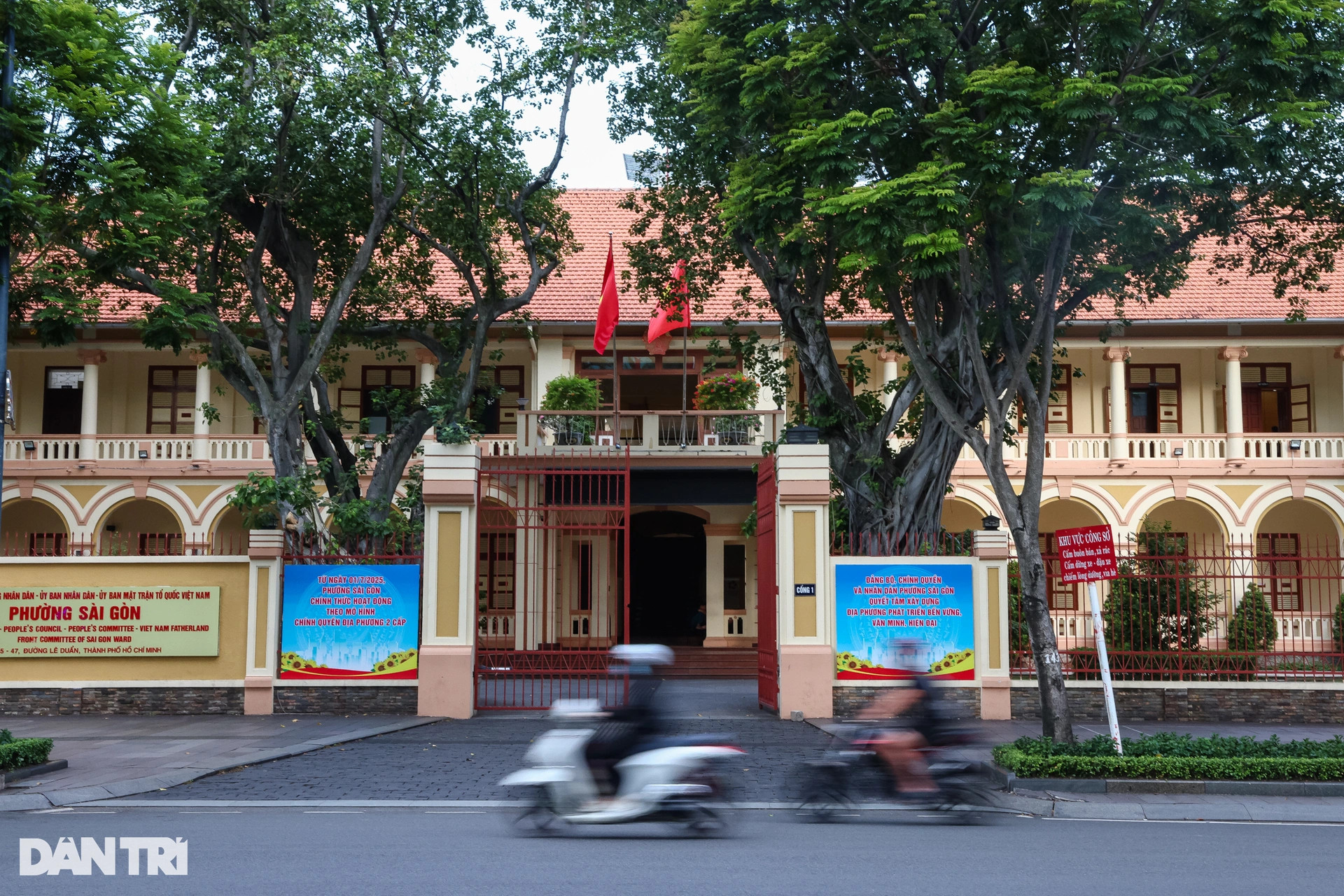
The headquarters of the Party Committee, People's Council, and People's Committee of Saigon Ward, built in 1876, has retained its original architectural features after nearly 150 years. This building was recently classified as an architectural and artistic heritage site by the Ho Chi Minh City People's Committee at the end of 2024.
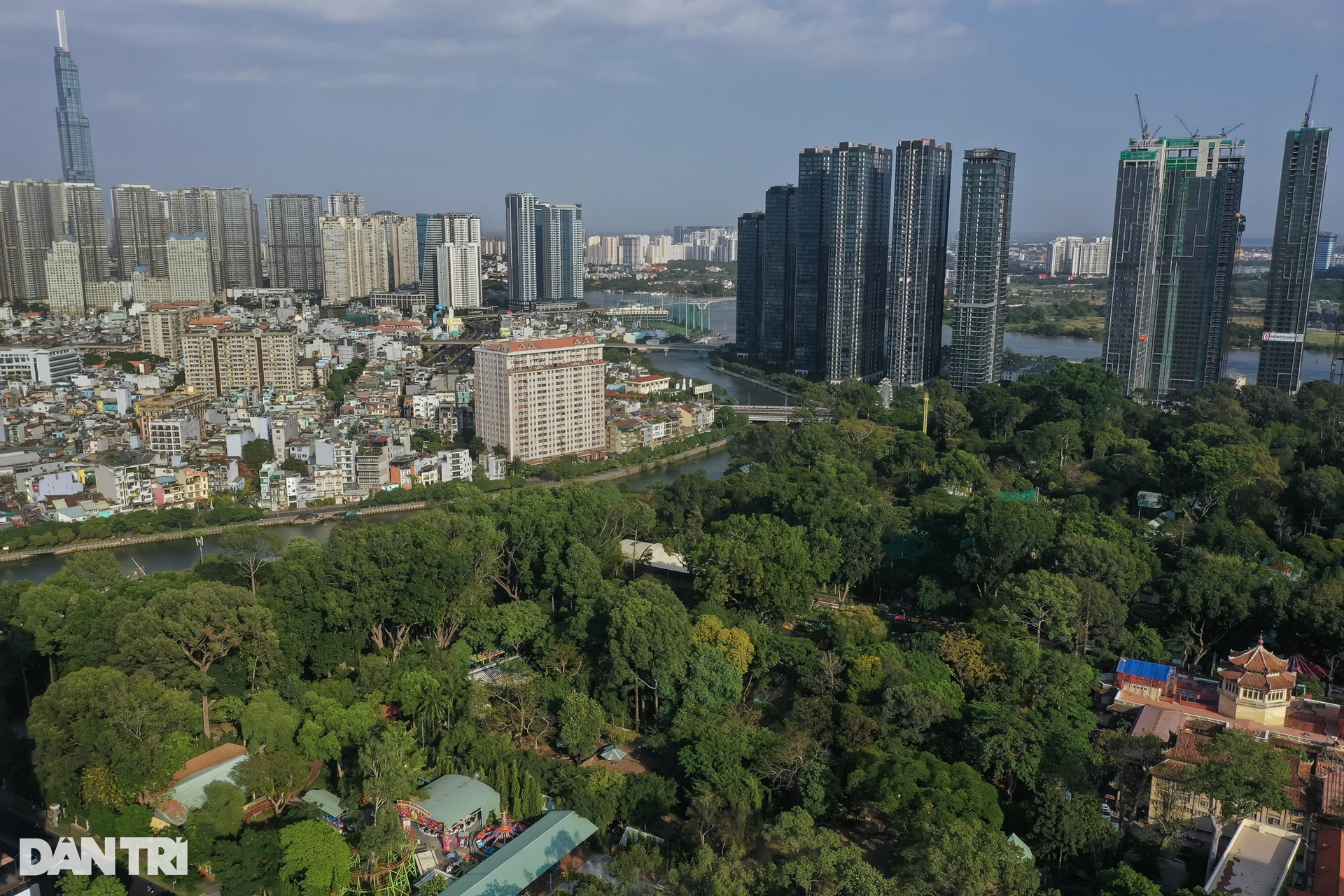
Stretching along the Nhieu Loc - Thi Nghe canal, Saigon Zoo was established in 1864. Covering an area of 16.9 hectares, it is considered the "green lung" of the city.
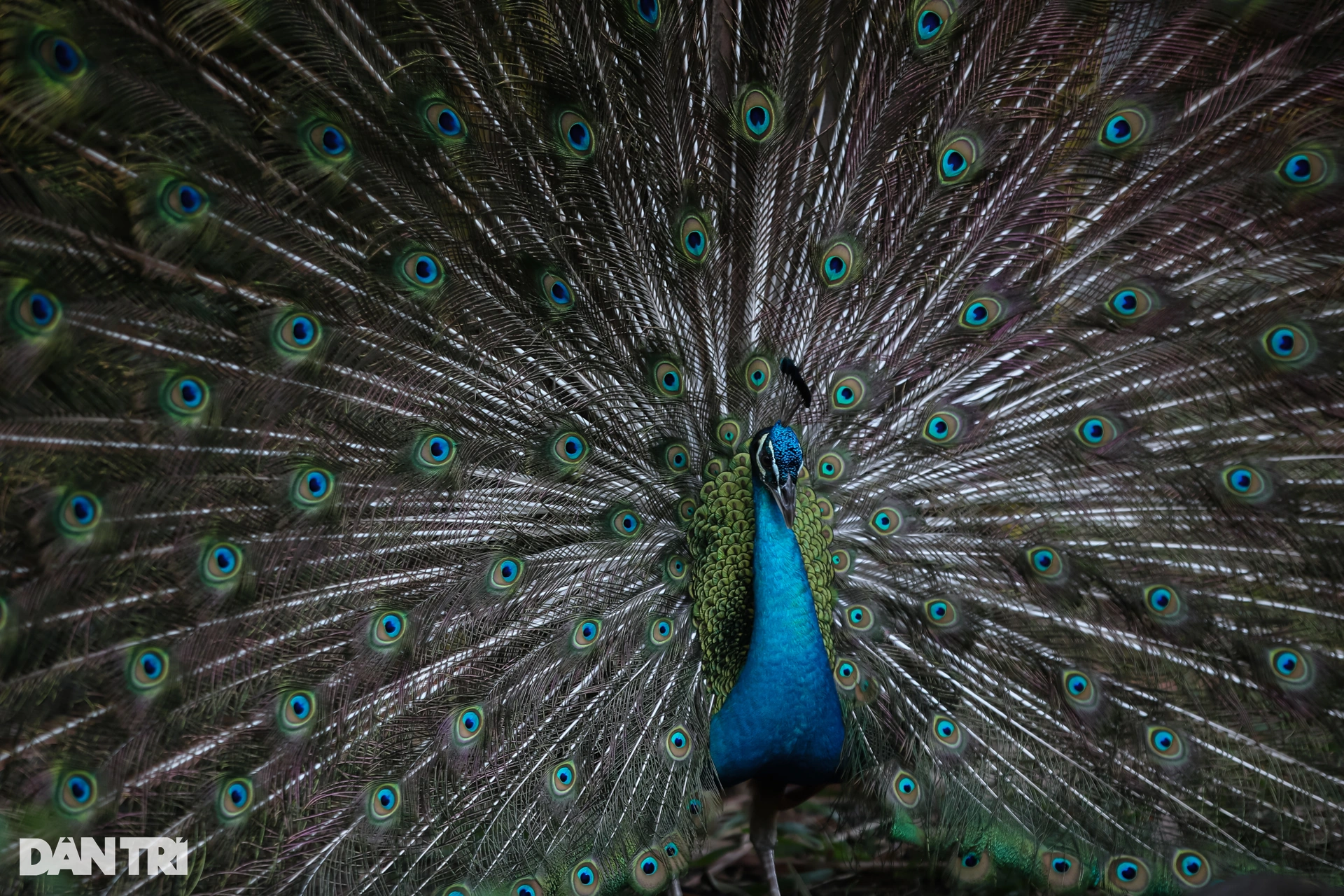
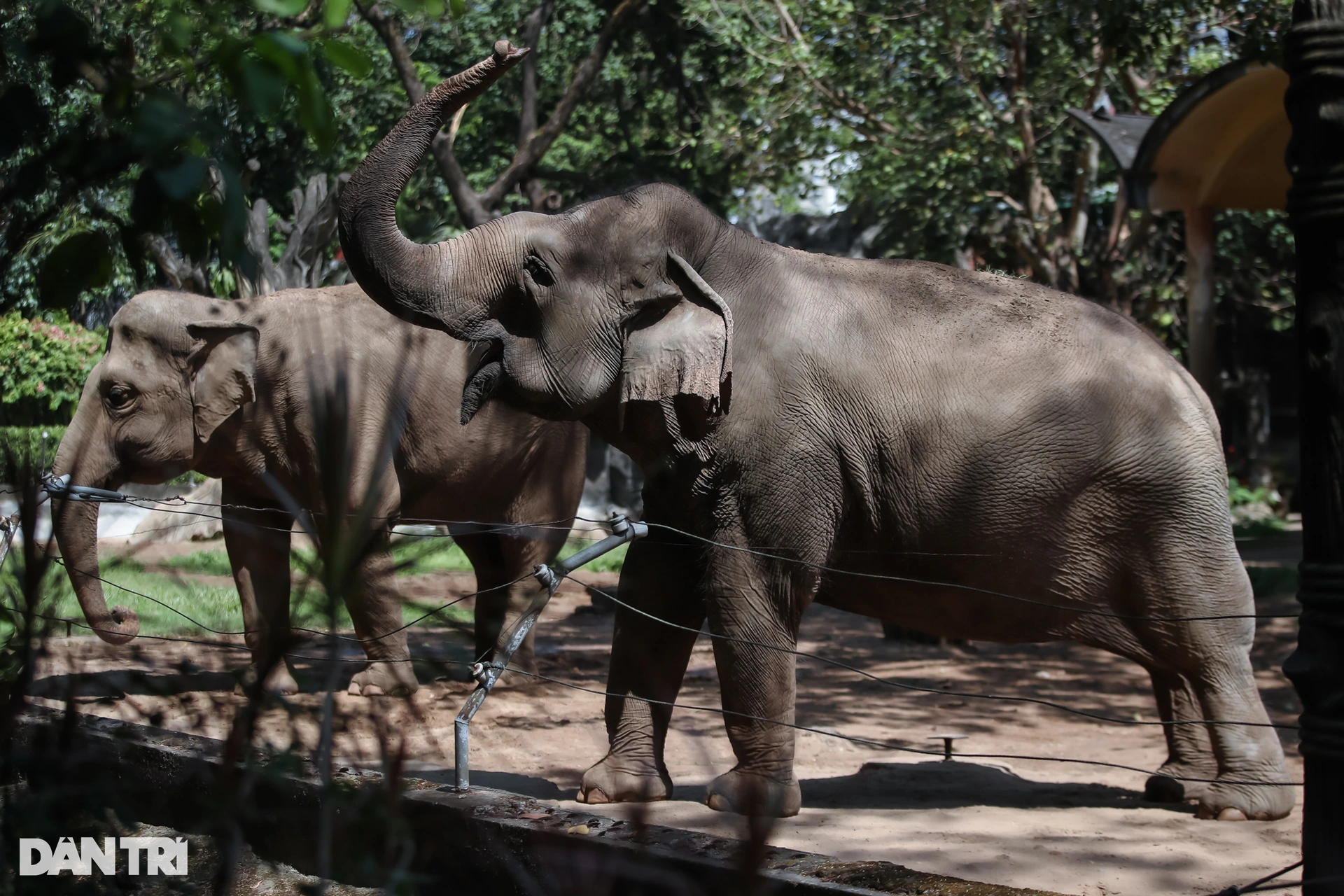
Currently, Saigon Zoo is home to 1,373 individual animals and over 900 plant species, including many rare species such as the peacock pheasant, the yellow-cheeked gibbon, the golden deer, the clouded leopard, and the leopard gecko... This is the eighth oldest zoo in the world, with a history of 161 years.
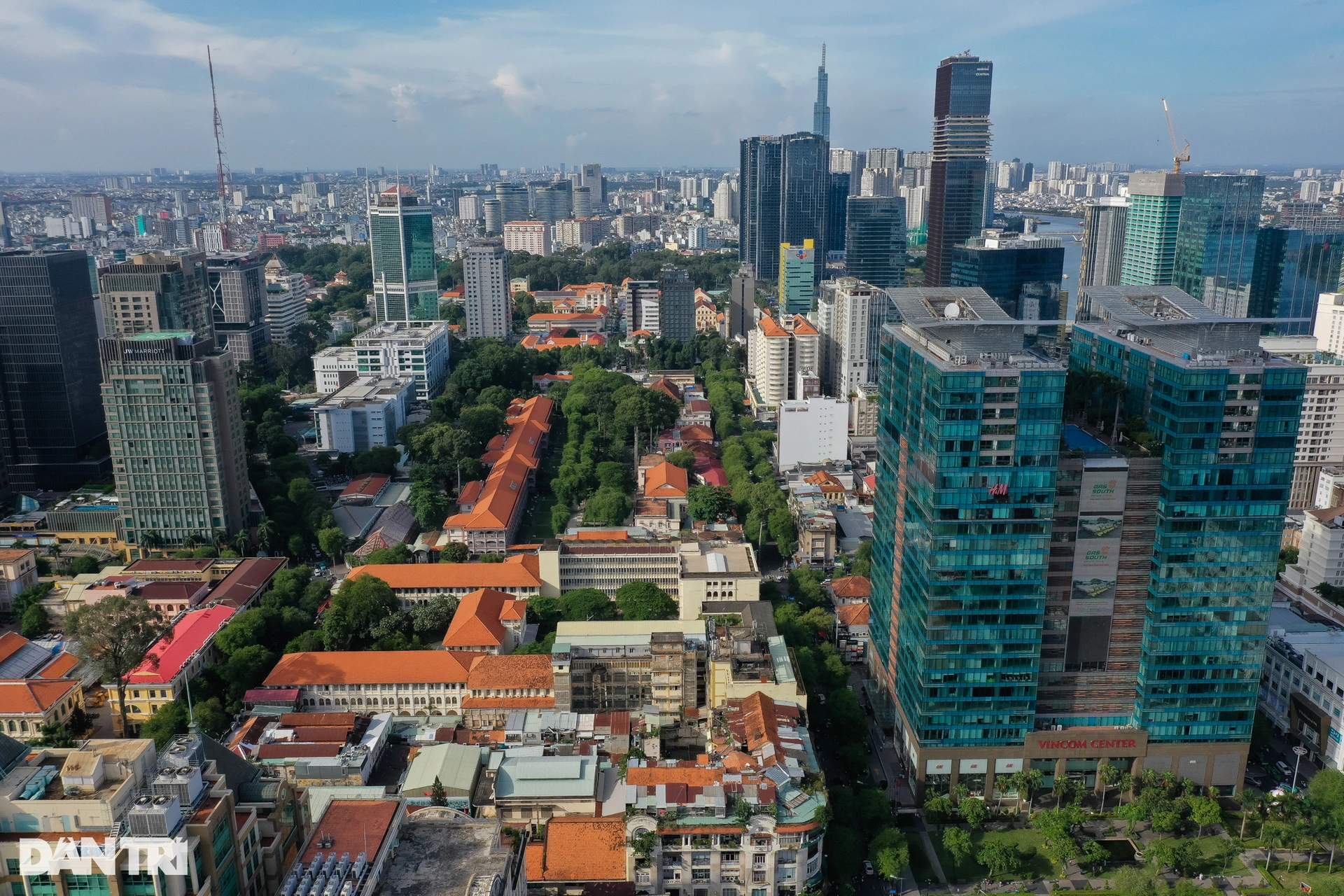
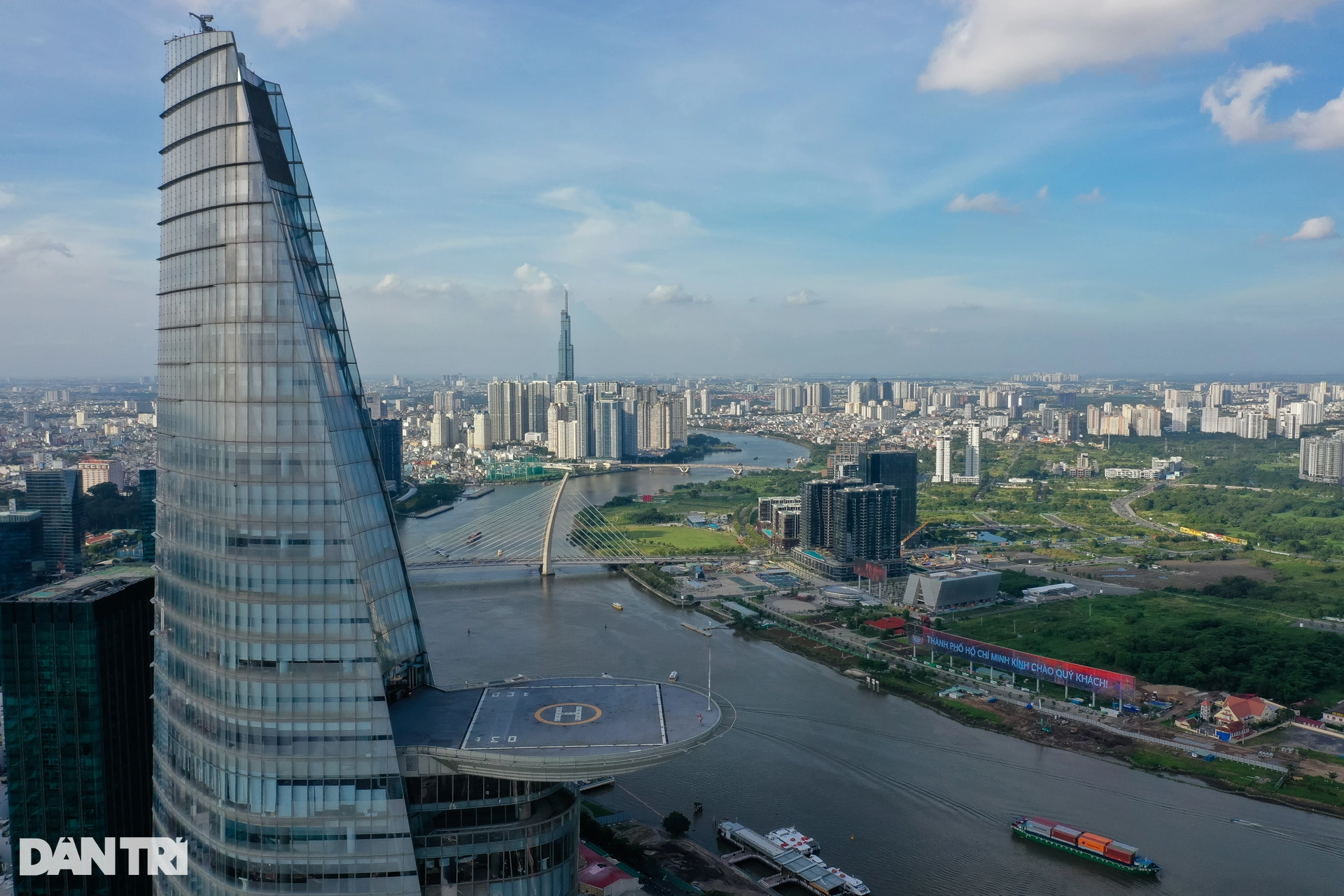
Saigon Ward is also the area with the highest real estate and commercial value in Ho Chi Minh City today, with bustling streets, many 5-star hotels, large shopping malls, Grade A office buildings, and record-high-priced storefront properties.
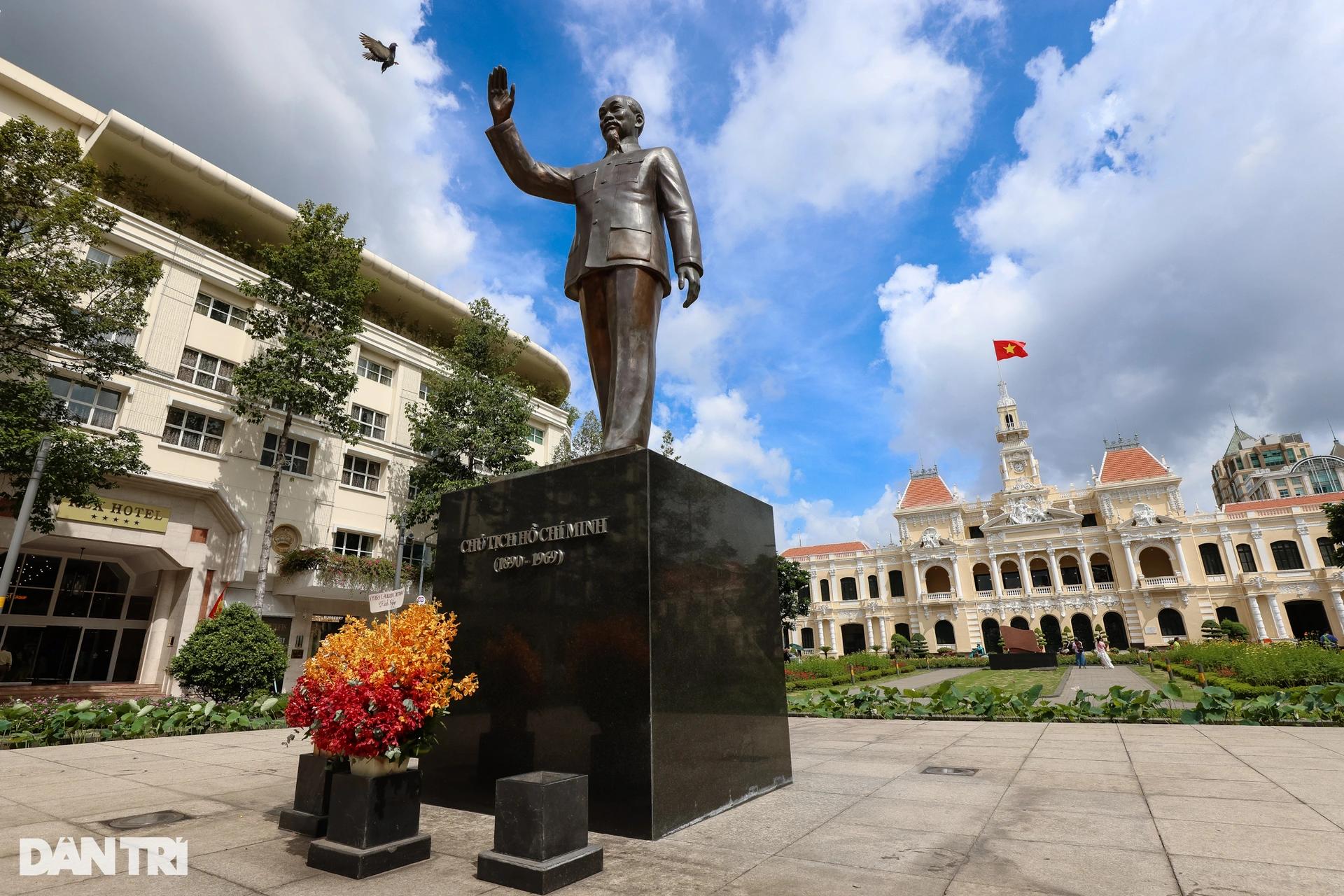
Saigon Ward boasts a central location and is rich in historical and cultural value. It is home to numerous historical sites, architectural landmarks, and iconic structures such as the City People's Committee Headquarters, the City Theatre, Notre Dame Cathedral, the City Post Office, Nguyen Hue Walking Street, and many key central and city government offices, consulates, and major financial institutions from various countries. This provides a favorable foundation for Saigon Ward to develop its economic, cultural, and tourism orientation in a manner characteristic of a central urban area. Simultaneously, it promotes the image of a modern city intertwined with historical depth – a crucial advantage in shaping the urban identity of Saigon Ward.
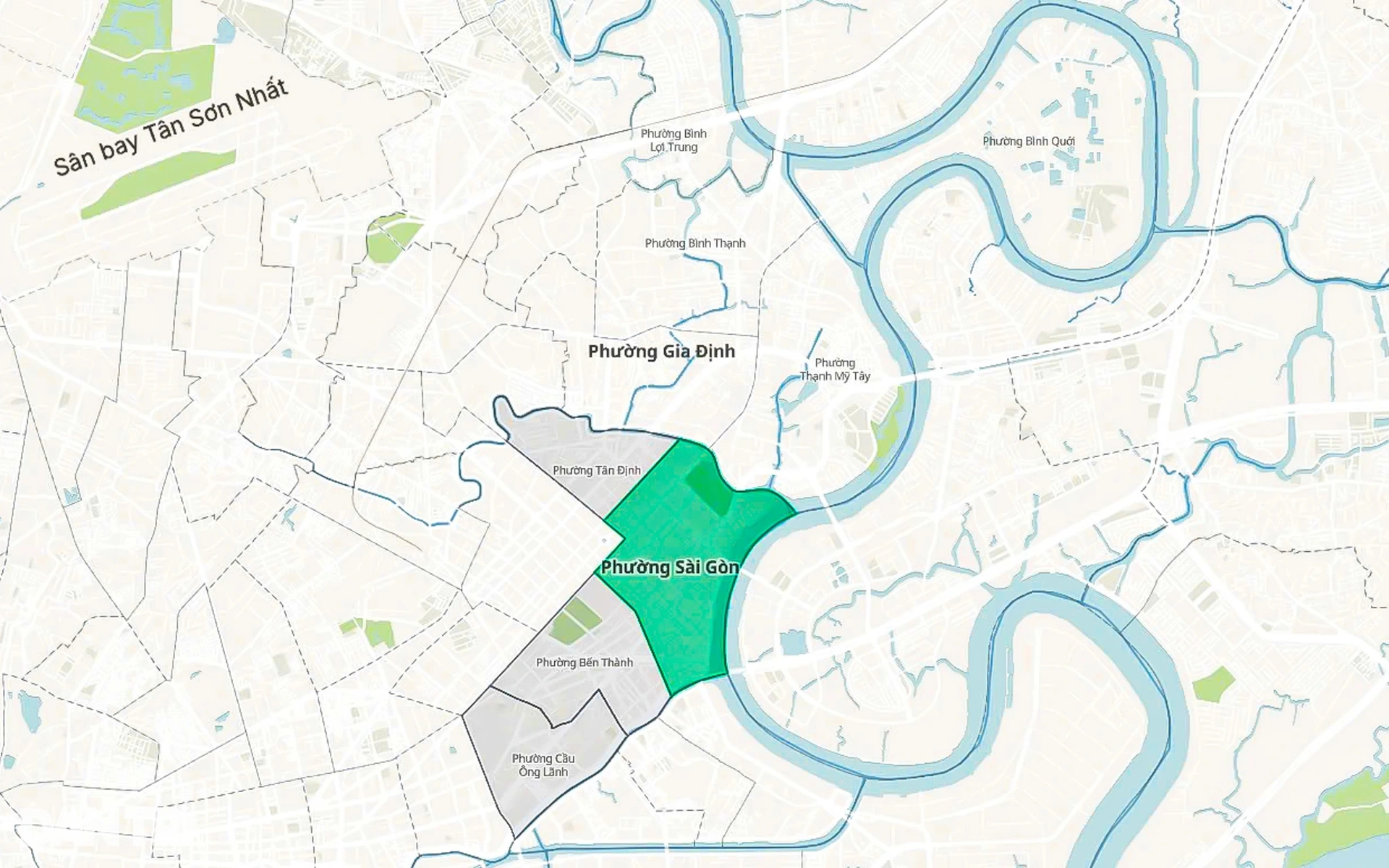
Saigon Ward is bordered by the following streets: Hoang Sa, Nguyen Dinh Chieu, Hai Ba Trung, Nguyen Thi Minh Khai, Nam Ky Khoi Nghia, Vo Van Kiet, Ton Duc Thang, and the Nhieu Loc - Thi Nghe canal.
Dantri.com.vn
Source: https://dantri.com.vn/xa-hoi/nhung-cong-trinh-mang-dau-an-the-ky-o-phuong-sai-gon-20250709000240498.htm


![[Image] Close-up of the newly discovered "sacred road" at My Son Sanctuary](/_next/image?url=https%3A%2F%2Fvphoto.vietnam.vn%2Fthumb%2F1200x675%2Fvietnam%2Fresource%2FIMAGE%2F2025%2F12%2F13%2F1765587881240_ndo_br_ms5-jpg.webp&w=3840&q=75)





![[Image] Close-up of the newly discovered "sacred road" at My Son Sanctuary](https://vphoto.vietnam.vn/thumb/402x226/vietnam/resource/IMAGE/2025/12/13/1765587881240_ndo_br_ms5-jpg.webp)































































Comment (0)