

Developing a modern and integrated railway transportation system, along with other modes of transport, will contribute to promoting the province's socio -economic development in a rapid and sustainable manner, meeting the national goals and requirements for railway transportation development.
That is the overall objective of Action Program No. 67-CTr/TU, dated August 31, 2023, issued by the Standing Committee of the Provincial Party Committee (14th term) to implement Conclusion No. 49-KL/TW of the Politburo on the orientation for the development of Vietnam's railway transport system until 2030, with a vision to 2045.
Based on reality…
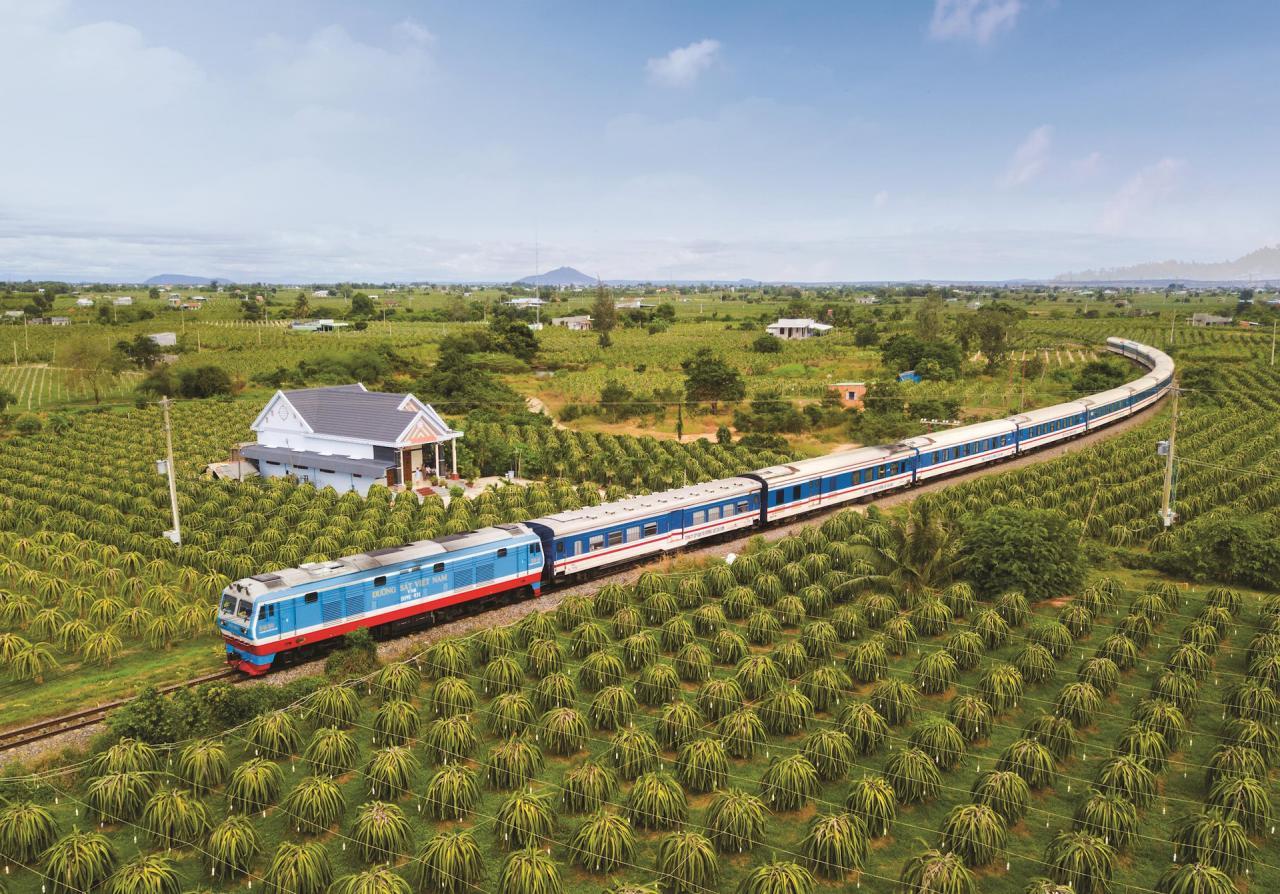
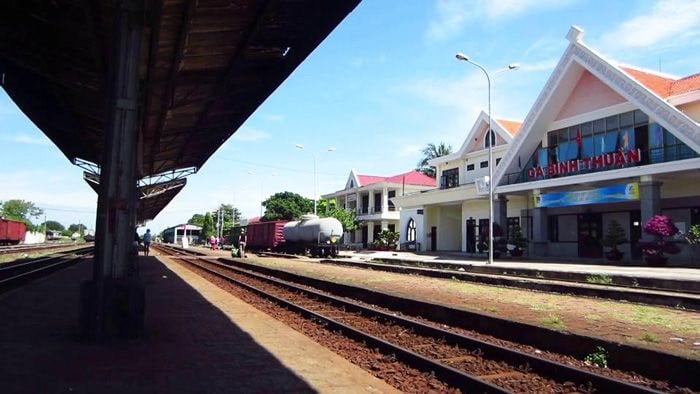
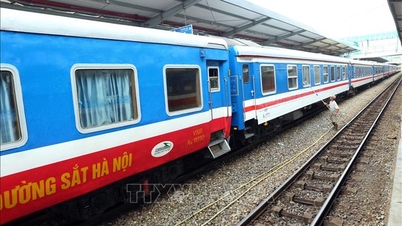
Binh Thuan province has a diverse range of transportation options. Regarding railway transportation, the province is served by the Thong Nhat railway line (Hanoi - Ho Chi Minh City), spanning nearly 175 km across six districts. Additionally, there is a branch line from Binh Thuan Station to Phan Thiet Station, nearly 10 km long, passing through Ham Thuan Nam and Ham Thuan Bac districts and Phan Thiet city, serving passenger and freight transport for the Saigon – Phan Thiet railway line. Furthermore, the province has 176 level crossings between roads and railways, posing numerous traffic safety challenges. Over the years, the Party committee, government, and relevant departments and localities have consistently recognized the position, role, and importance of railway transportation. The province has also contributed to the Ministry of Transport's research and submission to the Prime Minister for the issuance of a Decision approving the overall plan for the development of Vietnam's railway transport sector until 2020, with a vision to 2030; coordinated with the railway sector to relocate the old Phan Thiet Station from the inner city to the outskirts of Phan Thiet city; invested in the construction of 1,937 meters of access roads, eliminating 3 unauthorized crossings over the railway; paid attention to directing the removal of difficulties and obstacles to implement the project to renovate and upgrade essential infrastructure on the Nha Trang - Saigon section; coordinated with the railway management unit to regularly inspect and handle violations of the railway safety corridor, contributing to ensuring railway safety in the province and creating favorable conditions for the province's socio-economic development. Besides the achievements, there are still some limitations, notably: the railway transport infrastructure remains outdated; Some local Party committees, authorities, and functional departments of the province have not been truly determined and decisive in leading and directing the land clearance work for the project to renovate and upgrade essential infrastructure on the Nha Trang - Saigon section; state management of railway safety is still limited, and the situation of people arbitrarily opening trails and crossings over the railway has not been effectively handled; railway traffic accidents still occur. Planning related to railway development lacks connectivity and is not synchronized. The market share and output of railway transport are increasingly declining. The awareness of a segment of the population regarding railway safety is incomplete, and they are still complacent and negligent…
…to take action
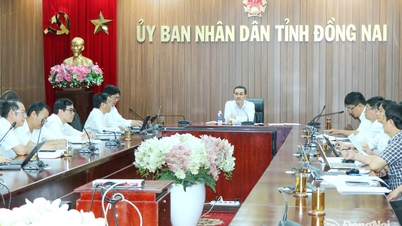
Based on the above situation and the content of Conclusion No. 49-KL/TW of the Politburo on the orientation for the development of Vietnam's railway transport system until 2030, with a vision to 2045; the Standing Committee of the Provincial Party Committee clearly states its viewpoint in the Action Program, which is: To unify the understanding and actions of the entire political system and society regarding the position, role, and importance of railway transport in the socio-economic development process of the province. Strengthening the leadership of Party committees, Party organizations, and government agencies at all levels in leading and directing the coordinated investment and construction of national railway infrastructure, urban railways, especially the North-South high-speed railway, will create important momentum for the province's socio-economic development, leverage advantages on strategic economic corridors, while ensuring national defense and security, protecting the environment, responding to climate change, and contributing to the acceleration of the country's industrialization, modernization, and international integration. Along with that, the overall goal of the Action Program is: To develop a modern and synchronized railway transport system, alongside other modes of transport, contributing to the rapid and sustainable socio-economic development of the province, meeting the national railway transport development goals and requirements. And the specific goals by 2025 are: To coordinate with the Ministry of Transport to strive to complete the investment preparation for the North-South high-speed railway project; prioritizing the completion of compensation and land acquisition to ensure conditions for commencement of construction in the 2026-2030 period for the Ho Chi Minh City - Nha Trang railway line (the section passing through the province); By 2030: To coordinate with the Ministry of Transport to renovate, upgrade, and effectively operate existing railway lines in the province.
To achieve the above objectives, the Standing Committee of the Provincial Party Committee requests that propaganda and education be intensified to raise awareness among Party committees, Party organizations, government agencies, the Vietnam Fatherland Front, political and social organizations, businesses, and the people about the position, role, and advantages of railway transportation, creating unity and high determination in the process of developing railway transportation in the coming time. Continue to review, research, and provide feedback to competent authorities on amending, supplementing, and perfecting the legal mechanisms and policies on land use for railway infrastructure construction and leasing of railway infrastructure within the local authority's jurisdiction. At the same time, effectively implement the central government's mechanisms and policies on railway transportation infrastructure development. Focus on planning urban areas, industrial zones, seaports, tourist areas, and transportation routes connecting to railway lines and stations, creating new development spaces and maximizing the efficiency of railway transport to serve the socio-economic development needs of the province. Strengthen leadership and guidance on compensation and land acquisition for railway projects and the management of railway safety corridors in the province. Proactively prevent, resolutely combat, and strictly handle violations of railway safety corridors; consider and address the responsibility of organizations and individuals for violations in the management of railway safety corridors in the province. Strengthen close coordination between the province and relevant ministries and agencies in the implementation of strategies, plans, and projects; land clearance; and ensuring order and safety in railway transport in the province…
Source

![[Photo] General Secretary To Lam visits the exhibition space showcasing books, photo exhibitions, and achievements of digital transformation in journalism.](/_next/image?url=https%3A%2F%2Fvphoto.vietnam.vn%2Fthumb%2F1200x675%2Fvietnam%2Fresource%2FIMAGE%2F2025%2F12%2F19%2F1766110879215_1766110240024-jpg.webp&w=3840&q=75)
![[Photo] Enchanting ancient rose garden on the mountainside in Nghe An](/_next/image?url=https%3A%2F%2Fvphoto.vietnam.vn%2Fthumb%2F1200x675%2Fvietnam%2Fresource%2FIMAGE%2F2025%2F12%2F19%2F1766109900916_vuon-hong-chin-do-thu-hut-du-khach-toi-check-in-o-ha-noi-3-20162778-1671624890024-1671624890104198100259.jpeg&w=3840&q=75)







































































Comment (0)