

This is also a trend identified in the process of amending the Food Safety Law and building an interconnected national food safety data system.
The above information was unanimously emphasized by managers and experts at the workshop " Applying Digital Transformation in Food Safety Risk Management: From Research to Production and Business Practice " organized by the Vietnam Food Safety Science and Technology Association (VINAFOSA) today, May 27th, at the National Institute for Food Safety Testing.
The workshop connected many important topics: risk management throughout the food chain, input control in agricultural production, application of AI, IoT, Blockchain, modern testing technology, and practical experience from businesses.
According to experts, this is the necessary connection between policy, science, and production and business practices.
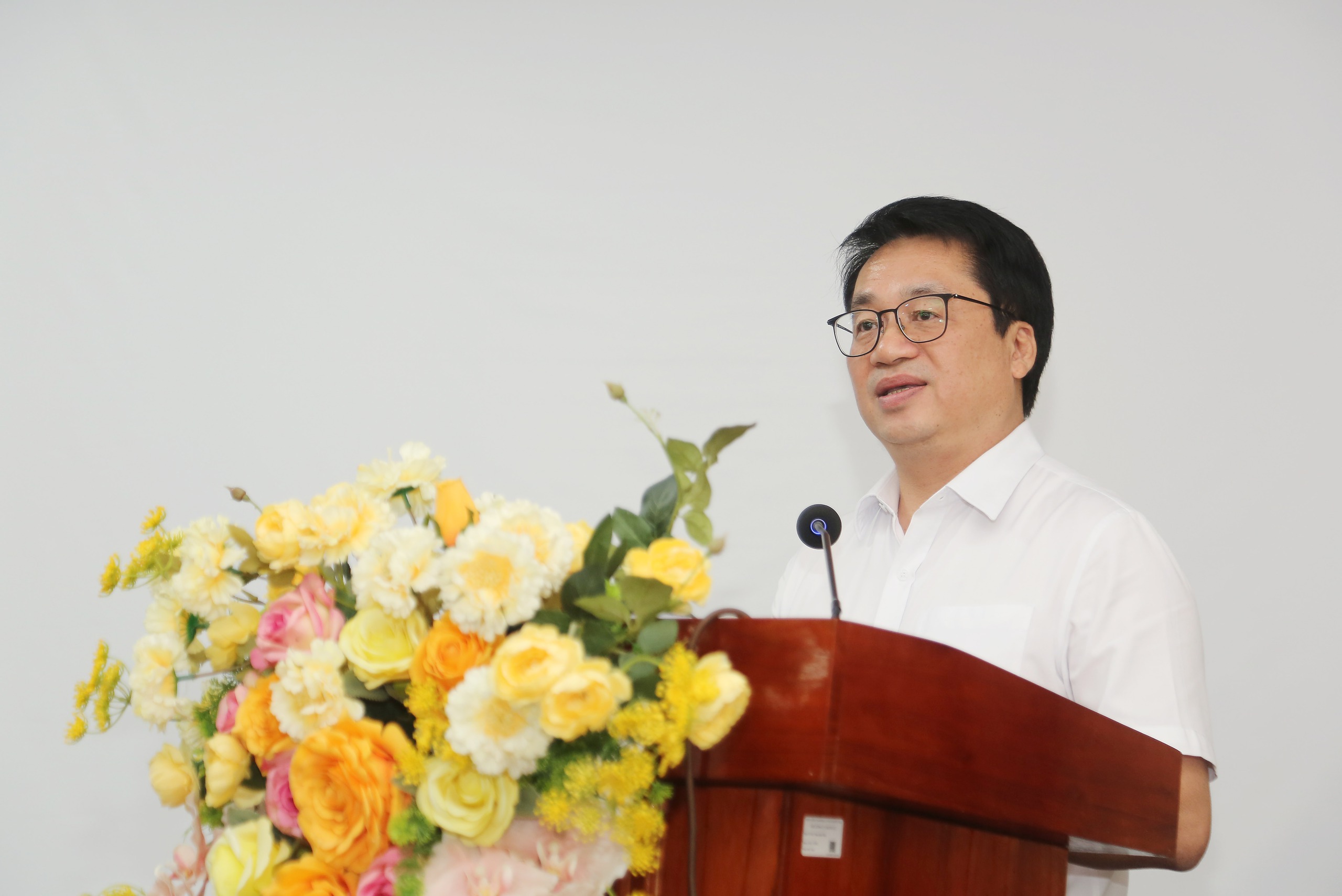
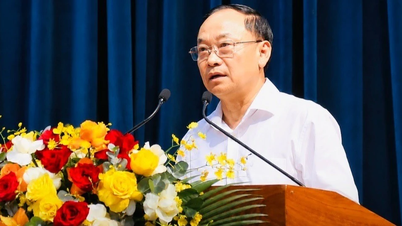
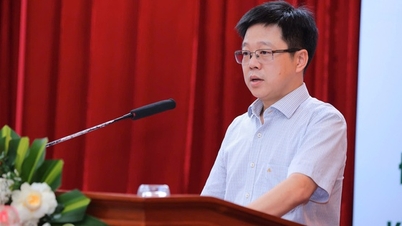
Mr. Bui Duc Lap - Deputy Director of the Food Safety Department ( Ministry of Health ) delivered a speech.
Digital transformation is an essential requirement in food safety management.
Speaking at the workshop, Mr. Bui Duc Lap, Deputy Director of the Food Safety Department (Ministry of Health), said that the workshop's theme was very practical and relevant to the current requirements for management reform, while also closely following the Party and Government's orientation on the development of science and technology, innovation, and national digital transformation.
According to Mr. Lap, Resolution No. 52-NQ/TW of the Politburo on the Fourth Industrial Revolution and Resolution No. 57-NQ/TW on breakthroughs in science and technology development, innovation, and national digital transformation both identify digital transformation as an important driving force for reforming governance methods and developing the country.
Based on that, Decision No. 749/QD-TTg of the Prime Minister on the National Digital Transformation Program has oriented the development of a digital government, digital economy, and digital society, with citizens and businesses at the center.
"This is a crucial foundation for the food safety sector to innovate its management methods towards a modern, transparent, and data-driven approach," Mr. Bui Duc Lap emphasized.

Professor Phan Thi Kim, former Director of the Food Safety Department and former President of the Vietnam Food Safety Science and Technology Association, delivered a speech.
From passive management to proactive prevention
According to the head of the Food Safety Department, in the context of an increasingly expanding food supply chain and the strong development of e-commerce, the risks of food insecurity have also become more diverse and complex.
Therefore, management cannot continue in the traditional way but needs to shift from managing each individual stage to managing the entire supply chain; from passive response to proactive prevention; and from decision-making based on experience to management based on data, risk analysis, and early warning.
This is also an important direction in the current revision of the Food Safety Law, including the development of an interconnected national food safety data information system.
This system aims to digitize data throughout the entire food lifecycle to facilitate traceability, post-inspection, warnings, handling of violations, and data connectivity between ministries, departments, and localities.
According to Mr. Bui Duc Lap, when data is collected, standardized, interconnected, and effectively utilized, it will help improve risk prevention capabilities; increase the efficiency of traceability and recall of unsafe products; create a transparent business environment; and increase consumers' access to information.
"Consumers can look up the origin and quality of products, receive warnings about violations, or request product recalls, thereby enhancing trust in Vietnam's food management system and products," Mr. Lap said.
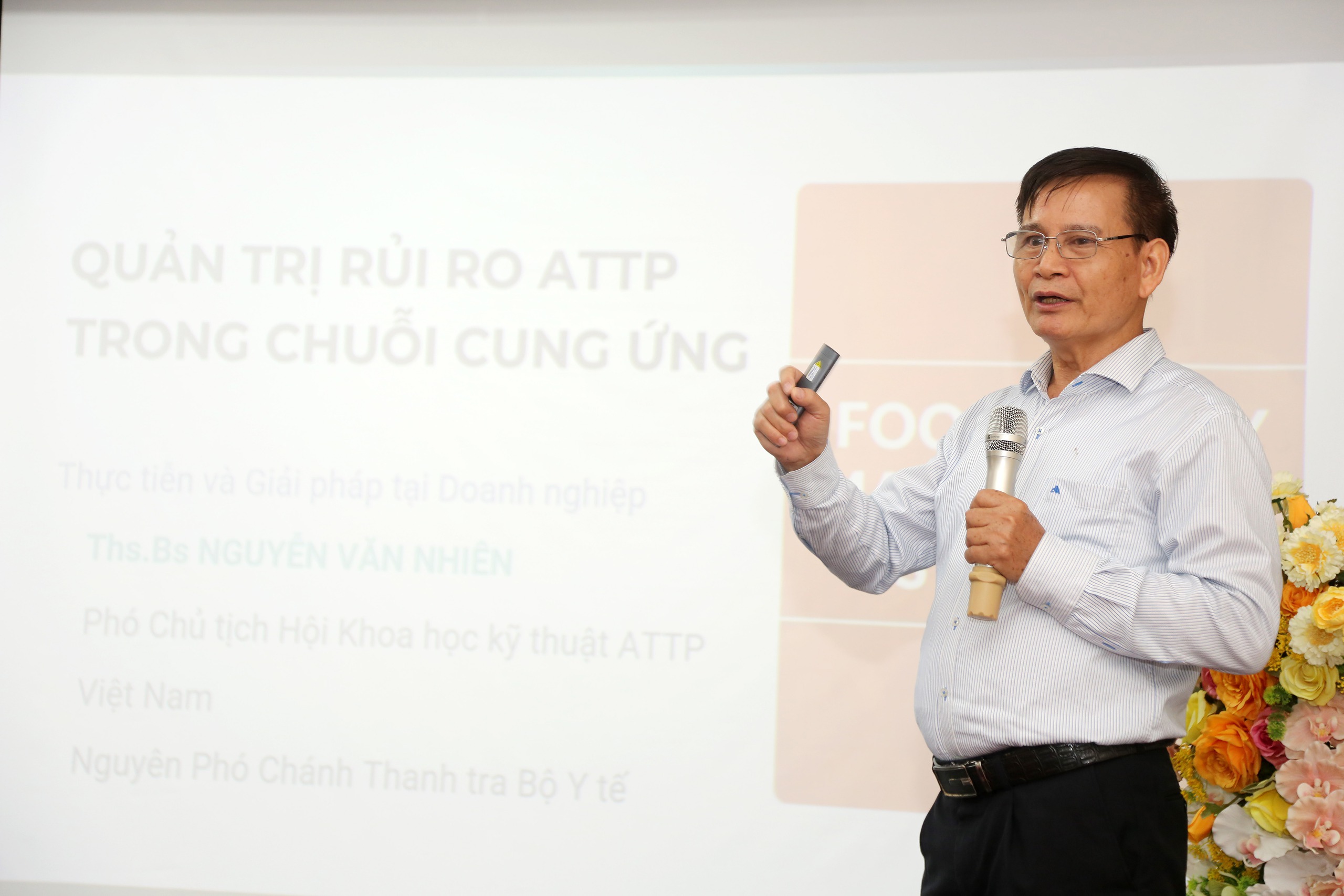
Nguyen Van Nhien, Vice President of the Vietnam Association of Food Safety and Technology, presented a paper at the workshop.
Alongside the opportunities, experts believe that digital transformation in the food safety sector still faces many challenges such as inconsistent technological infrastructure, scattered data, inconsistent connection standards, and increasingly stringent information security requirements.
Furthermore, the digital workforce is limited, especially the participation capacity of small businesses and small-scale producers.
To truly put digital transformation into practice, Mr. Bui Duc Lap believes that a synchronized effort from government agencies, scientists, businesses, and the public is necessary.
In this context, regulatory agencies need to improve institutions, establish data standards, and ensure secure data connectivity and sharing; research institutes and universities should continue to research and transfer appropriate solutions; and businesses should proactively digitize processes and ensure data transparency throughout the entire supply chain.
The leaders of the Food Safety Department expressed confidence that, with the cooperation of all parties, Vietnam will gradually build a modern, transparent, data-driven food safety governance ecosystem that conforms to international standards.
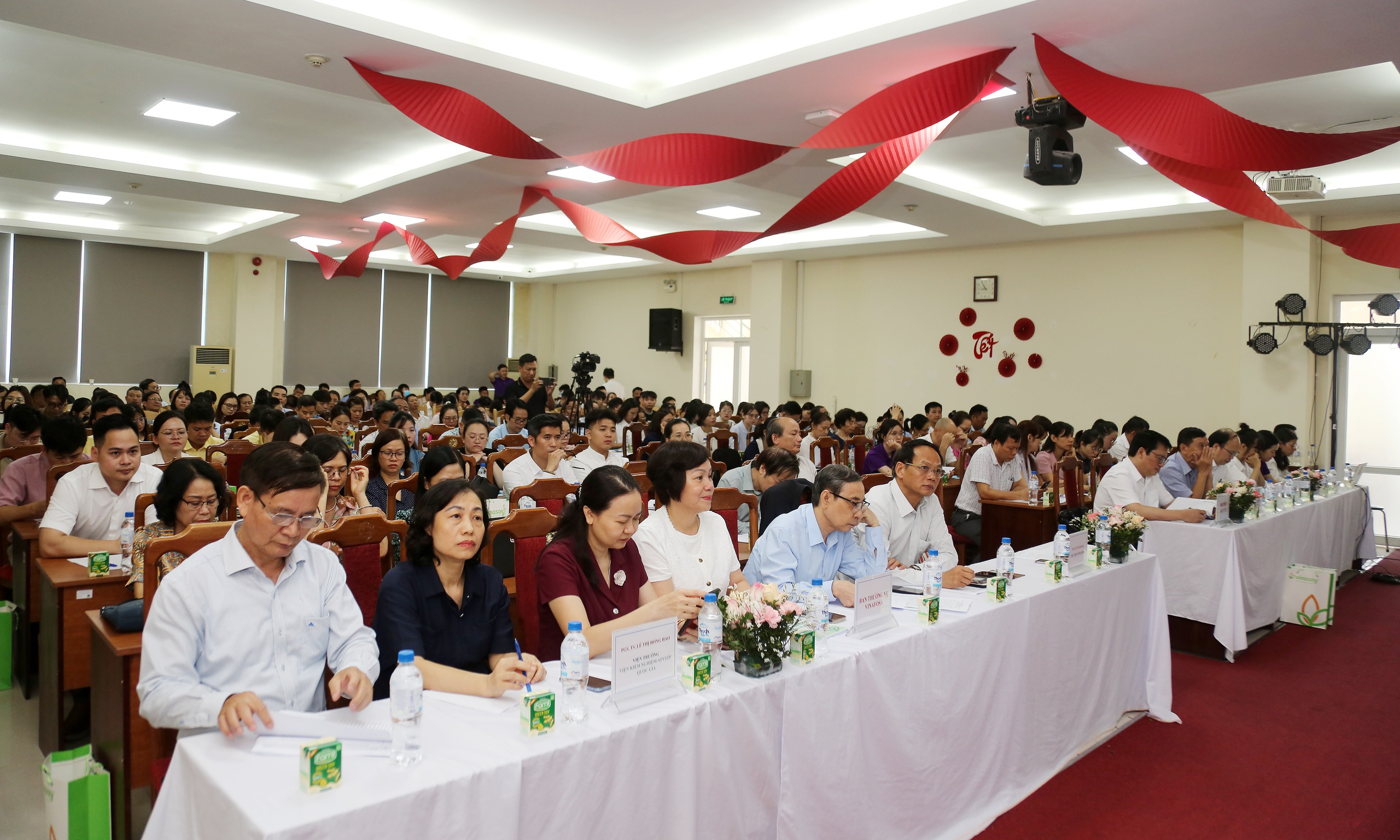
The delegates attending the workshop.
AI, Blockchain, and IoT are being integrated into food safety management.
At the workshop, many presentations focused on the application of digital technology in food quality and safety management.
Representatives from VINAFOSA shared their comprehensive risk management model, covering everything from product research, production, and sales to the recall of unsafe products.
The Department of Food Technology - Vietnam Academy of Agriculture introduces solutions for controlling risks right from the agricultural production stage.
Experts from Hanoi University of Science and Technology and the Vietnam Association of Natural Products presented the opportunities and challenges in managing the quality of natural products with the support of AI.
Meanwhile, the National Institute for Food Safety and Hygiene Testing introduced risk assessment solutions based on modern testing technology.
Notably, the integration of IoT, AI, and Blockchain in food safety management is also analyzed by experts as a key direction of the Fourth Industrial Revolution.
Beyond just presentations, the workshop also included a panel discussion where businesses, experts, and regulatory agencies could exchange ideas and address practical challenges in the digital transformation of product quality management and food safety.

Experts present at the workshop.
Source: https://suckhoedoisong.vn/chuyen-doi-so-de-quan-tri-rui-ro-an-toan-thuc-pham-tu-goc-169260527184727613.htm
![[Image] Pleasant weather helps students enter the 10th grade entrance exam with confidence.](https://vphoto.vietnam.vn/thumb/1200x675/vietnam/resource/IMAGE/2026/05/29/1780034401612_ngay-1-thi-lop-10-minh-duy-8-5009-jpg.webp)

![[Photo] Ba Lang An Lighthouse - the "eye of the sea" amidst the "rock museum" of Quang Ngai province.](https://vphoto.vietnam.vn/thumb/1200x675/vietnam/resource/IMAGE/2026/05/29/1780038698840_anh-man-hinh-2026-05-29-luc-14-10-42.png)


















































































Comment (0)