

"If you want to go fast, go alone; if you want to go far, go together" - this quote by billionaire Warren Buffett serves as a driving force in the journey of expanding the market for Binh Thuan dragon fruit in general and the dragon fruit ecosystem cooperative in particular. With the desire to elevate the value of Binh Thuan dragon fruit on a broader scale amidst many difficulties, people and businesses are forced to adapt to the inevitable trends and increasingly stringent demands of the market.
The support of the Binh Thuan National Assembly Delegation.
“Although the Ecosystem Cooperative is a relatively new cooperative, in a short time it has secured official orders for demanding markets and has gained the support of many farmers in the province who want to join,” shared Mr. Phan Dinh Khiem, Vice Chairman of the Binh Thuan Cooperative Union, unable to hide his joy. This success would not have been possible without the support of the Binh Thuan National Assembly Delegation throughout this period.

It was in early 2022, with great dedication to Binh Thuan's dragon fruit, that National Assembly Deputy Pham Thi Hong Yen – Standing Member of the Economic Committee of the 15th National Assembly – and National Assembly Deputy representing Binh Thuan province, during her meetings with constituents, noted many opinions and concerns from dragon fruit farmers who were facing difficulties in finding markets and rising input costs. Many farmers were forced to cut down their trees or abandon reinvestment in cultivation, leading to economic hardship. The farmers hoped that the National Assembly and relevant agencies would propose policies to support and guide them in developing their agricultural economy. During these meetings, Deputy Pham Thi Hong Yen asked: Why is there often a surplus of dragon fruit in Binh Thuan, making it unsaleable, while people in Hanoi who want to eat dragon fruit don't know where to buy it?
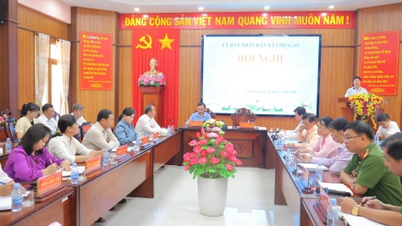
In May 2022, following a field survey of dragon fruit growing areas in Ham Thuan Nam, Ham Thuan Bac, and Bac Binh districts, the Provincial National Assembly Delegation, in coordination with the Provincial People's Committee, organized a workshop to find solutions for the sustainable development of dragon fruit production and consumption in the province. At the workshop, the Provincial Party Secretary and Head of the Binh Thuan Provincial National Assembly Delegation, Duong Van An, emphasized: "We must focus on increasing the value of dragon fruit, not just increasing production volume. We must shift the economic model from quantity to quality, enhancing added value." The Provincial Party Secretary stated that in recent years, the Party and State have always paid attention to and implemented policies on the development of agriculture , farmers, and rural areas. This has helped develop the agricultural sector, making it a pillar of the economy.
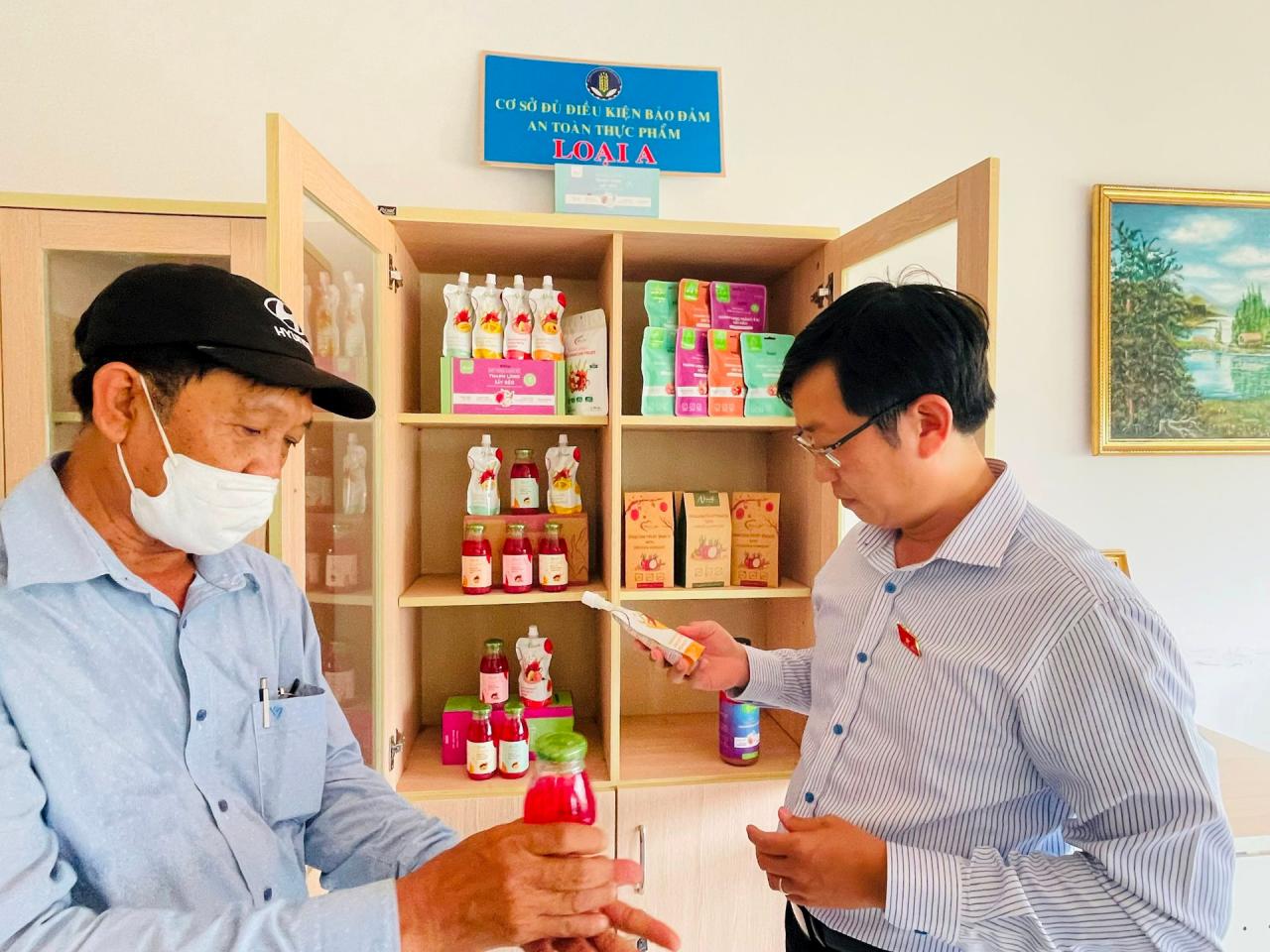
National Assembly Deputy Pham Thi Hong Yen also expressed her wish for farmers and the provincial agricultural sector to maintain the production of clean dragon fruit for the market. First, she proposed solutions to link the supply chain for clean dragon fruit in several domestic markets. Accordingly, the provincial agricultural sector needs to coordinate with relevant units to monitor production. There must be involvement from intermediary organizations connecting farmers with businesses for consumption, as this is a very progressive trend. Immediately after the workshop, the Provincial National Assembly Delegation and the Binh Thuan Cooperative Alliance made efforts to support, mobilize, and act as a bridge to establish the Sustainable Production and Consumption Ecosystem Cooperative for Dragon Fruit. From there, they realized the dream of helping farmers change from traditional production methods to clean and safe production.
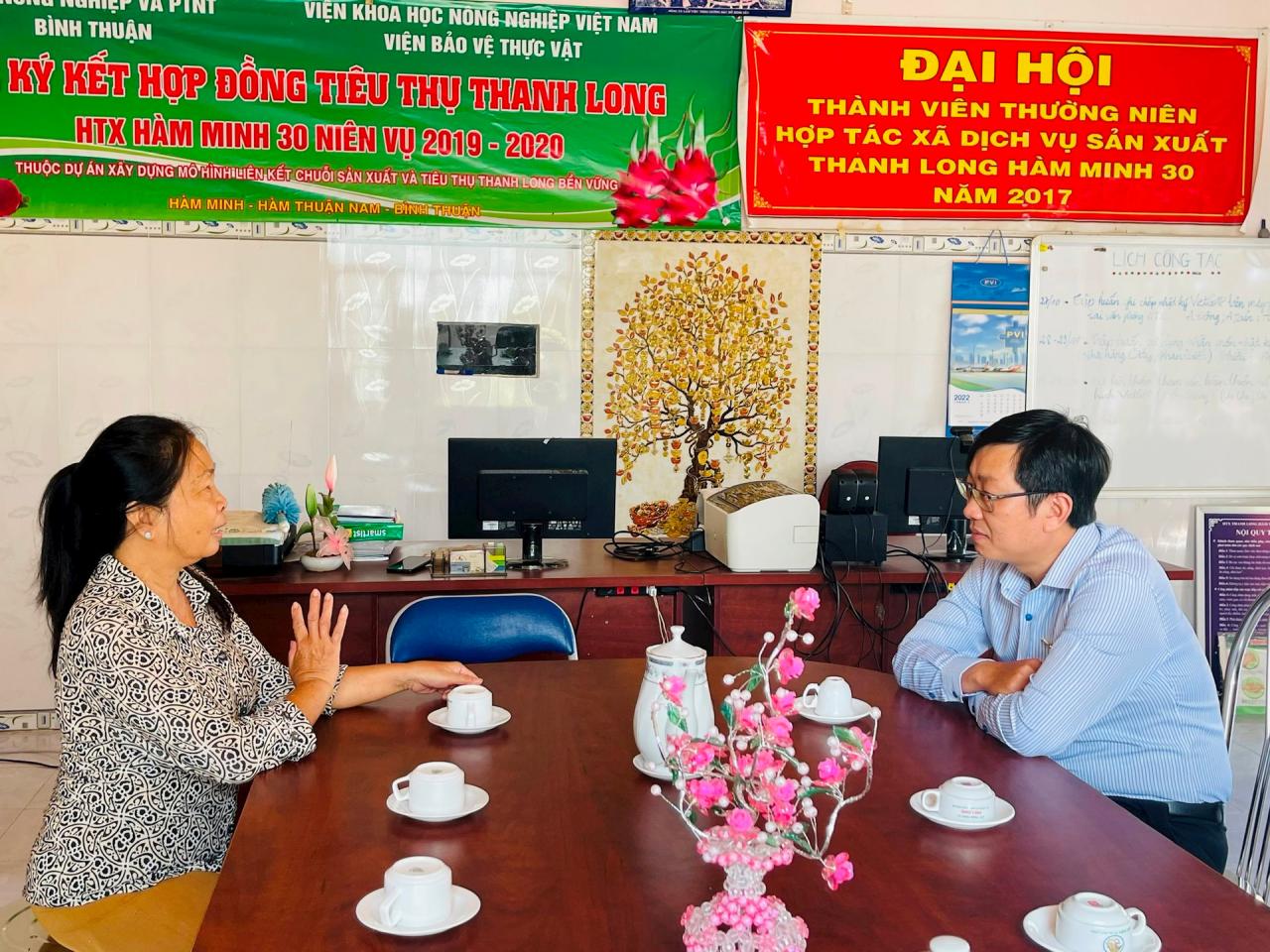
Towards sustainable consumption
As one of the members participating in the ecosystem, Ms. Nguyen Hoang Thu Huong - Hoa Le Clean Dragon Fruit Cooperative (Ham Thuan Bac) shared: Farmers are committed to "working together" to produce and harvest according to the criteria of the Ecosystem Cooperative so that Binh Thuan dragon fruit can enhance its value, have its own path, and not be overly dependent on a single market as before.
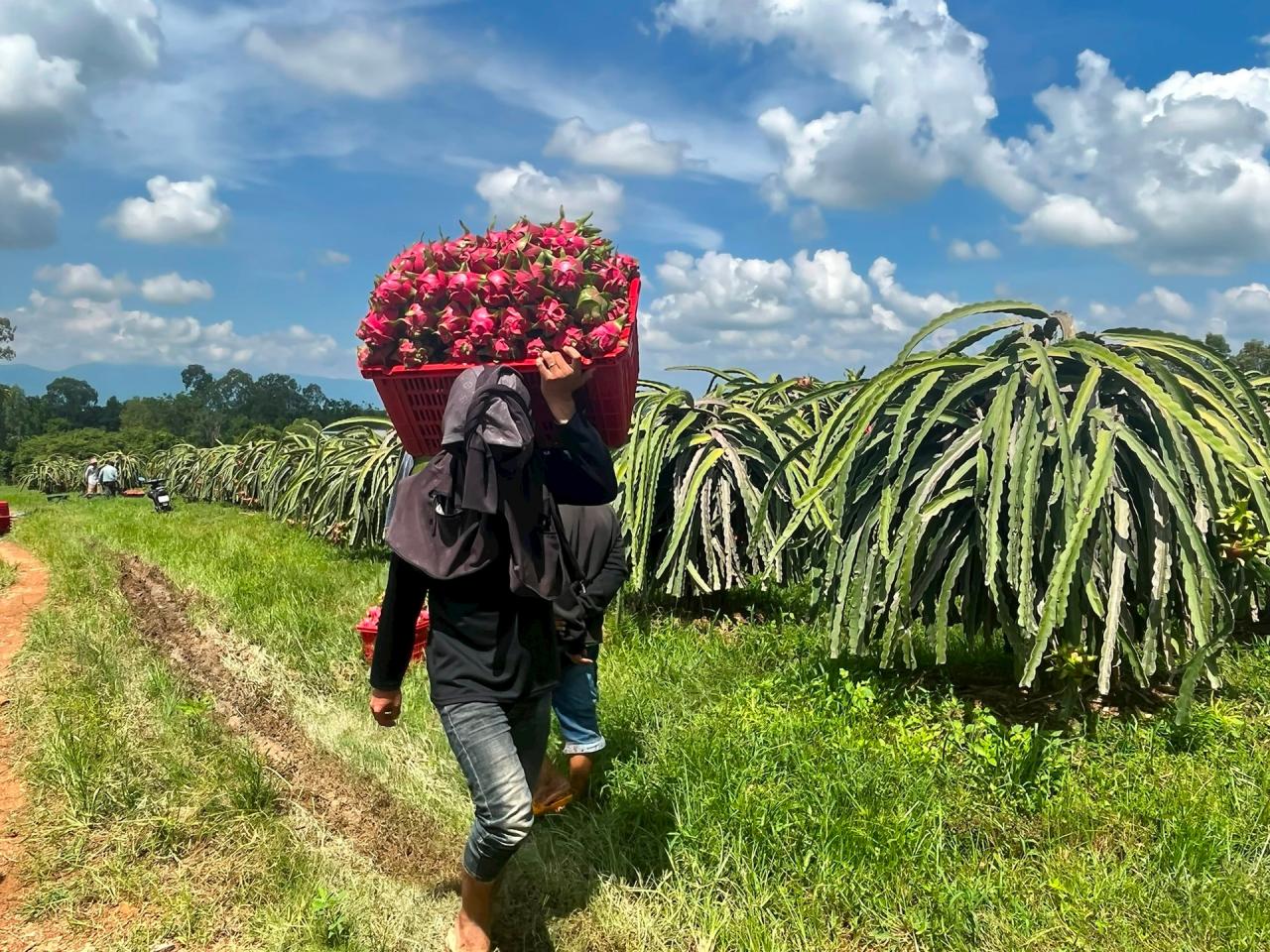
The export shipments from the Ecosystem Cooperative are not the first time Binh Thuan dragon fruit has been exported to demanding markets. However, the volume of official exports in recent years has remained low, failing to ensure sustainability for the province's overall dragon fruit market. Furthermore, in February 2023, China announced it had reached an annual dragon fruit production of 1.6 million tons with an area of 67,000 hectares, 200,000 tons higher than Vietnam, taking the leading position in the world in terms of production. Meanwhile, the Indian government has decided to develop a roadmap to increase dragon fruit cultivation from the current 3,000 hectares to 55,000 hectares within the next five years. This presents a significant challenge, creating intense competition for Vietnamese dragon fruit…
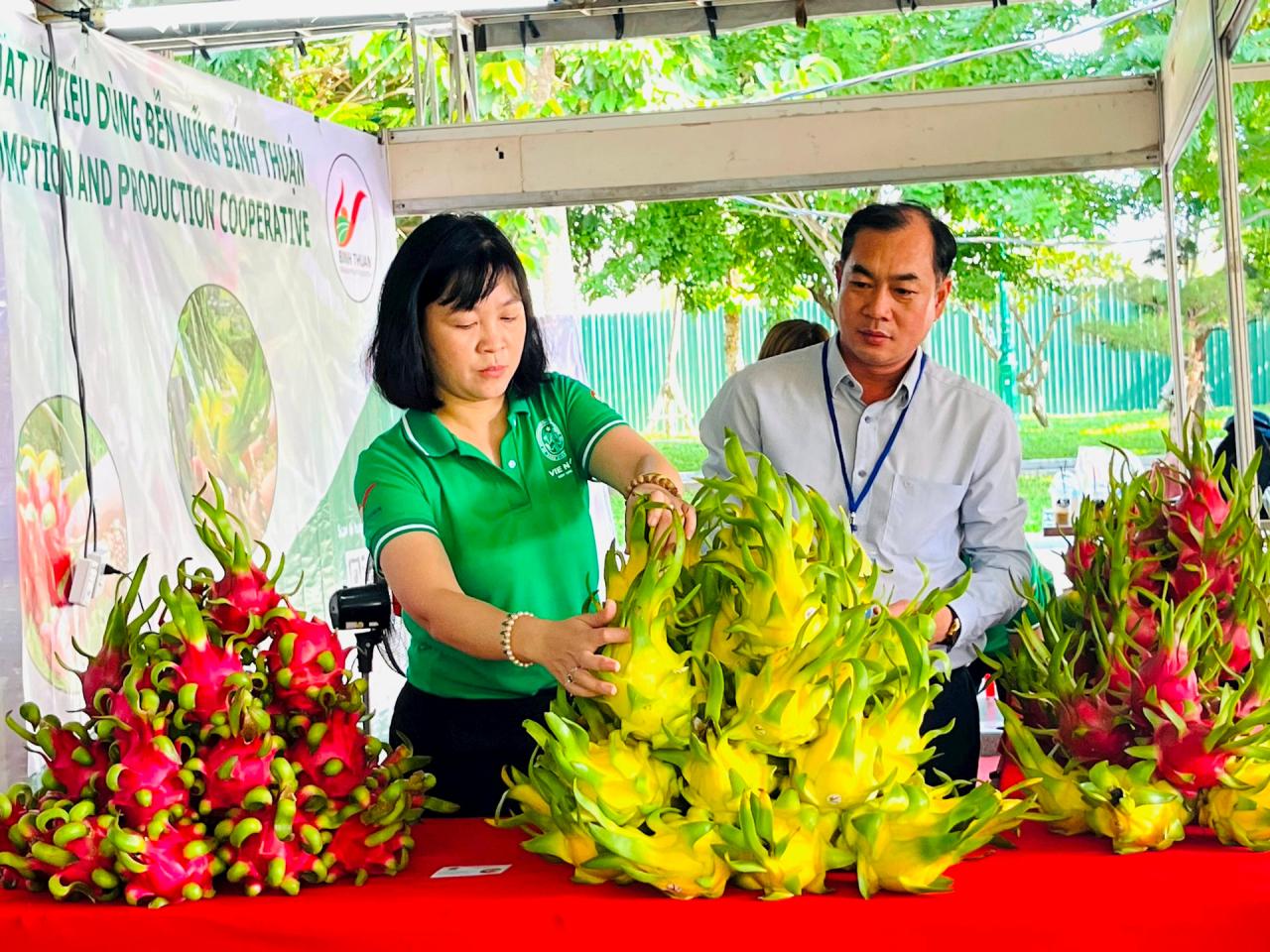
However, this also presents a new opportunity for dragon fruit growers to diversify into the lucrative domestic market, which has long received little attention. Along with this, there is a need to focus on deep processing of dragon fruit. According to a proposal from the Vietnam Fruit and Vegetable Association, in addition to current processing methods, we can research the use of dragon fruit in the production of cosmetics for beauty purposes such as face masks, creams, and essential oils for domestic consumption and export, similar to what some South American countries are doing. The core issue is to focus on reorganizing dragon fruit production in a more in-depth manner, without expanding the cultivated area. When reorganizing production, there must be a systematic process, complying with market regulations such as registering growing areas, packaging facilities, traceability, applying high technology, and moving towards clean, circular production to create high-quality products. Another important factor is that the Binh Thuan dragon fruit brand is being lost among countless other varieties, and the packaging is not yet adapted to long-distance transportation conditions. Therefore, a marketing and brand recognition strategy for Binh Thuan dragon fruit is needed to reposition it in the market.
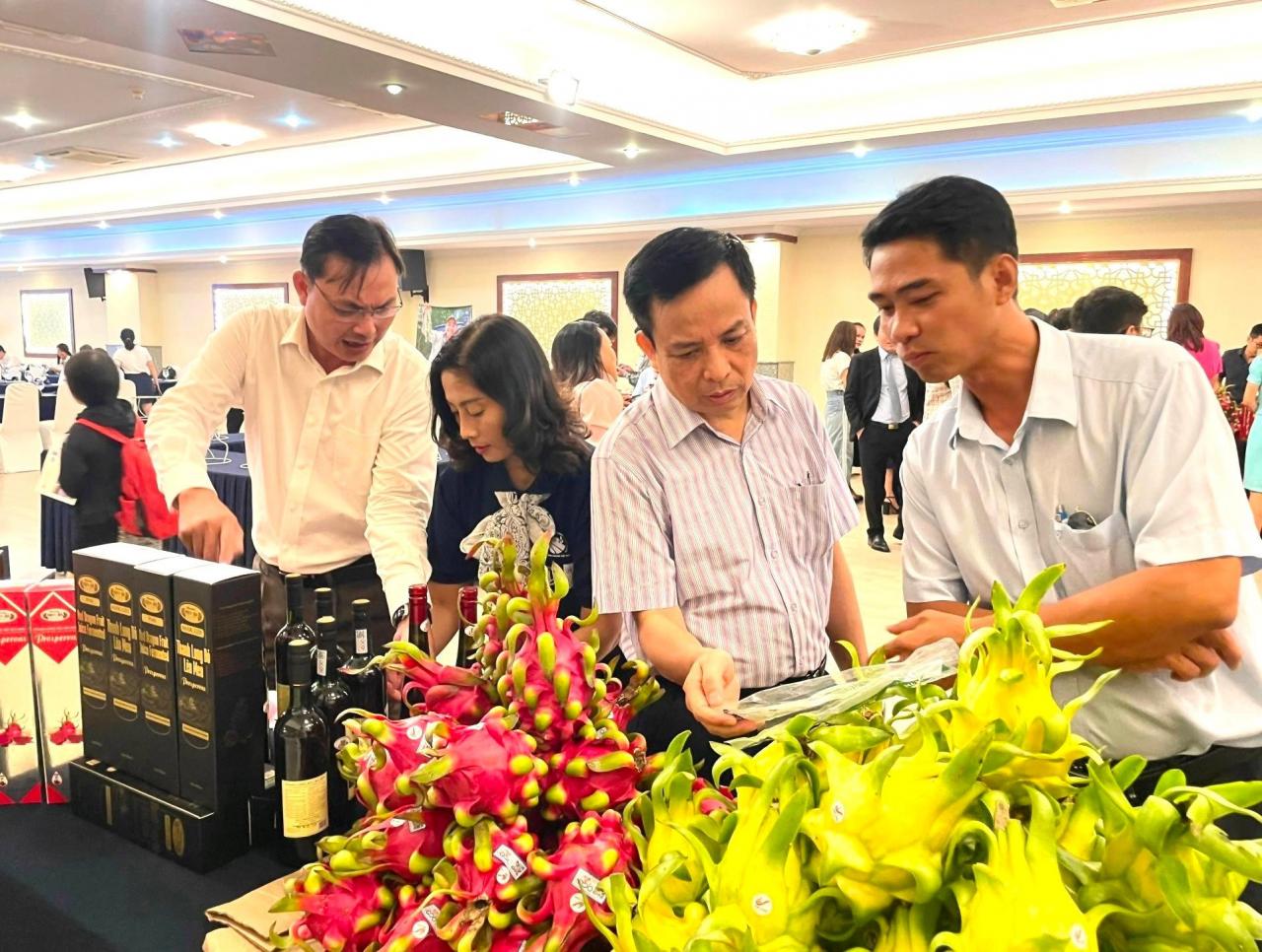
According to the Binh Thuan Cooperative Alliance, the Ecosystem Cooperative was established with the goal of linking all cooperatives throughout the province and dragon fruit farmers to change their production mindset, aiming to create clean, safe products with guaranteed brand recognition. This will enable the cooperative to supply clean dragon fruit not only to the domestic market but also to the global market. In the future, the Cooperative Alliance will select the Ecosystem Cooperative as a bridge to support and build a chain-linked model, with the common goal of enhancing the value of Binh Thuan dragon fruit.
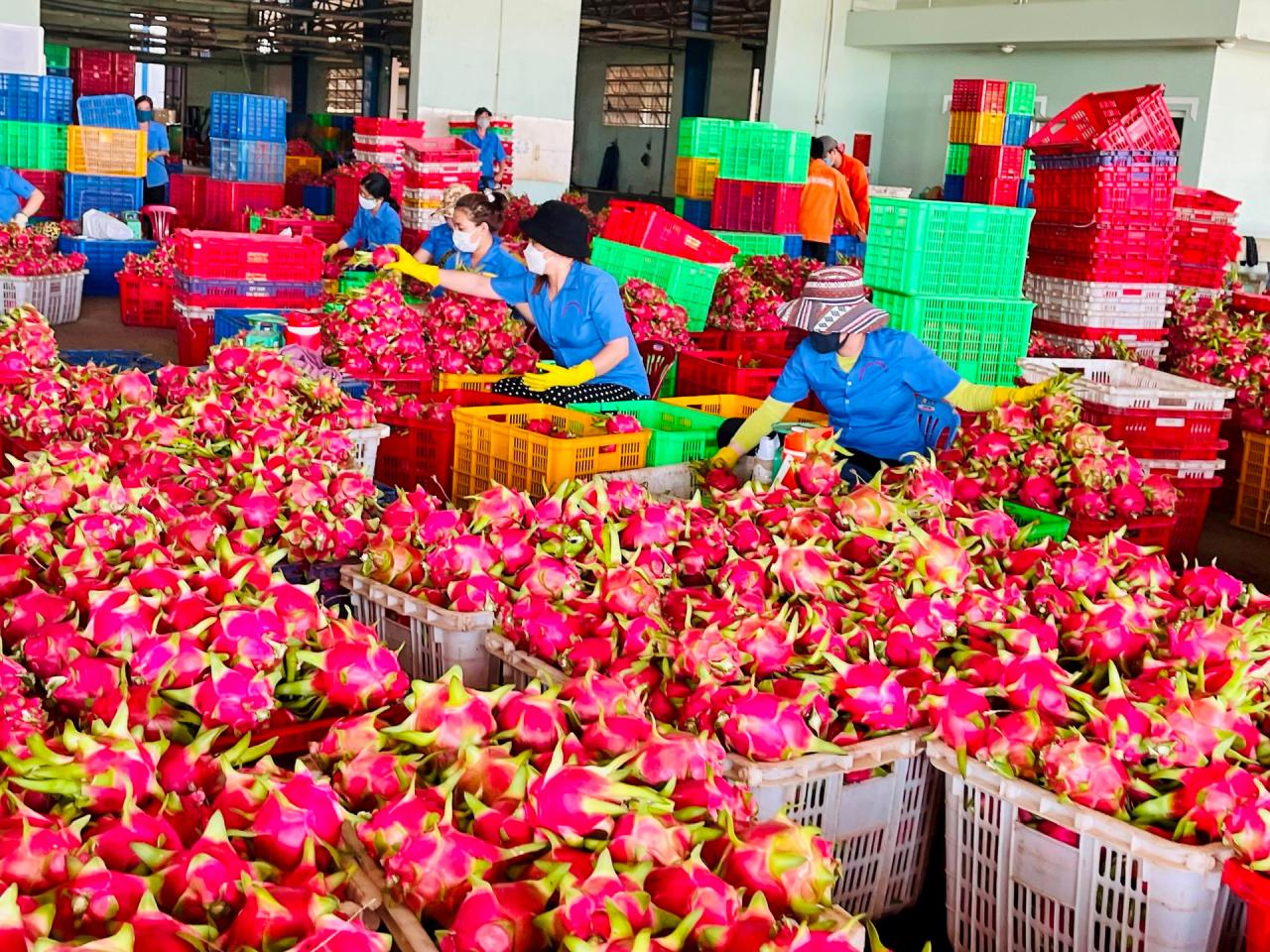
Binh Thuan currently has the largest dragon fruit growing area in the country, with approximately 28,000 hectares and an annual production of nearly 600,000 tons. According to the plan, in the period from 2023-2024, the Ecosystem Cooperative will implement a 100-hectare project with a production of 2,000 tons in Ham Thuan Bac district using organic farming methods, VietGAP, and GlobalGAP. In the period from 2025-2027, the Ecosystem Cooperative will expand to 1,000 hectares with a production of 20,000 tons. To date, 47 households have registered to participate in the ecosystem project, covering approximately 200 hectares, including 7 cooperatives and 2 cooperative groups with nearly 185 hectares producing dragon fruit according to VietGAP and GlobalGAP standards.
According to the Cooperative Union of Binh Thuan Province
Lesson 1: Potential Market for Clean Dragon Fruit
K. HANG - M. VAN
Source




![[Photo] Standing Committee member of the Party Central Committee Tran Cam Tu working with the Central Inspection Committee](https://vphoto.vietnam.vn/thumb/1200x675/vietnam/resource/IMAGE/2026/05/28/1779969579668_ndo_br_bnd-2495-jpg.webp)




















































































Comment (0)