

The increasing popularity of frozen fried rice – a dish with an ironic name (fried but cold) – demonstrates how a way of preparing and enjoying a dish can both deviate significantly from its original concept while still retaining its essence.
On May 9th, the Mainichi newspaper reported that Guinness World Records recognized Honkaku-Itame Cha-Han frozen fried rice as the largest brand in the frozen fried rice product line, selling over 15 billion yen (96.3 million USD) in 2023.
Japan isn't the only country to have a huge success with this product.
Last October, cumulative sales of CJ Bibigo frozen rice products, manufactured in the U.S. by South Korean food giant CJ CheilJedang, surpassed 100 billion won (US$74 million), according to the Korea Herald.
Sales of frozen rice products from Pulmuwon, a domestic competitor of CJ, also increased by 120% in 2023 compared to 2022, according to The Korea Daily.
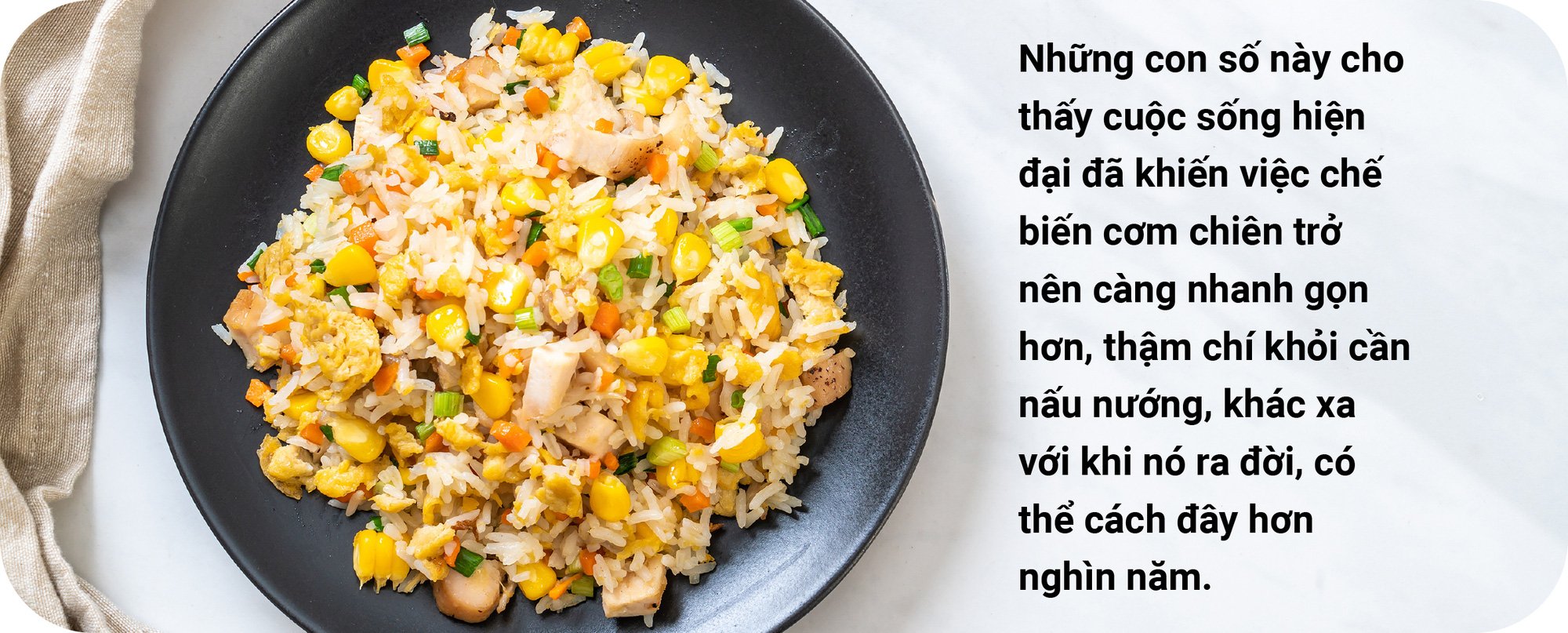
It's safe to say that almost every country where rice is the staple food has fried rice in its cuisine. Just look at the world 's major rice-producing countries like China, India, Thailand, Bangladesh, and of course, Vietnam.

However, according to ifood.tv, many historians agree that fried rice originated during the Sui Dynasty (581-618) of China, specifically in Yangzhou city.
Fans of Yangzhou fried rice will likely not be surprised. It's worth noting, however, that historians haven't yet found sufficient evidence to support this claim.
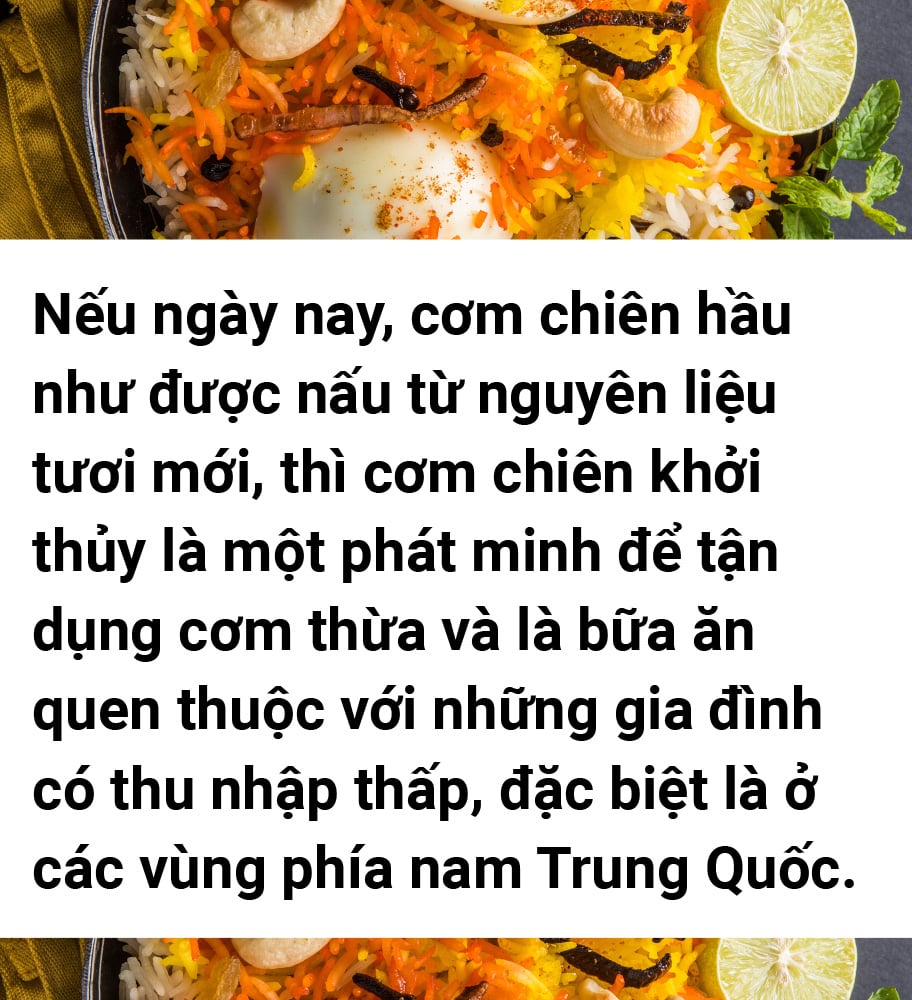
The Daily China reported that the technique of preparing fried rice only became popular towards the end of the Ming Dynasty (1368-1644).
According to recipes.net, migration has brought traditional Chinese cuisine , including fried rice, to every corner of the world.
This dish quickly became popular in other Asian countries such as Thailand, Indonesia, and the Philippines, before spreading to the West, and following Chinese immigrants to the United States and Canada in the 19th century.
Particularly after the American gold rush of the 1850s, Chinese workers were often recruited into low-paying sectors such as agriculture , factories, mining, and railroad construction.
To ease their homesickness, they often cook traditional dishes, with fried rice being a popular and economical choice.
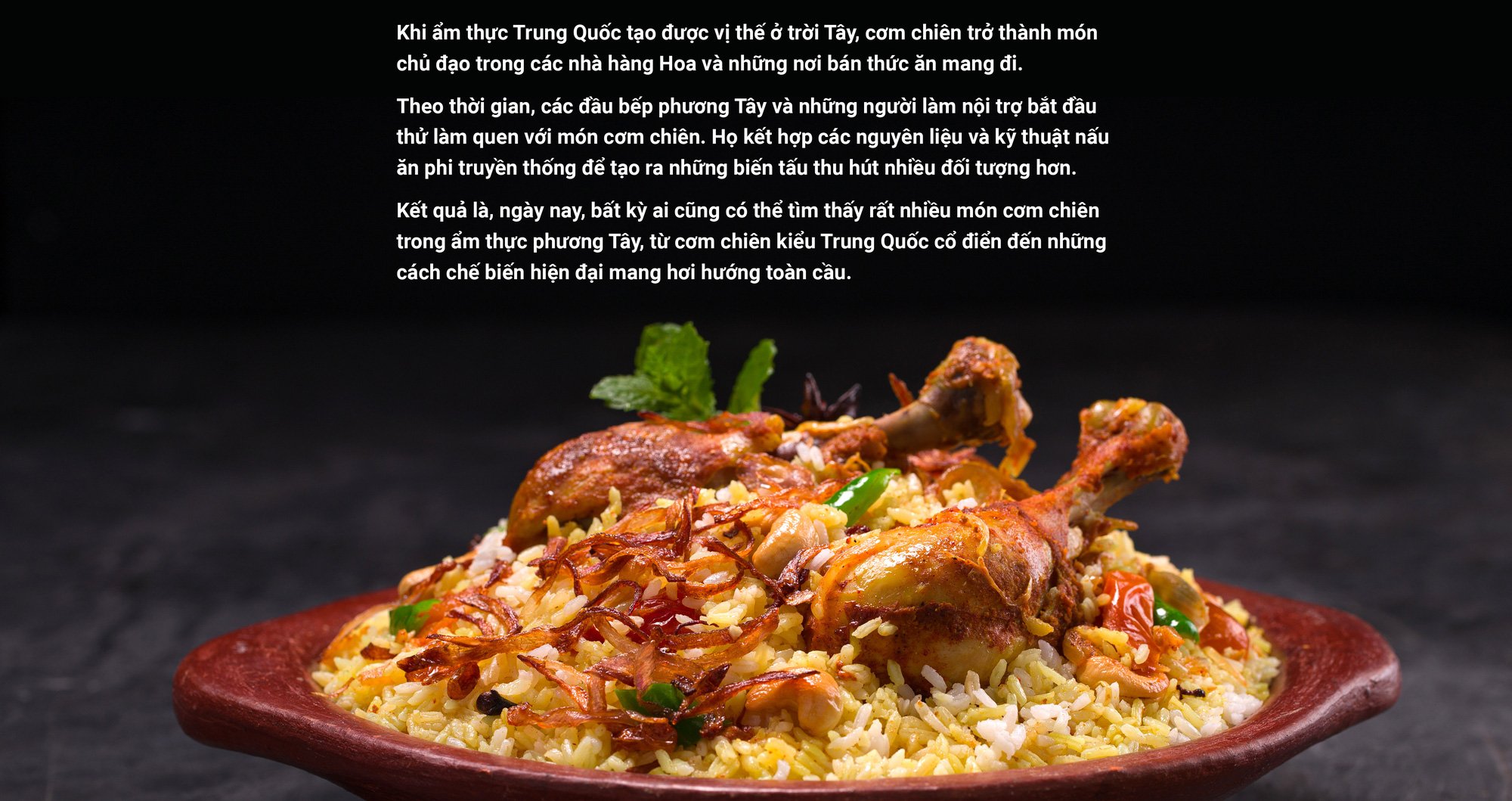

While fried rice is easy to cook and doesn't take hours like many other dishes, in today's world, even a few minutes in the kitchen is torture for those with sudden hunger pangs who don't want to do anything, let alone cook, eat out, or order food delivery.
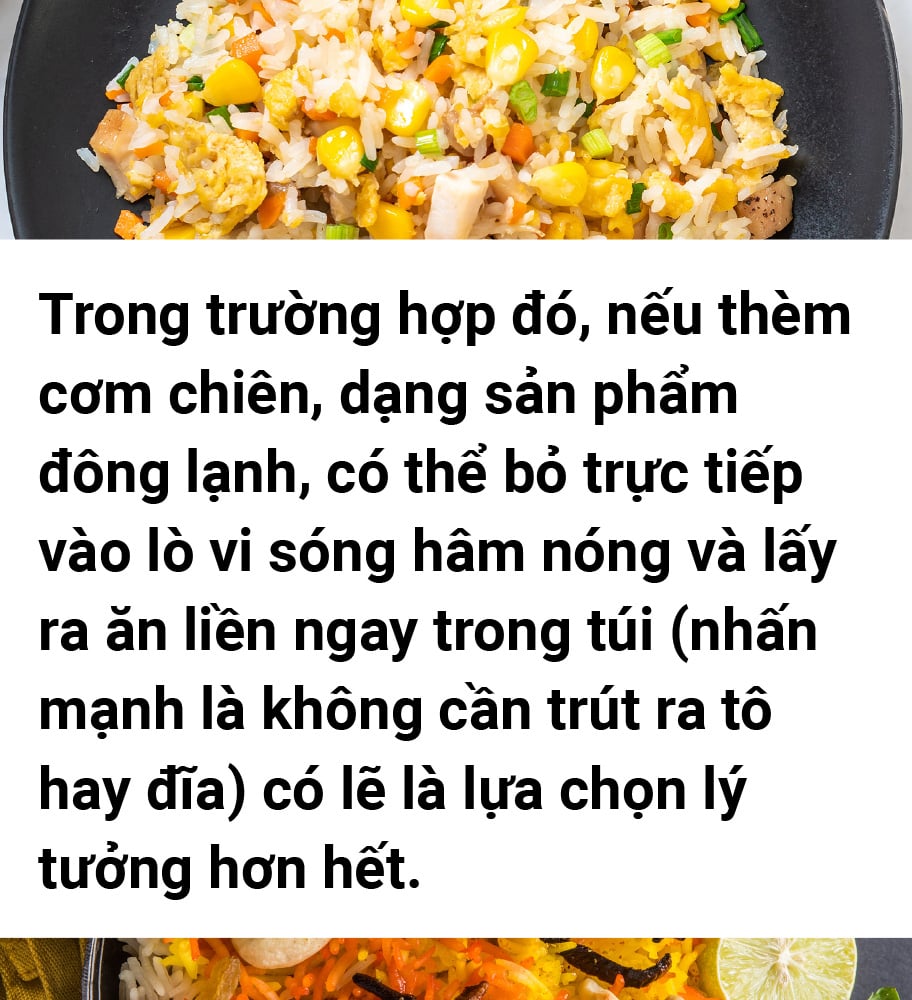
In 2018, a bag of frozen fried rice like that was probably still a pretty novel idea.
While studying in Tokyo, Krista Rogers, an American writer for Sora News 24, tried this dish with skepticism, only to be amazed at how delicious it was.
For Rogers, instant fried rice is just an option for when you're too busy, don't have time to cook, or don't want to go out.
Taste was secondary to convenience; anything to eat was fine. He didn't expect much, but after trying it, Rogers exclaimed that the product was "heavenly delicious" and felt ashamed for having underestimated it.
"If I had to compare its deliciousness to something, it tastes like the piping hot, steaming fried rice you order at a restaurant," she wrote.
Not to mention, in terms of price, a steaming plate of fried rice at a restaurant back then cost around 600 yen (US$5.35), while a bag of Nichirei fried rice sold in supermarkets cost only 299 yen.
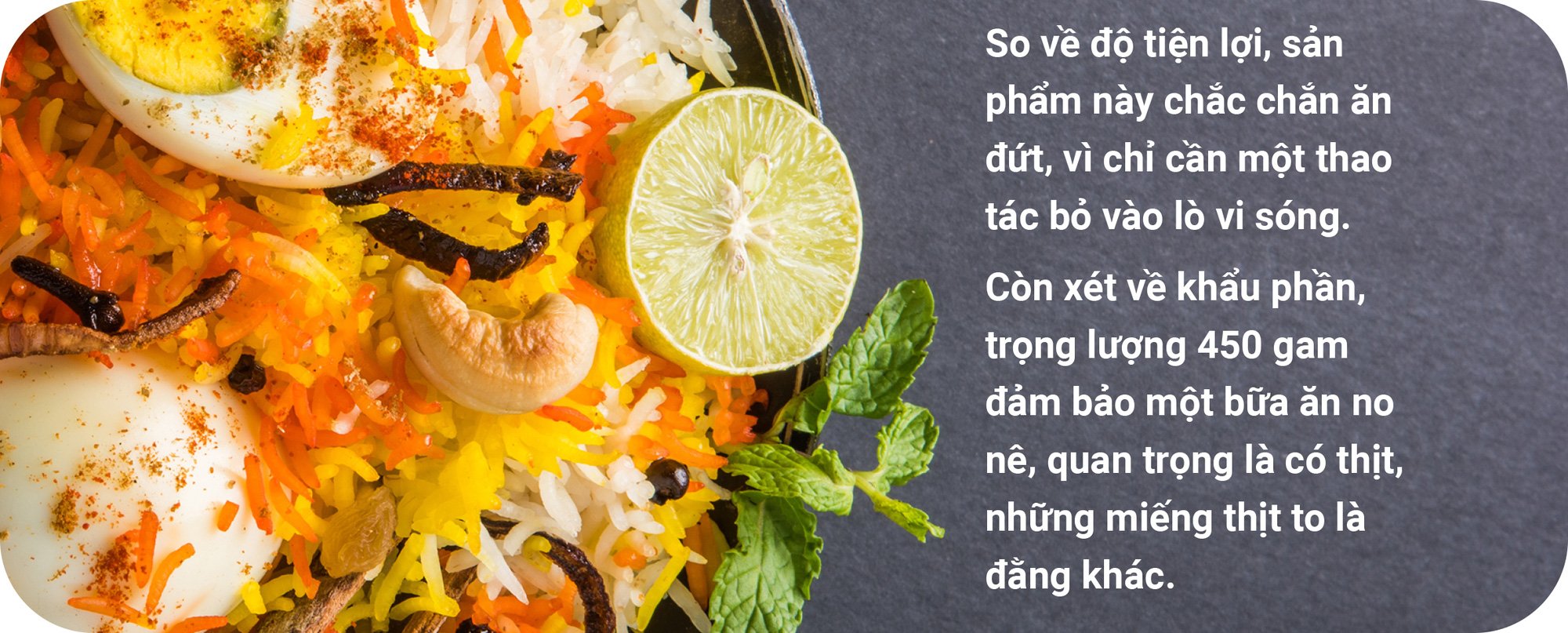
For Rogers, after her first try, frozen fried rice became her favorite food. Every time she enjoys it, Rogers still asks herself, "Is this really frozen food?"
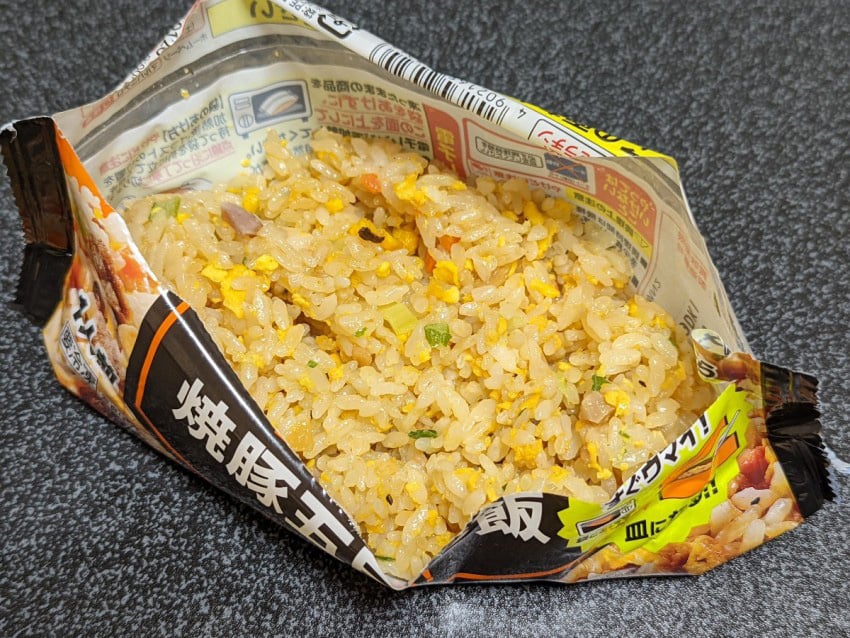
Frozen fried rice pouches from WILDish, a food company in Japan (Maruha Nichiro). Photo: @idomizu
Besides the factors already mentioned, according to The Korea Daily, the frozen form is a convenient way for food companies to customize the flavor of fried rice to suit their target customer segments.
Manufacturers are free to add a wide variety of flavors, significantly increasing the popularity of this dish.
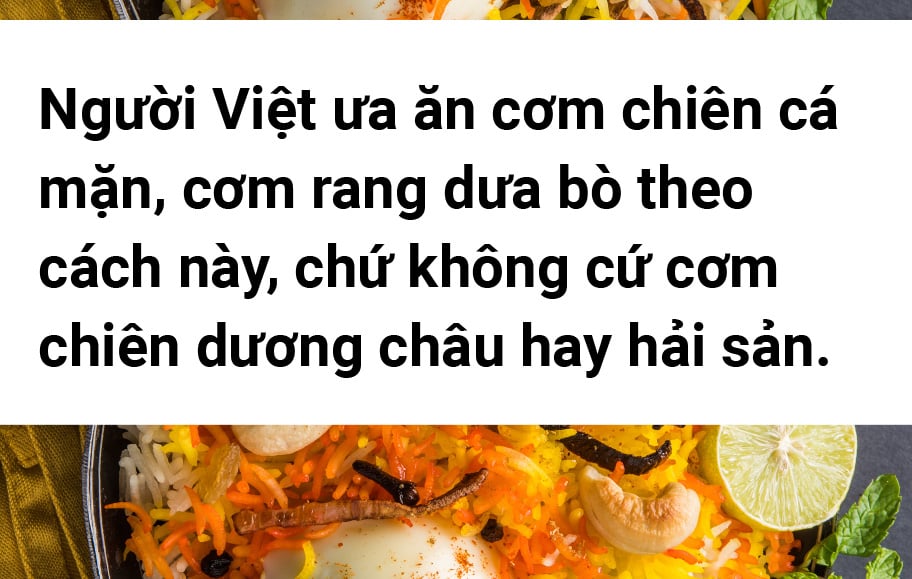
But don't overdo it with the fun. Last year, a widely circulated video showed how to make fried rice with Oreo cookies.
The steps are simple: heat oil in a pan, add Oreo cookies and stir-fry until they're crushed, then add rice, vegetables, and soy sauce and fry as usual.
After being posted, the video was heavily criticized and seen as yet another attempt to "create a trend" of unhealthy eating habits.
According to the Washington Post, the wave of 1 million Chinese immigrants to South America between 1847 and 1874 introduced fried rice to Peru.
Patricia Palma, an expert on Peruvian history and the Chinese community in Peru at the University of Tarapacá in Chile, said that about 100,000 people in that wave had arrived in Peru.
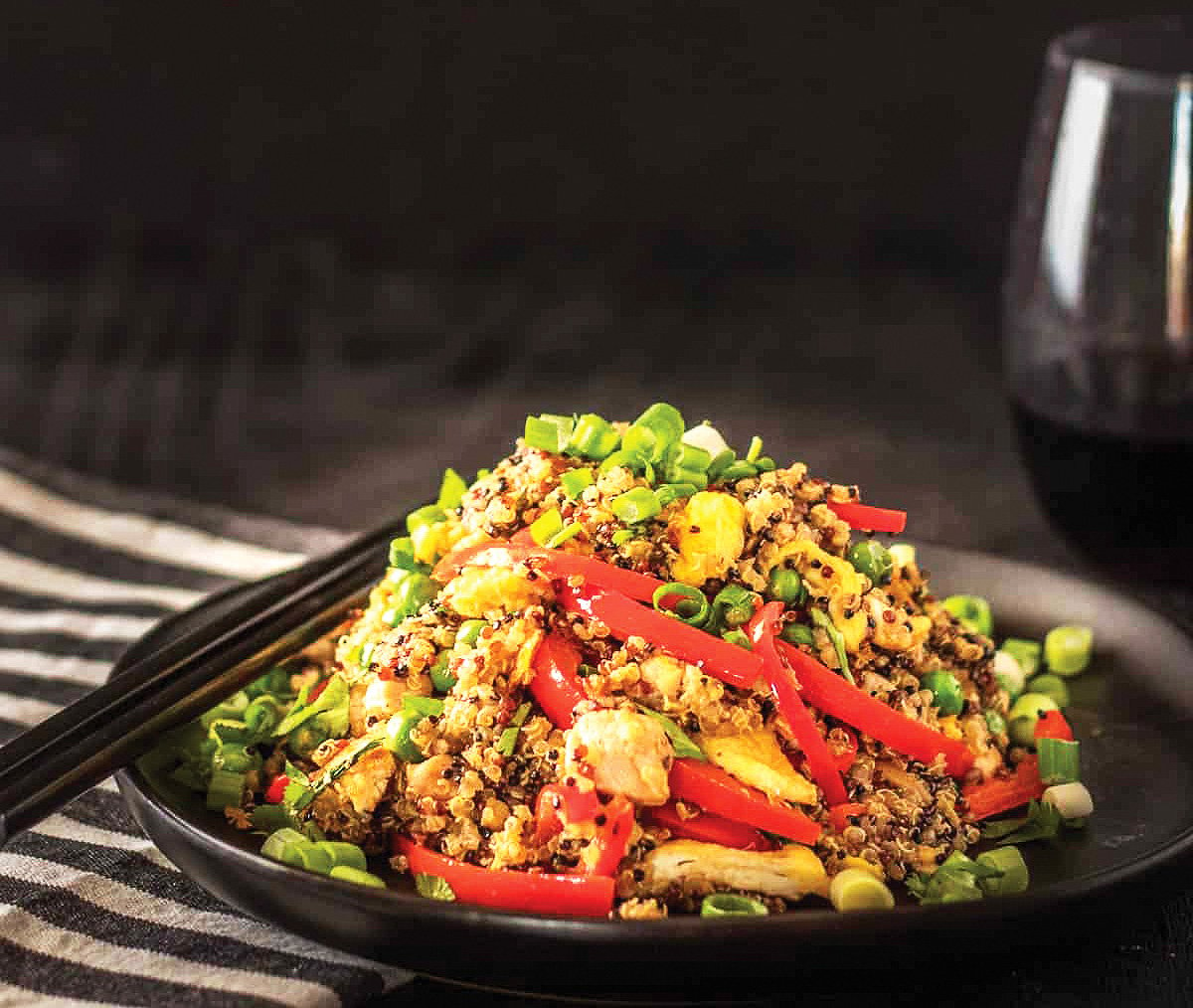
Chaufa with quinoa. Photo: beyondmeresustenance.com
They worked under semi-slave conditions in exchange for food, rice, vegetables, and dried meat. With no other options than these ingredients, they created a Peruvian version of Chinese fried rice, called chaufa.
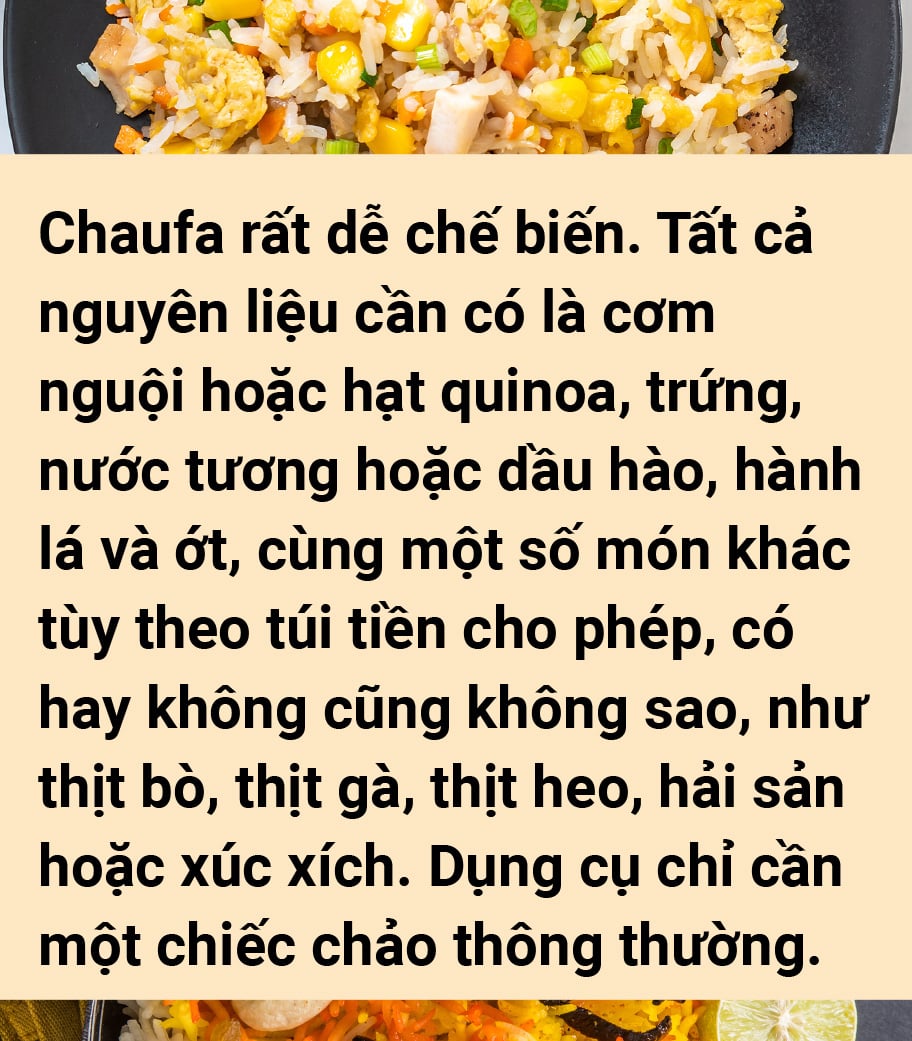
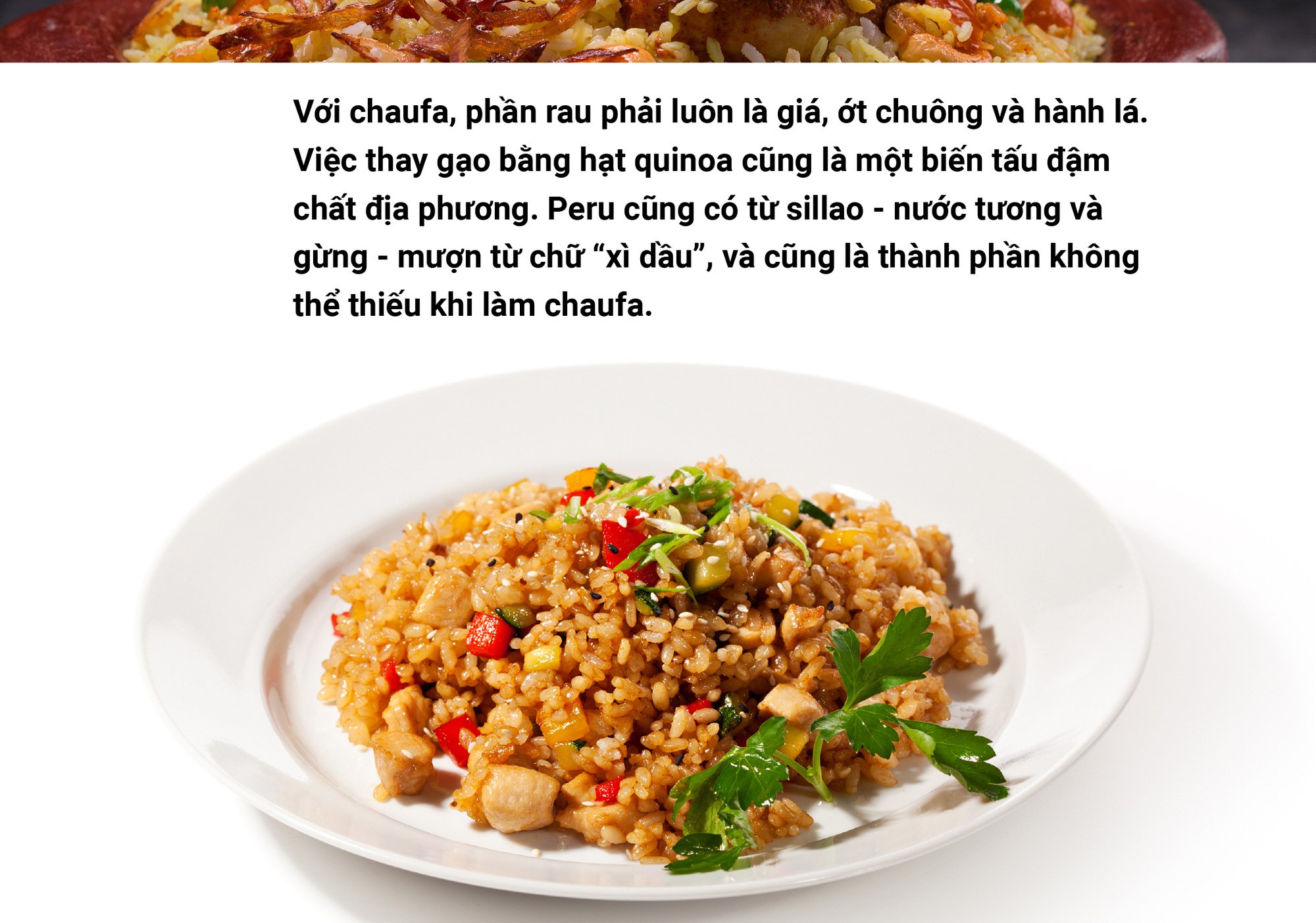
The ease of preparation and versatility are part of the reason why chaufa has become a hallmark of Peruvian culinary tradition.
While not denying the dish's origins, Peruvians consider chaufa to be a national dish, a quintessential Peruvian delicacy, worthy of representing their local cuisine.
Along with ceviche, a type of raw seafood "cocktail," "chaufa is one of Peru's most iconic dishes," according to Mauricio Chirinos, Peruvian chef working at Pisco y Nazca restaurant in Washington, D.C.
Chirinos points out the difference in chaufa: American fried rice often uses peas and chopped carrots, but "we never use those ingredients."
When opening their Peruvian Express restaurant, also in Washington DC, brothers Julio and Fernando Postigo (from Bolivia) wanted to include on the menu "something distinctly Peruvian, a quintessential Peruvian dish, but not too complicated or time-consuming to prepare."
Their final choice, needless to say, was chaufa. And it's always been the restaurant's best-seller, as they excitedly told the Washington Post.
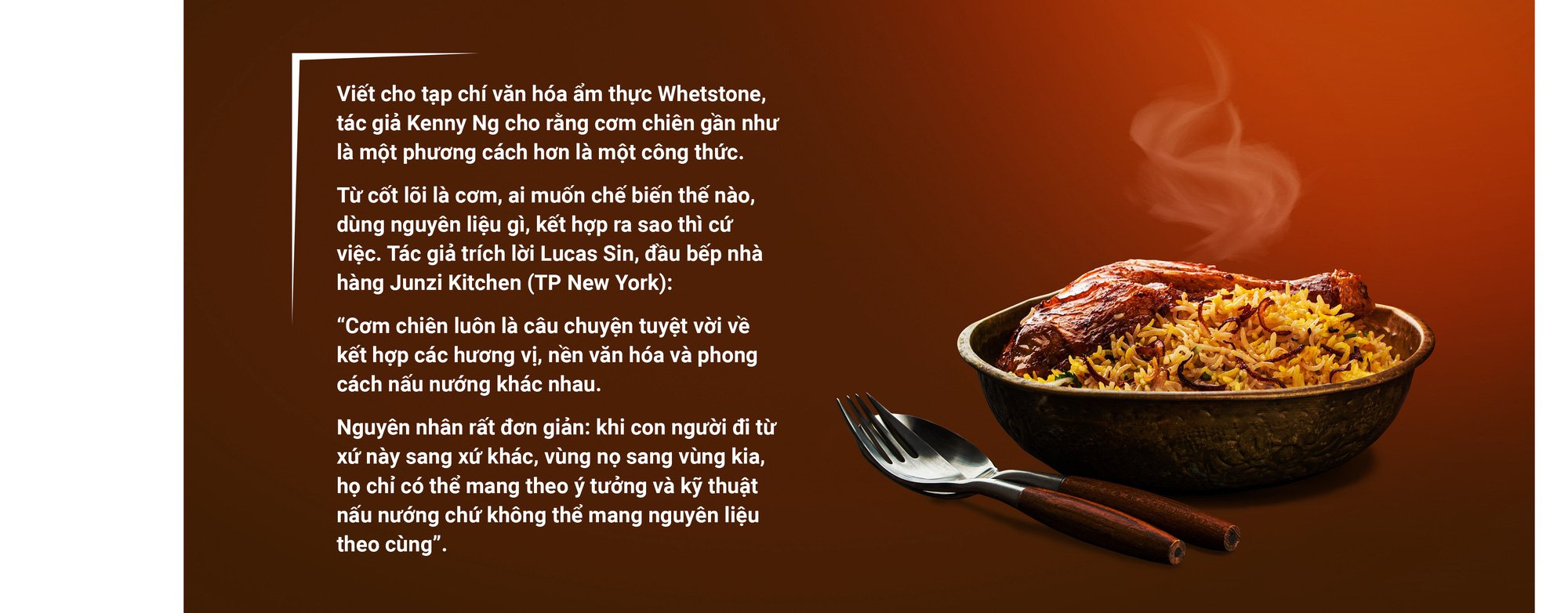
Source: https://tuoitre.vn/com-chien-di-khap-muon-phuong-khong-ngung-bien-tau-20240520134024802.htm
![[Photo] First session of the 14th Congress of the Vietnam Trade Union](https://vphoto.vietnam.vn/thumb/1200x675/vietnam/resource/IMAGE/2026/06/03/1780465947883_ndo_br_img-3852-jpg.webp)

![[Photo] Secretary of the National Assembly Party Committee, Chairman of the National Assembly presides over the meeting of the Standing Committee and Executive Committee of the National Assembly Party Committee.](https://vphoto.vietnam.vn/thumb/1200x675/vietnam/resource/IMAGE/2026/06/03/1780480353201_ndo_br_bnd-2585-jpg.webp)
![[Photo] General Secretary and President To Lam presides over a meeting with the Central Organizing Committee.](https://vphoto.vietnam.vn/thumb/1200x675/vietnam/resource/IMAGE/2026/06/03/1780482764658_a1-bnd-4741-3342-jpg.webp)





































![[Video] Sunset at Lap An Lagoon – Where the sun sets over the fishing nets](https://vphoto.vietnam.vn/thumb/1200x675/vietnam/resource/IMAGE/2026/05/31/1780192137701_beach-landscape-sea-water-nature-grass-745871-pxhere-com.jpeg)


















Comment (0)