

I am 32 years old and have dry skin, which makes me look older than my age, less youthful, and difficult to care for and apply makeup to. Am I deficient in any nutrients? What should I eat to better moisturize my skin? (Thanh Thảo, Ho Chi Minh City)
Reply:
The skin is the largest organ in the human body, acting as a protective barrier against external threats such as chemicals, temperature, and bacteria. The skin contains nerve receptors capable of sensing touch and pain.
Dry skin is a common condition affecting people of all ages. It can cause discomfort, sometimes leading to dermatitis that is painful or itchy, impacting both health and appearance.
This condition can be caused by underlying medical conditions, but it can also be due to improper skincare and nutritional supplementation. For pathological causes like keratosis pilaris and psoriasis, it's important to consume anti-inflammatory foods to help reduce the symptoms of the immune system's reaction. The Mediterranean diet, which includes skim milk, whole grains, nuts, plenty of green vegetables, and ripe fruits, is considered beneficial and suitable for patients with psoriasis and eczema. Foods with anti-inflammatory properties often contain high levels of polyphenol antioxidants, which are abundant in plants.
To minimize dry skin, you should prioritize the following foods and nutrients:
Water : In addition to ensuring adequate nutrition, drinking enough water is crucial in your daily diet. Adequate water intake helps the body eliminate toxins through urine and also contributes to supple, radiant skin. You should aim to drink about 2 liters of water daily, preferably plain water along with fruit juices from fruits rich in nutrients beneficial for dry skin.
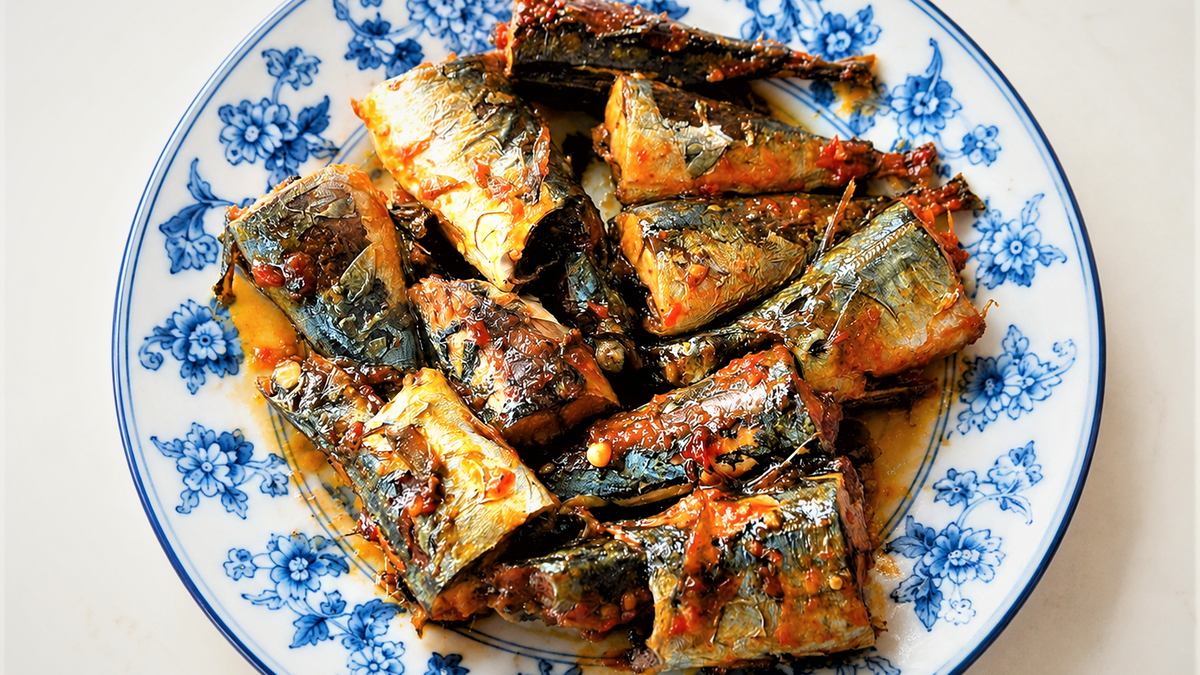
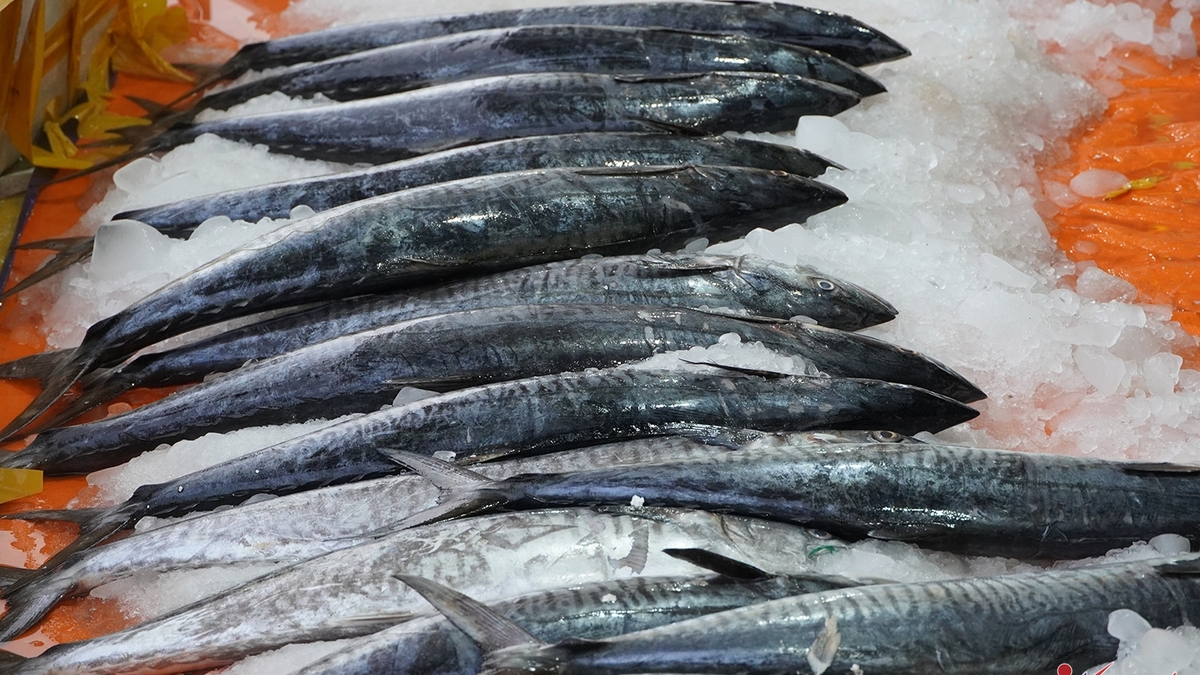
Healthy fats : These are essential fatty acids that the body cannot synthesize on its own, and the only way to obtain them is through daily food intake. Healthy fats are found in fatty fish, nuts, etc., which help keep the body healthy, reduce inflammatory responses, and alleviate dry skin.
B vitamins : B vitamins are not only known for their nerve-calming properties but also for their benefits to the skin. Scientific studies in dermatology show that B vitamins improve keratinocytes, which make up over 90% of the cells in the outermost layer of the skin (epidermis). B vitamins minimize natural water loss from the skin and affect human fibroblasts, helping to improve skin texture and firmness. B vitamins are abundant in salmon, leafy green vegetables, liver and organ meats, eggs, milk, oysters, mussels, legumes, chicken, yogurt, etc.
Vitamin C: This nutrient, found abundantly in fruits and vegetables, is excellent for skin health. Vitamin C helps boost collagen production, preventing dehydration, increasing elasticity, reducing dryness, and avoiding skin inflammation.
Vitamin E : This vitamin has many antioxidant properties that protect the skin. It is also an essential vitamin for hormones, helping to increase and maintain collagen production, reducing dry and sagging skin aesthetically. Vitamin E is abundant in nuts, spinach, olive oil, and whole grains.
Doctor Tran Thi Tra Phuong
Nutrihome Nutrition Clinic System
Source link
![[Image] "Journey of Hope" promotes the organ and tissue donation movement in Vietnam.](https://vphoto.vietnam.vn/thumb/1200x675/vietnam/resource/IMAGE/2026/05/20/1779294400833_1-8910-jpg.webp)

![[Photo] General Secretary and President To Lam works with the Party Committee of the Ministry of Health on the work of Vietnamese traditional medicine.](https://vphoto.vietnam.vn/thumb/1200x675/vietnam/resource/IMAGE/2026/05/20/1779294323718_a1-bnd-2978-3319-jpg.webp)



































































































Comment (0)