

The Resolution of the 4th Congress of the Dak Glong District Party Committee, term 2020-2025, identified two strategic breakthroughs: developing agriculture towards commodity production using high technology, linking markets, and effectively utilizing all resources to sustainably eradicate poverty.
Developing high-tech agriculture
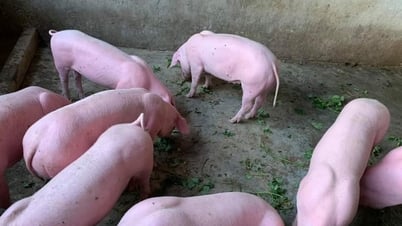
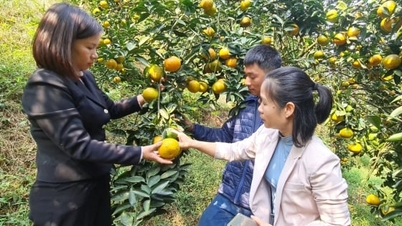
To date, the proportion of agricultural production value using technology in the district has reached approximately 40% of the total agricultural production value. Of this, the proportion of high-tech application in crop production is about 35%, and in livestock farming about 48%.
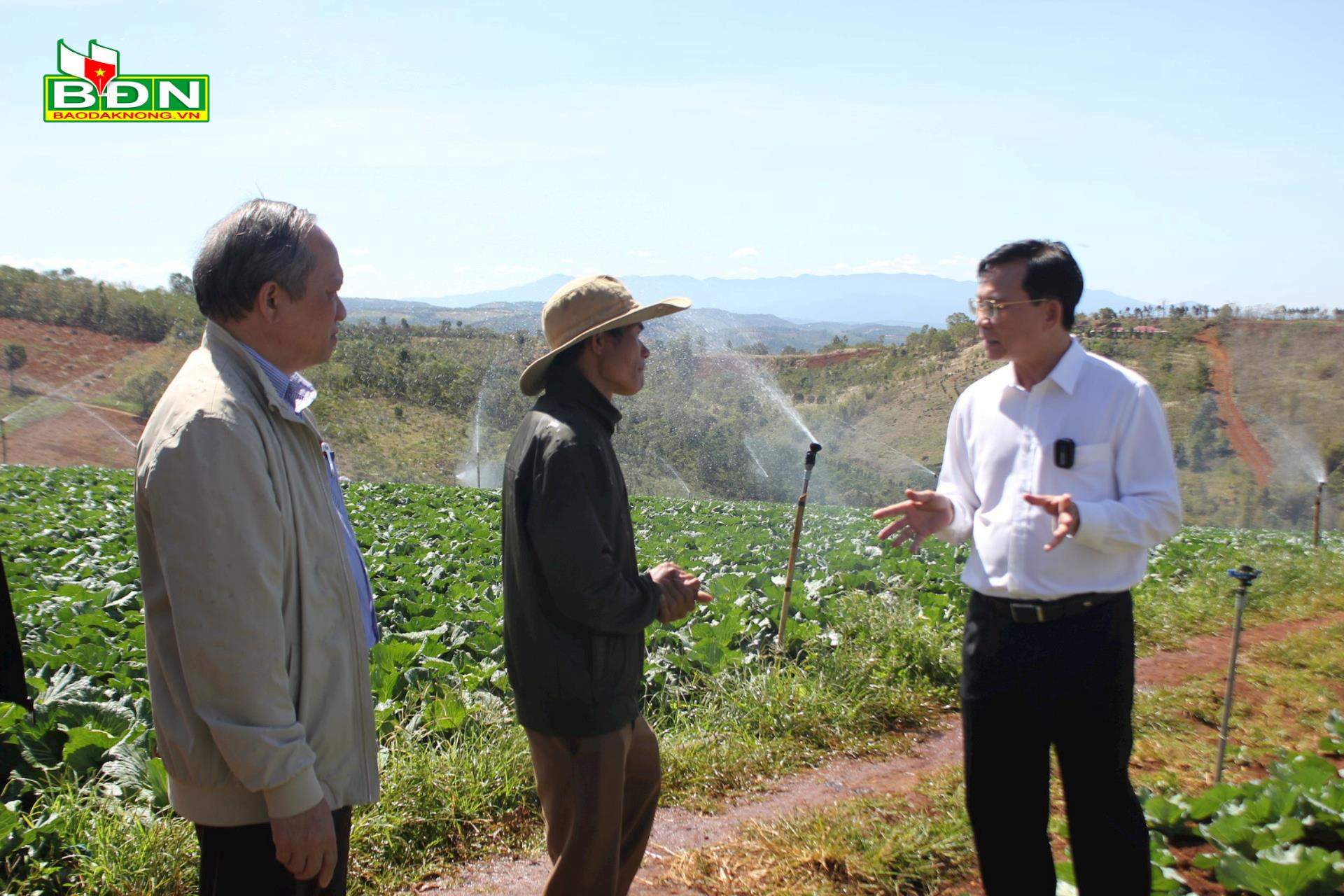
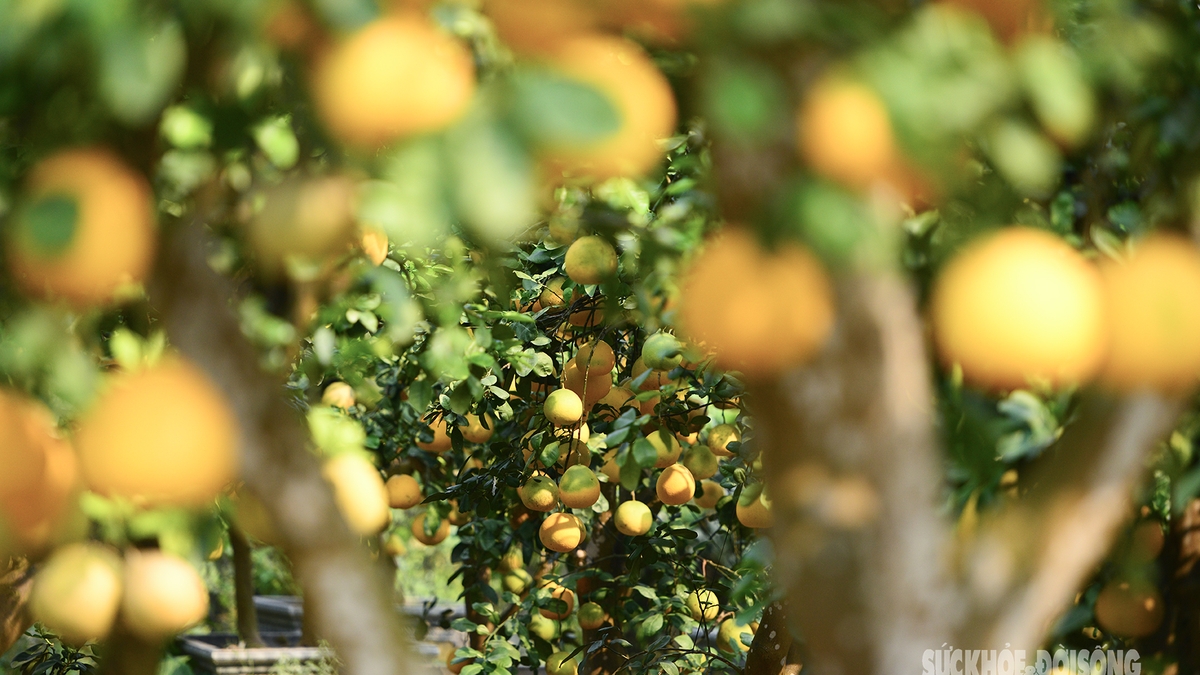
The total value of products per hectare of cultivated land in the locality currently reaches at least 100 million VND/year. This result is thanks to the district's focus on planning and developing high-tech agricultural production areas in the fields of crop cultivation, livestock farming, safe vegetable and fruit production areas, and concentrated livestock and poultry farming areas.
Training and certification programs in high-tech agriculture are implemented annually. Many officials, businesses, cooperatives, organizations, and individuals are equipped with knowledge in agricultural production. In particular, the training courses focus on promoting the benefits and effectiveness of high-tech agriculture.
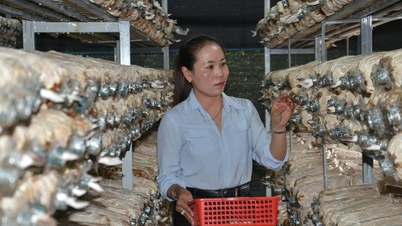
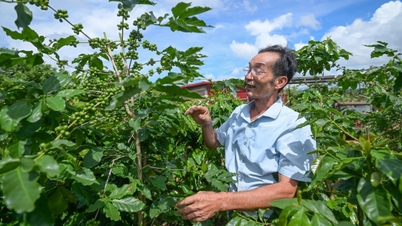
The district is actively developing and expanding high-tech agricultural models linked to production and consumption chains. Currently, several agricultural cooperatives have been established in the area, linking farmers in the cultivation, preliminary processing, and processing of coffee and medicinal herbs. Specifically, these include Danofarm Cooperative, Dai Dong Tien Cooperative, and An Phuc Khang Cooperative.
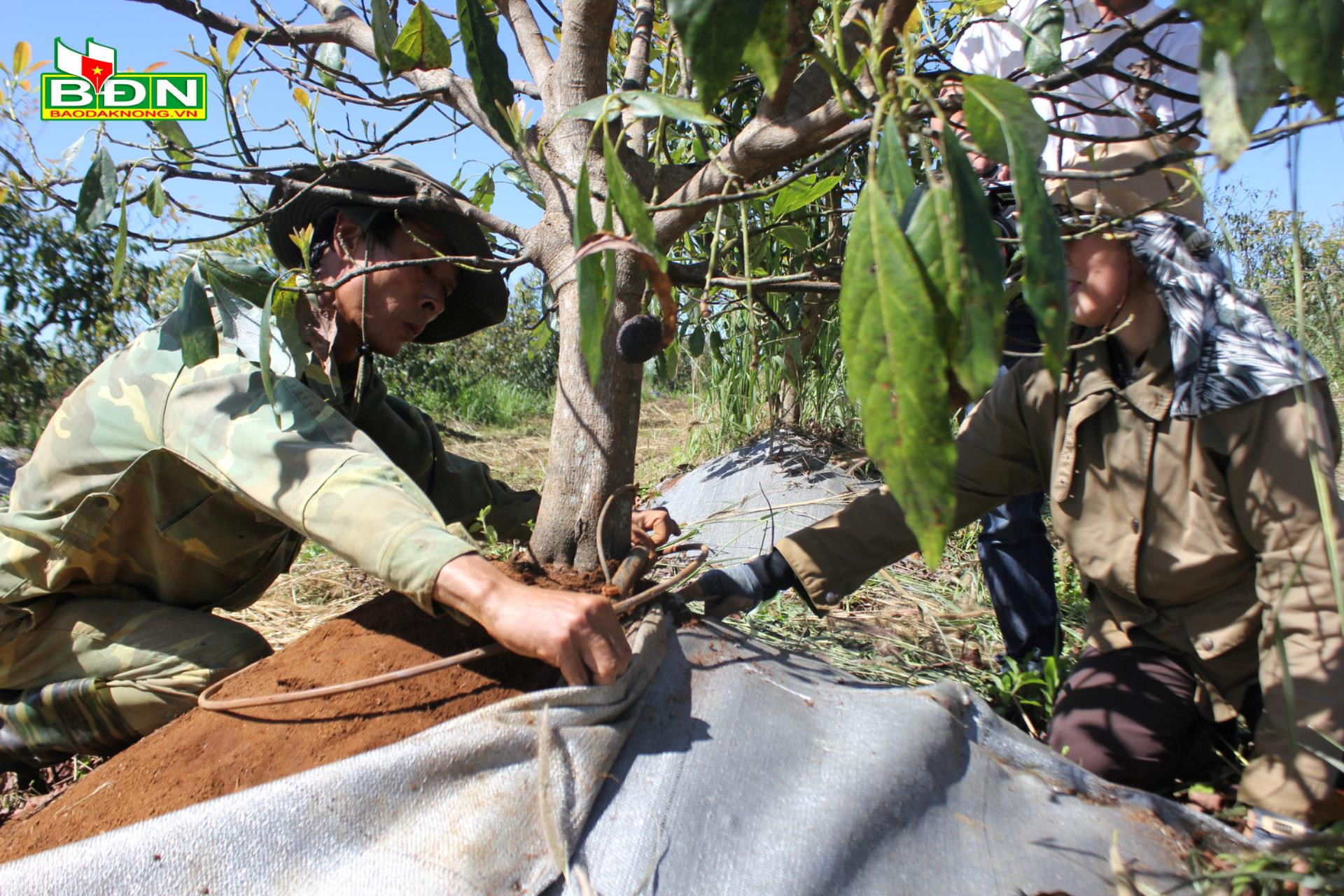
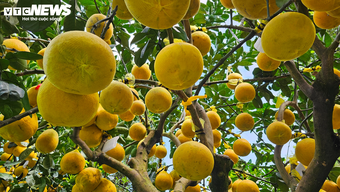
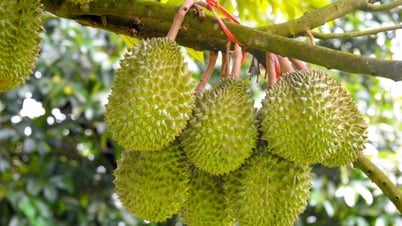
In addition, there are several models that apply technologies to the production of vegetables, fruits, pepper, and industrial crops, such as drip irrigation technology, production in greenhouses, and glasshouses.
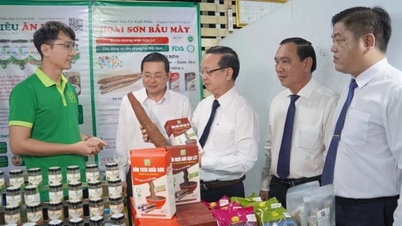
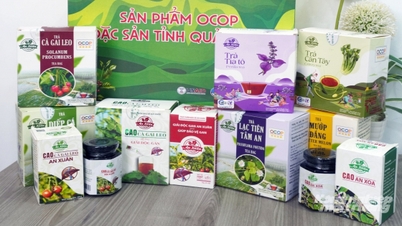
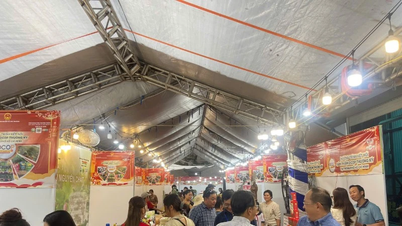
The implementation of the OCOP program continues to be promoted by the locality. Currently, the district has been recognized with 2 OCOP products and is applying for recognition of 8 more new products.
Striving to escape poverty by 2025
Dak Glong has set a goal of escaping poverty by 2025. The district is focusing on effectively utilizing all resources and implementing sustainable poverty reduction efforts.
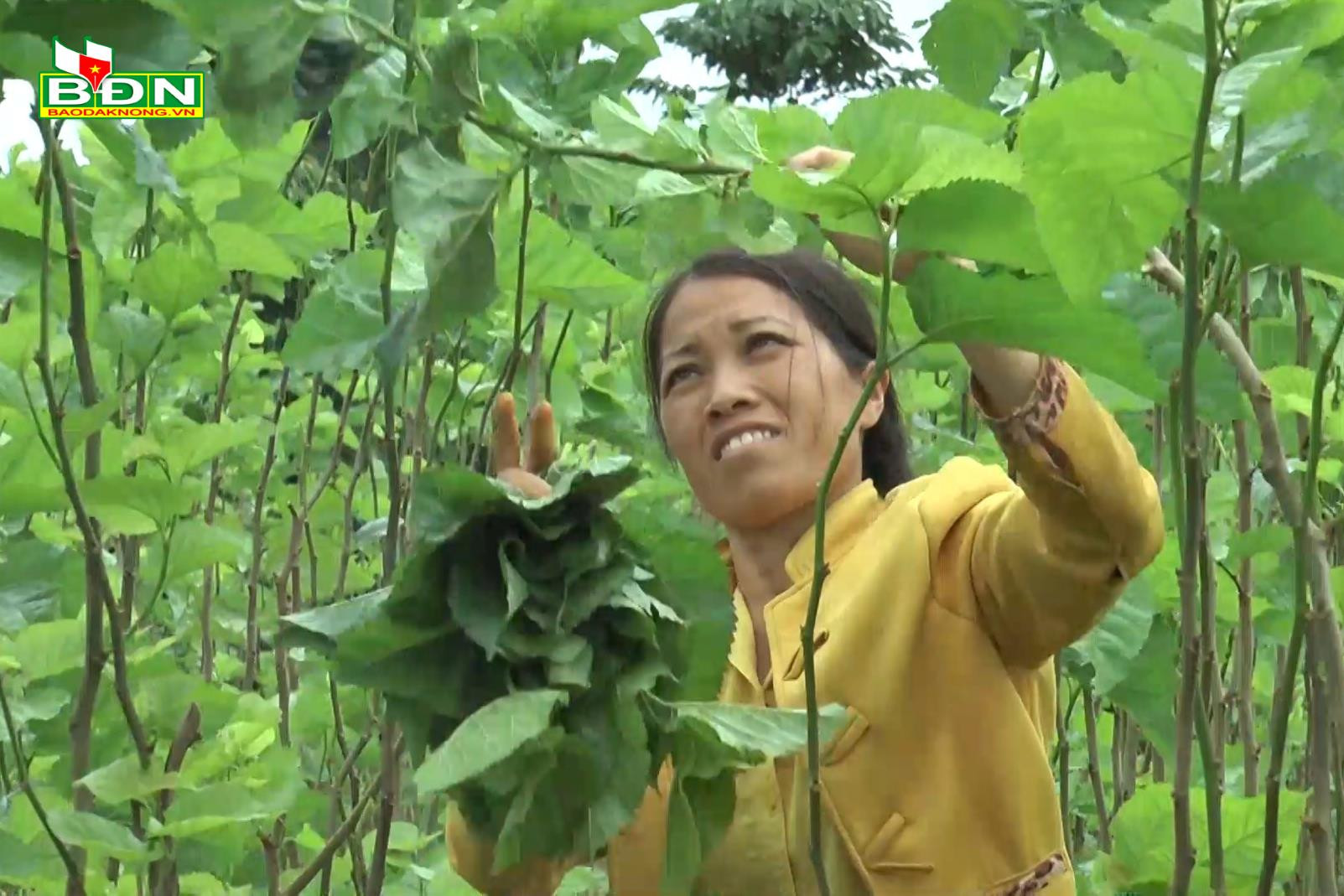
During the 2020-2025 period, the district is implementing national target programs. These include the national target program on sustainable poverty reduction, for the period 2021-2025, with the goal of reducing multidimensional and inclusive poverty, preventing re-poverty and the emergence of new poverty.
To achieve the set goals, the locality has supported poor people and poor households to rise above the minimum living standard, access basic social services according to the national multidimensional poverty standard, and improve their quality of life.
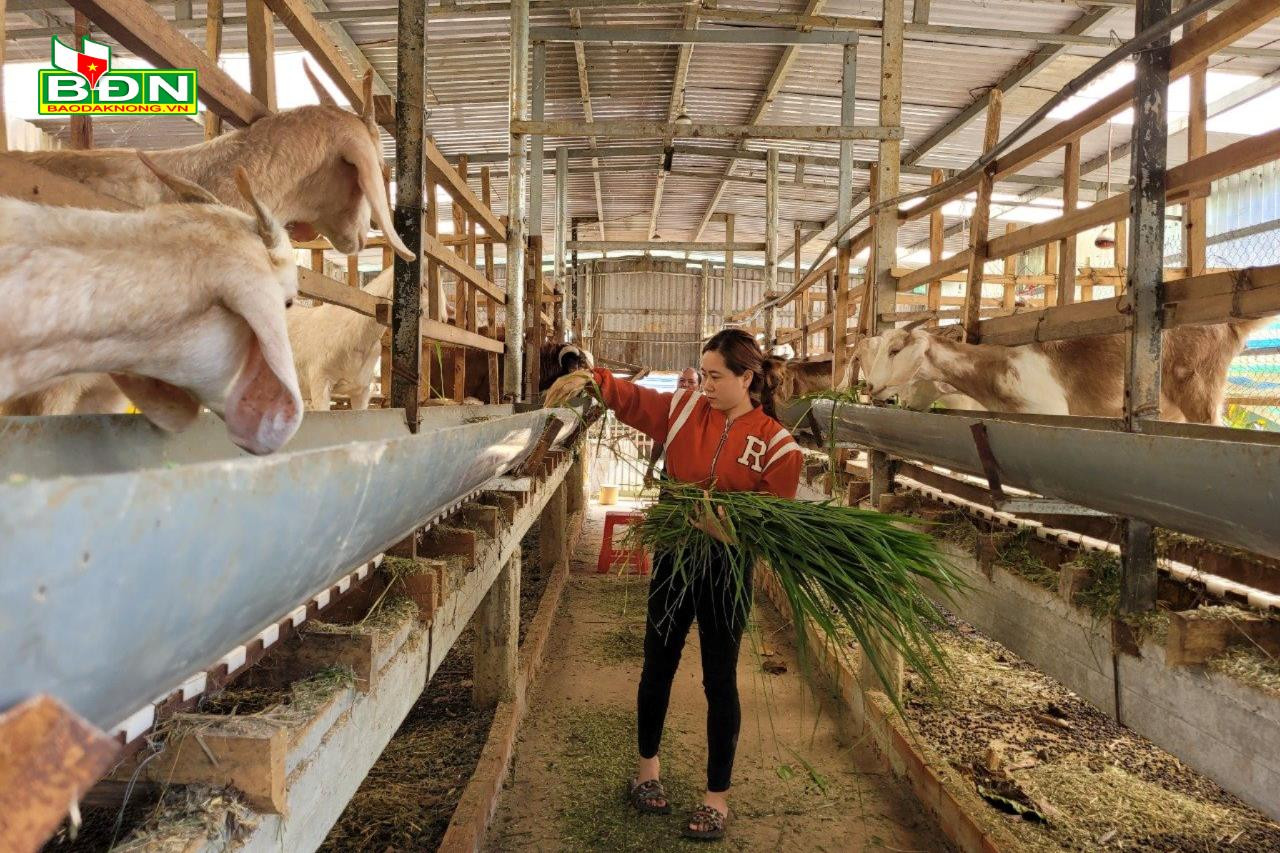
The rights of the people are placed at the center, affirming that all segments of the population have equal opportunities to enjoy the fruits of development. This change aims not only to ensure a minimum income, but also to support the improvement of the poor's access to basic social services such as employment, health, education , housing, clean water and sanitation, and information.
The measurement indicators have been updated and supplemented to identify the nature of poverty, such as: nutritional indicators, children's school attendance, adults' educational attainment, and the addition of indicators measuring the lack of employment among the poor…
The district is determined to improve the living standards of its people, achieve sustainable poverty reduction, and effectively implement national goals on poverty eradication during the 2021-2025 period.
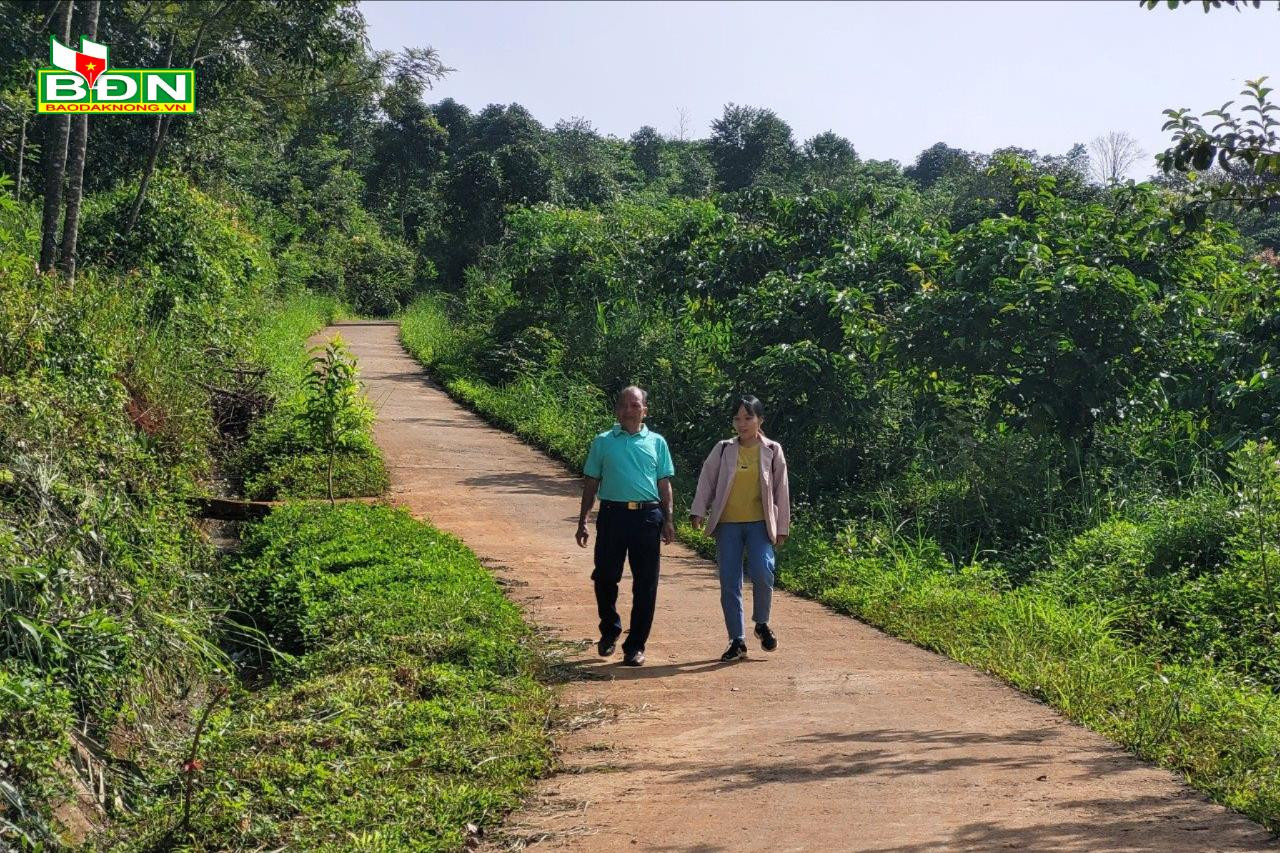
Based on that, the locality has issued practical and effective programs and plans, contributing to the cause of poverty eradication, especially for ethnic minority households.
Basically, the effective implementation of economic and social development programs and projects in the past, especially national target programs, has gradually improved the lives of the people.
In 2022, funding from investment programs and projects amounted to over 214.6 billion VND; in 2023, it was over 318.7 billion VND. Poverty reduction policies have been implemented effectively, yielding tangible results.
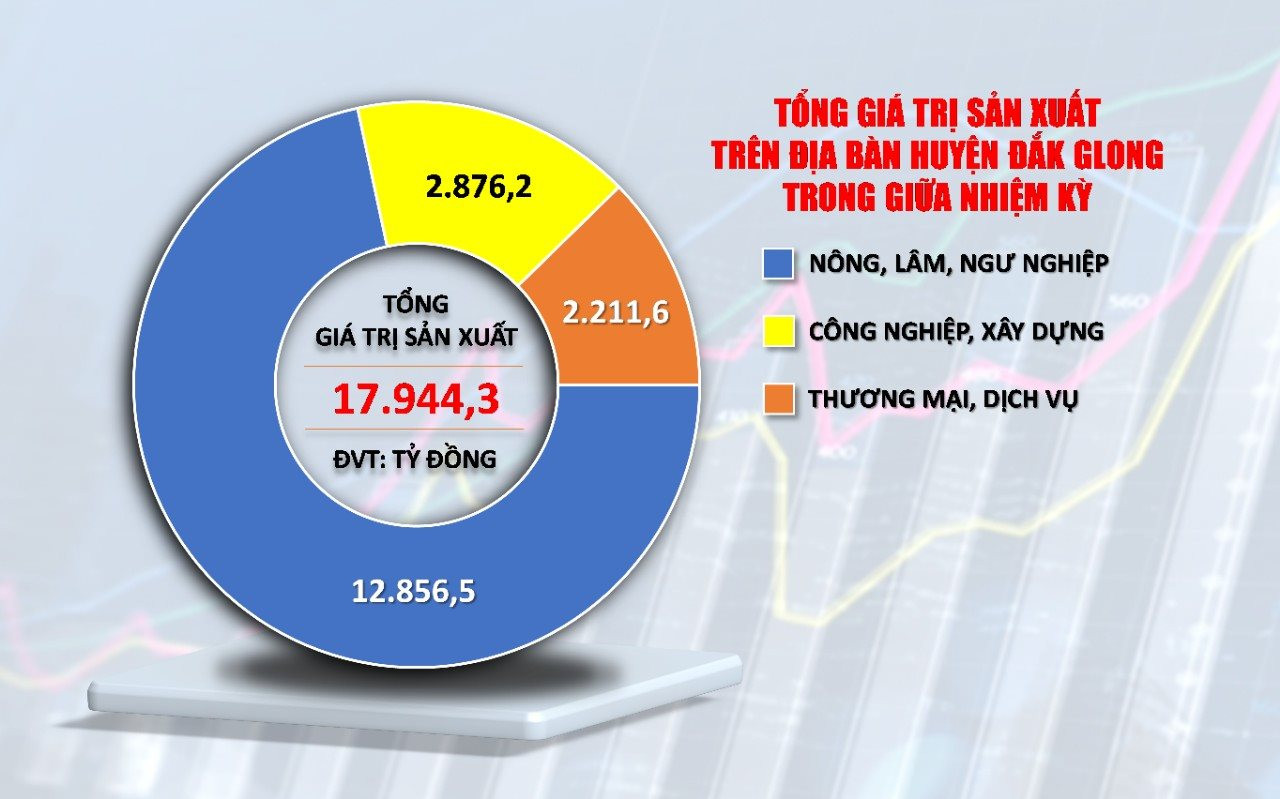
The results of poverty reduction are clearly demonstrated over the years. Specifically, in 2021, the poverty rate for the entire district was 39.15%; of which, poor households belonging to ethnic minorities accounted for 63.67%, and poor households of indigenous ethnic minorities accounted for 59.06%.
To date, the poverty rate in the district is 25.68%, a decrease of 13.5%; of which, poor households belonging to ethnic minorities account for 42.77%, a decrease of 20.9%, and poor households belonging to indigenous ethnic minorities account for 40.6%, a decrease of 18.5%.
Key elements in the vigorous implementation of poverty reduction efforts include: effectively implementing preferential credit policies, supporting production development, vocational training, providing healthcare and education support, housing construction, legal assistance for poor households, supporting centralized water supply, investing in infrastructure, and projects to replicate poverty reduction models…
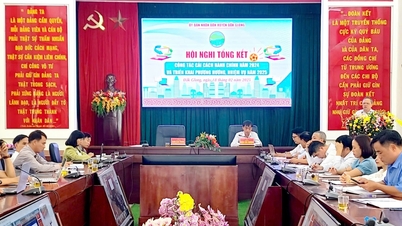
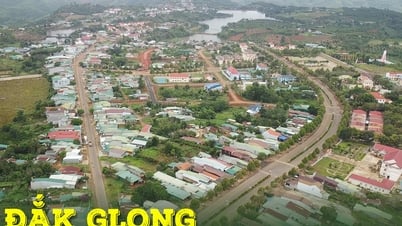
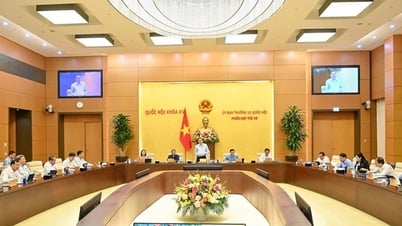
Discussing the socio-economic development plan until 2025 and the orientation until 2030, Mr. Tran Nam Thuan, Chairman of the People's Committee of Dak Glong district, said: in the coming time, the district will continue to prioritize focusing resources from the Central Government, the province, and from national target programs on building new rural areas, poverty reduction programs, etc. This aims to complete and upgrade the rural transportation infrastructure system.
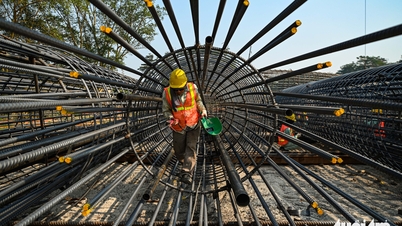
"The district will prioritize the construction of key transportation routes in densely populated areas to facilitate travel for residents, the transportation of goods and agricultural products, and to stimulate production development," Mr. Thuan shared.
With the policy and direction of promoting two key strategic breakthroughs, it is believed that Dak Glong district will experience strong development and fundamentally change its economic and social landscape in the shortest possible time.
Source




























































Comment (0)