

Bustling harvest season in Krông Nô
These days, the atmosphere surrounding the 2024-2025 winter-spring harvest in various localities is bustling. In the fields, people are busily harvesting corn and sweet potatoes, and convoys of vehicles line up on the rural roads, waiting to transport the produce to the drying yards.
Over the past few days, Mr. Nguyen Van Tien's family in Duc Xuyen commune has been harvesting 5 sao (approximately 0.5 hectares) of F1 hybrid corn. This season, the corn yielded a good harvest and sold at a stable price of 13,000 VND/kg.
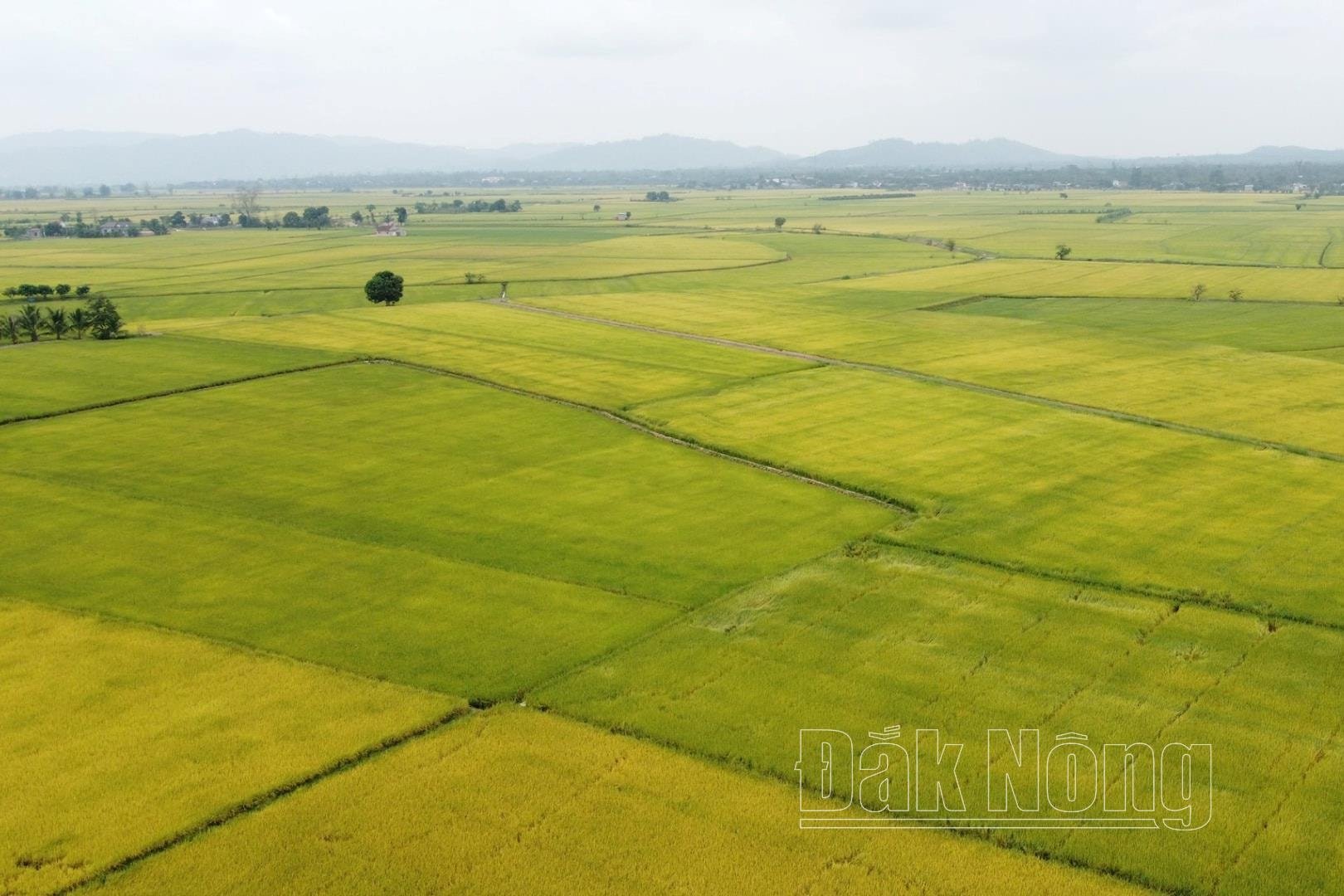
Mr. Tien said: “This is the first year I've switched to growing winter-spring corn. In previous years, I mainly grew sweet potatoes and pumpkins. Growing winter-spring corn is quite favorable because it requires less irrigation water. With an average yield of over 10 quintals per sao (approximately 1000 square meters), it's more economically efficient compared to other short-term crops.”
According to Mr. Tien, after harvesting, he will continue to prepare the land and replant corn to increase his family's income. To ensure a good corn crop in the next season, Mr. Tien focuses on supplementing nutrients to improve soil health and promote healthy corn plant growth.
Meanwhile, in Nâm N'đir commune, Krông Nô district (Đắk Nông province), this winter-spring season, many farmers have converted areas of land far from water sources to sweet potato cultivation.
While farmers in Krông Nô district suffered from crop failure and low prices during the 2024 sweet potato harvest, this year they are delighted with a bumper crop. Not only was the harvest abundant, but the price of sweet potatoes has also continuously increased, allowing farmers to make a profit.
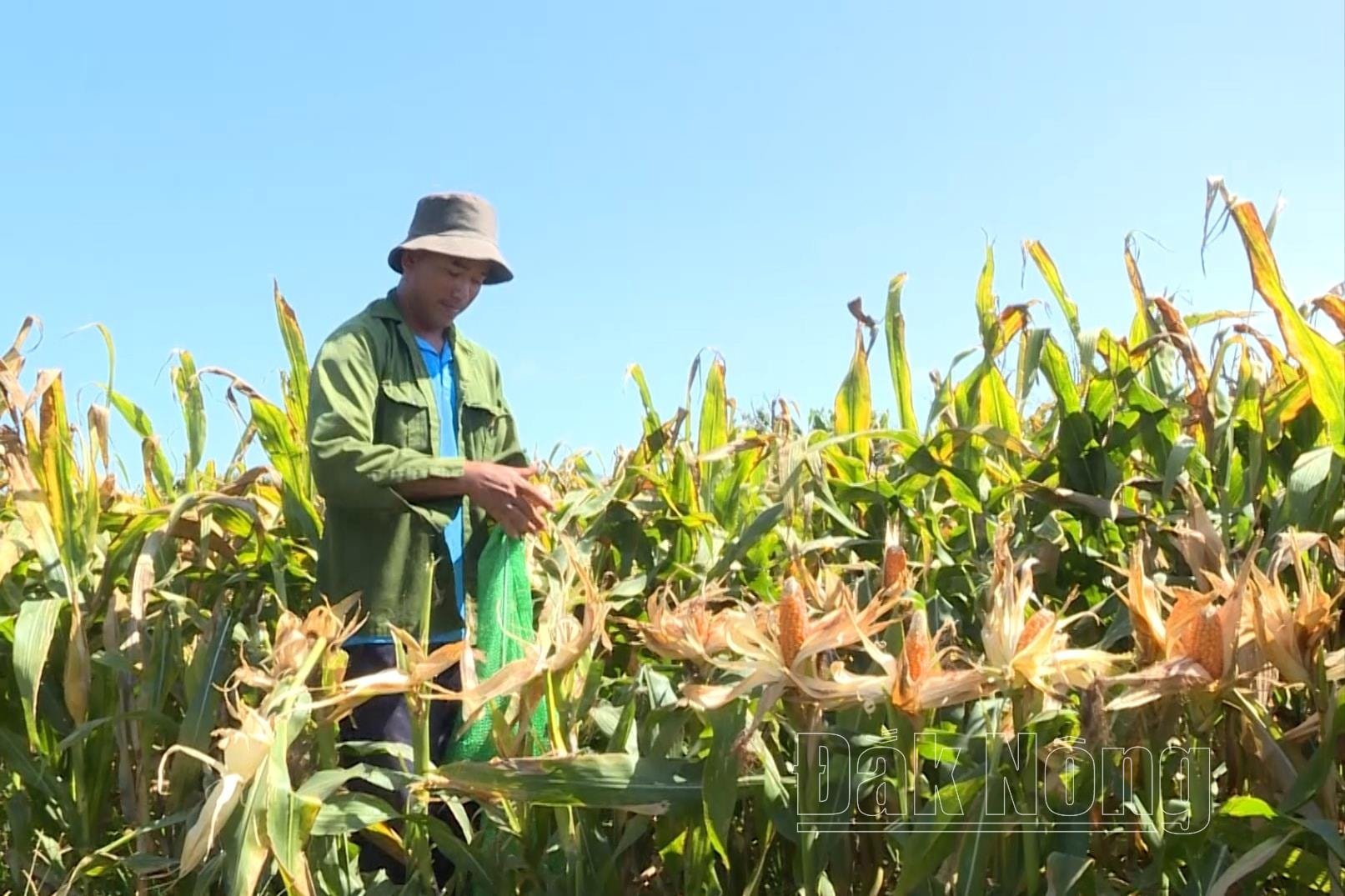
Mr. Nguyen Van Dung's family in Nam N'dir commune planted nearly 1 hectare of sweet potatoes this winter-spring season. This year, thanks to favorable weather, the sweet potatoes grew well, achieving a high yield of about 20-25 tons/ha. With a selling price of about 11,500 VND/kg, after deducting expenses, the family earned nearly 100 million VND/ha.
According to Mr. Nguyen Van Trang, Chairman of the People's Committee of Nam N'dir commune, agricultural production in the commune mainly takes place on alluvial land along the Krong No River. To effectively utilize the land, the locality has successfully implemented programs and projects to introduce science and technology, transform crop structures and plant varieties, helping people increase their income.
According to the Department of Agriculture and Environment of Krông Nô district, to date, nearly 90% of the land used for growing rice, corn, and beans is mechanized, and 100% of the corn crop is sown with new varieties. In particular, this winter-spring season, hundreds of hectares of sweet potato crops are being irrigated using drip irrigation and misting technologies.
According to Mr. Doan Gia Loc, Head of the Agriculture and Environment Department of Krong No district, in this year's winter-spring crop season, Krong No planted about 4,000 hectares of short-term crops, including about 1,800 hectares of rice, 1,450 hectares of corn, and 391 hectares of sweet potatoes...
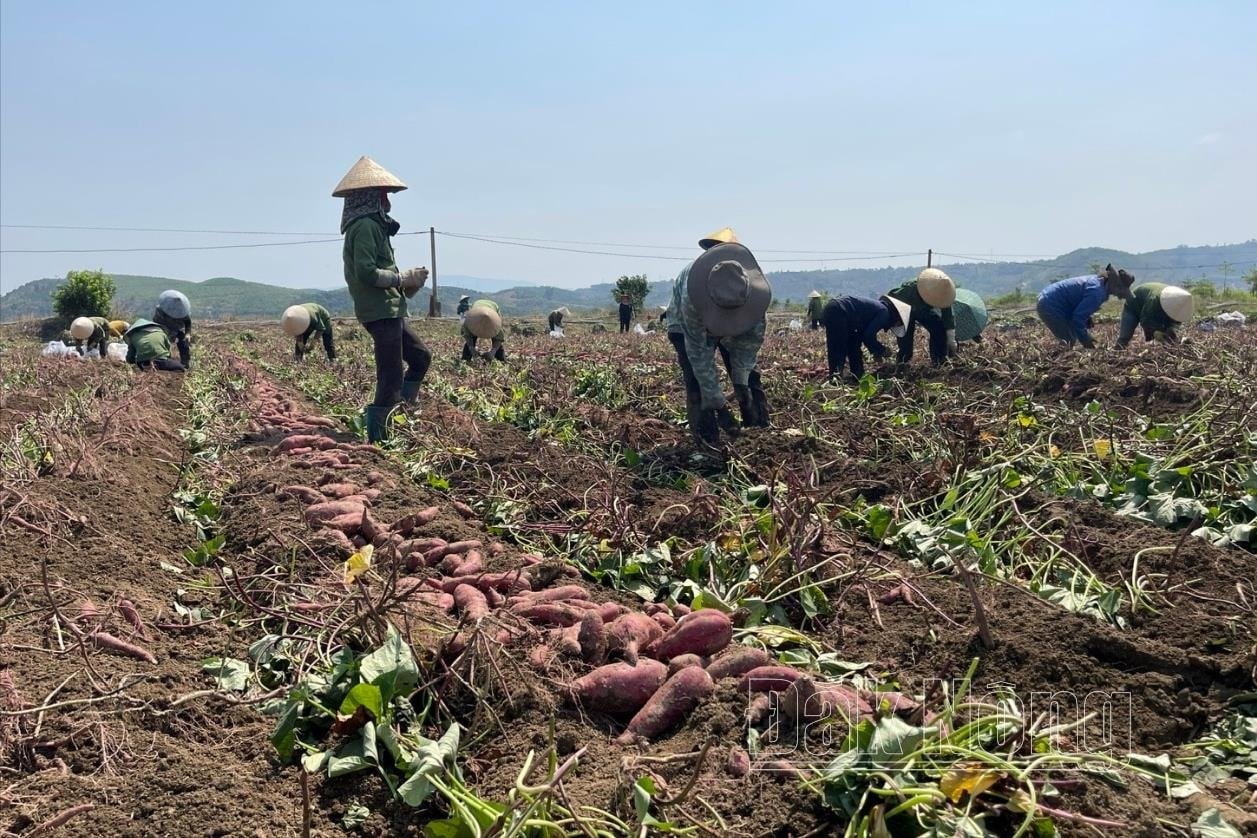
Currently, the production of F1 hybrid corn seeds by farmers in collaboration with Syngenta Vietnam JSC in the Nam N'dir, Duc Xuyen, and Dak Nang areas is highly effective, with average income ranging from 100 to 130 million VND per hectare.
"For short-term crops, the district has implemented a crop restructuring plan, shifting some water-intensive crops to less water-intensive crops such as pumpkins, chili peppers, and various types of beans to avoid production risks for farmers," Mr. Loc added.
Improving the efficiency of agricultural land
Similar to Krông Nô, at this time, in most districts such as Tuy Đức, Đắk Song, Đắk Glong, Cư Jút, etc., people are also beginning to harvest short-term crops from the winter-spring season. Most production areas are progressing smoothly thanks to farmers using new, medium- and short-term varieties that are drought-resistant, disease-resistant, high-yielding, and of good quality.
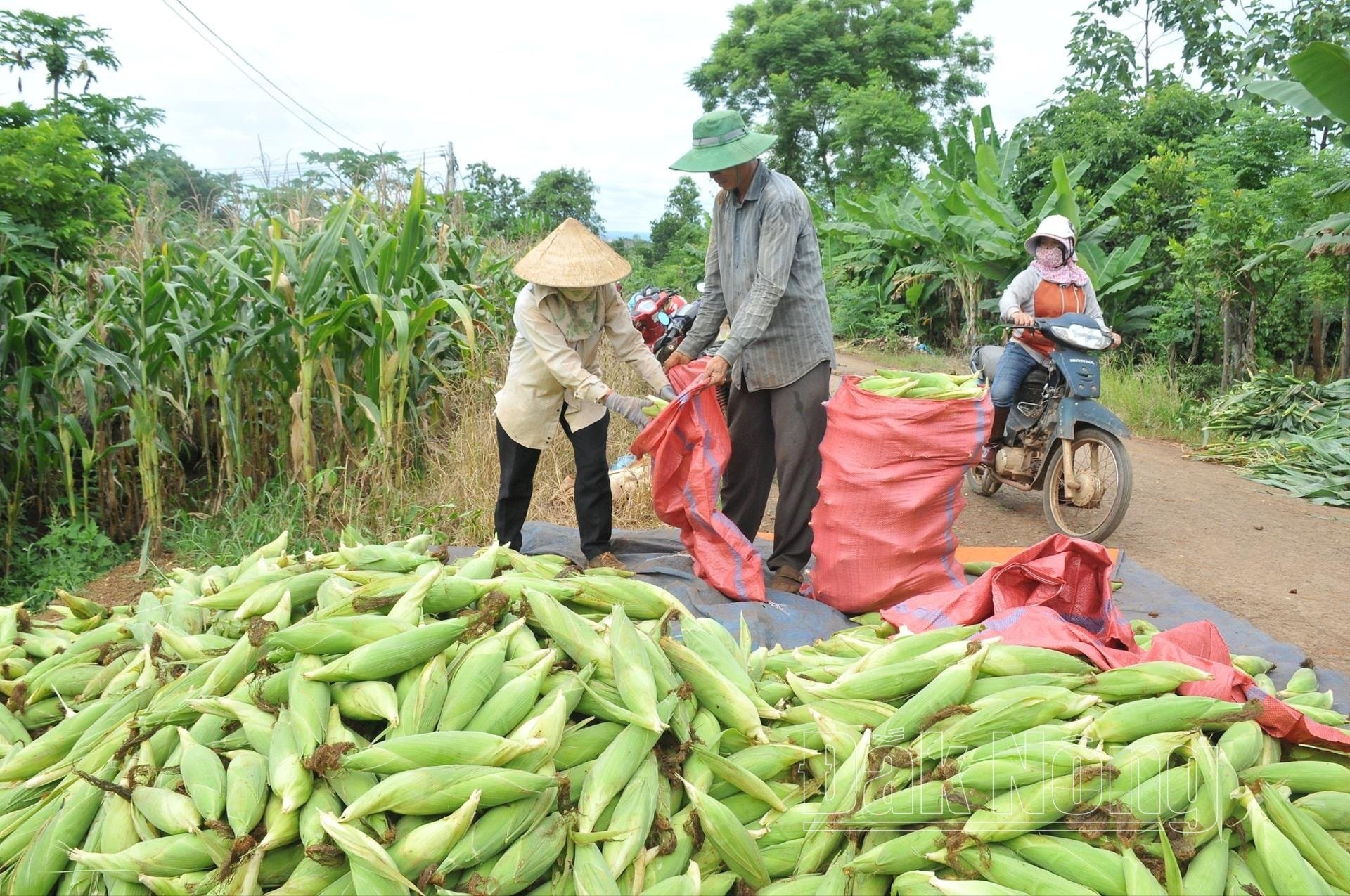
Depending on the soil conditions, localities have proactively developed planting plans to mitigate drought at the end of the season and meet market demands.
According to the Department of Agriculture and Environment of Dak Nong province, with the view of strictly protecting the planned rice cultivation area, the districts have flexibly changed the crop structure to increase land use efficiency and improve people's income.
According to Mr. Ngo Xuan Dong, Deputy Director of the Department of Agriculture and Environment of Dak Nong province, for areas that meet the conditions for cultivation, localities have organized the development of concentrated farming zones.
Specifically, the high-tech rice growing area in Buôn Choáh commune; the F1 hybrid corn growing area in Nâm N'đir, Đức Xuyên, and Buôn Choáh communes, Krông Nô district; sweet corn and glutinous corn in Nam Dong and Cư K'nia communes, Cư Jút district…
Since then, local farmers have actively increased the application of science and technology, integrated pest management (IPM), the "3 reductions, 3 increases" approach, and the "1 must, 5 reductions" approach to production, achieving high results.
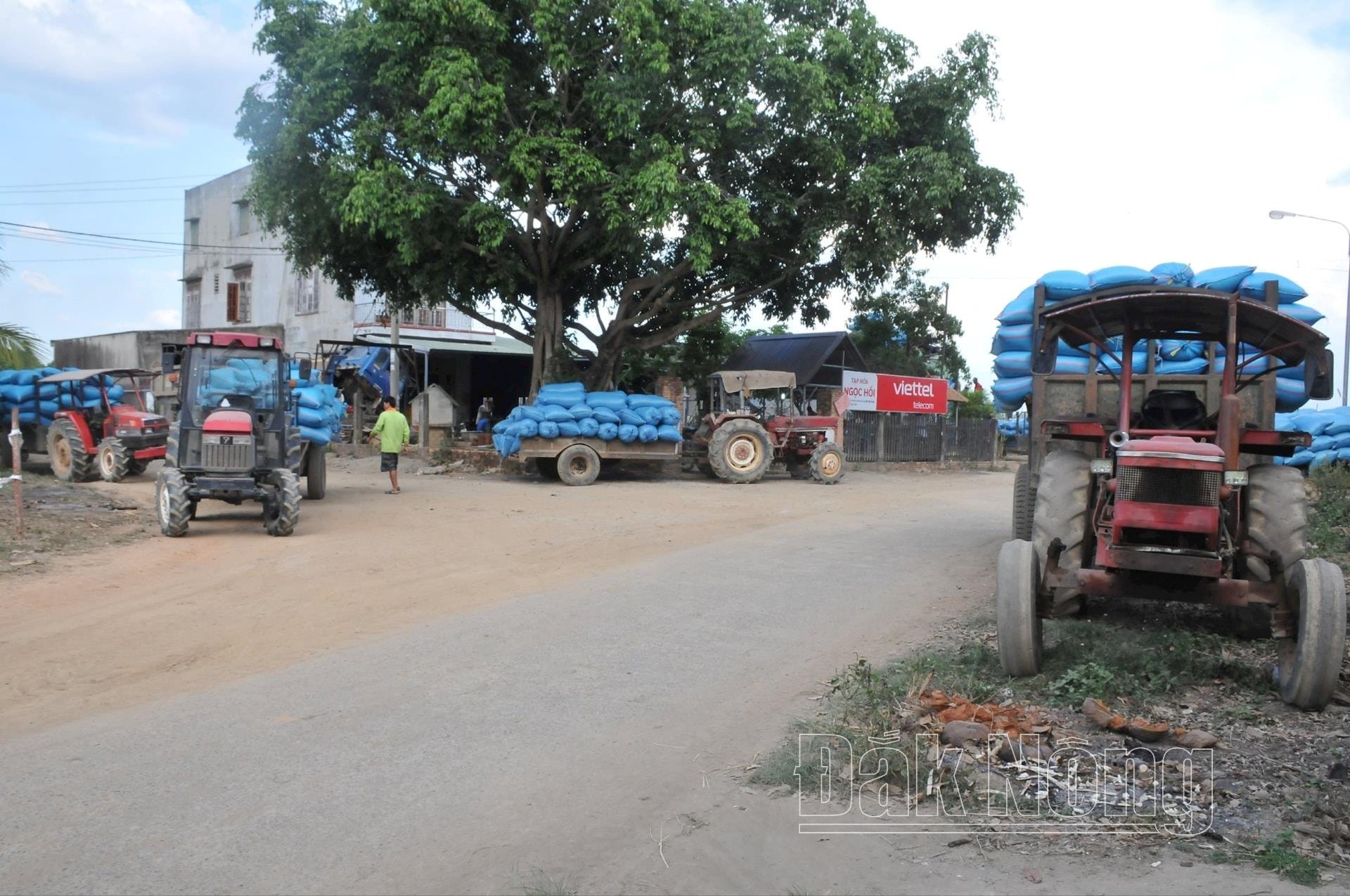
Over the years, most crop conversion models have yielded higher economic returns compared to rice cultivation, ranging from 3 to 12.6 million VND/ha. In particular, short-term crops, which can be grown multiple times a year, generate profits 2-3 times higher than rice cultivation.
Local authorities and agencies are also focusing on forming supply chains and markets for agricultural products, helping farmers to profit more easily during the crop conversion process.
Furthermore, local authorities have consistently prioritized the development of dryland crops during the winter-spring season, aligning with the planning, schedules, and acreage requirements of each region. As a result, farmers have achieved high yields and long-term stable production.
For the 2024-2025 winter-spring crop season, Dak Nong province will plant 10,400.60 hectares of various short-term crops. This includes 5,170.60 hectares of rice, 2,151.40 hectares of corn, 1,100 hectares of sweet potatoes, and 1,978.60 hectares of green vegetables.
Source: https://baodaknong.vn/dak-nong-ron-rang-niem-vui-thu-hoach-vu-dong-xuan-251332.html










































































Comment (0)