

A series of tragedies stemming from the river and its waters.
Within just three days, two serious drowning incidents in Phu Tho and Dak Lak provinces claimed the lives of nine students, once again raising the alarm about the risk of drowning accidents among children during the summer. Specifically, on the evening of May 18th, the People's Committee of Song Lo commune (Phu Tho province) confirmed that rescue forces had found the bodies of five students who drowned in the Lo River. The victims were aged 13-14 and were attending secondary school.
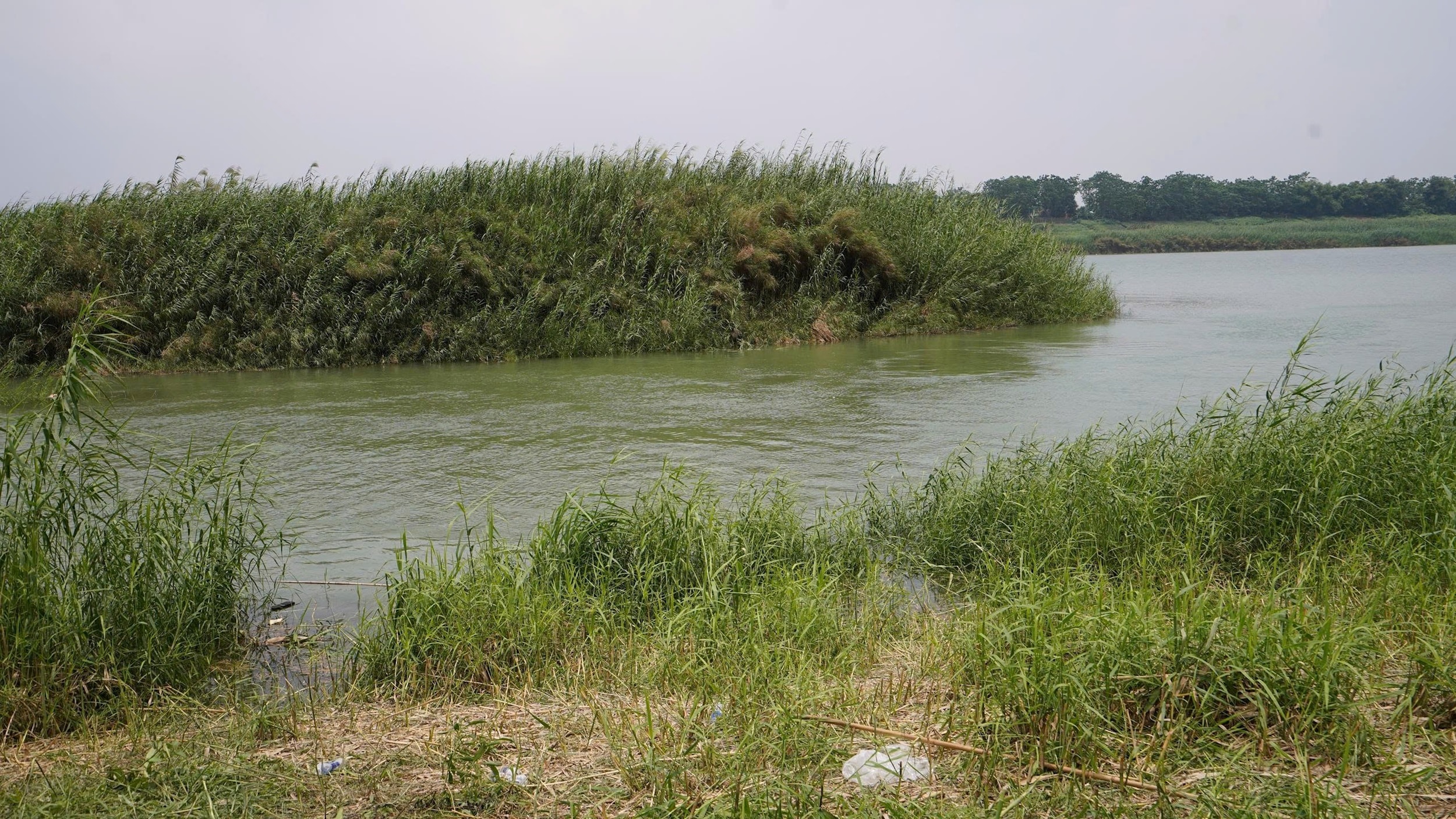
According to initial information, a group of nine teenagers went bird hunting and then went swimming near Yen Lap Temple in Yen Kieu village. While playing, five of them were swept into deep water. Immediately after receiving the report, authorities promptly launched a search operation. By the afternoon of the same day, the bodies of the children were found, much to the grief of their families and local residents.
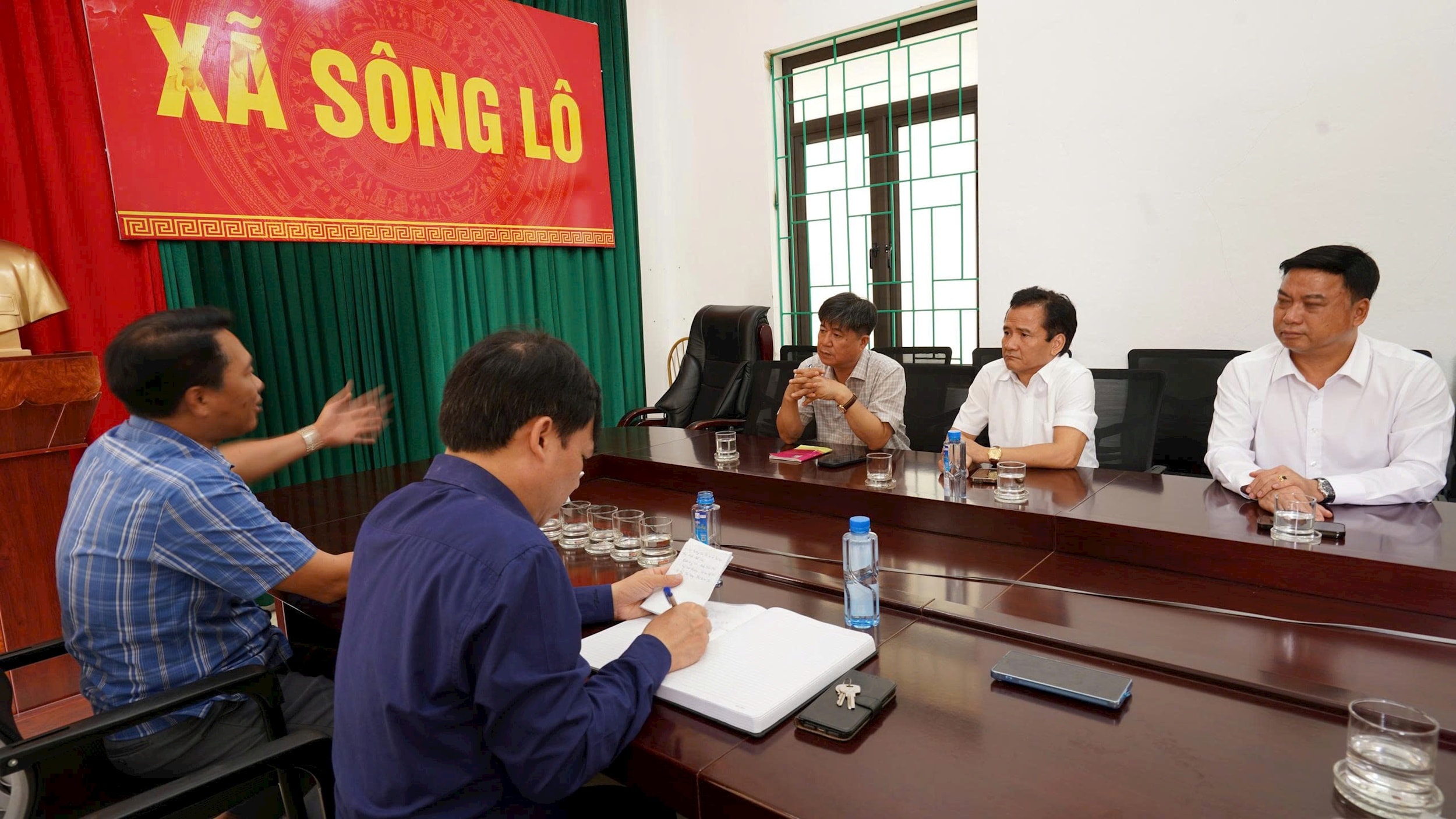
On May 19th, a delegation from the Ministry of Health , along with local leaders, visited and offered condolences to the families of the victims. During the visit, the leaders of Song Lo commune stated that the area where the incident occurred is a branch of a stream connecting to the river, with many deep pits formed after previous sand mining. The changes in the riverbed topography create potential safety risks in the area, yet it also features a wide sandy beach that frequently attracts children to play.
What deeply saddened many was that the majority of the victims knew how to swim. Mr. Nguyen Tien Dung, Vice Chairman of Song Lo commune, stated that the victims were primarily students in grades 6, 7, and 8. Although many knew how to swim, their skills were mostly self-taught and lacked formal training in water safety. In the panic, they clung to each other, making escape impossible.
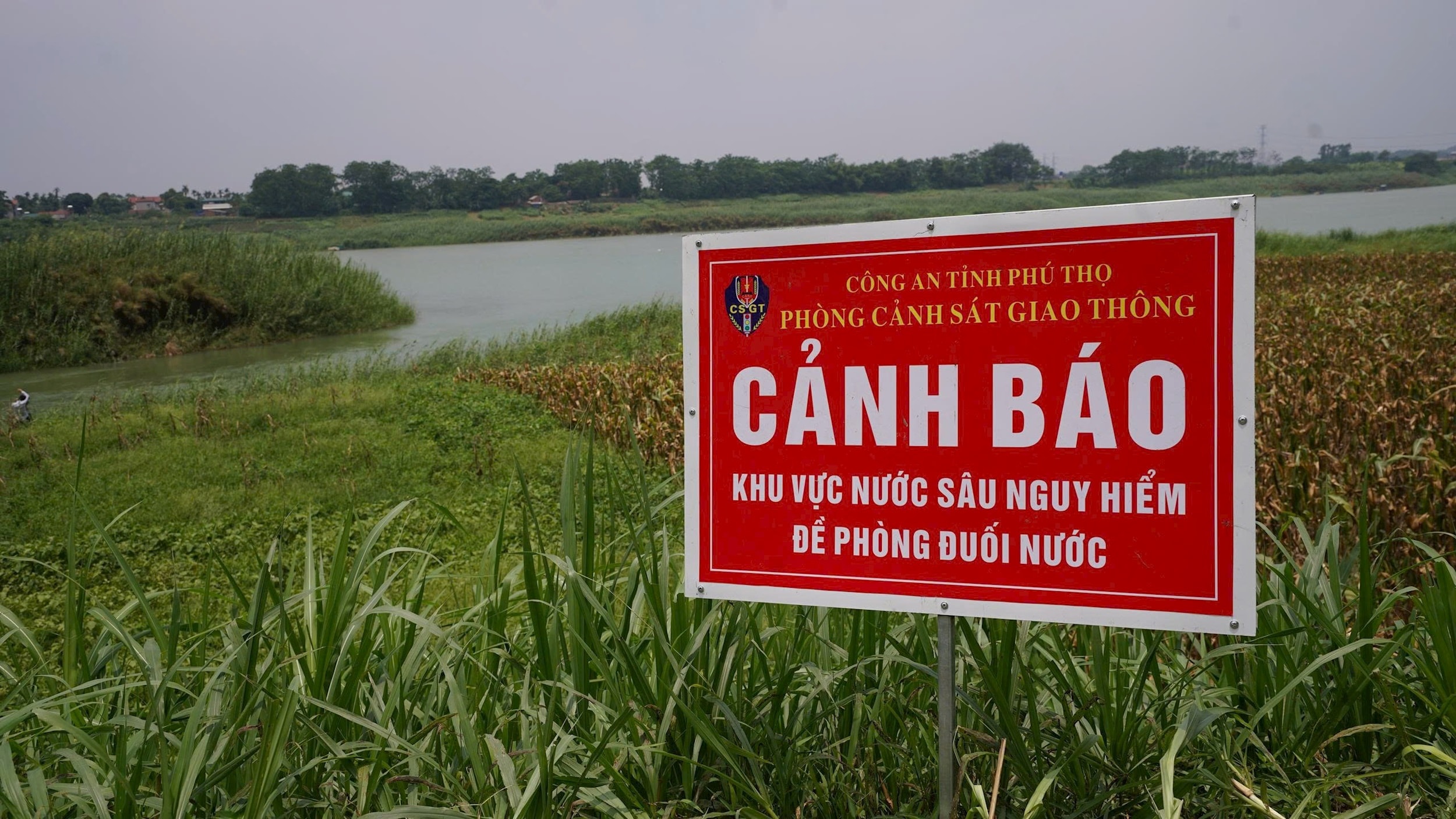
Earlier, on the afternoon of May 16th, in Hoa My commune (Dak Lak), four students also died from drowning after going swimming in the Banh Lai River. The area where the accident occurred has several sections deeper than 2 meters, yet children frequently go there to swim during the summer.
Two consecutive incidents occurring in a short period of time have deeply saddened the public. According to statistics, more than 2,000 children die from drowning in Vietnam each year. While the number of drowning deaths is projected to decrease to 1,512 in 2025, it remains one of the leading causes of accidental death among children.
Behind those figures lies a thought-provoking reality: Many localities still have "hot spots" with potential risks that have not been thoroughly addressed; many families remain negligent in managing and supervising their children; and a significant number of children still seek out ponds, lakes, rivers, and streams as a form of summer recreation.
It's not enough to just teach swimming; we need to teach water survival skills.
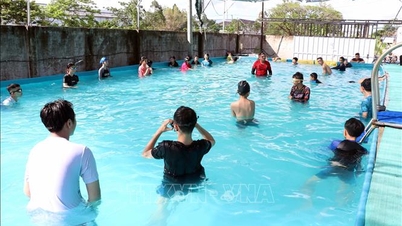
Over the years, teaching swimming has been considered one of the important solutions. Many localities offer free swimming classes, and many schools incorporate swimming into extracurricular activities. However, the reality shows that knowing how to swim does not guarantee absolute safety for children.
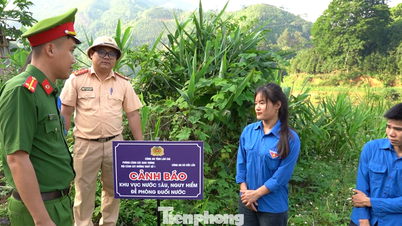
Mr. Dinh Anh Tuan, Director of the Department of Mothers and Children, stated that the lack of safety measures in river, stream, pond, and lake areas not only endangers children but also poses risks to the public and rescue forces. Therefore, it is necessary to urgently implement comprehensive solutions such as posting warning signs, readily available rescue equipment, and strengthening swimming lessons, water safety skills training, rescue skills, and first aid training for children.
"Not everyone who knows how to swim is completely safe, but if equipped with water safety skills, the chances of protecting one's life will be much higher," said Mr. Dinh Anh Tuan.
The Director of the Department of Mother and Child Health stated that the Ministry of Education and Training and the Ministry of Health have issued guidelines and curricula related to teaching swimming and water safety skills. However, implementation needs to be further promoted nationwide.
According to Dr. Nguyen Trong An, a child expert, drowning in children stems from many causes, including four main groups: adult negligence; limited awareness of safety regulations; unsafe living environment; and children's lack of water survival skills.
According to Dr. Nguyen Trong An, in many countries, children are taught how to float, stay calm, regulate their breathing, and maintain life while waiting for rescue. These are essential water survival skills. “When falling into the water, children in many countries know how to dive, how to breathe, how to tread water, and how to keep their heads up to survive for at least 90 seconds, or even up to 5 minutes. These are essential water survival skills. Only after mastering water survival skills can they think about swimming skills like breaststroke, freestyle, etc. Next comes rescue skills: how to get the child to shore, and if the child stops breathing or their heart stops beating, what artificial respiration techniques are needed to save their life? These are skills that we still lack,” Dr. Nguyen Trong An explained.
According to experts, swimming instruction today needs a more holistic approach. A child who knows how to float, stay calm, and maintain survival in critical moments can make a huge difference when an accident occurs.
Let's work together to build a "shield" to protect children from drowning.
Over the years, Vietnam has implemented numerous large-scale programs to prevent child drowning, achieving positive results. A prime example is the Child Drowning Prevention Program in Vietnam, implemented by the Vietnamese government in collaboration with the Bloomberg Philanthropies for the past seven years, contributing to the protection and saving of hundreds of thousands of children.
According to statistics, from 2018 to March 2026, the program has supported more than 400,000 children in learning safe swimming; of which more than 75,000 children received direct support from the Bloomberg Philanthropies Foundation and more than 334,000 children received matching funds from local governments. In addition, more than 52,000 children participated in water safety skills classes. Notably, the program has contributed to a 16% reduction in drowning mortality rates in the implemented localities.
The program not only minimized the risk of accidents but also brought about significant changes in awareness and skills within the community. The percentage of children who knew how to swim in the intervention areas increased from 14.7% to 46.4%; more than 1,500 swimming instructors were trained, and thousands of community workers received training in water safety skills.
However, despite regular awareness campaigns and education efforts, tragic drowning incidents still occur, especially during the summer and rainy seasons – times when children engage in more outdoor activities and the risk of exposure to water increases. This reality shows that drowning prevention measures need to be implemented more decisively, comprehensively, and effectively.
In light of this situation, and in order to strengthen the protection of children from the risk of drowning, the Prime Minister has just issued an urgent directive requesting ministries, departments, localities, and relevant organizations to strengthen the implementation of preventive measures.
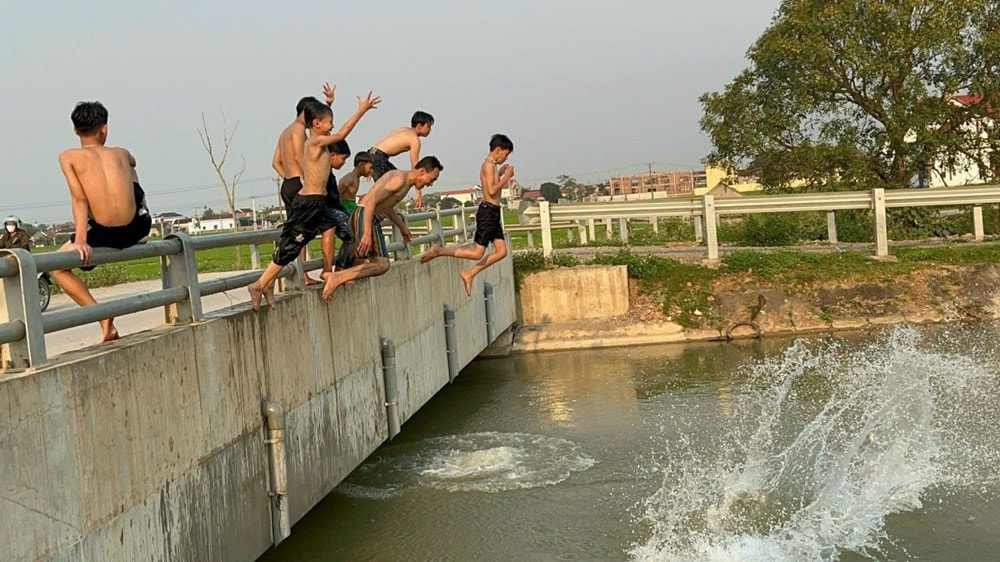
The directive emphasizes that the upcoming summer vacation and rainy season pose many risks of accidents and injuries, especially drowning, for children and students. Therefore, the Prime Minister requests the People's Committees of provinces and cities to direct educational institutions to strengthen management and ensure the safety of children; at the same time, to review, identify, and promptly warn of locations with potential drowning risks in order to proactively implement preventive and remedial measures.
In addition, localities need to focus on investing in facilities to teach safe swimming and water safety skills to children; strengthen communication about the responsibility of families in managing and supervising children; and prevent children from accessing rivers, lakes, ponds, streams, or other potentially dangerous water sources on their own.
The Prime Minister also requested increased inspections of drowning prevention efforts at educational institutions, agencies, units, and all levels of government; and the promotion of drowning prevention skills among parents, students, and the community. The Education sector is responsible for reviewing and improving safe swimming programs and strengthening drowning prevention education in schools. The Health sector is tasked with intensifying inspections and monitoring of the implementation of injury prevention programs, especially in areas where drowning accidents frequently occur.
Propaganda agencies, associations, and social organizations are also requested to strengthen communication and education on drowning prevention skills in the community and schools, creating widespread awareness of prevention.
Preventing child drowning is not solely the responsibility of the health sector or schools, but requires the involvement of families and society as a whole. Accordingly, ministries, sectors, and localities should focus on implementing a comprehensive set of practical solutions. First, communication efforts should be reformed to reach individual households. The dissemination of information should not be limited to general slogans but should be diversified, bringing knowledge and skills in drowning prevention closer to parents, students, and the general public. In addition, proactively identify and eliminate dangerous "black spots" to promptly erect warning signs, barriers, or deploy personnel; promote and popularize safe swimming, increasing the percentage of children learning safe swimming and equipped with survival skills in aquatic environments.
In parallel, it is necessary to continue improving the "Safe Home," "Safe School," and "Safe Community" models; strengthen supervision and ensure safety in swimming classes and prevent the risk of child abuse.
During the summer, the Education, Culture - Sports sectors and the Youth Union need to coordinate to create more healthy recreational activities, effectively manage children's activities, and limit children from going to dangerous areas on their own. In addition, maintaining and updating data on drowning incidents in the locality should also be emphasized to analyze causes, identify risks, and develop appropriate intervention solutions, aiming for early and proactive prevention.
Every skill acquired, every swimming class opened, can become a "shield" protecting a child's life. A safe summer, free from heartbreaking losses due to drowning, must begin with the care, supervision, and responsible actions of every adult starting today.
Source: https://hanoimoi.vn/de-mua-he-khong-con-la-noi-lo-duoi-nuoc-tre-em-750789.html


![[Image] Hanoi's urban life under the challenge of a "scorching hot" environment](https://vphoto.vietnam.vn/thumb/1200x675/vietnam/resource/IMAGE/2026/05/25/1779706979265_nang-nong-t5-2026-minh-duy-7-4636-jpg.webp)

![[Image] Close-up view of the interchange connecting the two expressways and Long Thanh Airport.](https://vphoto.vietnam.vn/thumb/1200x675/vietnam/resource/IMAGE/2026/05/25/1779703378210_ndo_br_z7863716673926-224453a31600126cce10622af6290afd-4549-jpg.webp)


















































































Comment (0)