

Text and photos: THU SUONG
Some common eating and food preservation habits, seemingly harmless, are actually the cause of food poisoning during hot weather. Dr. Do Hong Nhan, Deputy Head of the Nutrition Department at Can Tho City General Hospital, outlines these harmful habits and offers helpful recommendations for food preservation and safe nutrition, especially for the elderly and young children.
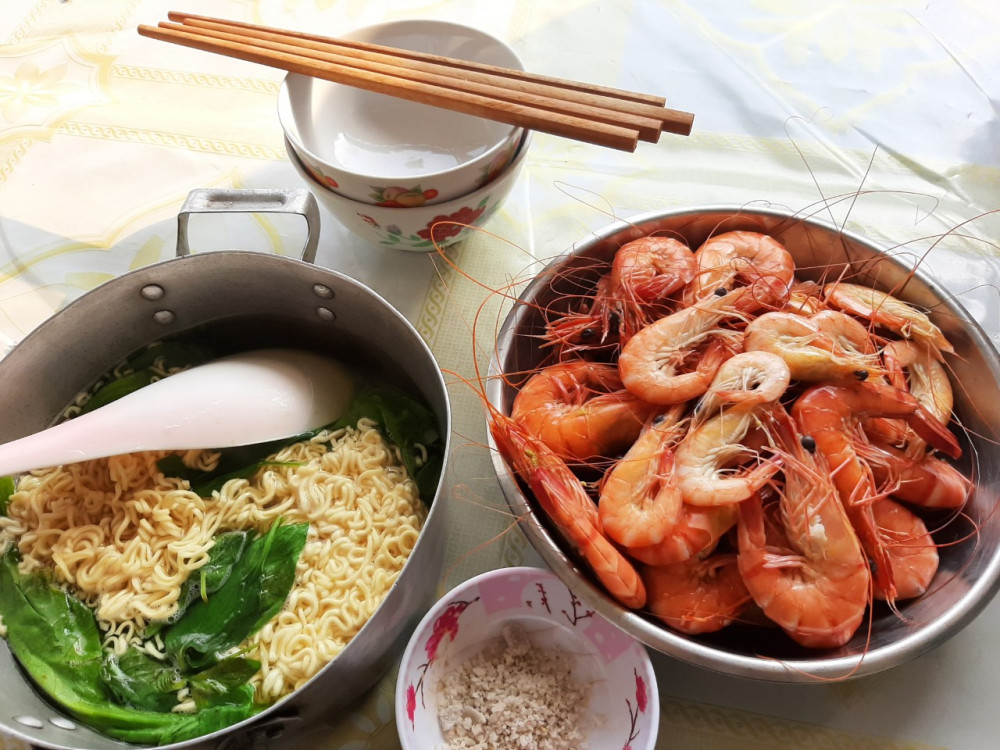
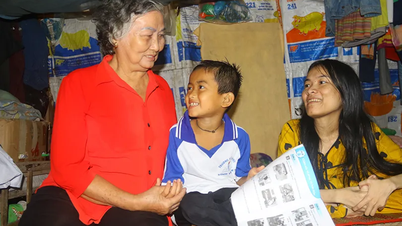
Nutritionists advise that the elderly and young children should pay attention to balanced diets and ensure food hygiene.
Food poisoning is caused by consuming contaminated or spoiled food, or food containing improperly applied preservatives or additives. Severe cases can be life-threatening. However, most cases are mild to moderate, rarely severe or critical. Recovery is generally quick if treated correctly and promptly, with patients fully recovering within a few days.
Currently, with hot weather and high ambient temperatures, food spoils quickly and easily. Therefore, people are extremely cautious in ensuring food safety and hygiene. Accordingly, some habits to be aware of when using and storing food to reduce the risk of food poisoning include: eating raw foods such as rare meat, blood pudding, undercooked seafood, cold cuts, canned goods, fermented pork sausage, and pickled vegetables that have been left for too long. Other habits include improper use of refrigerated and frozen foods: mixing different types of refrigerated foods together, not sorting them, not packaging them beforehand, or storing them for too long. In particular, thawing food multiple times instead of dividing it into portions sufficient for one use, or packaging it before freezing...
Food poisoning can occur within minutes or hours, or even 1-2 days after the digestive system has processed the food. Depending on the toxin, symptoms can range from mild to severe: severe abdominal pain, vomiting, diarrhea, fever, dehydration, and electrolyte imbalance.
When experiencing severe vomiting and diarrhea, the body becomes dehydrated and electrolytes become imbalanced. At this stage, do not immediately use anti-vomiting or anti-diarrheal medication; instead, rehydration and electrolyte balance correction are necessary. The preferred solution is Oresol, prepared and used according to the Ministry of Health 's recommendations. Alternatively, warm water or diluted salt-and-sugar rice porridge can be used when Oresol is unavailable. Many patients have a habit of taking anti-diarrheal medication when experiencing food poisoning, which is ill-advised. Patients should be taken to the nearest medical facility as quickly as possible for timely and safe treatment with antibiotics, intravenous fluids, and other symptomatic care.
To prevent food poisoning, choose fresh food with a clear origin. Select products from certified food safety and hygiene establishments. Carefully check the condition of the food, expiration date, ensure the packaging is intact, and that the food does not have unusual colors or smells. Store fresh and cooked food properly. Pay attention to the correct methods and duration of refrigeration or freezing. Cook food thoroughly and drink boiled water; food should be consumed immediately after preparation, avoiding cooking large quantities for reheating multiple times. Ensure the cleanliness of utensils and hands before, during, and after food preparation.
The elderly and young children have weak immune systems. To prevent the risk of food poisoning, a balanced and hygienic diet is necessary. Older adults should eat easily digestible foods to reduce the burden on the intestines and stomach. Supplementing with probiotics helps restore the balance of the gut microbiome. For young children, excessive dietary restrictions or prohibitions are detrimental to their physical and mental development. Therefore, parents should plan for their children to eat whatever they like while ensuring safety. Choose vendors and food preparation methods that guarantee safety for your children. Prepare a complete breakfast for your children. When fast food is unavoidable, limit or reduce the use of seasonings and sauces in processed foods to reduce salt and sugar intake. Include green vegetables and fruit juices in your children's meals to supplement essential vitamins and minerals. Give your children a snack before shopping, choosing small portions of their favorite foods combined with healthy additions. This way, they will enjoy their meal more and eat more safely.
Source link






















































































Comment (0)