

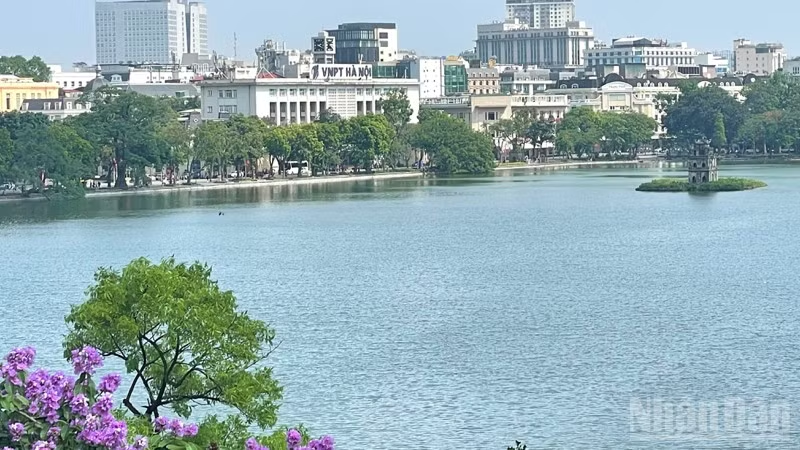
According to the Ministry of Culture, Sports and Tourism, the system of policies and laws on culture is increasingly perfected, creating more favorable conditions for creative activities, cultural enjoyment, and heritage preservation; initially forming a legal framework for linking traditional preservation and modern development; promoting the digitalization of management and licensing processes in some cultural fields... However, legal documents are still inadequate and overlapping; there are institutional "bottlenecks" and "obstacles" and new issues arising from practice.
Furthermore, since the provisions in Resolution No. 28/2026/QH16 are new or different from those in current law, the issuance of a decree guiding the implementation of Resolution No. 28/2026/QH16 is necessary to ensure that mechanisms and policies for cultural development are effectively implemented.
Therefore, the drafting of the Decree, detailed regulations, and guidelines for the implementation of Resolution No. 28/2026/QH16 ensures the consistency of the legal system, while also incorporating the unique and groundbreaking aspects of culture in line with the spirit of the 14th National Congress of the Party and Resolution No. 80-NQ/TW dated January 7, 2026, on the development of Vietnamese culture, and ensuring feasibility and available resources for implementation.
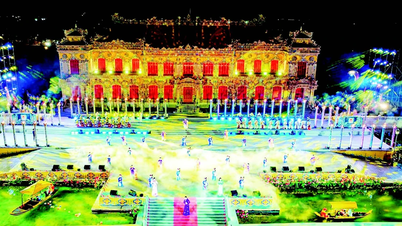
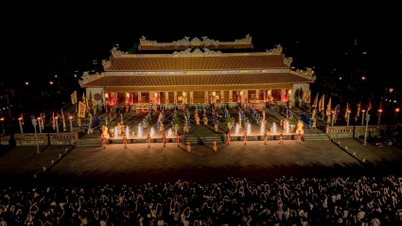
In the draft, the Ministry of Culture, Sports and Tourism proposes seven criteria for piloting a cultural heritage city model, to be implemented in localities that have invested in the restoration, preservation, and promotion of cultural heritage values, meeting the following criteria:
1. Formation of urban and rural architectural complexes, residential areas, urban and rural zones, and industrial facilities containing architectural works and historical and cultural spaces that are representative of one or more stages of historical, architectural, and artistic development.
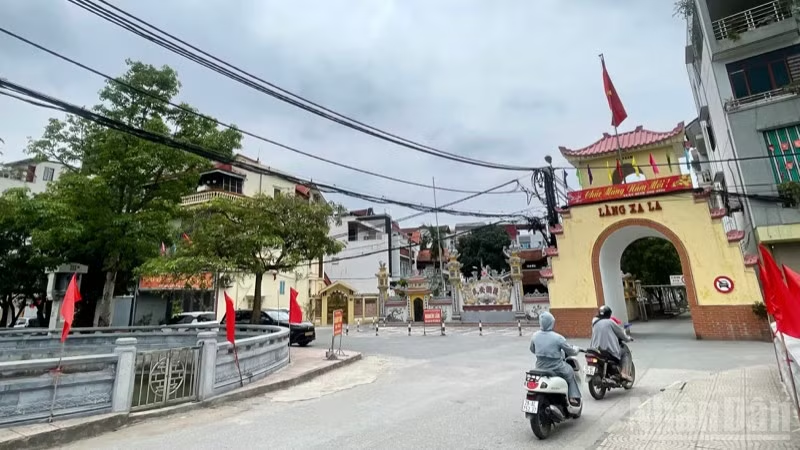
2. Forming groups of buildings, or interconnected groups of buildings with architectural and landscape uniformity, or with outstanding cultural, scientific, or historical value, as stipulated by the law on cultural heritage.
3. Sites and areas underground and underwater where relics, artifacts, or signs of relics and artifacts of historical, cultural, and scientific value have been discovered or are preserved, shall be protected and their value promoted in accordance with the law on cultural heritage.
4. Natural landscapes, ecological environments, and physical natural landscape spaces containing historical, cultural, scientific, and aesthetic values, along with related tangible and intangible cultural spaces, are important in shaping the value of historical and cultural relics and scenic spots that are preserved and promoted in a way that connects tangible cultural heritage spaces, intangible cultural heritage spaces, and intangible cultural heritage practice spaces with the local community.
5. There are many tangible or intangible cultural heritage sites and documentary heritage sites in the area that have been recognized, ranked, and inscribed by UNESCO and the nation; the work of protecting and promoting their value is carried out well in conjunction with the development of tourism and the cultural industry; programs, projects, mechanisms, and specific policies are issued and implemented in the management, preservation, and promotion of cultural heritage values in the area, and policies and regulations for artisans are well implemented.
6 - Possess practical experience in investment, conservation, restoration, management, protection, and promotion of cultural heritage values, ensuring the principles of conservation and the requirements for protecting and promoting cultural heritage values in a stable, long-term, and sustainable manner; using cultural heritage as a foundation for socio-economic development, tourism development, and effective development of the cultural industry, contributing to the economic growth and GRDP of the locality.
7. Effectively promote the value of cultural heritage in conjunction with traditional education, cultural tourism, creating livelihoods for the community, and sustainable development.
The draft also proposes that local authorities pilot a model of cultural heritage cities where they can determine the mechanisms and policies for preferential land use; and mechanisms and policies for preferential fees and charges.
The draft decree is posted on the Ministry of Culture, Sports and Tourism's electronic portal. The deadline for comments is May 28, 2026.
Source: https://nhandan.vn/de-xuat-7-tieu-chi-thi-diem-mo-hinh-do-thi-di-san-van-hoa-post963999.html



















































































Comment (0)