

If you use more than 700 kWh, you pay almost three times the normal price.
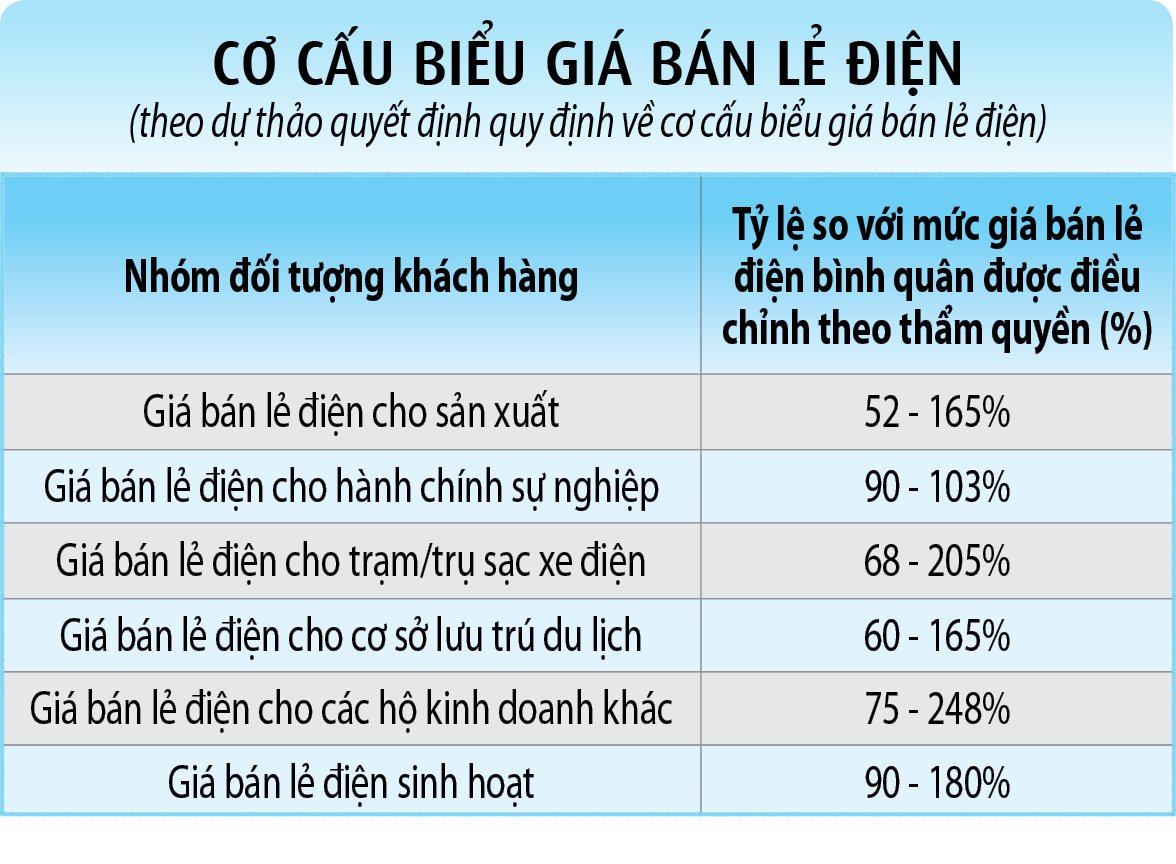
According to the Ministry of Industry and Trade 's proposal, the tiered retail electricity pricing scheme for household consumption in draft 3 has been improved based on a proposal from Vietnam Electricity Group (EVN), reducing the number of tiers from 6 to 5. Specifically, tier 1 (0-100 kWh) is 1,806.11 VND/kWh; tier 2 (101-200 kWh) is 2,167.33 VND/kWh; tier 3 (201-400 kWh) is 2,729.23 VND/kWh; tier 4 (401-700 kWh) is 3,250.99 VND/kWh; and tier 5 (701 kWh and above) is 3,612.22 VND/kWh. With this new pricing structure, the retail price of electricity for household use is 90%, 108%, 136%, 162%, and 180% respectively compared to the current average retail price (2,006.79 VND/kWh).
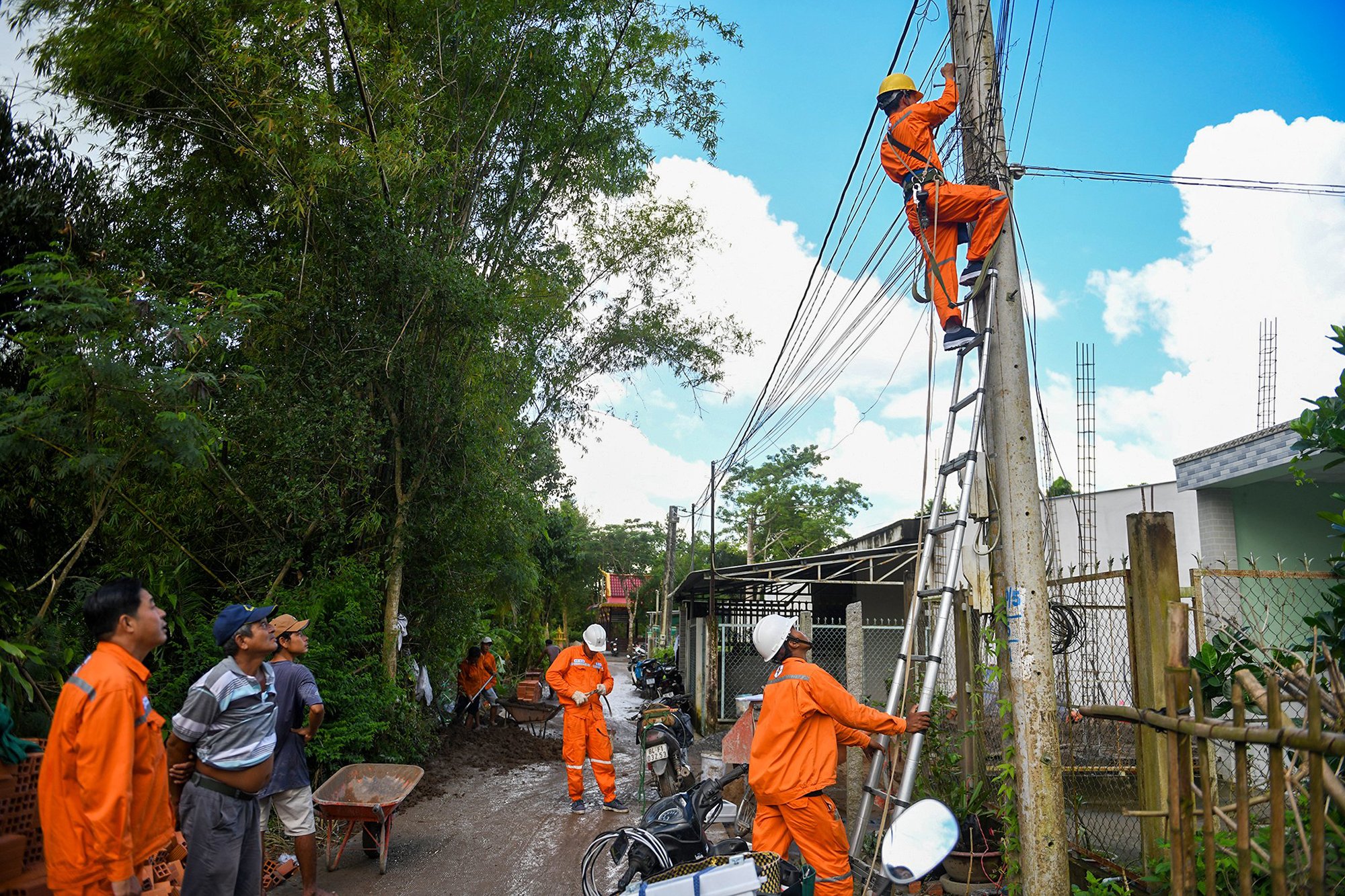
The draft decision on the retail electricity pricing structure proposes lowering the structure to 5 tiers, with the highest rate at over 3,600 VND/kWh.
Thus, with this new pricing structure, residential electricity users consuming over 700 kWh/month will have to pay nearly three times the average retail price (equivalent to 180%). These prices do not include value-added tax (VAT). Adding 8% VAT would mean users consuming 700 kWh or more would pay nearly 4,000 VND per kWh.
According to the Ministry of Industry and Trade, the design of the retail electricity tariff for household consumption maintains the current price for users consuming 0-100 kWh to ensure price stability for poor households and social policy beneficiaries with low electricity consumption. These households account for approximately 33.48% of the total number of households. The difference in reduced electricity revenue is compensated by households with consumption between 401-700 kWh. "The electricity prices for the 401-700 kWh and 700 kWh and above tiers are designed to offset revenue losses for lower tiers," the Ministry of Industry and Trade stated, emphasizing that the electricity prices for each tier are designed to minimize the impact on electricity users.
Energy expert Ngo Duc Lam, former Deputy Director of the Institute of Energy (Ministry of Industry and Trade)
Specifically, the draft adds a new customer group, "tourist accommodation establishments," with electricity prices equal to those for manufacturing. According to the Ministry of Industry and Trade, tourism development contributes to economic restructuring, generates national budget revenue, attracts investment, and promotes on-site exports, positively impacting the development of related economic sectors. EVN's calculations show that the current electricity price for manufacturing is lower than the allocated cost. Therefore, the Ministry of Industry and Trade estimates that the revenue shortfall due to the addition of "tourist accommodation establishments" could be offset by a 4-8% reduction in the off-peak electricity price for manufacturing customers compared to the current average retail electricity price. This is because the off-peak electricity price for this customer group is significantly lower than the average retail electricity price (52-56%).
According to the drafting agency, this change will impact manufacturing businesses by increasing electricity prices by 1.27% to 3.85%. However, in return, tourism accommodation establishments will receive a reduction in electricity prices from business to production rates, significantly lowering their monthly electricity costs.
Reconsider subsidizing electricity prices for production in residential areas.
According to energy expert Ngo Duc Lam, former Deputy Director of the Institute of Energy (Ministry of Industry and Trade), the changes to the retail electricity price tiers for household consumption and the reduction of retail electricity prices for tourism services to match production electricity prices show that the electricity pricing structure has not truly improved and become easier for electricity users as the drafting agency described. This means that households with high electricity consumption continue to pay for electricity used by those with low consumption. Cross-subsidization in household electricity prices and cross-subsidization between household and production electricity prices are both inappropriate. In essence, electricity users consuming over 400 kWh have been, are, and will continue to subsidize electricity costs for factories, households with low electricity consumption, and tourism establishments.
"In reality, 400 kWh/month is not a large amount for a household; most people use more than this. This means that the majority of households have to bear the electricity costs for other groups, which is unfair and even illegal. The State has social welfare policies, and the funds to subsidize electricity costs for poor households and those receiving social benefits are allocated from the budget. Therefore, having low electricity users cross-subsidize those who use less electricity is unreasonable," expert Ngo Duc Lam analyzed.
Energy expert Ha Dang Son, Director of the Center for Energy and Green Growth Research, also believes that the continued preferential electricity pricing for the manufacturing sector needs to be reconsidered. According to the draft and long-standing regulations, the retail electricity price for manufacturing during off-peak hours remains at 52-67%, while during normal hours it is only 78-90% of the average retail price. Recently, during the global economic crisis, business orders decreased, and many manufacturing companies, mainly those processing goods for foreign companies, laid off thousands to tens of thousands of unskilled domestic workers. The issue is that these large businesses, operating in Vietnam, utilize cheap unskilled labor, receive tax incentives, and benefit from preferential land lease rates. The electricity costs for production are also prioritized, and domestic electricity consumers are essentially "subsidizing" them. However, when facing business difficulties, the electricity-intensive manufacturers who were enjoying favorable prices are laying off their own workers, many of whom have been and are still paying for their electricity bills.
"To be fair and impartial, the electricity pricing structure for the manufacturing sector needs to be reviewed," Mr. Ha Dang Son emphasized.
Commenting on the draft decision, the Vietnam Electricity Association stated the following: Firstly, it is necessary to clearly and explicitly regulate how the budget will compensate for the difference in costs incurred when electricity is sold in rural, mountainous, border, and island areas at a price lower than the electricity production and business cost of the electricity company. Secondly, the retail electricity pricing structure must ensure that the price of electricity for household use is not higher than the price of electricity for production and tourism services; that is, the price of electricity for household use should not be used to subsidize the price of electricity for production and tourism services. Thirdly, it is necessary to boldly include the cost of electricity use (essentially the cost of using power) into the tiers of the 5-tier retail electricity price for household use, as applied in South Korea.
Source link
![[Photo] Secretary of the National Assembly Party Committee, Chairman of the National Assembly presides over the meeting of the Standing Committee and Executive Committee of the National Assembly Party Committee.](https://vphoto.vietnam.vn/thumb/1200x675/vietnam/resource/IMAGE/2026/06/03/1780480353201_ndo_br_bnd-2585-jpg.webp)


![[Photo] General Secretary and President To Lam presides over a meeting with the Central Organizing Committee.](https://vphoto.vietnam.vn/thumb/1200x675/vietnam/resource/IMAGE/2026/06/03/1780482764658_a1-bnd-4741-3342-jpg.webp)




























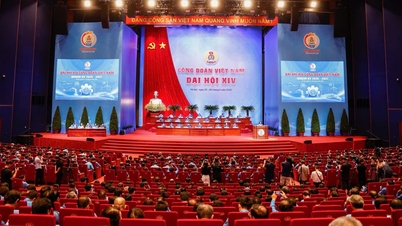
![[Photo] First session of the 14th Congress of the Vietnam Trade Union](https://vphoto.vietnam.vn/thumb/1200x675/vietnam/resource/IMAGE/2026/06/03/1780465947883_ndo_br_img-3852-jpg.webp)


























![[Video] Sunset at Lap An Lagoon – Where the sun sets over the fishing nets](https://vphoto.vietnam.vn/thumb/1200x675/vietnam/resource/IMAGE/2026/05/31/1780192137701_beach-landscape-sea-water-nature-grass-745871-pxhere-com.jpeg)


































Comment (0)