

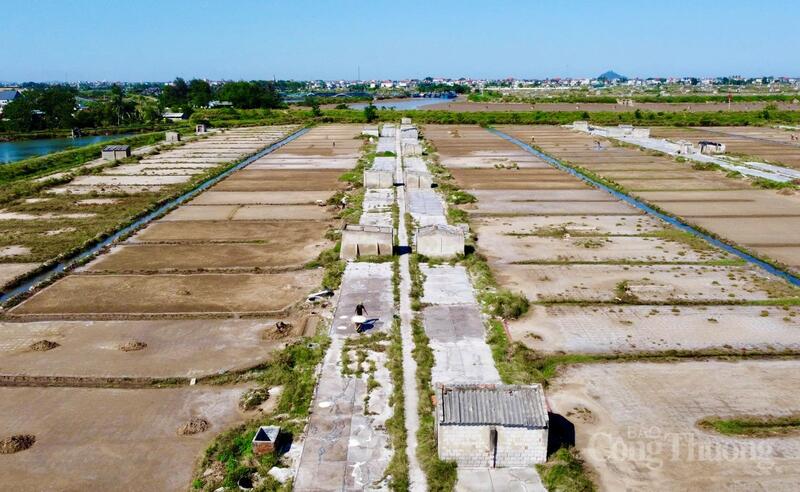
Amidst the scorching heat exceeding 40 degrees Celsius in late May, the salt fields in Hoa Loc commune, Thanh Hoa province, resemble a giant "furnace." Despite the intense heat, dozens of salt farmers diligently work to make a living. For them, the hotter the sun, the better the salt harvest, but this comes at the cost of salty sweat soaking into the fields. Photo: Quoc Anh
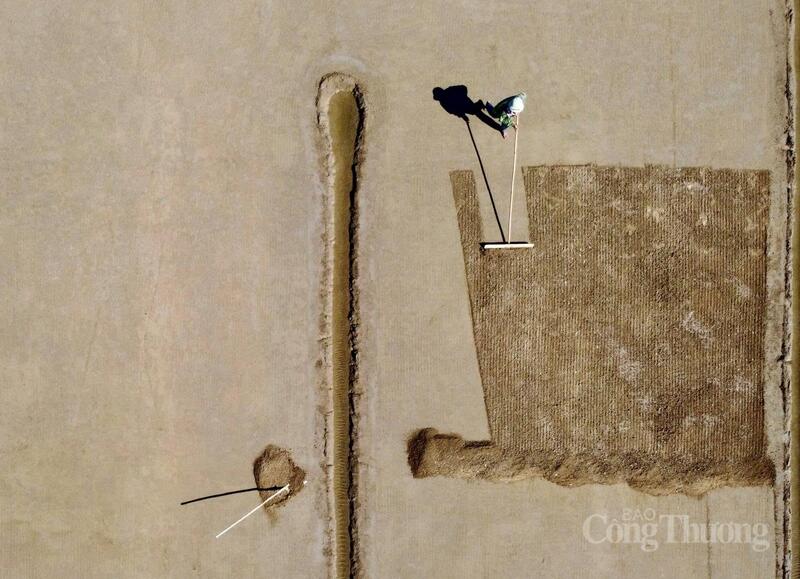
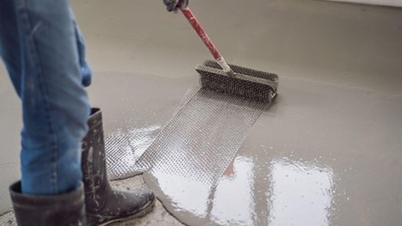
Making salt requires many meticulous steps, demanding strength and perseverance. The first step is preparing the ground, then shoveling the soil onto a raised platform, and pouring saltwater from a tank onto the drying area. Next, the sand must be soaked in seawater (salinity level 1), and then dried on a compacted earthen platform. Photo: Quoc Anh
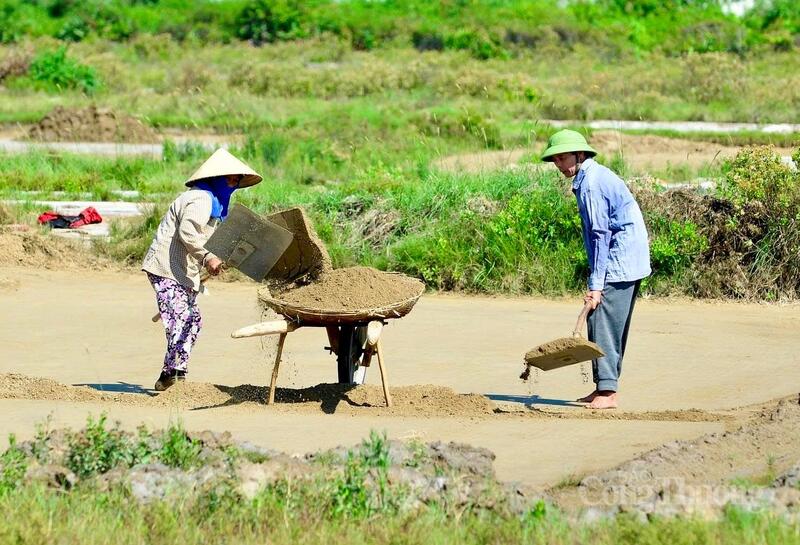
Using seawater filtered through the sand will yield a saltier solution, known as salinity level 2. The sand is then dried again, and the level 2 salinity water is filtered through the dried sand to obtain level 3 salinity. After adding the soil, salt farmers will scoop water from the canal and spread it over the soil base. The purpose is to prevent the soil from drying out and to increase the permeability of the brine. (Photo: Quoc Anh)
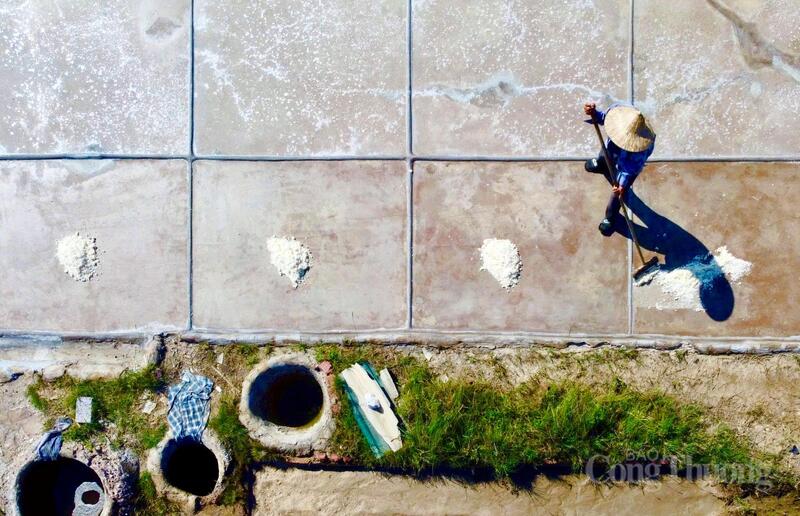
After drying the soil, the soil is scooped up and filtered to extract saltwater, which is then poured from the tank onto the drying area. Salt farmers adjust the amount of water added to the salt drying area based on the amount of sunlight and wind direction. On intensely sunny days, the amount of water must be increased; if too little water is added, the salt will crystallize prematurely, the salt grains will not meet quality standards, and production efficiency will decrease.
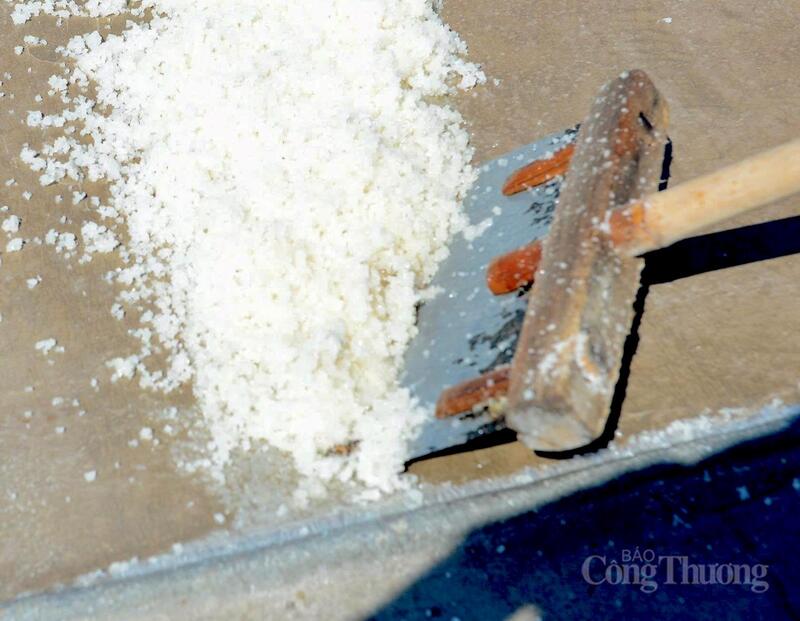
Between 3 PM and 5 PM is when the seawater evaporates, leaving behind pure salt crystals. At this time, locals harvest the salt and transport it to warehouses for storage, waiting to sell it. Photo: Quoc Anh
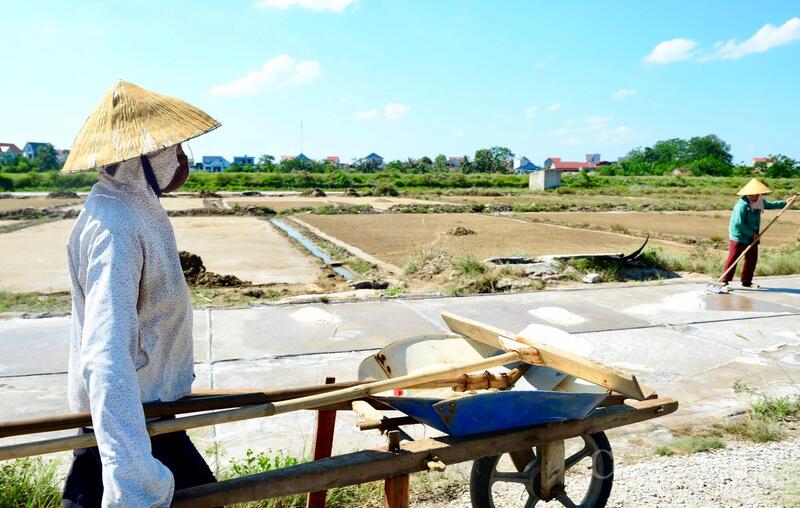
According to locals, salt production can only be carried out for about 6-7 months each year, with complete cessation during rainy days. Furthermore, this profession is arduous and provides an unstable income, so nowadays, few young people pursue it; only older people remain to work in the salt fields. (Photo: Quoc Anh)
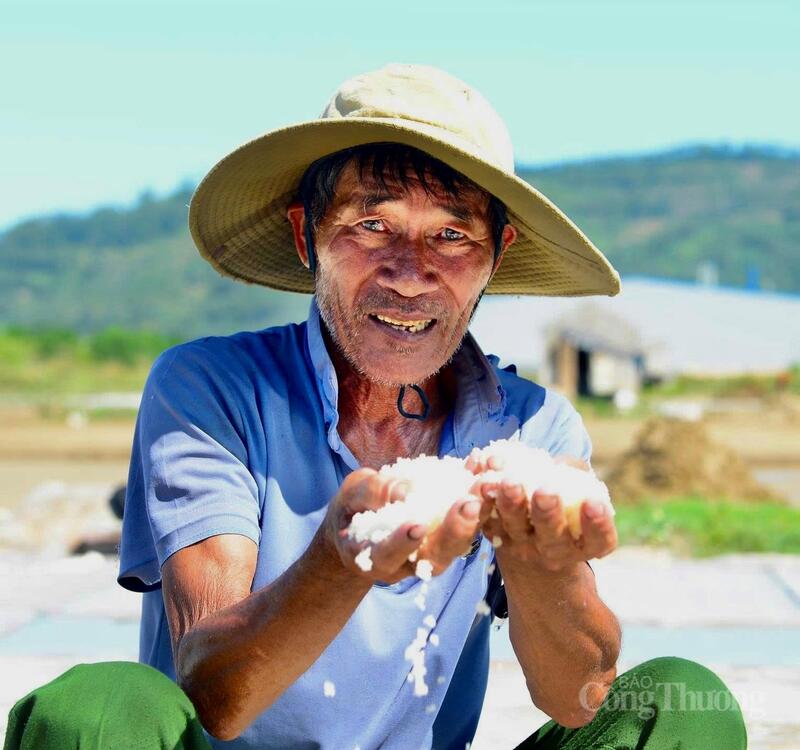
Looking at the pristine white salt crystals after days of hard work, Mr. Le Van Thuan (72 years old, Hoa Loc commune) said that he has spent more than half his life working in the salt fields. “The stronger the sun, the faster the salt crystallizes. Therefore, the hottest days are also when salt farmers work the hardest. New workers often get dizzy because the sunlight reflecting from the fields is very hot,” Mr. Thuan said. Photo: Quoc Anh
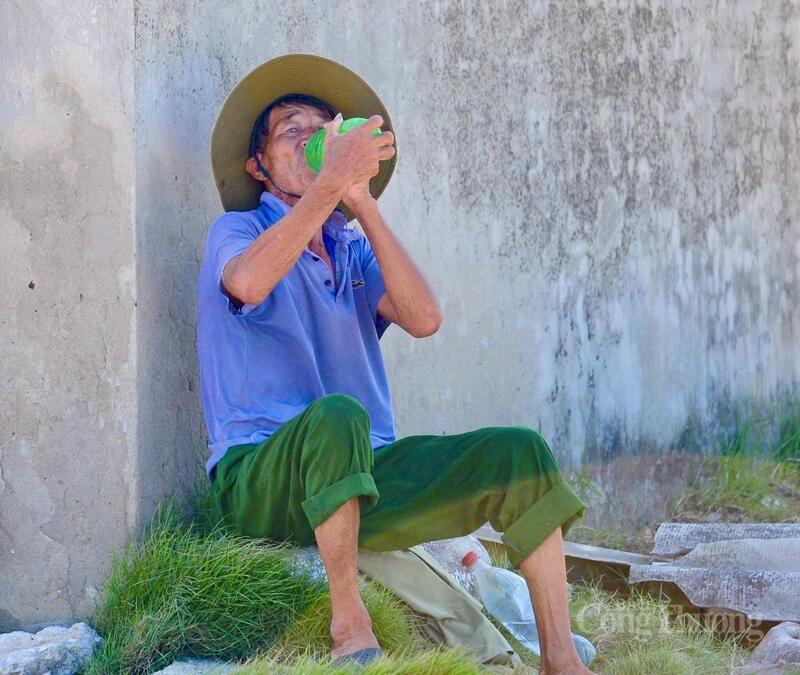
According to Mr. Thuan, salt production in Hoa Loc commune has existed for hundreds of years. It is also one of the largest salt fields and one of the few remaining traditional salt-making areas in Thanh Hoa province. Salt production is entirely dependent on the weather. Just one unseasonal rain shower can wash away a whole day's labor. Photo: Quoc Anh
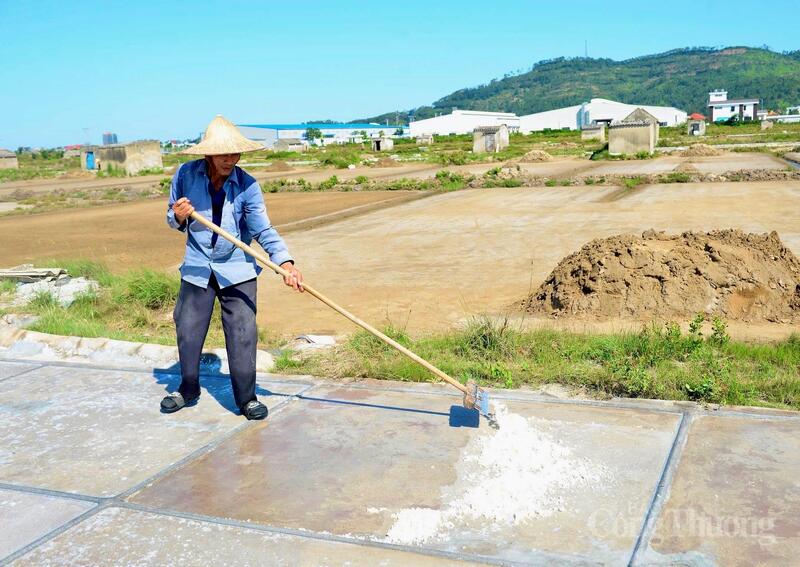
“Besides being hard work, salt production also faces the worry of uncertain market demand. Prices have been unstable for many years, sometimes dropping so low that salt farmers' incomes are negligible. On average, after a hard day's work under the hot sun, each person only earns a few hundred thousand dong, even in favorable weather,” Mr. Thuan said. Photo: Quoc Anh
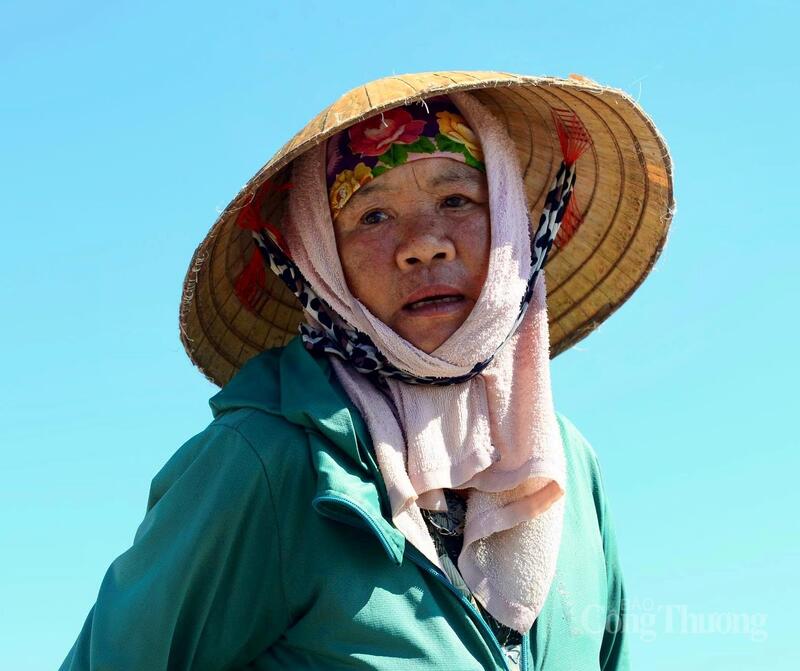
To cope with the scorching sun, salt workers have to dress in layers, wearing wide-brimmed hats, face masks, boots, or wrapping multiple layers of cloth around their legs. Even so, many still suffer from sunburn and exhaustion after hours of working outdoors. (Photo: Quoc Anh)
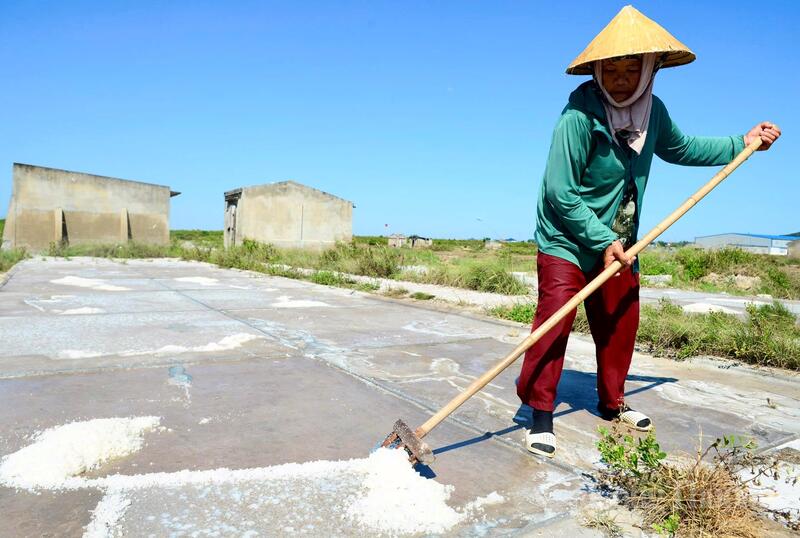
At midday, when the sun blazed down on the salt fields, many salt farmers still couldn't rest. The rustling sound of raking salt, mingled with the sound of the sea breeze, created a familiar rhythm of labor in this coastal countryside. Photo: Quoc Anh
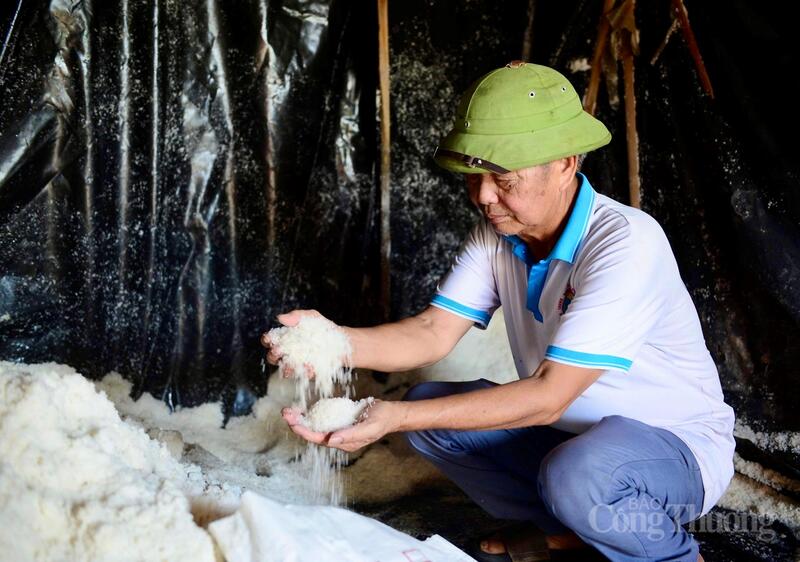
Having developed over approximately 300 years, salt production in Hoa Loc commune is still preserved by many salt farmers as a part of the memories and livelihoods of this coastal region. Currently, the Tam Hoa Salt Cooperative in Hoa Loc commune has two salt fields with a total area of about 26 hectares, maintaining around 80 households still engaged in the profession. Photo: Quoc Anh
Source: https://congthuong.vn/diem-dan-thanh-hoa-oan-minh-giua-chao-lua-lam-muoi-458642.html
![[Photo] Life on both banks of the river returns to its bustling pace on the day the Long Bien Bridge opens to traffic.](https://vphoto.vietnam.vn/thumb/1200x675/vietnam/resource/IMAGE/2026/05/28/1779949763708_cau-long-bien-minh-duy-7-3610-jpg.webp)

![[Photo] The heat at the fireworks display site on the opening night of the Da Nang International Fireworks Festival 2026](https://vphoto.vietnam.vn/thumb/1200x675/vietnam/resource/IMAGE/2026/05/27/1779889741485_ndo_br_z7872039145157-fecaba5112f39e8352544099d7ef4738-5140-jpg.webp)































































































Comment (0)