

During the "final stretch" of exam seasons, increased academic pressure forces students' brains to work at maximum capacity. Biologically, although the brain accounts for only about 2% of body weight, it consumes 20%–25% of the total energy and oxygen of the entire metabolic system. When stress is prolonged, this consumption rate increases even further, easily leading to a state of "nervous exhaustion".
To help students optimize their cognitive performance, maintain high levels of concentration, and combat fatigue, I would like to provide a deeper analysis of the medical metabolic mechanisms and offer the most practical and intuitive nutritional solutions below:
Stabilizing blood sugar: a mechanism for sustained energy for the brain.
Mechanism of deep metabolism
Glucose is the only fuel source that nerve cells (neurons) can directly use to convert into ATP (energy). However, the brain does not have the ability to store glucose (unlike the liver or muscles which store glycogen). Therefore, it is entirely dependent on a steady supply of glucose from the circulating blood.

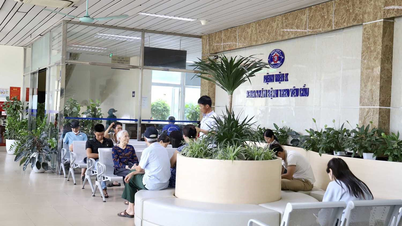
Proper nutrition during exam season helps support memory, alertness, and overall health for students.
When students consume simple sugars and refined sugars (sweets, soft drinks, white bread), their blood sugar levels spike. The body immediately reacts by releasing a large amount of insulin to lower blood sugar, leading to reactive hypoglycemia. When blood sugar suddenly drops below baseline levels, the brain enters a state of "energy starvation," causing symptoms such as brain fog, drowsiness, anxiety, and rapid heartbeat as the body activates the stress hormones cortisol and adrenaline to mobilize endogenous sugar.
Practical solutions
To maintain a steady glucose level, children should prioritize complex carbohydrates with a low glycemic index (GI < 55). The fiber and bran in these carbohydrates slow down the hydrolysis by the enzyme alpha-glucosidase in the intestines, allowing glucose to be released into the bloodstream slowly and steadily.
Preferred diet: Brown rice, oatmeal, sweet potatoes, and whole grains.
How to apply: Instead of eating one large main meal (which causes blood to rush to the stomach for digestion, reducing blood flow to the brain and leading to drowsiness), divide it into 3 moderate main meals and 2 light snacks (for example: 1/2 a sweet potato or a glass of unsweetened nut milk at 10 am and 3 pm).
Optimizing neuronal membrane permeability with essential lipids.
Mechanism of deep metabolism
Approximately 60% of the brain's rough structure is fat, and Omega-3s (especially DHA) are present in very high proportions in the phospholipid bilayer of nerve cell membranes and synapses.
DHA determines membrane fluidity. When cell membranes are fluid, receptors that receive neurotransmitters become more responsive, optimizing the speed of electrical signal transmission between neurons. This directly reinforces Long-term Potentiation (LTP) in the hippocampus – the core of long-term memory formation and retention. Conversely, a diet high in saturated fats (fried foods, animal fats) will harden cell membranes and slow down the brain's processing speed.
Practical solutions
The body cannot synthesize Omega-3 on its own and must obtain it from external sources.
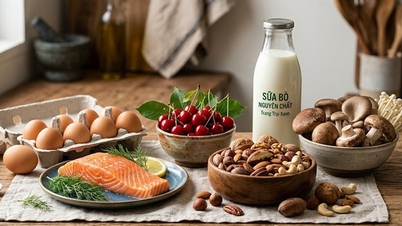
Recommended menu items: Salmon, mackerel, sardines, walnuts, chia seeds, flax seeds.
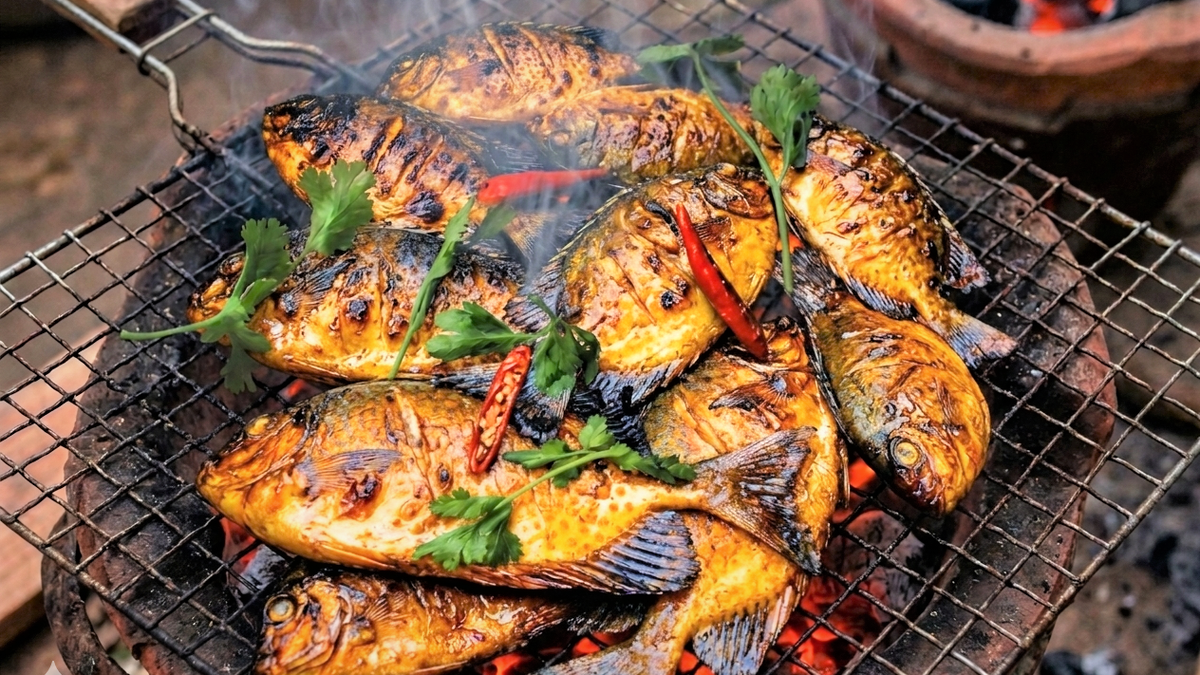
How to apply: Ensure you have at least 2-3 fish meals per week during the exam preparation period. When preparing fish, prioritize steaming, braising, or pan-frying instead of deep-frying to avoid oxidizing the less stable double bonds of Omega-3. As for walnuts, students can eat 4-5 walnuts daily as a snack while studying at night.
Enhanced neurotransmitter synthesis and methylation pathway
Mechanism of deep metabolism
For the brain to retain information well and maintain alertness, the body needs the raw materials to synthesize acetylcholine (the main neurotransmitter that controls short-term memory and concentration) and optimize the Methylation Cycle.
Choline: A direct precursor to acetylcholine, which is produced via the enzyme choline acetyltransferase.
B vitamins (B6, B9/Folic Acid, B12): These play a crucial role as coenzymes in the metabolic pathway that converts homocysteine into methionine. A deficiency in these vitamins leads to high levels of homocysteine in the blood, causing toxicity to nerve cells, damage to microvascular blood vessels in the brain, and cognitive decline. Additionally, vitamin B6 is essential for converting tryptophan into serotonin (a hormone that regulates mood and reduces anxiety).
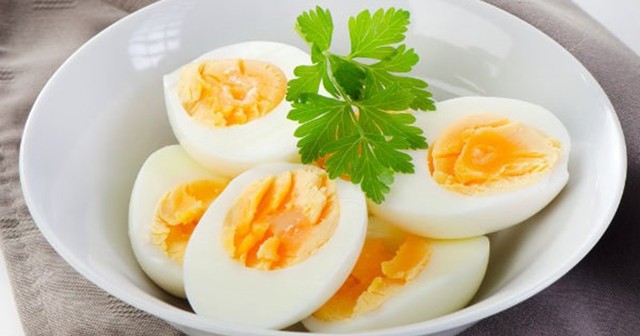
Eggs are a nutritious food during exam season.
Practical solutions
Many parents believe that children should avoid eating eggs before exams for fear of getting a "zero score." This is a major mistake from a clinical nutritional perspective. Eggs, especially the yolks, are one of the richest sources of bioavailable choline and lecithin, with extremely high absorption rates.
Recommended menu items: Chicken eggs, clean animal liver, lean beef, and dark green leafy vegetables (the darker the green, the richer in folic acid).
How to apply: Add 3-4 chicken eggs to your diet each week. Combine meals containing meat/fish with vegetables such as broccoli and spinach to ensure you get enough B vitamins.
Regulating the endocrine axis (HPA) and acting as a shield against stimulant toxicity.
Mechanism of deep metabolism
Prolonged school stress activates the Hypothalamus-Pituitary-Adrenal Axis (HPA), causing a continuous release of cortisol. This excessive increase in cortisol leads to increased release of glutamate (an excitatory neurotransmitter) at the synaptic cleft. When glutamate overloads, it binds massively to NMDA receptors, opening calcium channels and causing an uncontrolled influx of Ca2+ into neurons. This activates intracellular breakdown enzymes and causes excitotoxicity – damaging and killing brain cells.
Magnesium acts as a natural "gatekeeper." It blocks the NMDA channel, preventing calcium from flooding in uncontrolledly without physiological signals, thereby calming the central nervous system, reducing anxiety, and preventing stress-induced apoptosis (cell death due to stress).
Flavonoids: These polyphenol compounds are capable of crossing the blood-brain barrier (BBB), neutralizing free radicals (ROS) generated by stress, and activating the CREB signaling pathway to enhance the expression of BDNF (Brain-Derived Neurotrophic Factor) – a brain-nourishing factor that protects and stimulates the growth of new nerve cells.
Practical solutions
Recommended menu items: Dark chocolate (containing more than 70% cocoa), berries (blueberries, strawberries, raspberries), and nuts (almonds, cashews).
How to apply: When students feel stressed, have headaches, or experience mental fatigue between classes, give them 1-2 small bars of dark chocolate (about 20g) or a handful of blueberries. This not only provides antioxidant benefits for the brain but also stimulates the release of endorphins, providing an immediate feeling of relaxation.
A comprehensive nutrition strategy for a day of exam preparation.
To make it easier to understand and apply, parents can implement the following framework in practice:
Breakfast (Energy Focus): 1 bowl of oatmeal with minced meat + 1 soft-boiled egg (Provides sustained energy and Choline for a refreshing morning).
Morning snack (10:00 AM): 1 handful of mixed nuts (walnuts, almonds) + 1 large glass of water.
Lunch (For physical recovery): 1.5 bowls of brown rice + 150g pan-fried salmon + 1 plate of boiled spinach + 1 bowl of soup.
Afternoon snack (3:30 PM): 1 container of plain yogurt with blueberries or strawberries (Provides flavonoids and probiotics, reduces digestive stress).
Dinner (Relaxing, preparing for sleep): 1 small bowl of rice + 150g steamed chicken breast + vegetable soup. Water intake rule: The brain is 80% water. It is recommended that students drink 30-40 ml of water per kg of body weight per day. Keep a water bottle on your study desk and take small sips every 20-30 minutes; never wait until you are thirsty to drink.

Source: https://suckhoedoisong.vn/dinh-duong-mua-thi-an-gi-de-hoc-tot-thi-tot-1692605261000334.htm



![[Photo] General Secretary and President To Lam presides over the meeting to approve the draft report on the results of the second inspection by the Politburo of the Standing Committee of the Hanoi City Party Committee.](https://vphoto.vietnam.vn/thumb/1200x675/vietnam/resource/IMAGE/2026/05/26/1779789811432_a2-bnd-4430-9620-jpg.webp)






































































































Comment (0)