

In the context of globalization and the Fourth Industrial Revolution, Vietnam's basic research and fundamental science are still lagging behind on the world's scientific map.
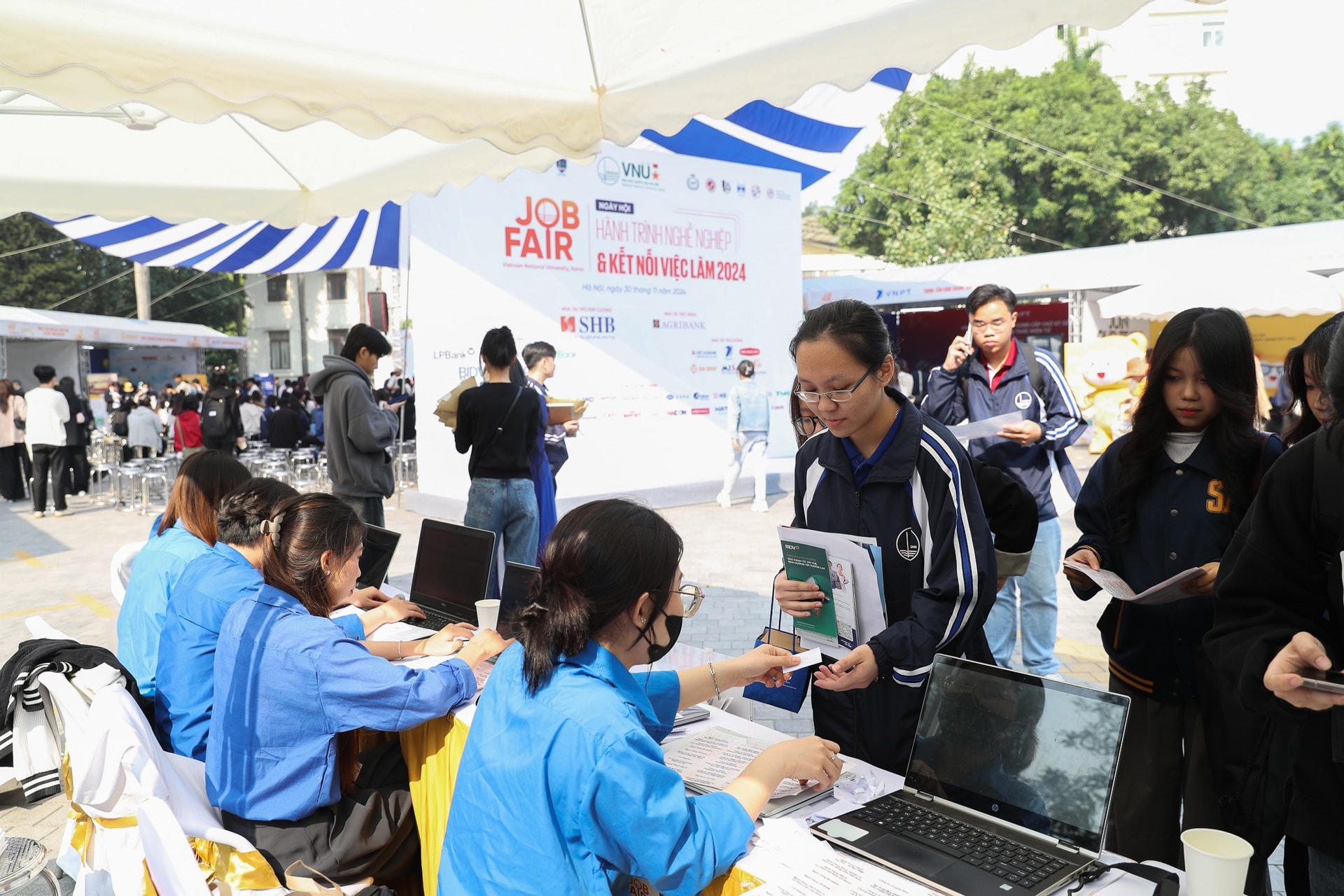
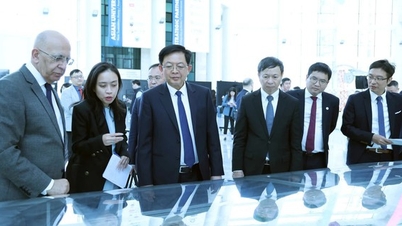
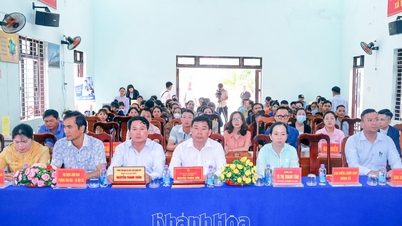
At the national scientific conference themed "Basic Science and National Responsibility," recently organized by the University of Social Sciences and Humanities (Vietnam National University, Hanoi), one of the issues that many delegates discussed was how basic science will function in the digital age, the era of national progress, and how basic science research and training need to change to adapt.
Deputy Minister of Labour, Invalids and Social Affairs Nguyen Van Hoi acknowledged that the ongoing fourth industrial revolution, with the emergence of AI and big data, is predicted to change production methods and social relations. Basic science also plays a significant role in addressing pressing issues such as improving labor productivity, population aging, and mental health issues for citizens and workers.
Mr. Hoi argued that a crucial issue in today's competitive, globalized "flat world" for universities training basic sciences is the need to train a highly skilled workforce – graduates, masters, and doctoral degree holders of comparable quality to ASEAN countries like Singapore and Malaysia, and subsequently to developed countries like Australia, Japan, and the United States. Students trained domestically must first achieve a quality standard on par with other countries in the region. In addition, attracting foreign students and human resources from other countries to study and work in Vietnam is also essential.
Professor Pham Hong Tung, former Director of the Vietnam Institute of Studies and Development Science, observes that basic and applied sciences are currently showing a very close and high degree of integration. However, basic research and applied research can never be integrated, and should never be integrated. The reason is that basic research focuses on theory, methods, and new information, while applied research aims to utilize the outputs of basic research in socio-economic development and in life.
Recent admission seasons have shown that while "hot" majors attract many applicants, basic science majors have relatively low annual enrollment rates. One of the reasons for this is the lack of effective and efficient promotional channels for basic science majors. Students, and society in general, are heavily influenced by mass media. When encountering majors frequently featured in the media, many people assume that these are fields with easy job placements and high salaries after graduation, without fully understanding the actual work environment and level of competition.
Furthermore, preferential policies such as scholarships and support for students in basic science fields from universities and the government are no longer as attractive or appealing to students compared to other fields. This has been proven in practice, as this academic year, the number of applications for teacher training programs increased by 85% compared to 2023. A series of changes have made teacher training programs attractive again after nearly 20 years of low student interest, with fluctuating admission scores causing many to worry about the quality of student intake and how it will affect the quality of future teachers.
Similarly, if the basic science fields receive enhanced communication and promotion, along with systematic and well-structured investment policies and improved training programs that align with societal and market demands, student enrollment will flourish. The Ministry of Education and Training has already submitted a plan to the Prime Minister for training high-quality human resources to serve high-tech development. This plan proposes specific solutions to support the training of human resources in basic science fields.
Source: https://daidoanket.vn/dinh-vi-nghien-cuu-khoa-hoc-co-ban-thoi-4-0-10296801.html

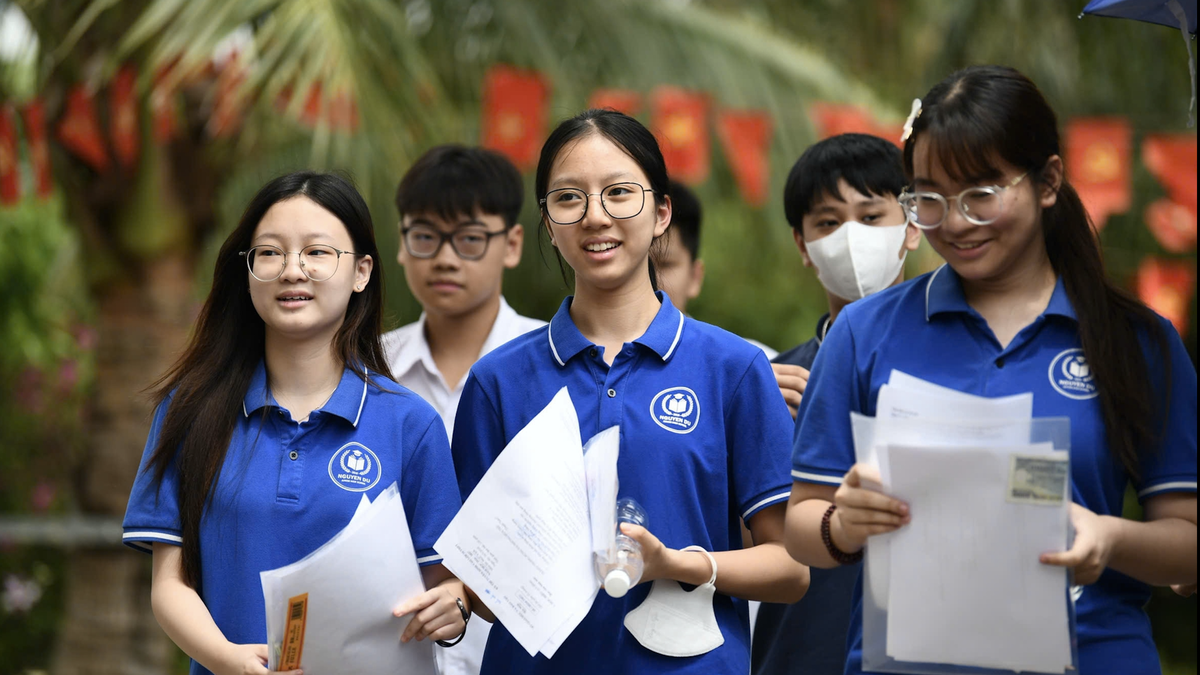


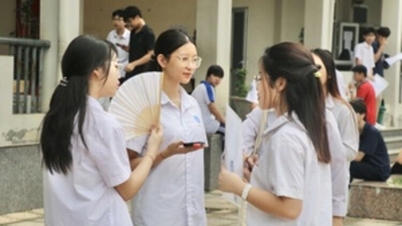
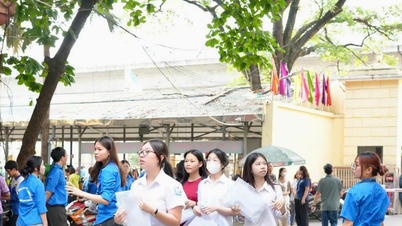
![[Image] Nearly 125,000 Hanoi students completed the Literature exam for the 10th grade entrance exam.](https://vphoto.vietnam.vn/thumb/1200x675/vietnam/resource/IMAGE/2026/05/30/1780117233041_ndo_br_thiet-ke-chua-co-ten-2-png.webp)

























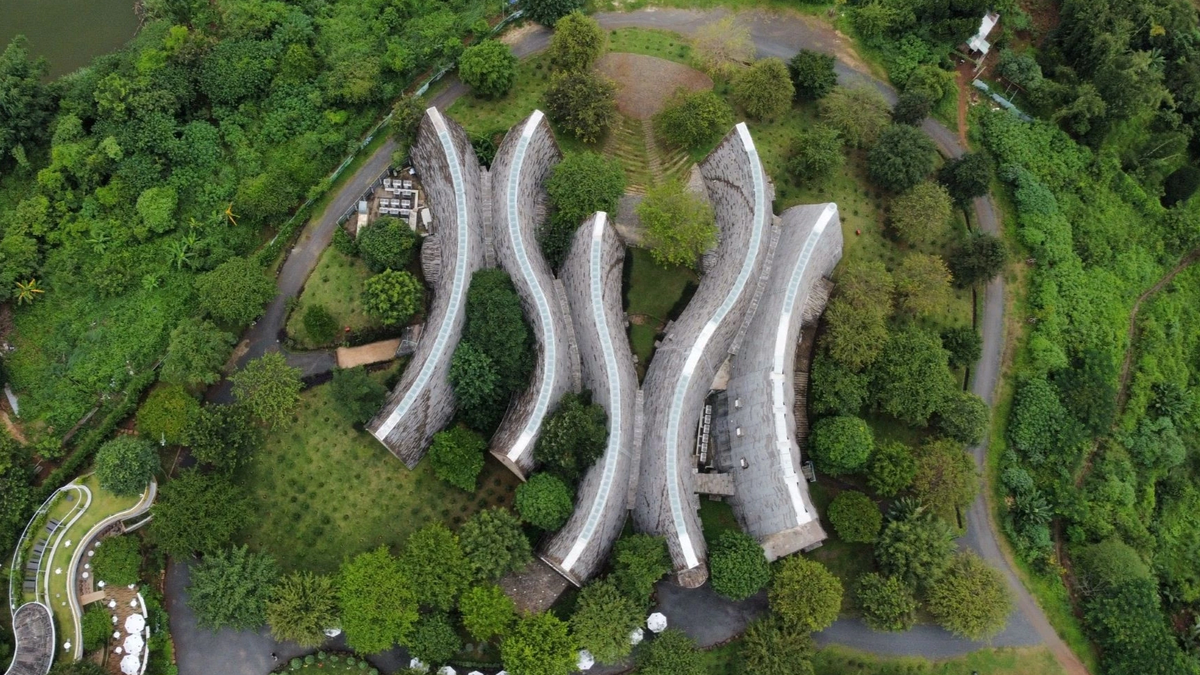
![[Photo] Admire the coral "masterpiece" amidst the million-year-old heritage of Dak Lak province.](https://vphoto.vietnam.vn/thumb/1200x675/vietnam/resource/IMAGE/2026/05/30/1780107638639_y25-jpg.webp)

































































Comment (0)