

The world's most populous Muslim-majority countries, such as Indonesia, Malaysia, the South Asian region, Pakistan, and Bangladesh, which consume Halal food, are in need of importing large quantities of Vietnamese agricultural products.
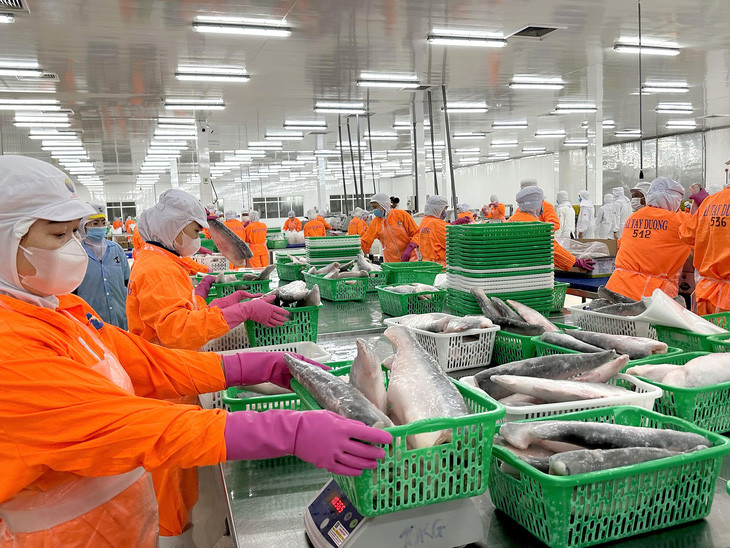
Expanding factories, diversifying products, improving quality, and investing in advanced processing technology to satisfy consumers... these are the strategies Vietnamese businesses are employing to open doors to the market. Halal, with its strict requirements according to Islamic law.
According to the Global Islamic Economic Report, Halal food spending is estimated to reach $7.7 trillion by 2025 and is projected to increase to $10 trillion by 2028. Meanwhile, the Muslim population currently accounts for approximately 24% of the world's population and is expected to grow by another 3% by 2050.
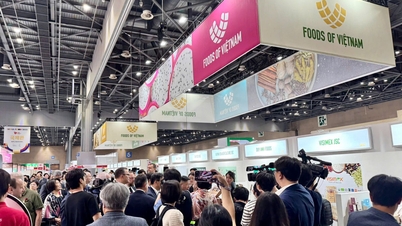
The Halal market presents significant opportunities for Vietnamese businesses but also comes with numerous challenges. Due to the strict regulations of Halal standards for products of animal origin, Vietnam's Halal exports are primarily agricultural products.
Processed agricultural products from Vietnam are popular.
With a closed-loop model from animal feed production to poultry farming and the final products of eggs, chicken meat, and related processed products, Ms. Pham Thi Huan - Chairwoman of the Board of Directors of Ba Huan Joint Stock Company - said that the company's products have been on the market for many years, but only chicken eggs have received a "new wave" because they are certified Halal.
"Ba Huân's chicken eggs are available in five countries and territories: the United States, Hong Kong, Singapore, Japan, and Malaysia. In addition to our farm in Binh Duong province, we are building another farm in Ben Luc (Long An province), increasing total production to 2 million eggs per day to supply the markets of Muslim countries. We have already obtained Halal certification; we just need to wait for the market to open up, and Vietnamese chicken eggs will be on the tables of these markets," Ms. Huân said.
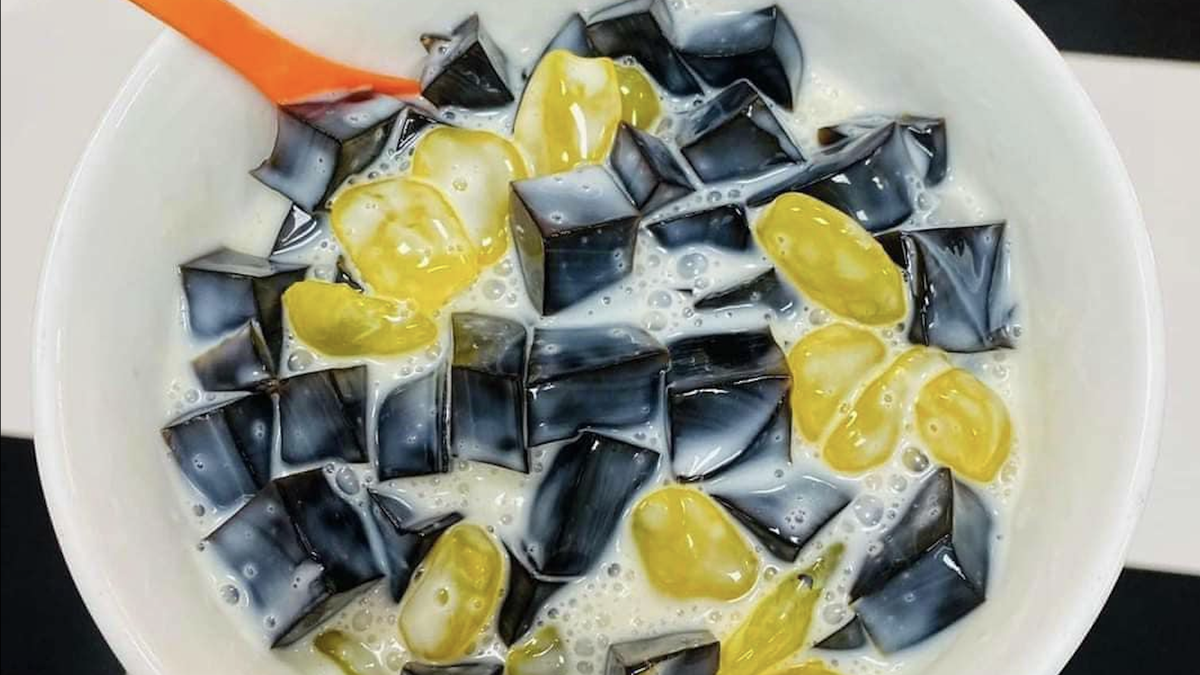
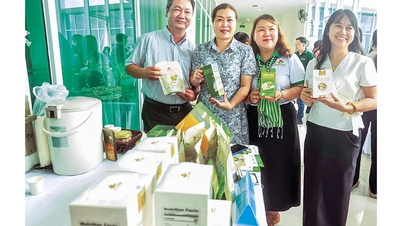
Meanwhile, after more than 10 years of exporting aloe vera and coconut jelly products to the Middle East market according to Halal standards, Mr. Nguyen Van Thu - director of GC Food Company - believes that the opportunities in this market are enormous. Over the past 10 years, GC Food's customer base in the Halal product segment has gradually increased. Order volumes have also risen. Selling to one partner will lead to attracting other partners.
"It's crucial that our production process is standardized and reliable. Not only in the Middle East market, but Halal-certified products are considered good for health, so processed agricultural products from Vietnam, or GC Food in particular, are also gaining ground in the Philippines, Malaysia, and other markets," Mr. Thu informed.
The world's most populous Muslim-majority countries, such as Indonesia, Malaysia, the South Asian region, Pakistan, and Bangladesh, are in high demand for Vietnamese agricultural products. Therefore, a cashew processing export company in Dong Nai province has recently invested in a set of machinery and technology from Japan to improve the quality of its cashews for the Halal market.
"Vietnamese cashews, when processed according to standards, are very fragrant, delicious, and have a 'very Halal' taste, so foreign customers are increasing their orders. With high-quality raw materials and advanced technology, the product will be upgraded. We expect all the machinery we ordered three months in advance to arrive at the factory in January 2025. Once we have Halal-certified products, we will confidently sign large contracts and ship to distant locations," the business owner stated.
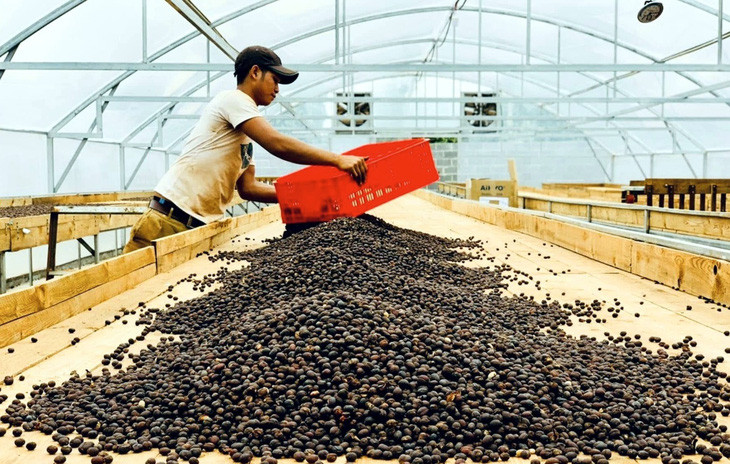
Long-term Halal standards must still prioritize quality.
Because there are no common regulations on Halal certification, and each market has its own specific requirements, exporting businesses believe that investing in product quality is crucial. According to Mr. Thu, many businesses have found opportunities in the Halal market, but are "mistaken" because they think having a Halal "passport" guarantees success in this market.
"Meeting Halal standards is only a necessary condition; the sufficient condition is still product quality. It's a large market, with many businesses worldwide aiming for it, meaning intense competition is always present. Besides reasonable prices, we can only truly succeed if Vietnamese products are of high quality. Improving quality year after year to ensure our products fully capture the preferences of consumers in this market is the only sustainable approach," Mr. Thu analyzed.
A well-structured production process, a standardized input system for raw materials, cultivation practices, and even standards for crop varieties must all be ensured to achieve sustainable Halal certification. According to a representative of a company specializing in pangasius fish exports, Vietnam does not yet have a unified Halal standard applicable to all countries; instead, many agencies and organizations are involved in the certification process with different procedures.
"Vietnamese agricultural products meet food safety and hygiene standards in accordance with Halal certification, for example, VietGAP, GlobalGAP, organic certification, HACCP, ISO... and are favored by Muslims. Not to mention, Vietnamese agricultural products can conquer the multi-billion dollar market thanks to deep international economic integration with countries through Free Trade Agreements (FTAs)... But looking back, there is no unified Halal standard, which is a major barrier for products wanting to enter this market," this person said.
According to a leader from the Ministry of Agriculture and Rural Development, Middle Eastern countries import up to 80% of their food needs, equivalent to $40 billion annually. Significantly, the demand for imported food and the structure of imported goods in this market align with Vietnam's strengths. Furthermore, import tariffs are very low, ranging from 0% to 5%, creating significant opportunities for businesses.
"There are many opportunities, but businesses still face many challenges when exporting. The important thing is to build a systematic market entry strategy. This will then serve as a foundation for producing export products with appropriate quality, specifications, and designs," this person emphasized.
Source


![[Image] Hanoi's urban life under the challenge of a "scorching hot" environment](https://vphoto.vietnam.vn/thumb/1200x675/vietnam/resource/IMAGE/2026/05/25/1779706979265_nang-nong-t5-2026-minh-duy-7-4636-jpg.webp)












































































Comment (0)