

Faced with the urgent need for innovation in leadership methods when operating a two-tiered local government, Muong Lai commune has pioneered the application of a specialized software system to assign tasks and evaluate key performance indicators (KPIs) for officials. Digitizing the management process creates an objective and transparent measure for assessing competence; it helps local leaders closely monitor progress and provide close guidance in accordance with the "6 clear principles," making a significant contribution to the goal of building a digital government.
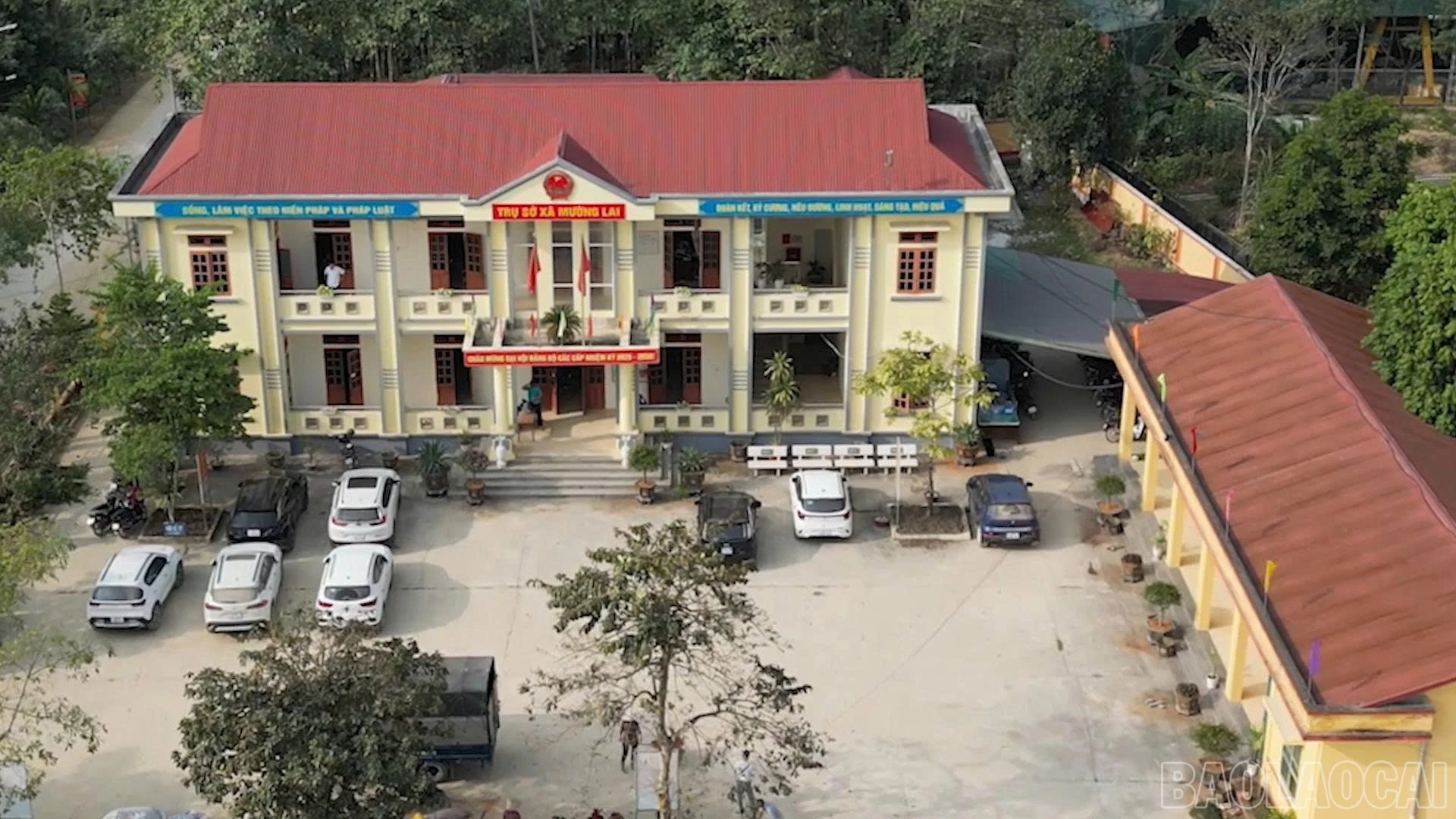
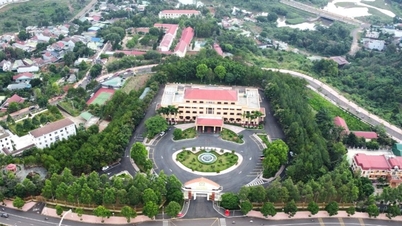
In the Mường Lai commune Party Committee, the story of innovating leadership methods through technology is no longer a distant theoretical concept. After the merger of four communes (An Phú, Minh Tiến, Vĩnh Lạc, and Mường Lai) with a vast natural area of over 14,384 hectares and a population of over 25,500 people, the management pressure on the local government apparatus has become heavier than ever.
To smoothly manage an area with 49 party branches and nearly 1,150 party members, maintaining the traditional method of assigning tasks through verbal instruction has revealed certain limitations in terms of timeliness and the ability to control the final product.
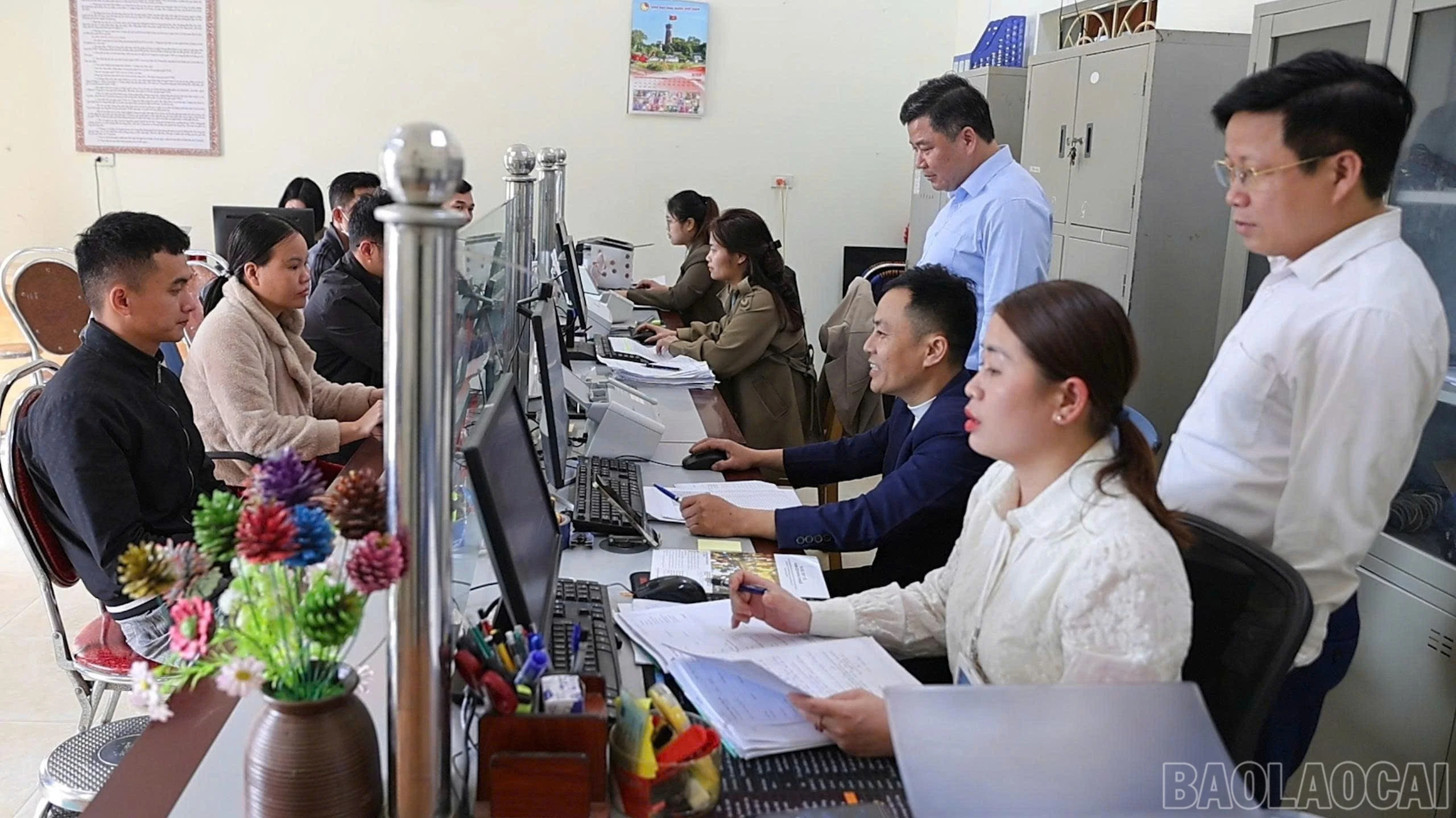
Launched in January 2026, the task assignment and KPI management software system has been implemented in the working procedures of the commune office. To date, 100% of commune officials and civil servants have become proficient in using the software; out of a total of 440 assigned tasks on the system, the completion rate reached an impressive 96%. Notably, the satisfaction level of the staff with the system reached a perfect 18/18 votes, and the score for handling administrative procedures also reached 19.8/20 points.
However, in the beginning, many officials were confused by the technical procedures and how to establish targets in a scientific manner.
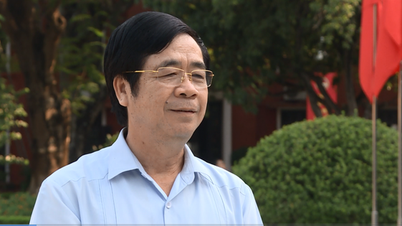
Ms. Hoang Thi Oanh, a civil servant at the Culture and Social Affairs Department of Muong Lai commune, shared about the challenging initial phase: "In the beginning, implementing KPIs was difficult because it was a new concept. Some officials were not yet familiar with how to determine targets, and data updates were slow."
Recognizing the obstacles, the Party Committee and People's Committee of the commune did not choose to impose administrative orders. Instead, they persistently organized guidance sessions through meetings, clearly assigned responsibilities for each target, and implemented a weekly progress tracking system.
It was this close attention that helped officials like Ms. Hoang Thi Oanh change their mindset: "Through implementing KPIs, I manage my work more effectively and am more proactive in my professional duties."
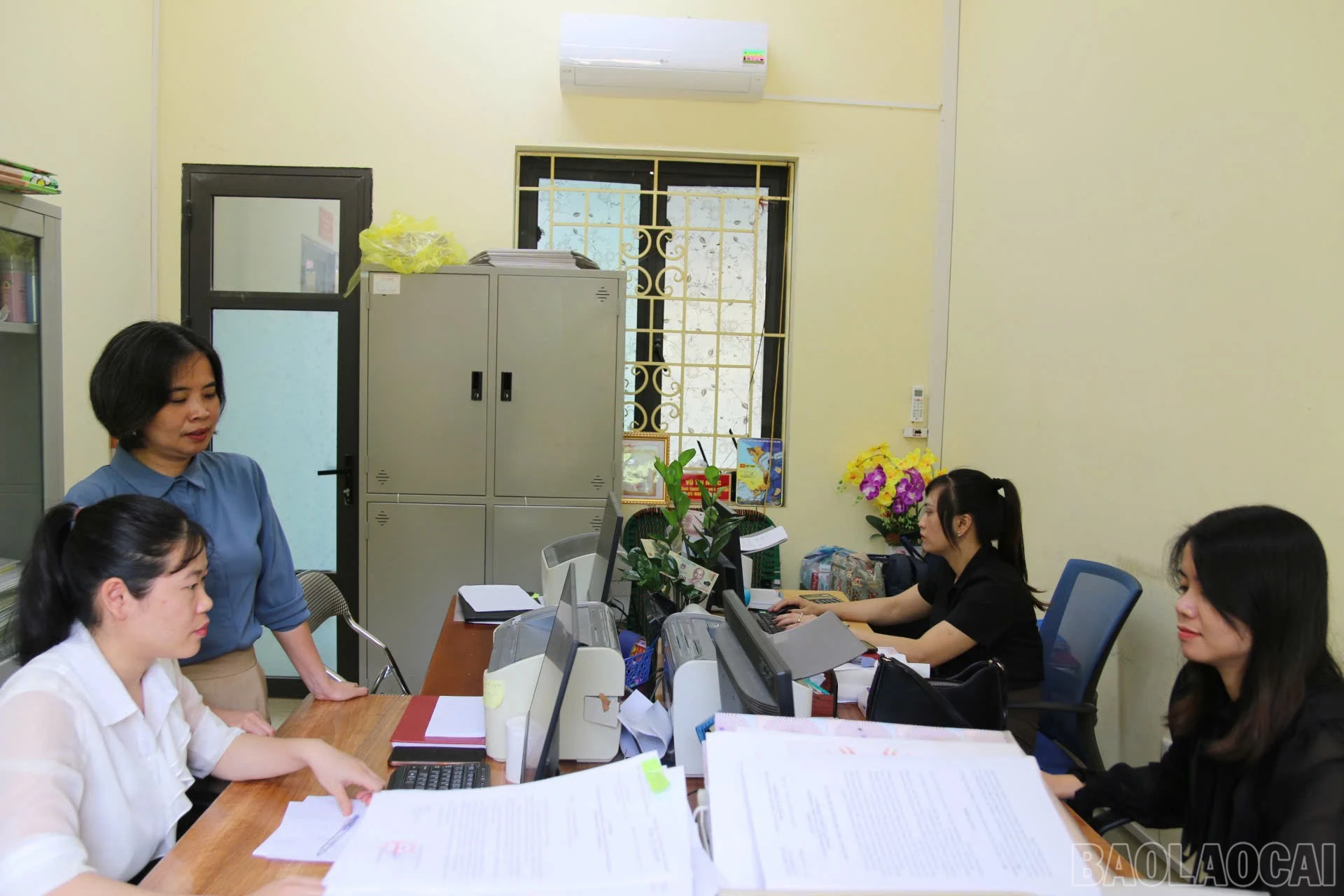
The transparency of KPIs is also reflected in the quantification of individual responsibilities within the organization. For the Party Committee office, the software becomes a powerful tool for "digitizing" resolutions and directives into practice.
Mr. Hoang Van Thieu, a specialist at the Party Committee Office of Muong Lai commune, said: Based on the tasks agreed upon monthly by the Standing Committee and the Party Committee, he regularly updates the tasks assigned to the members of the Executive Committee. This process is closed-loop, from assigning tasks to completion, creating a reliable database for evaluating cadres at the end of the month.
Analyzing the operational mechanism in more detail, Mr. Nong Tuan Anh - Chief of the Party Committee Office of Muong Lai commune - emphasized that the system's discipline has eliminated the "last-minute rush" situation or overlapping coordination between specialized departments.
The reality in Muong Lai shows that KPIs are not only a management tool but also a "microscope" that helps leaders examine the actual capabilities of their subordinates.
The results of the first quarter 2026 performance evaluation of the Mường Lai Commune Party Committee show positive differentiation: among the 63 leading and managerial cadres under the Party Committee's management, 11 comrades excellently completed their tasks (accounting for 17.5%), while the remaining 52 comrades satisfactorily completed their tasks (accounting for 82.5%). This realistic evaluation has significantly overcome the long-standing problems of favoritism, avoidance, or "one-size-fits-all" evaluations in cadre work in some localities in the past.
Alongside the initial positive results, Muong Lai also frankly acknowledged its shortcomings. In some village Party branches, the quality of self-criticism was not truly thorough; the proactive attitude of some Party members in registering for tasks was not specific enough, leading to results that did not meet expectations. This shows that, no matter how modern the technological tools are, the decisive factor still lies in the sense of responsibility of each individual.
Looking at the entire province of Lao Cai , the model in Muong Lai marks an important step in the digital transformation roadmap for Party and government building. Maintaining 100% of Party branches conducting activities on the electronic Party member handbook application and integrating KPIs into monthly and quarterly evaluations is creating a new impetus in the working style of grassroots officials.
Source: https://baolaocai.vn/dot-pha-phuong-thuc-lanh-dao-tu-he-thong-kpi-post899127.html
![[Image] Checking the security conditions at the exam site, ready for the 10th grade exam.](https://vphoto.vietnam.vn/thumb/1200x675/vietnam/resource/IMAGE/2026/05/28/1779943458889_z7872507660648-d764421a26e8cd7b61d70d142a48a685-jpg.webp)
![[Photo] Opening Ceremony of the National People's Council Conference on the Implementation of Directions and Tasks for the 2026-2031 Term](https://vphoto.vietnam.vn/thumb/1200x675/vietnam/resource/IMAGE/2026/05/28/1779939257690_ndo_br_bnd-1991-jpg.webp)


















































































Comment (0)