

Increase productivity, improve economic efficiency.
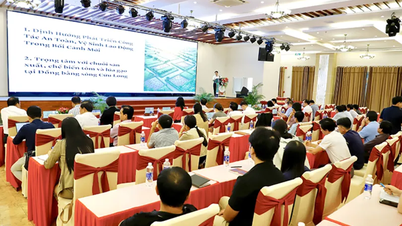
On December 17th, in Hanoi, the Central Committee of the Vietnam Farmers' Association, in collaboration with the Asian Farmers for Sustainable Rural Development (AFA) and other partners, organized a workshop to summarize the Asia-Pacific Farmers Programme (APFP), a project aimed at strengthening the resilience of farming households to the impacts of the Covid-19 pandemic. This was an important event to review the achievements after 5 years of implementation and discuss strategic directions for the next phase.
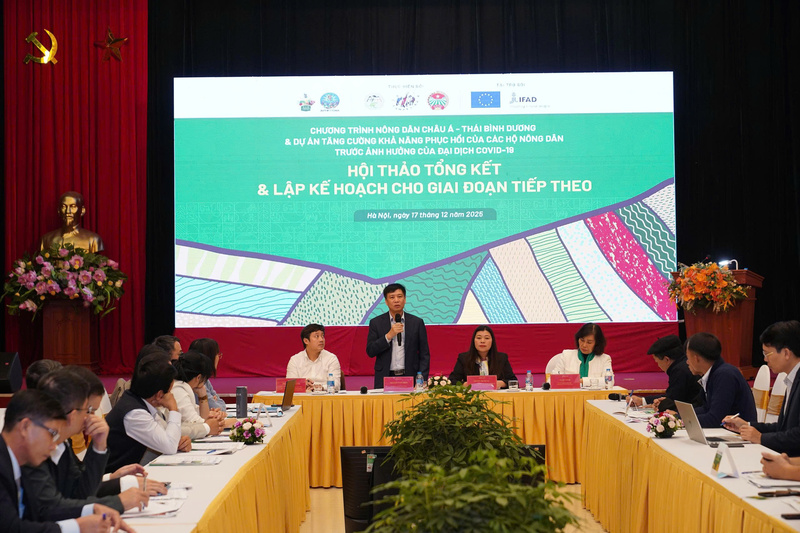
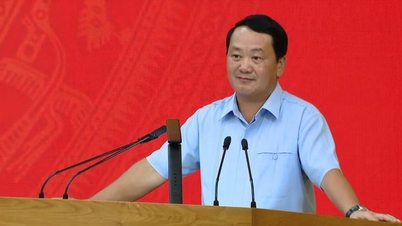
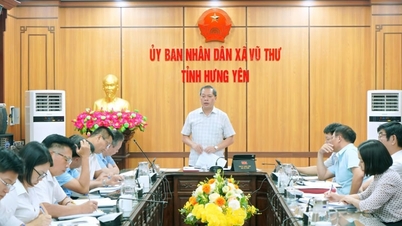
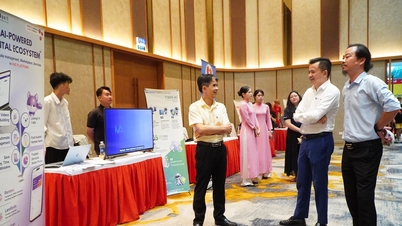
The workshop summarizing the Asia-Pacific Farmers Programme (APFP), a project aimed at strengthening the resilience of farming households to the impacts of the Covid-19 pandemic. Photo: Thanh Tra
According to the project results report, after 5 years of implementation (2021-2025), the Asia Pacific Farmers Programme (APFP) and the Project to Enhance the Resilience of Farm Households to the Impact of the Covid-19 Pandemic have brought about significant changes to the collective economic sector, especially agricultural cooperatives in many localities.
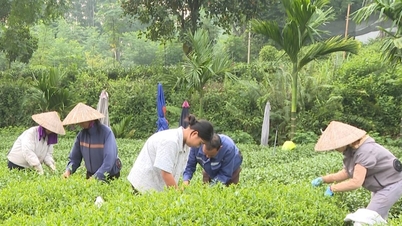
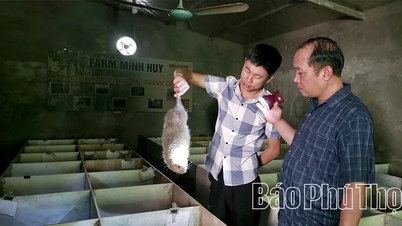
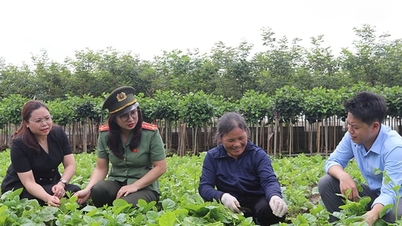
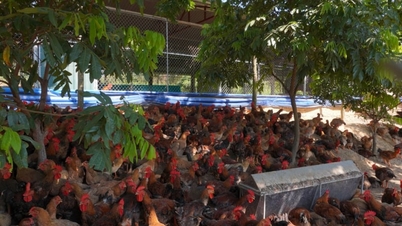
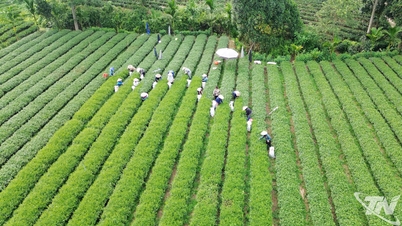
Through financial and technical support, the program has directly supported 14 exemplary cooperative models and cooperative groups in key sectors such as medicinal herbs, Shan Tuyet tea, mint honey, specialty rice, bio-secure livestock farming, and spices (pepper, cinnamon). In total, 48 cooperatives, cooperative groups, and professional farmers' associations with 2,308 members have accessed the project's support packages.
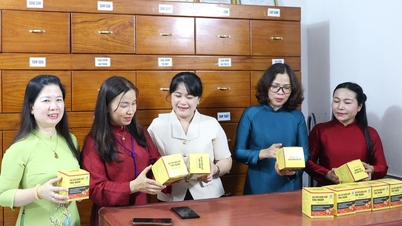
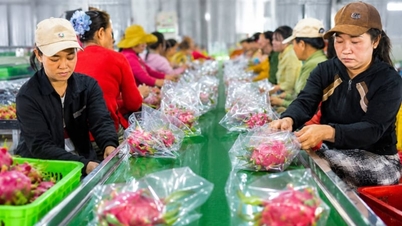
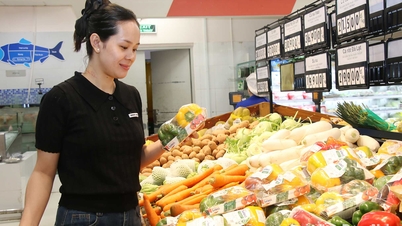
The support programs are designed to be relatively comprehensive, combining both "hardware" and "software," covering all stages from production and processing to trade. Of these, machinery and equipment, packaging and label design and printing, and technical training are the three categories that account for the largest proportion of the funding.
On average, each cooperative received approximately 350 million VND, higher than initially projected. The support structure focused heavily on investment in machinery, equipment, and packaging, accounting for nearly 75% of the total capital; the remainder was allocated to capacity-building activities such as technical training, market connections, barcode registration, and quality certification.
These interventions have created a leap forward in productivity and economic efficiency. For example, Dinh Tram Cooperative (Quang Tri province) increased its essential oil processing capacity by 30 times while reducing production costs by up to 50% thanks to investment in modern machinery. Duy Tan Cooperative (Hai Phong city) completely eliminated broken rice, resulting in brighter, more beautiful, and more uniform grains. Notably, Trieu Phong Cooperative (Quang Tri) increased the selling price of organic rice from 12,000 VND to 26,000 VND/kg by repositioning its brand and improving product quality.
Prioritize the development of 1-2 value chains that meet the needs of the EU market.
Sharing from practical experience, Ms. Nguyen Thi Quy, Director of Duy Tan Clean Agricultural Products Cooperative, said that the comprehensive support from the APFP Project and Farmers' Associations at all levels, from technical training in cultivation, investment in milling machines and vacuum packaging machines to perfecting packaging, labeling, and registering for OCOP product certification, has created a strong impetus for breakthroughs for the cooperative. As a result, the yield of finished rice increased from 68% to 72%, the quality of rice grains improved significantly, and the product gradually penetrated retail channels, gift-giving, and the high-end customer segment.
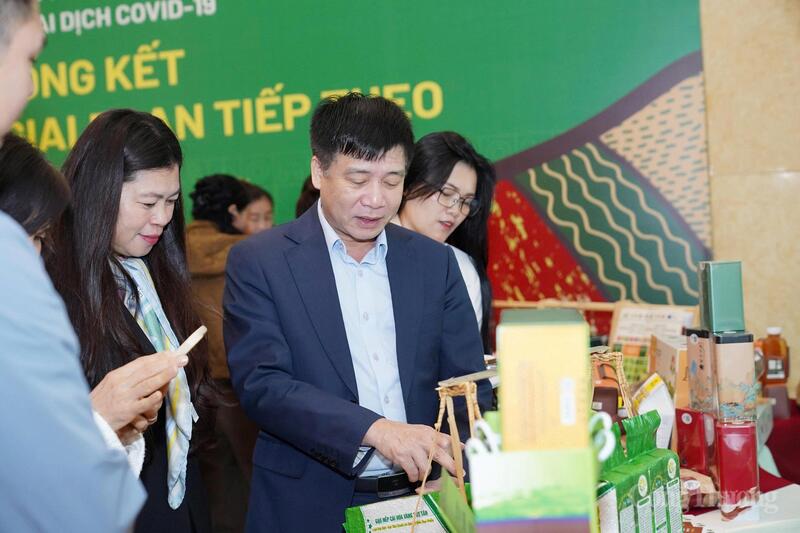
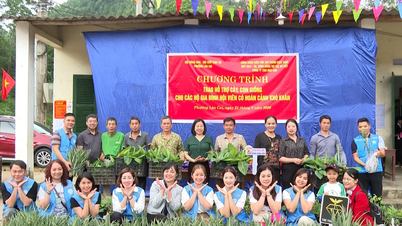
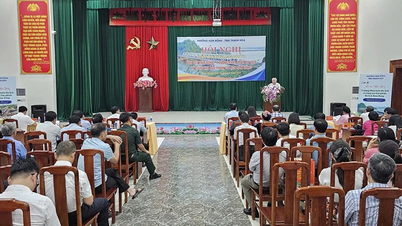
Cooperative societies have requested that the Central Committee of the Vietnam Farmers' Association continue to support promotion and trade facilitation, thereby helping to expand the raw material area. Photo: NH
Alongside the positive achievements, several challenges have also arisen, such as the compatibility of the technology with local infrastructure and the financial pressure to maintain international certifications after the project ends. In light of this, the Quang Tri Provincial Farmers' Association proposes shifting from a campaign-based support approach to a value chain-based and needs-based approach, while strengthening the association's role in accompanying and monitoring the project throughout its implementation.
Meanwhile, the leaders of Duy Tan Cooperative proposed that the Central Committee of the Vietnam Farmers' Association continue to support promotion and trade facilitation, thereby helping cooperatives confidently expand their raw material areas, preserve indigenous varieties, and ensure sustainable livelihoods for farmers.
According to Ms. Nguyen Thi Viet Ha, Deputy Head of the Farmers' Affairs Department of the Central Committee of the Vietnam Farmers' Association, in the context of the pandemic causing supply chain disruptions and severely affecting the lives of people in disadvantaged areas, the program has chosen a farmer-centered approach, unleashing internal strengths through initiatives at the grassroots level.
Entering a new phase, the Asia-Pacific Farmers Programme will continue to support improved livelihoods, promote sustainable farming and climate change adaptation, with five new focuses: Professionalizing cooperative teams; expanding ecological agriculture; strengthening value chains linked to clusters; expanding membership and networks; and prioritizing the development of 1-2 value chains that meet the needs of the EU market.
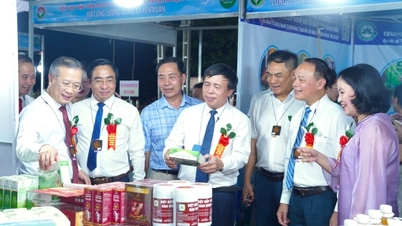
The project's support items are quite diverse, including both "hardware" and "software" support, covering aspects of production, processing, and trade.
Source: https://congthuong.vn/du-an-apfp-tao-cu-hich-cho-hop-tac-xa-435187.html

![[Photo] General Secretary and President To Lam presides over the meeting to approve the draft report on the results of the second inspection by the Politburo of the Standing Committee of the Hanoi City Party Committee.](https://vphoto.vietnam.vn/thumb/1200x675/vietnam/resource/IMAGE/2026/05/26/1779789811432_a2-bnd-4430-9620-jpg.webp)








































































Comment (0)