

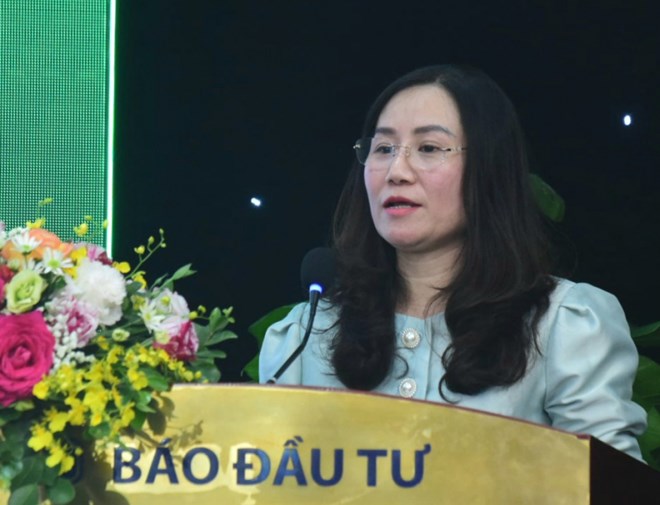
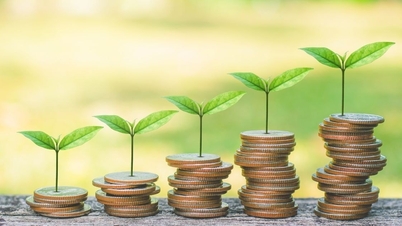
On the morning of December 4th, at the seminar "Bringing Large Capital Sources for Green Credit" organized by the Investment Newspaper in collaboration with the Vietnam Agricultural and Rural Development Bank ( Agribank ), Ms. Pham Thi Thanh Tung - Deputy Director of the Department of Credit for Economic Sectors, State Bank of Vietnam, stated: During the period 2017 - 2022, the outstanding credit balance of the system for green sectors had an average growth rate of over 23% per year, higher than the overall credit growth rate of the economy (15%).
As of September 30, 2023, outstanding green credit reached over 564,000 billion VND, accounting for approximately 4.4% of the total outstanding loans in the entire economy.
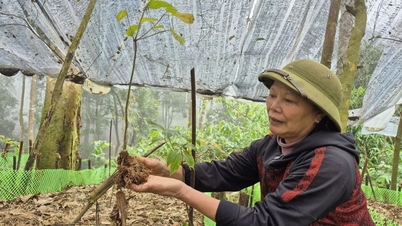
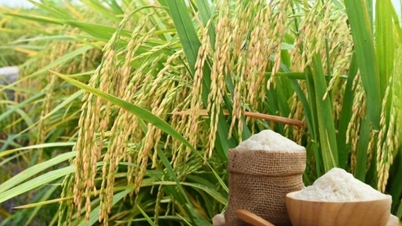
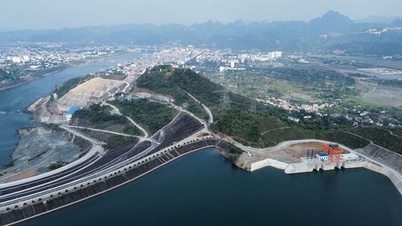
Of the 12 green sectors that the State Bank of Vietnam has instructed credit institutions to lend to, outstanding loans are mainly concentrated in renewable energy and clean energy (accounting for nearly 45%) and green agriculture (over 30%).
Representatives from the State Bank of Vietnam pointed out that there are currently no national regulations on criteria and lists of green projects for industries/sectors according to the economic classification system. Investing in green industries/sectors, especially those that often require long payback periods and high investment costs, while the lending capital of credit institutions is usually short-term mobilized capital, makes it difficult for credit institutions to balance capital and ensure the ratio of short-term capital to medium- and long-term loans as stipulated…
Therefore, in order for green credit to develop, it is recommended that the legal framework be further improved, with guidance on the green portfolio and criteria for identifying green projects suitable to Vietnam's economic sectors. This will serve as a basis for credit institutions to appraise, evaluate, and monitor green credit when granting loans.
In addition, it is necessary to develop a roadmap for implementing policies and mechanisms to support green sectors (taxes, fees, capital, technology, markets, planning, development strategies, etc.) in a synchronized manner to attract and effectively utilize green credit capital; research and develop mechanisms and policies to support the development of the capital market and green bond market, creating a channel for investors to mobilize capital and have more resources to implement green projects.
Mr. Nguyen Ba Hung, Chief Economist of the Asian Development Bank (ADB) in Vietnam, recommended that, along with perfecting the legal framework on green economy and green finance, it is necessary to define specific quantitative targets consistent with Vietnam's international commitments and create incentives for the development of green finance.
Furthermore, Mr. Hung suggested that Vietnam needs to proactively access international capital sources through bilateral cooperation and international financial institutions to attract investment; accelerate the implementation of carbon certification, establish a domestic carbon market, and connect it with the international carbon market…
Source
![[Photo] General Secretary To Lam visits the exhibition space showcasing books, photo exhibitions, and achievements of digital transformation in journalism.](/_next/image?url=https%3A%2F%2Fvphoto.vietnam.vn%2Fthumb%2F1200x675%2Fvietnam%2Fresource%2FIMAGE%2F2025%2F12%2F19%2F1766110879215_1766110240024-jpg.webp&w=3840&q=75)
![[Photo] Enchanting ancient rose garden on the mountainside in Nghe An](/_next/image?url=https%3A%2F%2Fvphoto.vietnam.vn%2Fthumb%2F1200x675%2Fvietnam%2Fresource%2FIMAGE%2F2025%2F12%2F19%2F1766109900916_vuon-hong-chin-do-thu-hut-du-khach-toi-check-in-o-ha-noi-3-20162778-1671624890024-1671624890104198100259.jpeg&w=3840&q=75)



















































































Comment (0)