

Rattan chairs are an indispensable item in every stilt house of the White Thai ethnic group in Muong Lay. Rattan chairs are also extremely important in the weddings of the White Thai people of Muong Lay. When a daughter gets married, the wedding gifts must include a pair of rattan chairs and a pair of bamboo bowls, symbolizing the young couple being a pair.
The rattan weaving craft of the White Thai people has a long history, passed down from generation to generation within each family. It is considered a leisure activity during the agricultural off-season, with men and women sharing the work to support their families through handcrafted items and products closely associated with daily life. Completing a rattan chair requires many steps, such as selecting and processing raw materials, shaping the mold, splitting and shaping into fibers, and drying. The main materials used are rattan and bamboo, which are highly flexible and, when dried over a fire, become durable and less susceptible to insect infestation.
Rattan chairs consist of two circular frames made of bamboo for the legs and a seat, both carved and joined by eight ebony wood strips to prevent termite infestation. After creating the frame, the craftsman proceeds to weave the rattan seat. This is the most meticulous and laborious step, with a spacing of usually three rattan strips. For a skilled craftsman, not counting the carving, material preparation, and frame construction, a craftsman can only make three chairs a day just for weaving the seat. The price varies depending on the height of the chair, ranging from 250,000 to 350,000 VND.
In line with modern trends, everyday items are gradually being replaced, and traditional crafts are becoming less common. However, this has not diminished the rattan chair weaving tradition of the White Thai people in Muong Lay. In Muong Lay town, many rattan and bamboo craftspeople still diligently and meticulously create and refine traditional handicrafts. Each item, each handcrafted product, seems imbued with the essence of time, representing the traditional culture of the White Thai ethnic group in this region.
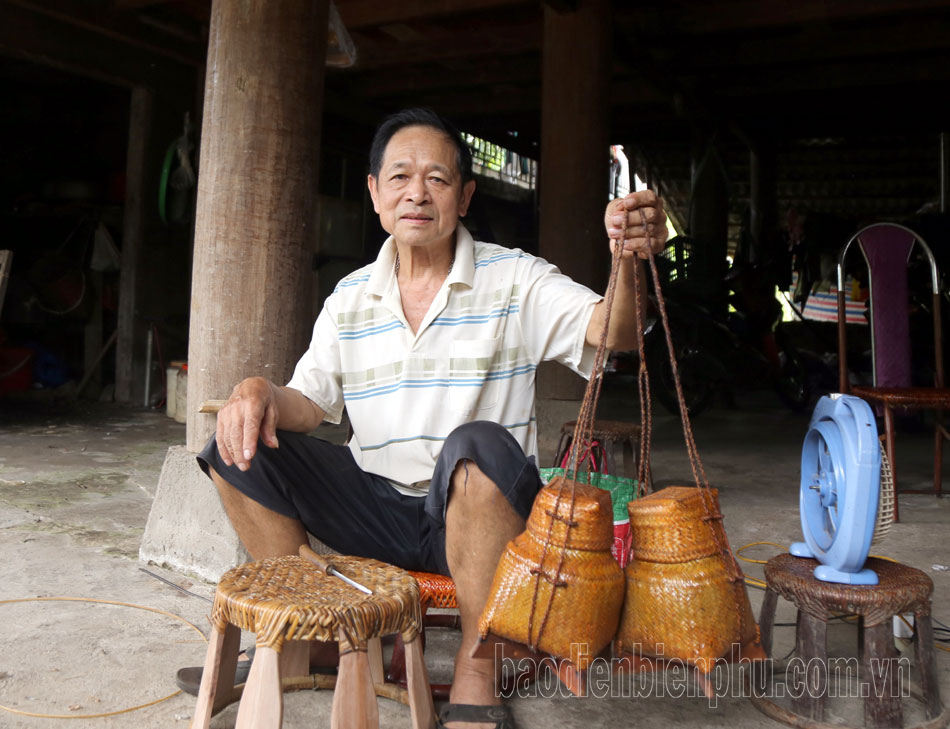
The craft of rattan and bamboo weaving has a long history, created and crafted by the local people using traditional methods, and is closely linked to their daily lives.
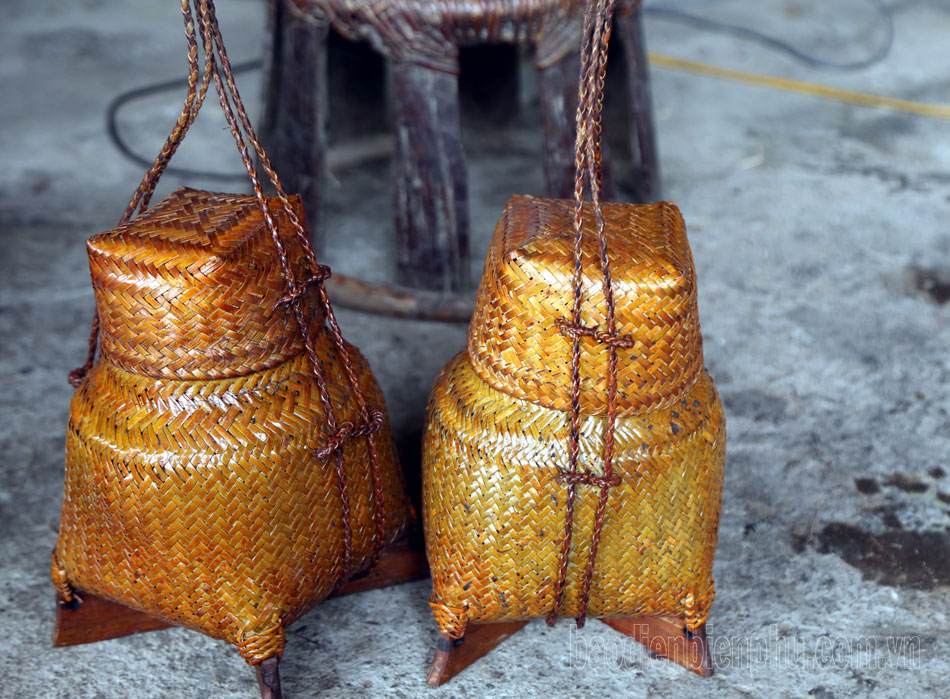
Commonly used and in-demand items, mainly woven and shaped by skilled White Thai artisans, include bamboo bowls and rattan chairs.
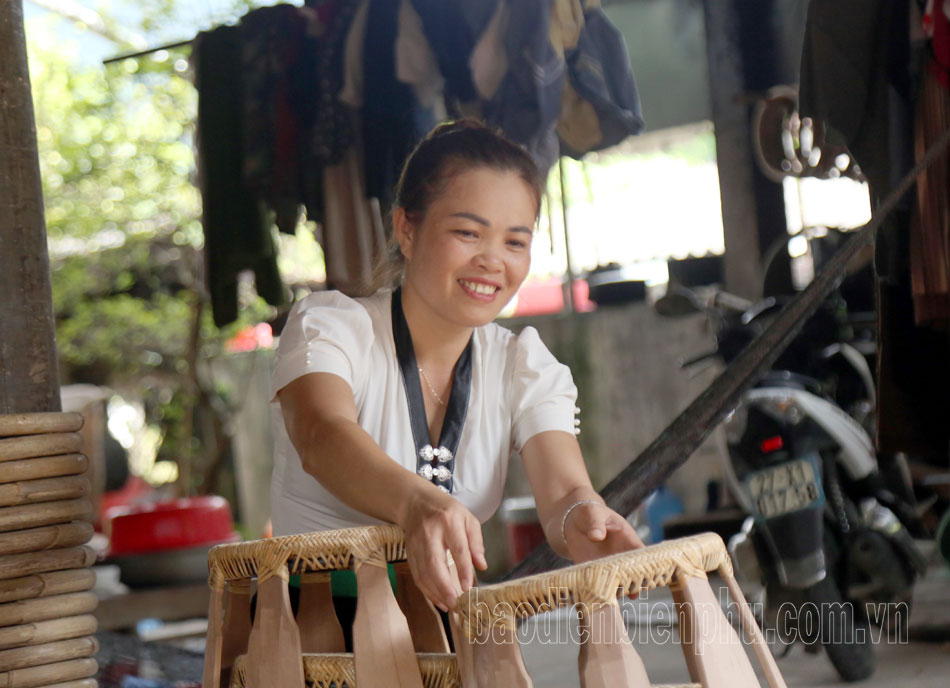
Rattan chairs are not only an integral part of daily life but are also associated with the wedding and funeral customs of the White Thai ethnic group in Muong Lay.
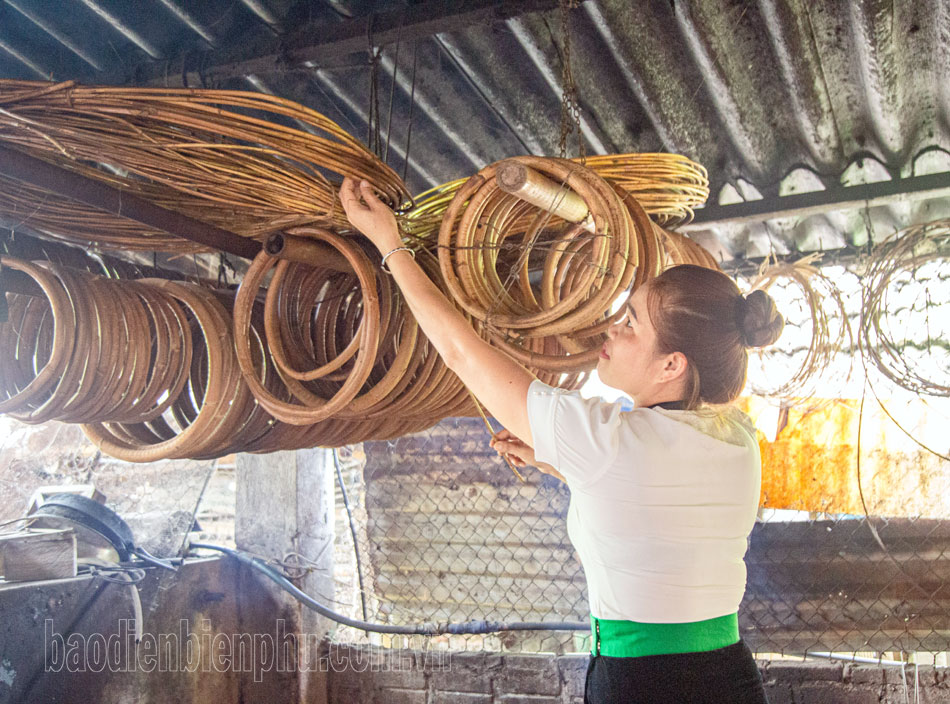
Creating a handcrafted rattan and bamboo product requires many steps, the most important being the selection of materials, mainly rattan and bamboo stalks that are harvested, hung over the kitchen fire, and sun-dried to increase their flexibility and durability.
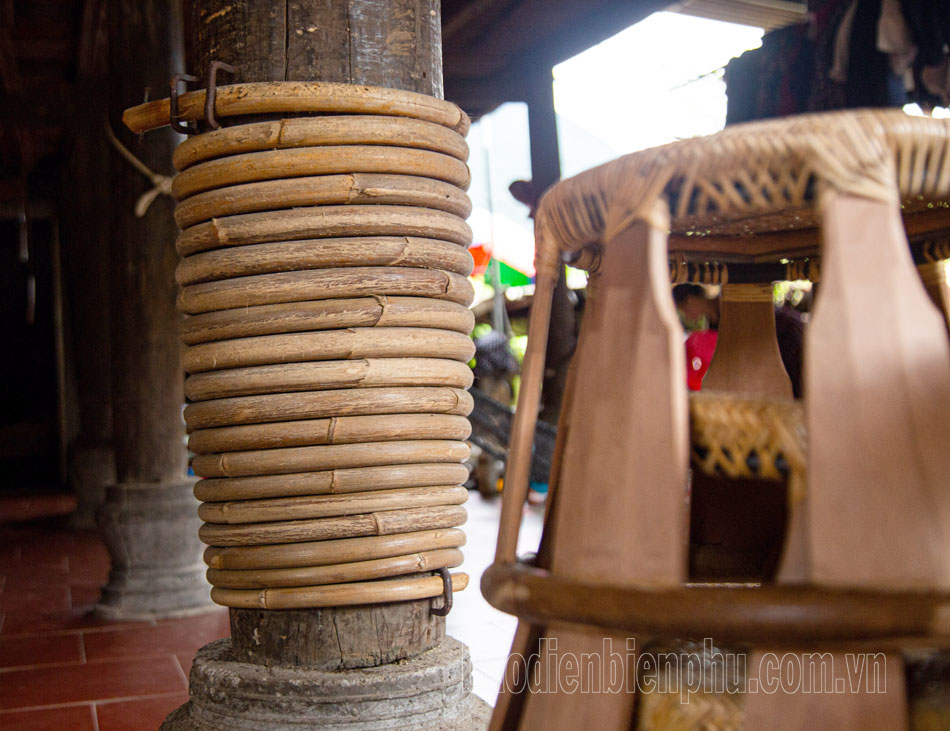
The process of making rattan chairs involves many steps, including drying the rattan, bending it to create the rounded rim of the seat and legs, all of which require skill and meticulousness from the craftsman.
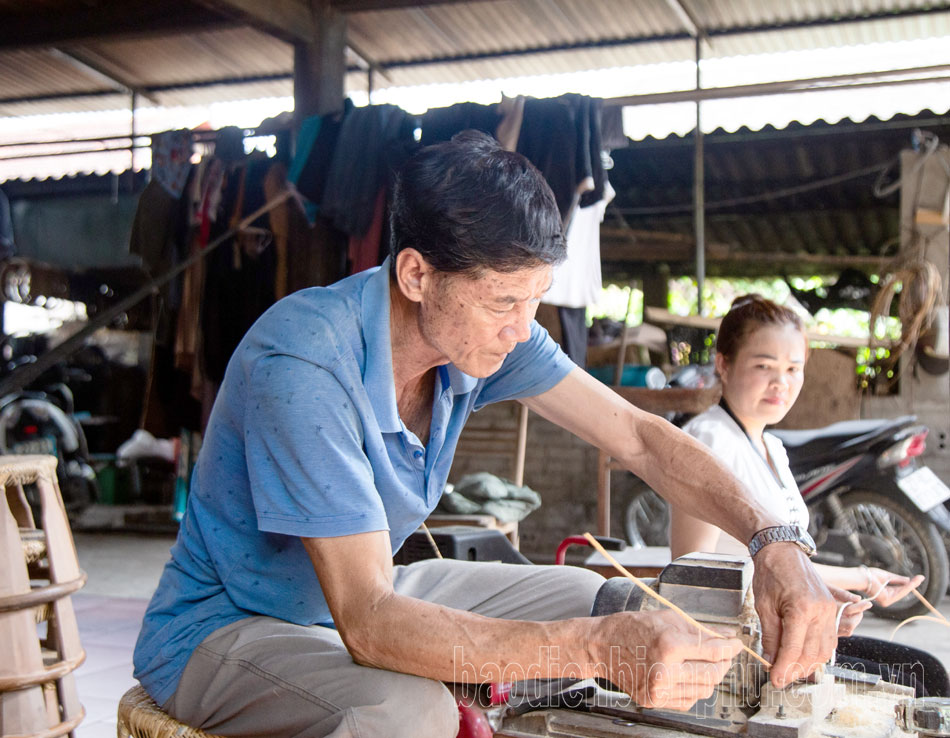
Along with that is the process of stripping rattan fibers. The difference in the stripping and spinning of rattan fibers by the White Thai people of Muong Lay is that they retain the rough, stiff outer surface, creating elasticity, a glossy finish, and durability in their handcrafted products.
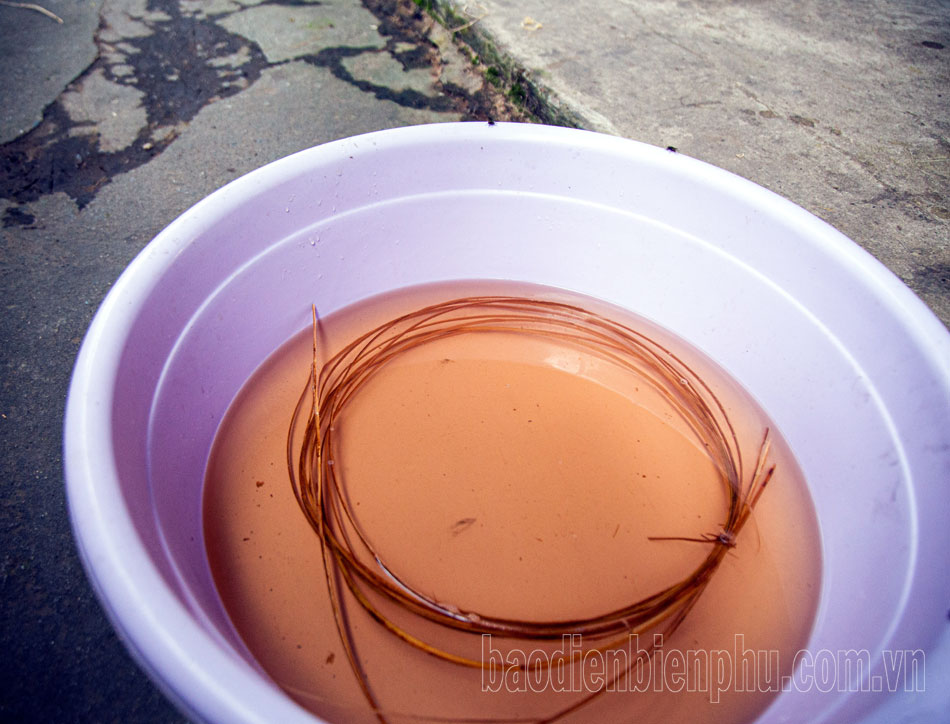
For rattan products, after drying and stripping the fibers, they are soaked before use to soften the material and prevent the dry, stiff rattan fibers from becoming brittle and breaking.
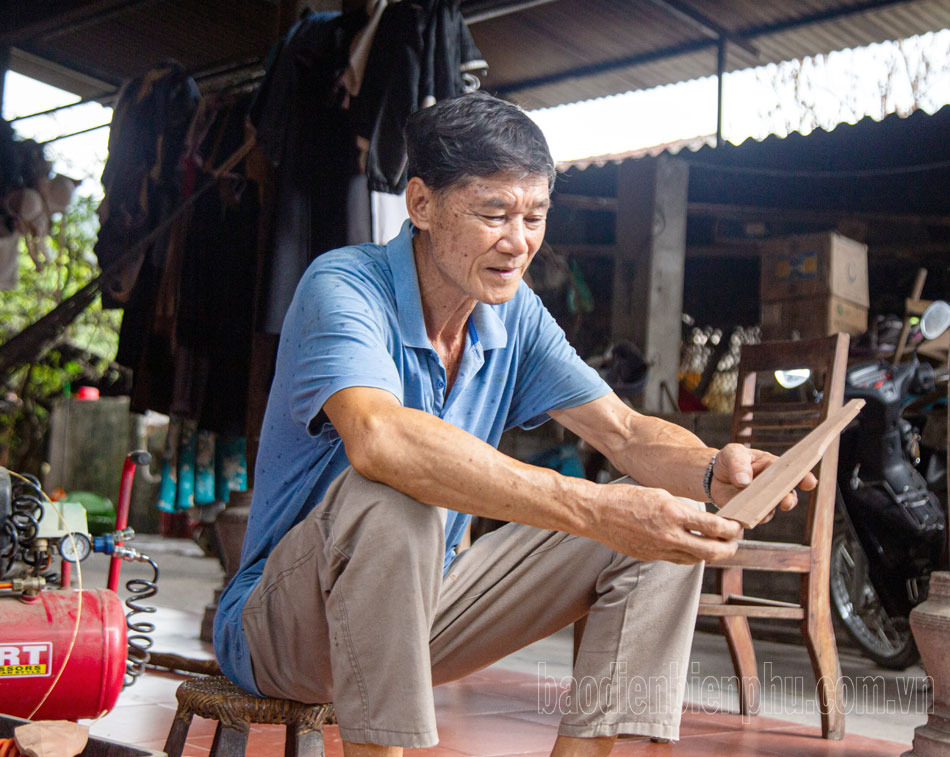
The connection between the seat and the legs will use 8 wooden slats, 8cm - 10cm wide depending on customer requirements. The wood used is rosewood, resistant to insect and termite damage.
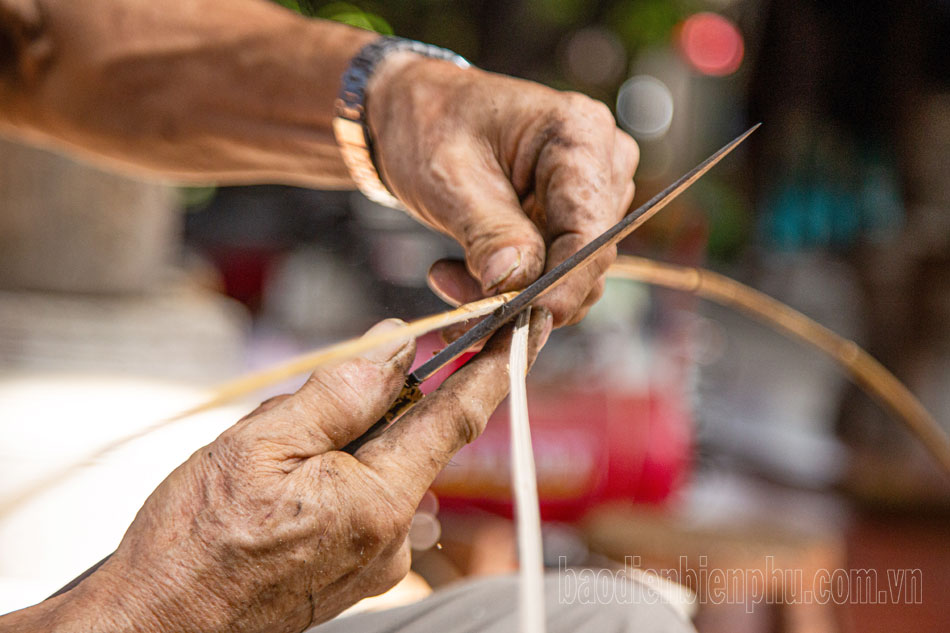
The process of splitting the rattan fibers evenly by hand, relying on hand strength and experience, results in long, uniform strands of rattan measuring 3-6 meters.
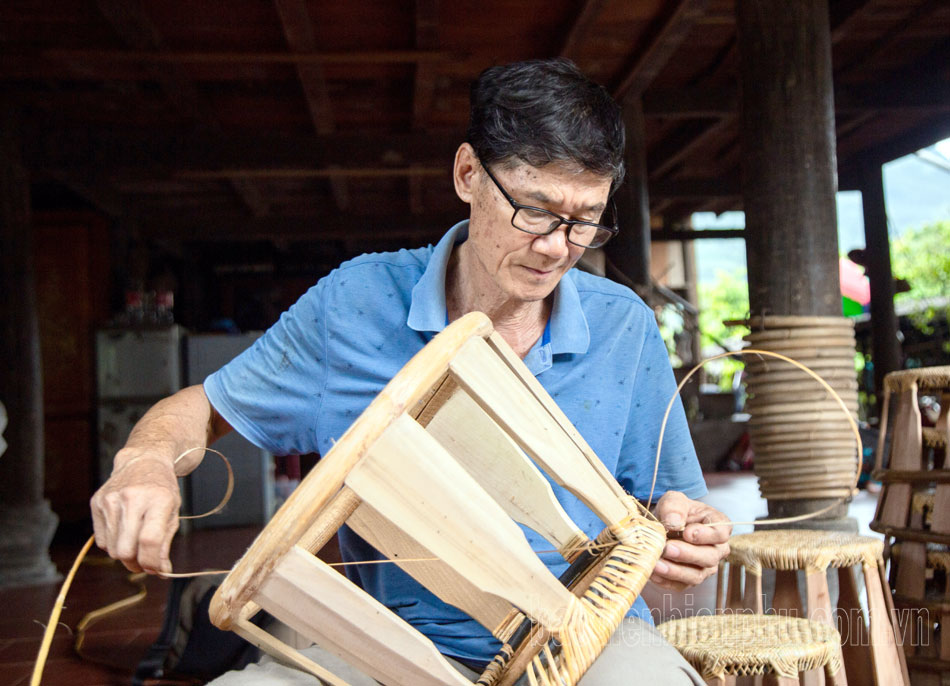
Typically, a skilled craftsman, not counting frame construction or fiber splitting, can weave a maximum of three rattan chair seats per day just for the seat.
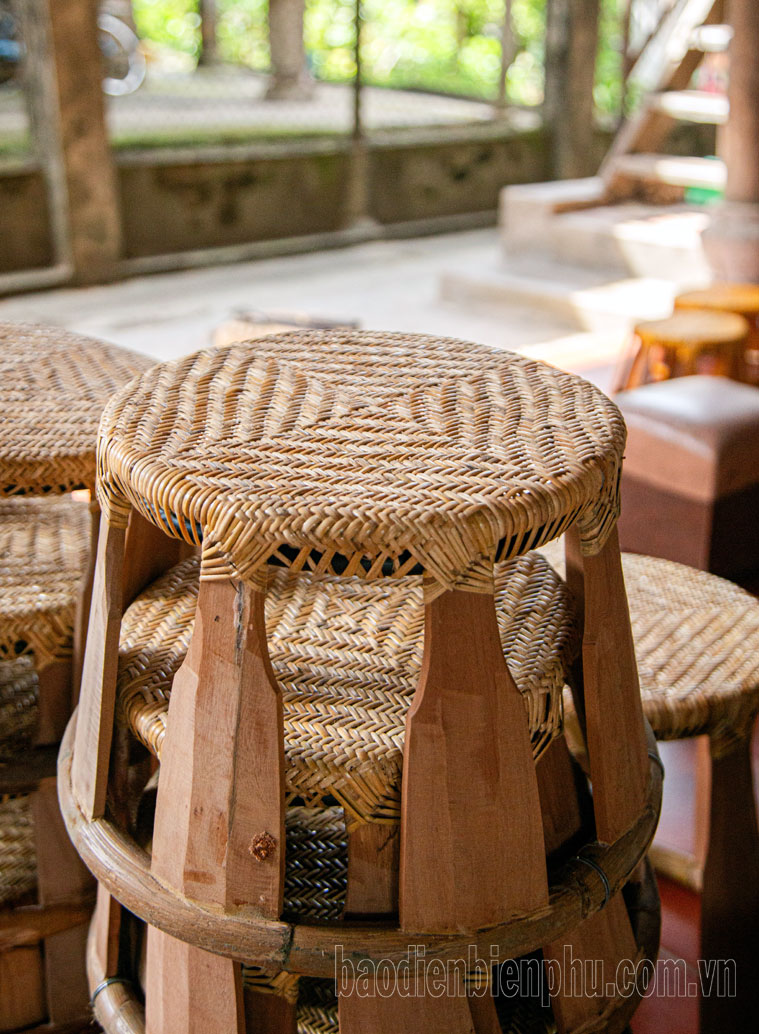
The price of each rattan chair varies depending on factors such as height, material costs, and production time, but on average, one rattan chair costs between 250,000 and 350,000 VND.
Tran Nham ( Dien Bien Phu Newspaper)
Source: https://baophutho.vn/ghe-may-dan-toc-thai-trang-muong-lay-217421.htm
![[Photo] Admire the coral "masterpiece" amidst the million-year-old heritage of Dak Lak province.](https://vphoto.vietnam.vn/thumb/1200x675/vietnam/resource/IMAGE/2026/05/31/1780221235105_anh-man-hinh-2026-05-31-luc-16-53-27.png)
![[Photo] Solemn bathing ceremony and Buddha procession in Hue](https://vphoto.vietnam.vn/thumb/1200x675/vietnam/resource/IMAGE/2026/05/31/1780228263543_1-jpg.webp)
![[Image] Hanoi Police officially crowned champions of V-League 2025/2026](https://vphoto.vietnam.vn/thumb/1200x675/vietnam/resource/IMAGE/2026/05/31/1780244769054_ndo_br_039d561b692be875b13a-jpg.webp)
![[Photo] The General Secretary, President and his wife begin their state visit to the Philippines.](https://vphoto.vietnam.vn/thumb/1200x675/vietnam/resource/IMAGE/2026/05/31/1780230559452_anh-man-hinh-2026-05-31-luc-19-28-11.png)

















![[Video] Sunset at Lap An Lagoon – Where the sun sets over the fishing nets](https://vphoto.vietnam.vn/thumb/340x192/vietnam/resource/IMAGE/2026/05/31/1780192137701_beach-landscape-sea-water-nature-grass-745871-pxhere-com.jpeg)








































![[Photo] Admire the coral "masterpiece" amidst the million-year-old heritage of Dak Lak province.](https://vphoto.vietnam.vn/thumb/402x226/vietnam/resource/IMAGE/2026/05/31/1780221235105_anh-man-hinh-2026-05-31-luc-16-53-27.png)



































Comment (0)