

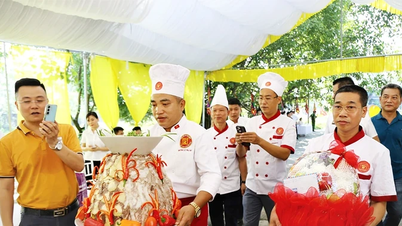
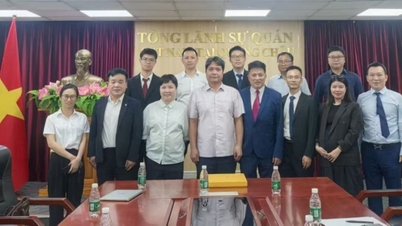
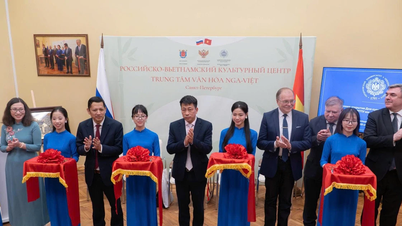
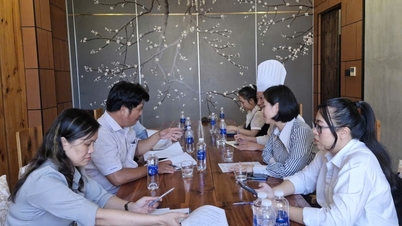
On the afternoon of May 28th, the Chinese Cultural Center in Hanoi organized a culinary showcase program titled "Flavors of China" to strengthen the friendly neighborly relations between the two countries during the "Vietnam-China Tourism Cooperation Year 2026-2027".
Similar culinary philosophies
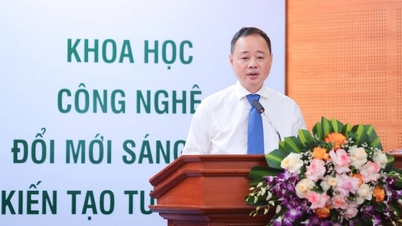
According to Tian Qi Nho, Counselor at the Chinese Embassy in Vietnam, China and Vietnam belong to the agricultural cultural region of Asia, sharing similar culinary origins and aesthetic concepts. Both countries consider rice their staple food and make the most of fresh ingredients. Both countries favor spicy seasonings and are skilled at harmonizing flavors.
.jpg)
Mr. Dien Khoi Nho cited examples: Chinese dumplings encapsulate the warmth of the land, while Vietnamese spring rolls reflect daily life in the city. Chinese stews focus on nourishing and refreshing flavors, while Vietnamese broths emphasize the original, delicate sweetness. Guangxi spicy snail noodles and Hanoi beef pho each have their own unique flavors, making even a single bowl unforgettable.
"The shared culinary philosophy and different cooking methods showcase the unique appeal of the spirit of 'everything is beautiful in its own way, together creating a harmonious beauty'," remarked Mr. Dien Khoi Nho.
Traditional Chinese cuisine has always emphasized the harmony of the five flavors and the concept of "harmony in diversity," reflecting the values of peaceful coexistence and shared joy. Cuisine serves both as a means of conveying civilization and as a connecting thread between people. The concept of "food and medicine share a common origin" reflects reverence for nature, while the "harmony of the five flavors" aligns with the philosophy of "moderation."
.jpg)
Chinese philosophy often uses cooking principles to illustrate governance. General Secretary and President of China Xi Jinping once quoted a famous saying from the "Tao Te Ching": "Governing a great nation is like cooking a small dish," reflecting the Chinese perspective on the world: balance, subtlety, and harmony.
Similarly, Vietnamese culinary culture also contains much wisdom and philosophical depth, from the cooking concept of "following nature, returning to nature" to the traditional ritual of "using food to remember ancestors and using delicious dishes to entertain honored guests" in each family, all reflecting the shared humanistic spirit between the two countries.
Cuisine - a bridge connecting the people of Vietnam and China.
The Counselor of the Chinese Embassy in Vietnam added that among many young Vietnamese people, some have fallen in love with Chinese cuisine because of a bowl of "Yunnan bridge noodles," while others have been inspired by a pot of Sichuan hotpot to travel to China to experience and explore it firsthand. It is this enthusiasm stemming from taste and a yearning for distant lands that creates the most genuine color in the people-to-people exchanges between Vietnam and China.
"The Flavor of China" is the flavor of friendship, conveying the neighborly spirit between Vietnam and China, while also expressing the aspiration for shared development. The event is vivid evidence that the traditional friendship between the two countries is becoming increasingly profound and substantive.
.jpg)
At the event, student Dao Thi Hai Ninh from Hanoi Pedagogical University 2 shared that when enjoying Chinese food, Vietnamese people feel not only the taste but also the enthusiasm and goodwill of the Chinese people. Furthermore, when Chinese people eat Vietnamese pho, it's not just about the delicious taste, but also about the love of life and the sincerity of the Vietnamese people.
Many young Vietnamese people find Chinese cuisine impressive because it is expressed through color, aroma, flavor, meaning, and shape. The dishes have distinctive aromas, varying according to the culinary style of each region.
.jpg)
From humble street food to culinary masterpieces fit for the royal court, each dish carries its own unique story and cultural significance. Every dish boasts a distinctive flavor, sophisticated preparation, and profound cultural meaning, leaving an unforgettable impression on anyone who has ever tasted it.
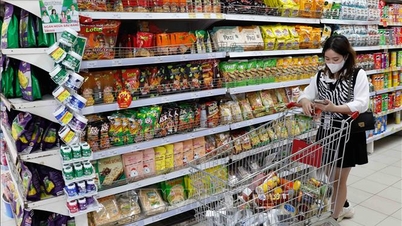
Currently, China is actively promoting culinary tours in various regions, such as enjoying the famous Peking duck, the spicy and pungent Sichuan hot pot, the sweet and savory Shanghai xiaolongbao, or the street food in Xi'an… Each region offers a unique culinary culture that attracts tourists from Vietnam and many other countries around the world.
Source: https://daibieunhandan.vn/gioi-thieu-huong-vi-trung-hoa-tai-ha-noi-10418474.html


![[Image] Nearly 125,000 Hanoi students completed the Literature exam for the 10th grade entrance exam.](https://vphoto.vietnam.vn/thumb/1200x675/vietnam/resource/IMAGE/2026/05/30/1780117233041_ndo_br_thiet-ke-chua-co-ten-2-png.webp)




































































Comment (0)