

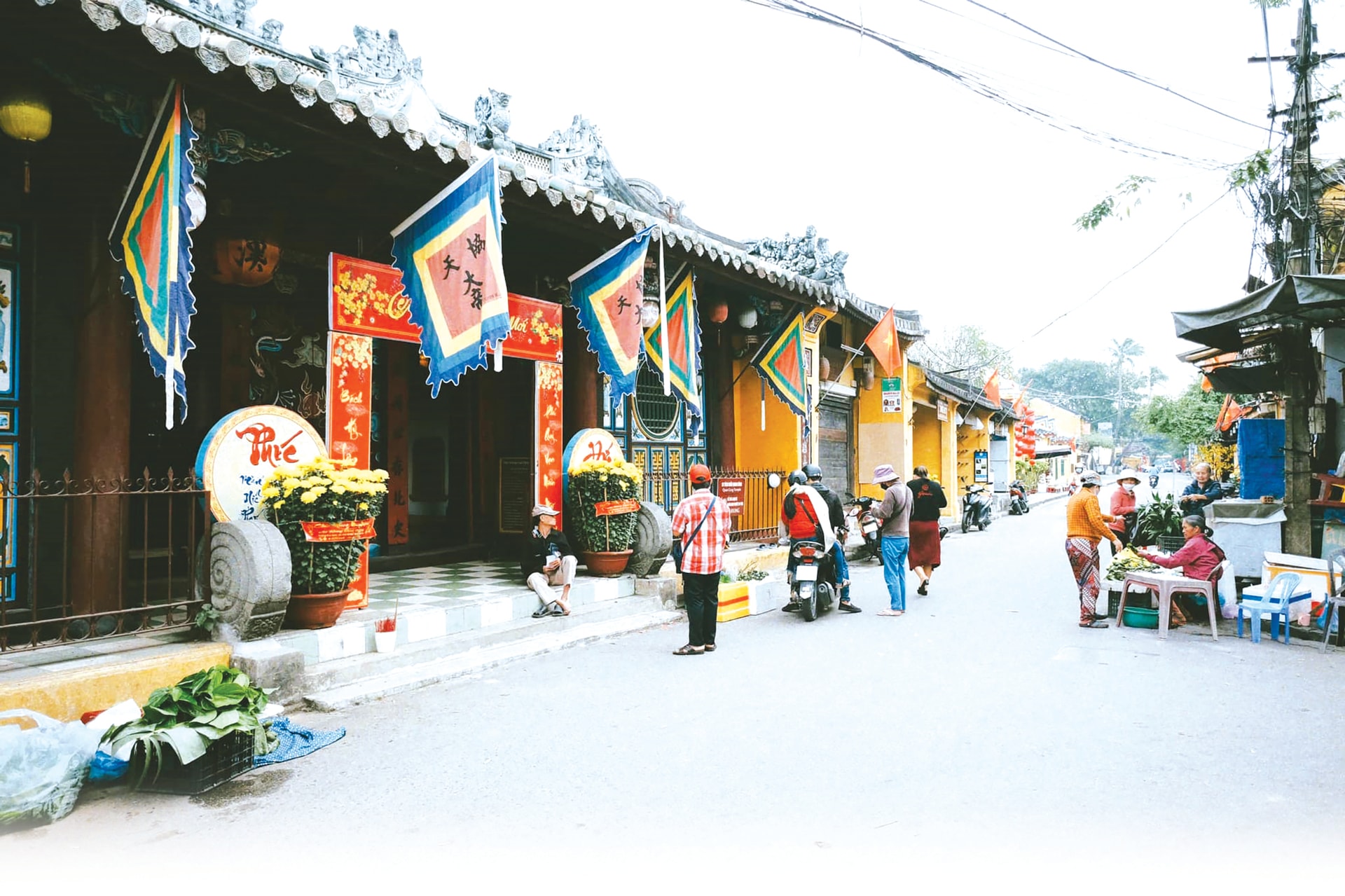
Just as the people of Quang Nam themselves adjusted their accents to welcome the migrants coming from other regions.
Diverse timbres
There were times when I suddenly wondered: Is this still my city? Or has it become a city for everyone else?
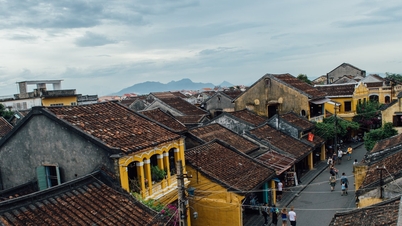
In the old days, when I was a child, this town still had a very rural feel. Cities like Tam Ky and Hoi An were still called towns.
From the center of Da Nang , looking across the Han River, Son Tra appears only as a remote fishing village. People in the city center still refer to Hoa Vang as a far-off area; even a schoolboy cycling from Hoa Vang to the city center would experience a "language barrier."
Back then, there was a joke: "Girls from District 3 are no match for old women from District 1." Although it was just teasing, it showed that in those days, each area had its own lifestyle, distinct culture, and class distinctions. In the midst of these purely Quang Nam neighborhoods, an unfamiliar accent was a rare occurrence.
In each neighborhood, people knew each other's names, knew what each family had been doing for generations, and even knew what each family had for dinner the day before. In the evenings, neighbors would call each other to share a pot of braised fish or sweet bean soup, or borrow a can of rice because their salaries hadn't arrived yet. They knew who had recently moved in, who had recently moved out, and knew each person's background and origins.
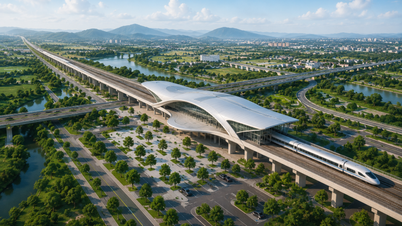
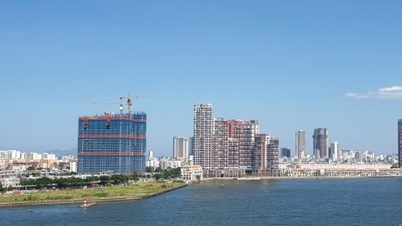
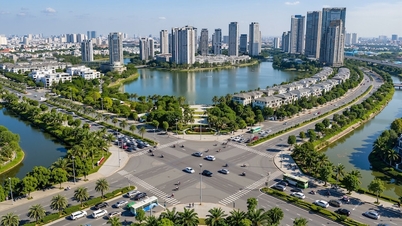
Then the whole region grew, transforming in sync with industrial and tourism development. Cities developed so rapidly that even our generation was taken aback.
The roads are wider, houses are built taller and closer together, and small villages along the river are giving way to hotels, resorts, and industrial zones. And consequently, people are flocking in from all directions.
People from the North came in, people from the South came out, people from the highlands descended, and foreigners sought refuge. The voices calling out to each other suddenly sounded unfamiliar.
Initially, it was just a few families, but later entire clans chose this land as their second home. The alleyways, once only familiar with the Quang Nam accent, now resonate with a multitude of sounds from all directions.

Learn to contain
The city began to accept. To accept even those who had never belonged there. And then, we ourselves gradually learned to be less suspicious.
People from Quang Nam, who used to speak bluntly, are now learning patience, choosing their words carefully, speaking more slowly, more softly, and clearly. From being argumentative by nature, they have learned to listen patiently and accept differing viewpoints with flexibility.
Now, every time I step into a local eatery and hear phrases like, "Thank you so much, dear customer!" or "Okay, darling," they use Southern slang but speak with a distinct Quang Nam accent, and I find it interesting. Or in casual conversations, my friend still frankly expresses his opinion, then concludes with, "Well, that's just my opinion, everyone has their own way of life." Somewhere, I sense a subtle shift...
My initial bewilderment turned into a quiet pride that my homeland was large enough to welcome so many people, while I also witnessed the changing rhythm of life as locals filtered and selected the finest cultural elements from all corners of the world, enriched by the influx of people.
As more and more people come to call their homeland home, a new way of life is gradually emerging among our people: respecting the space, opinions, and freedom of others. We are adapting ourselves to live together.
The city of many people, it turns out, is still my city, I just need to learn to accept that it doesn't belong to just one voice, one one figure.
People often talk about "city dwellers" as a stereotype: well-dressed, articulate, quick-witted, somewhat aloof, and seemingly unconcerned about their surroundings.
But in reality, being a city dweller is more than just a "city dweller's" lifestyle. A city dweller is someone who knows how to adapt, how to harmonize the individual and the collective, the past and the present. They are someone who dares to open their doors to different sounds, allowing their heart to expand, to love even things they don't yet understand. They honor their identity, preserve what is familiar, but also open their hearts to new things.
A good place attracts good people.
Perhaps, when a person from Quang Nam suddenly speaks more slowly and smiles more at strangers, that's when they gradually become a city dweller. Perhaps, when a child is no longer surprised by accents from all over the world, that's when the city truly grows up.
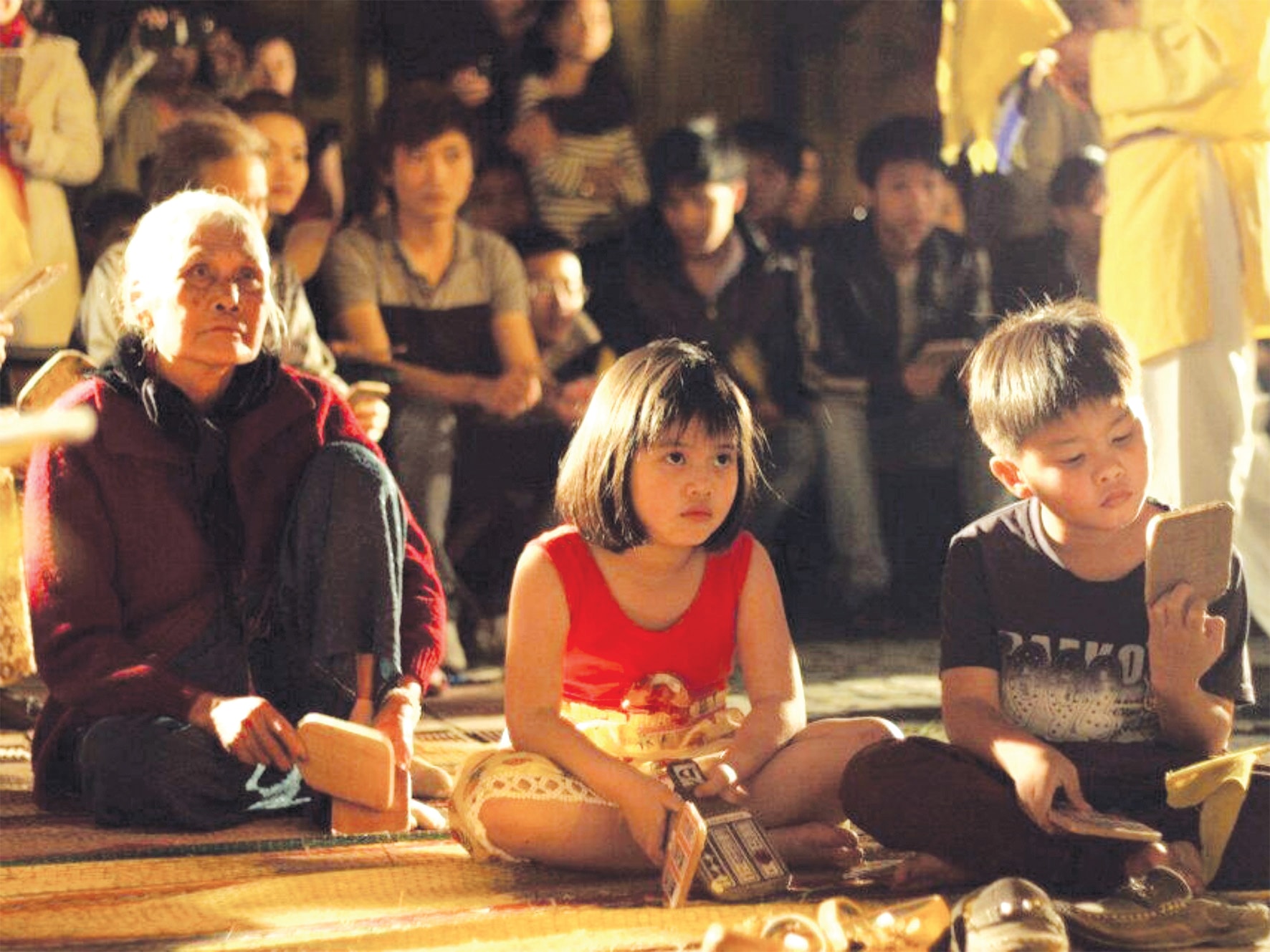
I still remember, once standing hesitantly at the corner of the square, seeing the children shouting in all sorts of accents: Northern, Southern, Quang, mixed... But their laughter was equally innocent and clear.

This city has, is, and will continue to embrace many more voices. And in this symphony of sounds, no matter how unfamiliar, I believe that the Quang-Da dialect will remain, like the silent roots that nourish a tree…
Perhaps that is why this city, though now crowded and modern, remains so welcoming to all. Because even the "original Quang Nam people" were once migrants, once visitors to the strange land their ancestors pioneered. That spirit of migration, that courage, has become the very essence of this land: both steadfast and tolerant.
Now, every time I return and hear new voices mingling in the streets, I no longer feel restless. I think: isn't this the inherent nature of Quang Nam? A land that is both a gateway, a place of departure, and a place of return.
Despite all the changes, this city still has something that makes people want to return. Not because it belongs to anyone, but because everyone leaves a little bit of themselves here.
As long as we view urbanization as a human journey, from the countryside to the city, leaving our homeland to seek new lands, we can find ways to ensure that urbanization does not mean losing ourselves. And that is when we are confident and ready to embrace a new way of life: the urban lifestyle.
Source: https://baodanang.vn/giong-xu-so-dung-chua-3298551.html







































![[Video] Sunset at Lap An Lagoon – Where the sun sets over the fishing nets](https://vphoto.vietnam.vn/thumb/1200x675/vietnam/resource/IMAGE/2026/05/31/1780192137701_beach-landscape-sea-water-nature-grass-745871-pxhere-com.jpeg)





















Comment (0)