


Debate surrounding "celebrating Tet"
Undeniably, the debate about celebrating Tet (Lunar New Year) in recent years reflects profound changes in social life. In the fast-paced industrial world, with high work pressure and limited leisure time, many people believe that the traditional Tet holiday is too long, expensive, and disruptive to work.
Conversely, many fear that if Tet is simplified to the extreme, or even treated as just another ordinary holiday, society will lose a unique cultural space where spiritual values are nurtured and passed down.
It's noteworthy that neither viewpoint is entirely wrong. One side raises the issue from the perspective of economic efficiency and social governance, while the other stems from concerns about culture and identity. The issue isn't about which side is more right, but rather that this debate shows that Tet is facing the need to self-adjust in order to continue to exist in a new context.

When Tet is perceived as a burden
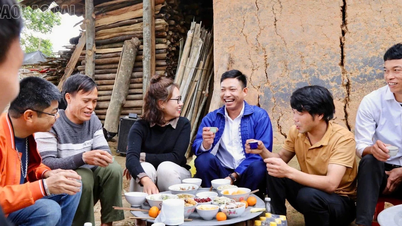
Part of the reason for the heated debate is that, in reality, Tet is sometimes misrepresented. Many families turn Tet into a race for appearances: lavish feasts, ostentatious gifts, and visits that are more about obligation than genuine affection.
When Tet (Vietnamese Lunar New Year) is drawn too far from its original spiritual values, it easily becomes a source of pressure, even exhaustion. In such circumstances, it's understandable that people would ask, "Is it necessary to celebrate Tet like this?" However, concluding that Tet is no longer appropriate based on these distorted manifestations is a dangerous mistake. The problem lies not in Tet itself, but in how people are treating it.
Preserving Tet (Vietnamese New Year) or preserving the spirit of Tet?
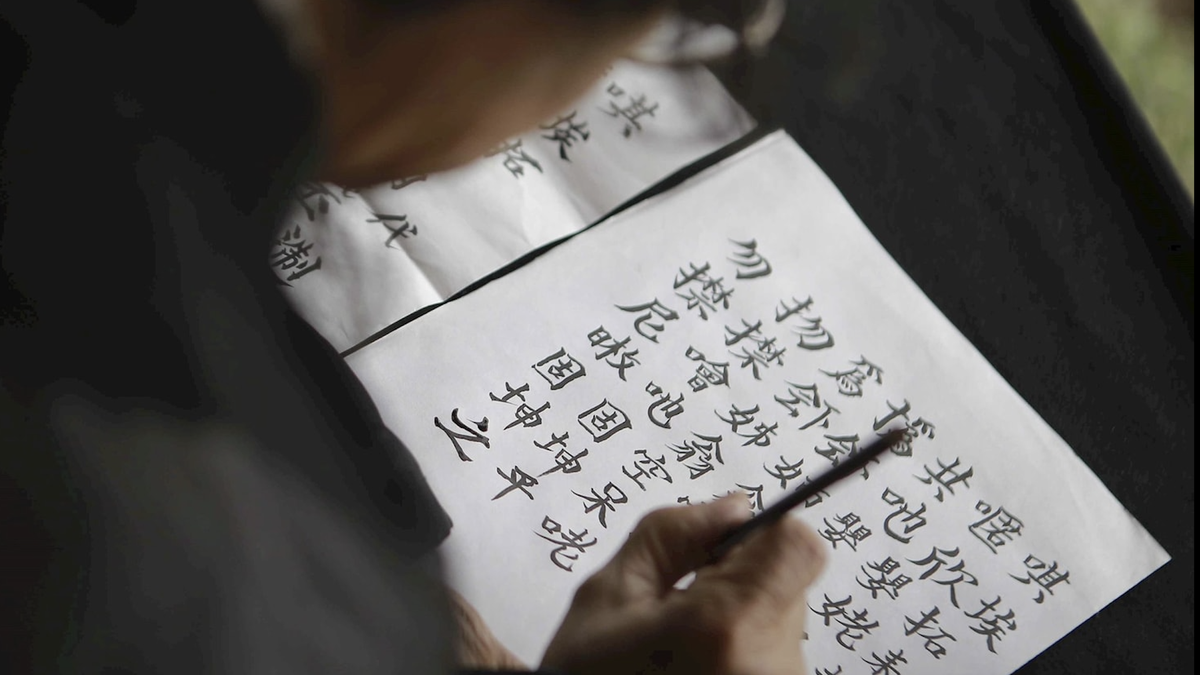
The question of "preserving Tet or preserving the soul of Tet" is actually a crucial distinction. Preserving Tet in a formal sense means retaining the rituals, customs, and timelines. Preserving the soul of Tet, however, means preserving the spiritual values that give Tet its meaning. If only the form is preserved while the spirit is lost, Tet becomes an empty shell. Conversely, if the essence is preserved, Tet can completely change its form to suit modern life without losing its identity. Where does the soul of Tet lie? It is in family reunions, in the awareness of honoring ancestors, in the spirit of tolerance, in new beginnings, and in the necessary quiet moments for people to reflect on themselves after a year of striving. These values do not depend on whether Tet is long or short, or on the abundance or scarcity of food, but on one's attitude towards life.
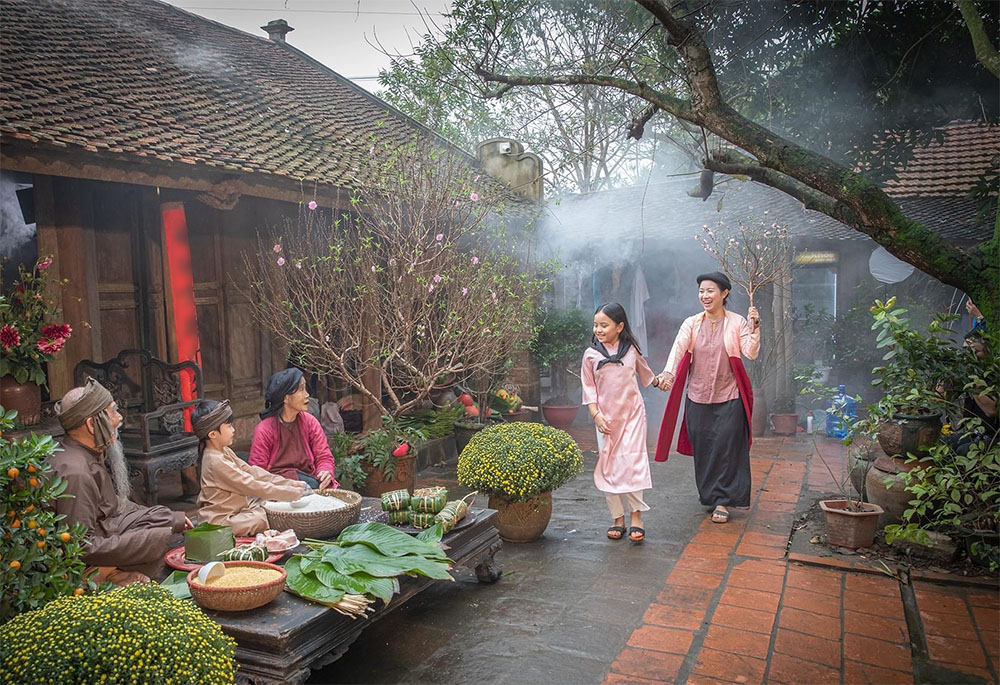
Tet - a rare space for moral values in modern society.
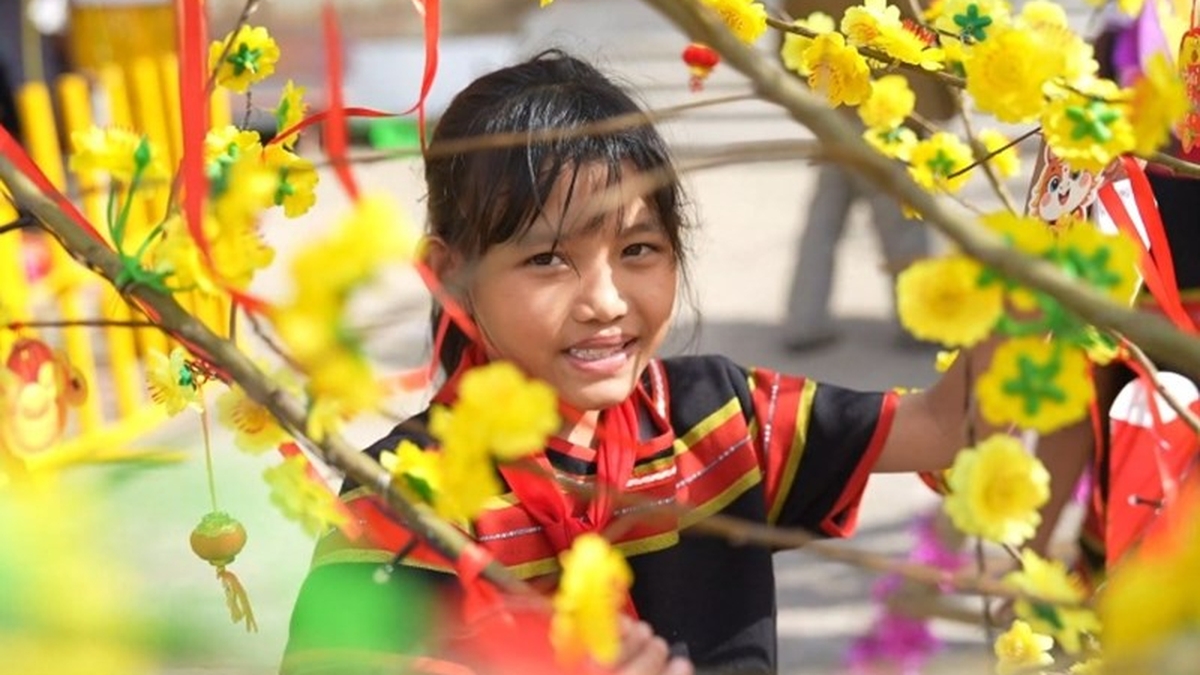
In modern life, people have very few opportunities to truly pause. Work, technology, and social media keep the pace of life constantly moving forward. It is in this context that Tet (Lunar New Year) becomes a rare moral space, a place where society allows, and even encourages, people to slow down.
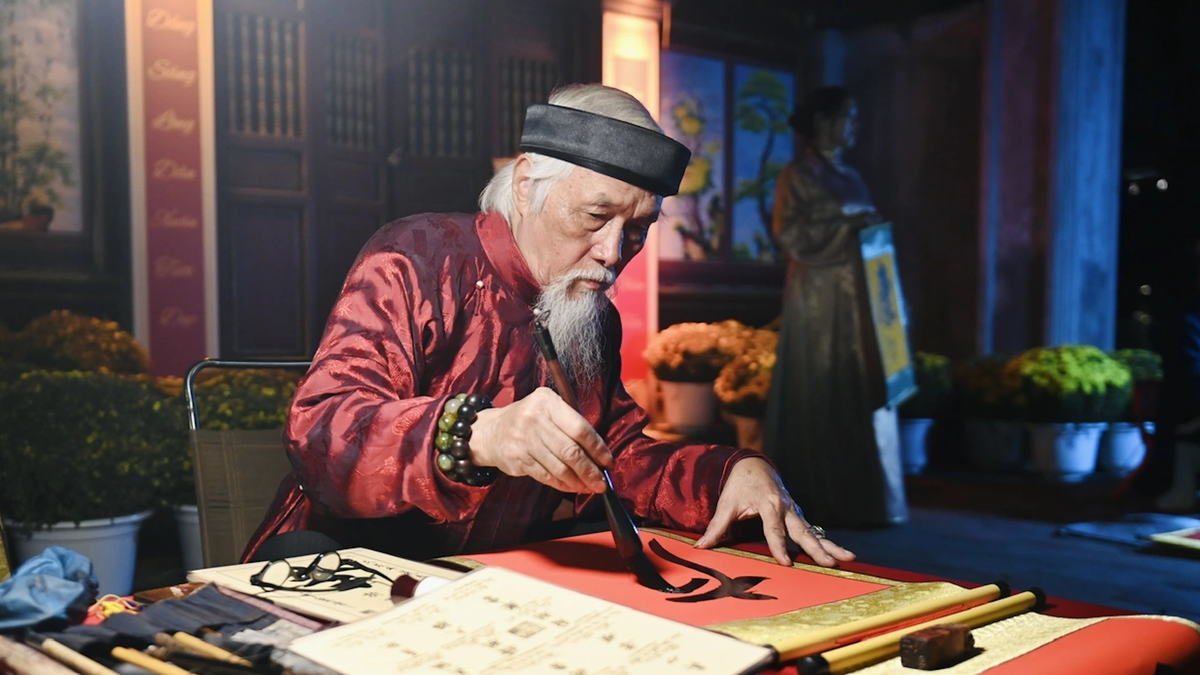
Tet reminds people of filial piety when visiting their parents, of righteousness when offering incense to their ancestors, and of affection in New Year's greetings. These values cannot be replaced by any other holiday.
If society loses sight of Tet, or disregards its spirit, what is lost is not just a festival, but a mechanism for self-regulating morality, a point of spiritual balance amidst a life full of pressure.

Integration does not mean losing one's identity.
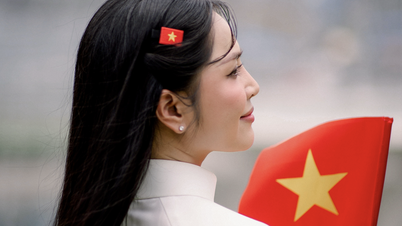
One of the arguments often made when discussing simplifying Tet (Lunar New Year) is that developed countries don't have such long holidays, so Vietnam also needs to change to integrate. This argument is only partially true. Integration is necessary, but no model of integration requires a nation to abandon its fundamental rituals. On the contrary, in a globalized world , cultural identity is what prevents nations from being assimilated. Many modern countries still strictly preserve traditional festivals, considering them spiritual assets and soft power. For Vietnam, Tet is the most important cultural symbol, not only for people within the country but also for the Vietnamese community abroad.

Each individual's responsibility towards the traditional Lunar New Year
Whether we preserve the spirit of Tet (Vietnamese Lunar New Year) ultimately depends not on written texts or slogans, but on the choices of each individual. No one else but each person is contributing to shaping Tet of today and tomorrow. This responsibility is first and foremost reflected in how we celebrate Tet within our families: whether we dedicate time to each other, and whether we maintain a warm and sincere atmosphere. It is reflected in how we approach customs: whether we understand their meaning and practice them correctly, or simply go through the motions. Preserving the spirit of Tet also means knowing how to reject deviations, unnecessary ostentation, and meaningless pressures. When each person celebrates Tet more gently but profoundly, Tet will naturally return to its rightful place.
Tet doesn't need protection through orders, but through understanding.
Tet, or Lunar New Year, is a living cultural entity. It doesn't exist through administrative orders, but through the understanding and voluntary preservation of the community. When people understand why they need Tet, it will never disappear. Preserving the spirit of Tet isn't about closing ourselves off to the past, but about bringing the spirit of Tet into modern life: living more kindly, more closely connected, and more compassionate. When these values are practiced, Tet will not only be present in the first few days of the year, but will spread throughout the entire year.
"Preserving Tet or preserving the soul of Tet?" is a timeless question, as each era has its own way of answering it. But one thing is almost certain: if the soul of Tet is lost, then no matter how many forms are preserved, Tet will only remain a name on the calendar. Conversely, if the essence—the reunion, family values, sense of origin, and a spirit of goodness—is preserved, Tet will always find a way to survive, adapt, and accompany the nation. And it is in the way each Vietnamese person chooses to live Tet today that the answer to the future of Vietnamese Tet is gradually being written, quietly, but with lasting significance for the cultural identity of an entire nation.
Source: https://baolangson.vn/giu-tet-hay-giu-hon-tet-5078133.html
![[Photo] General Secretary To Lam attends the opening session of the Peace Council on Gaza.](https://vphoto.vietnam.vn/thumb/1200x675/vietnam/resource/IMAGE/2026/02/19/1771516865192_tbttolam5-jpg.webp)






















































Comment (0)