


Traffic police used a special vehicle to transport the victim to the Pham Van Hai Commune Health Station for first aid - Photo: CACC
Following a motorcycle collision, Ms. LTTP fainted and suffered convulsions due to calcium deficiency. Fortunately, two traffic police officers from Binh Chanh District, Ho Chi Minh City, promptly discovered her and took her to the hospital for emergency treatment.
At the Pham Van Hai Commune Health Station, medical staff reported that the victim suffered from hypocalcemia and fainted and had convulsions when the incident occurred. Without timely first aid, the situation could have been life-threatening.
Many people wonder who can suffer from low calcium levels and what causes this condition.
Speaking to Tuoi Tre Online about this issue, Dr. Nguyen Trong Hung from the National Institute of Nutrition said that hypocalcemia is a condition where the calcium level in the blood is below the permissible limit, causing symptoms such as numbness in the hands and feet, dizziness, and even seizures and fainting.
However, when these symptoms appear, they need to be thoroughly checked to avoid misdiagnosis with conditions such as hypoglycemia.
Hypocalcemia is commonly seen in people with calcium-deficient diets, reduced calcium absorption due to vitamin D deficiency, or those who have undergone bowel resection. It can also occur in individuals with other medical conditions such as endocrine disorders, post-thyroid cancer treatment, or chronic calcium malabsorption syndrome.
What are the symptoms of hypocalcemia?
According to Dr. Hung, mild hypocalcemia in adults often presents with subtle symptoms. As the condition worsens, signs such as increased tendon reflexes, abdominal pain, and irregular heartbeat may appear.
Psychologically, symptoms may include depression, irritability, drowsiness, or feelings of sluggishness and laziness. Patients may also experience seizures and muscle spasms.
In children, especially infants, hypocalcemia manifests as refusal to feed, fussiness, irritability, drowsiness, and reduced appetite. Additionally, there may be tendon reflexes and muscle spasms similar to those seen in adults.
In addition, some common symptoms of acute hypocalcemia include seizures and severe muscle spasms. These cases require immediate emergency medical attention for prompt treatment.
In addition, several other factors can cause hypocalcemia, such as high blood phosphorus levels; kidney disease; and heavy alcohol or tobacco use.
Other causes include an unbalanced diet lacking calcium and vitamin D; low blood albumin and magnesium levels; and pancreatitis. Additionally, people recovering from surgery are also at risk of hypocalcemia.
What can be done to prevent hypocalcemia?
Dr. Hung advises that people with hypocalcemia should consult a doctor. Depending on the cause of hypocalcemia, doctors will prescribe different treatment methods.
In cases of hypocalcemia due to calcium deficiency, it is necessary to supplement the diet with calcium-rich foods and vitamin D, and calcium and vitamin D supplements may be considered. Additionally, calcium and vitamin D can be obtained through foods rich in cheese, almonds, nuts, beans, yogurt, shrimp, salmon, oysters, etc.
In addition, regular exercise improves health, and playing sports that are good for bones such as walking, swimming, basketball, etc.
You should quit smoking because smoking causes calcium loss, and smokers tend to excrete more calcium through urine than non-smokers.
In addition, certain groups are more susceptible to hypocalcemia, such as pregnant women and people recovering from surgery. They should pay close attention to their health and have regular check-ups to receive timely examination and treatment.
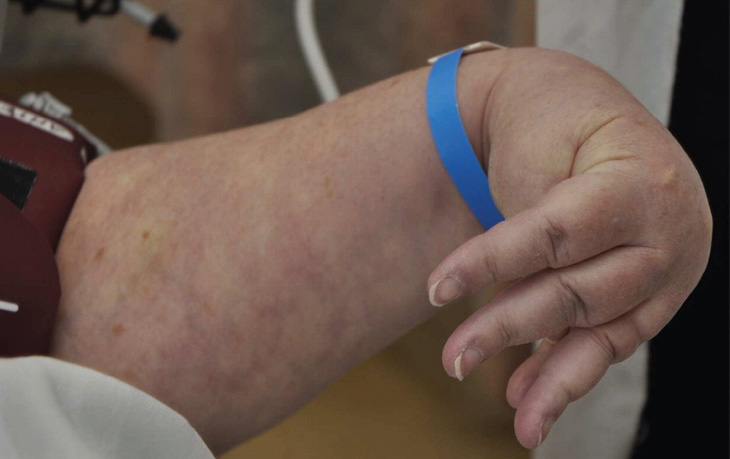 Do not underestimate hypocalcemia.
Source: https://tuoitre.vn/ha-canxi-mau-benh-ly-de-dot-ngot-ngat-xiu-co-giat-20240920184712438.htm



























































































![[Photo] Hanoi residents on the first day after the official cessation of E5 RON 95 gasoline sales.](https://vphoto.vietnam.vn/thumb/402x226/vietnam/resource/IMAGE/2026/06/02/1780370815909_666523_thumb_1780357660_06474202.jpeg)




![[Infographic] Market starts June 2026 with negative sentiment, VN-Index drops nearly 19 points.](https://vphoto.vietnam.vn/thumb/402x226/vietnam/resource/IMAGE/2026/06/02/1780370839687_666534_thumb_1780357795_06495602.jpeg)










Comment (0)