

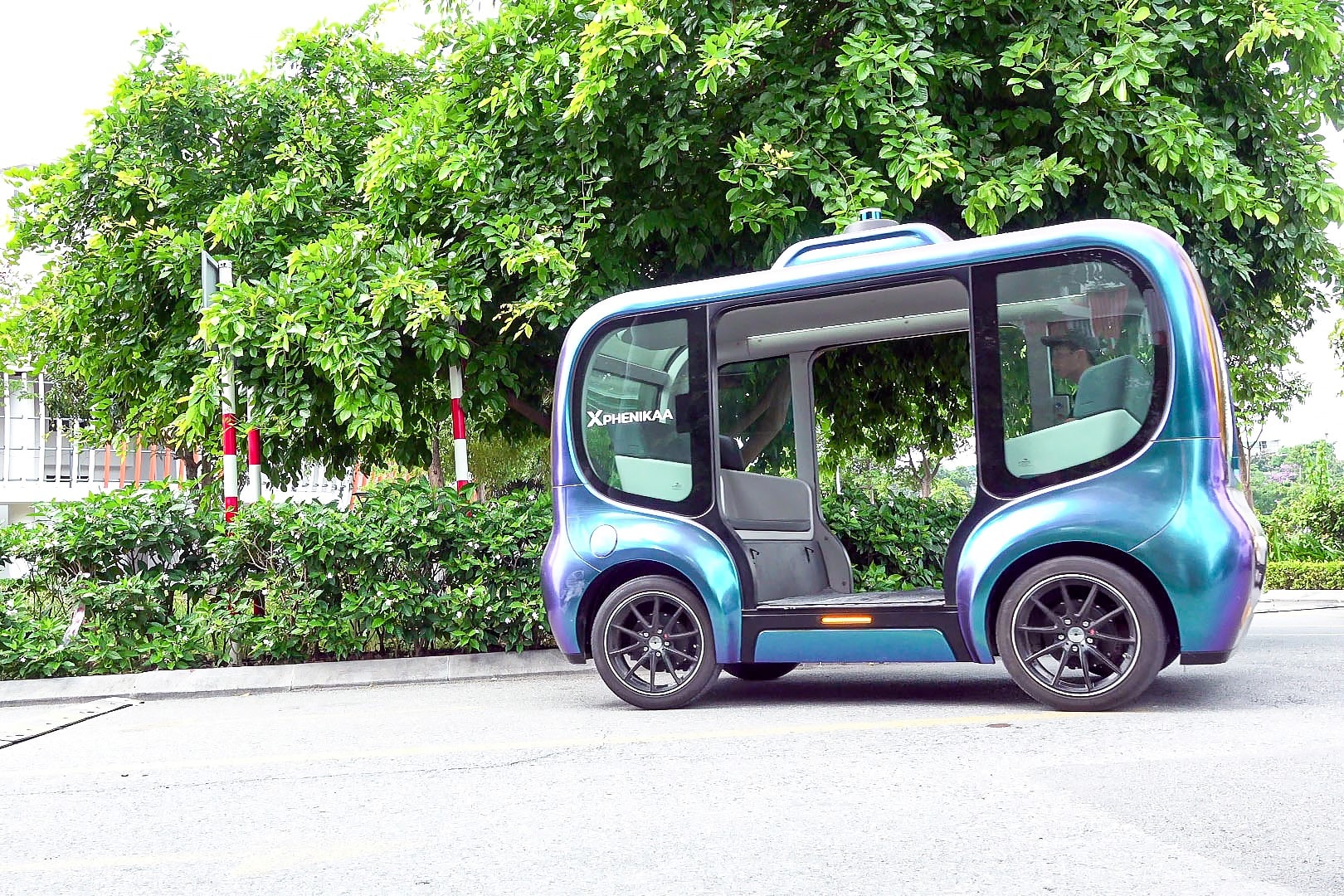
Create a testing ground for new technologies.
In the context of Hanoi's efforts to promote science and technology, innovation, and digital transformation through special mechanisms, controlled testing mechanisms for new technologies are gradually being realized. One proposal that has received much attention recently is the implementation of a sandbox for Level 4 autonomous vehicle systems developed by Phenikaa-X Joint Stock Company.
According to the proposal, Phenikaa-X aims to implement a controlled testing mechanism for four types of autonomous vehicles: mini-buses, robot taxis, street sweepers, and delivery robots, at the Hoa Lac High-Tech Park and the campus of Hanoi National University. The project is planned for implementation over a period of 24 months.
The proposal aims not only to verify the technology under real-world operating conditions but also to create a practical basis for research and improvement of the management mechanism for autonomous vehicles – an area with many legal gaps in Vietnam.
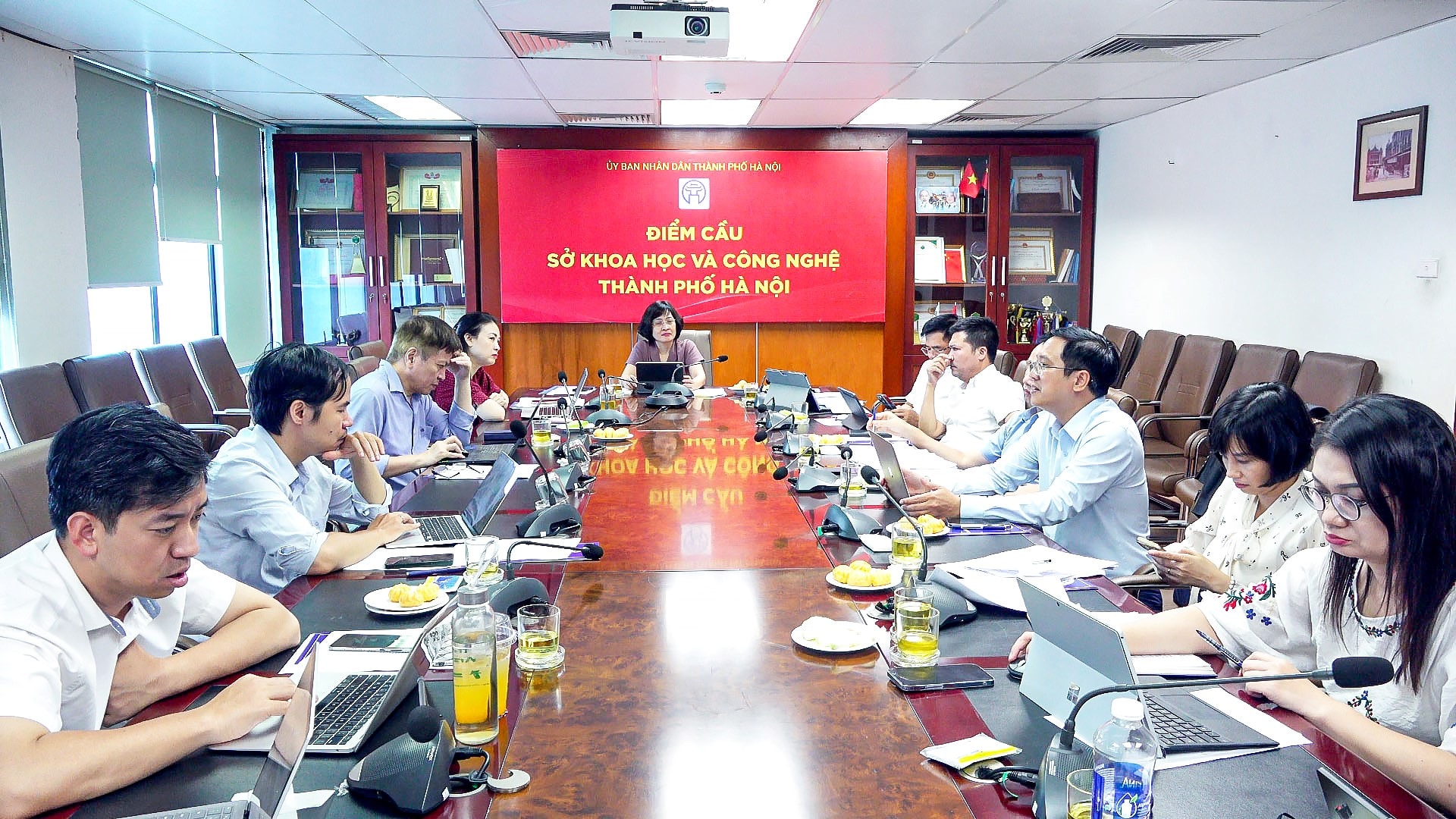
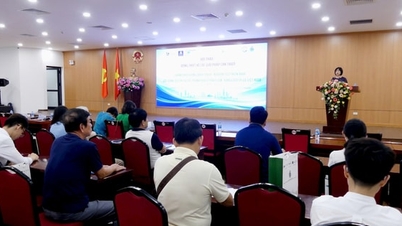
Previously, the Hanoi Department of Science and Technology held a meeting to exchange and consult with experts and relevant management agencies on the pilot plan for this autonomous transportation system. At the meeting, participants highly appreciated the creativity and potential applications of the model.
Notably, the proposal quickly received support from entities possessing suitable infrastructure for the pilot project. Hanoi National University's Hoa Lac campus and the Management Board of Hanoi's High-Tech Parks and Industrial Zones expressed their willingness to participate in supporting and providing infrastructure for the deployment of the pilot space.
Based on the proposal and consultations, the Hanoi Department of Science and Technology established an evaluation council to allow controlled testing of Phenikaa-X's "Level 4 Autonomous Passenger Transport System" proposal.
The council focused on reviewing the suitability of the criteria and conditions for selecting the trial; evaluating the implementation plan, operating regulations, scope and space of the trial; and assessing matters related to safety, technical documentation, risk assessment and management plans, and mechanisms for managing and sharing data during implementation.
A stepping stone to smart transportation in the capital city.
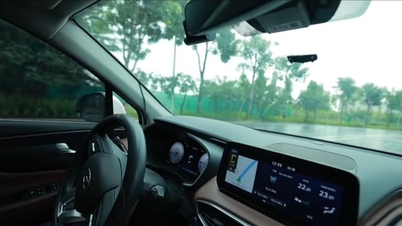
According to Phenikaa-X, after years of investment in research and development, the company has mastered two core autonomous technologies designed and integrated by its team of Vietnamese engineers.
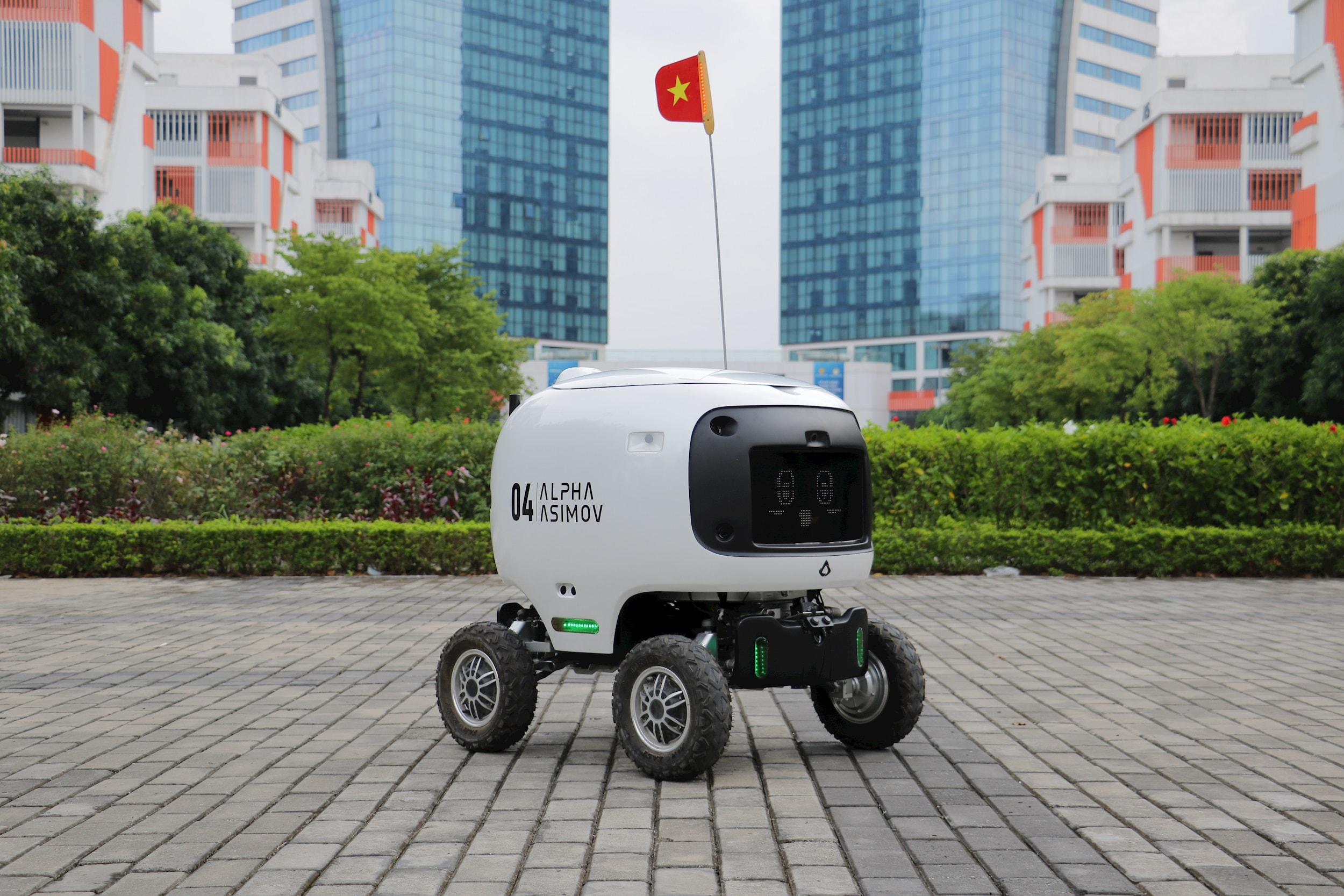
Specifically, LiDAR-based autonomous driving technology uses LiDAR sensors combined with high-precision maps to identify and locate three-dimensional spaces, assisting vehicles in making decisions during operation. In addition, camera-based autonomous driving technology uses a wide-angle camera system combined with an end-to-end artificial intelligence model to identify objects, locate them, map them, and develop travel plans.
These two technology platforms have been deployed by the company in many real-world environments such as Phenikaa University, Binh Duong New City, Ecopark, The 9 Stellars, and Vinhomes Ocean Park 2, Ocean Park 3. The company reports that the average autonomous vehicle rate at Phenikaa University is over 95%.
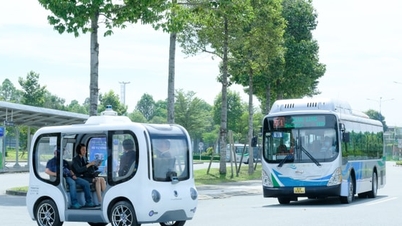
Within the sandbox proposal framework, autonomous minibuses are designed to serve the public transportation needs within smart cities, high-tech zones, resorts, and universities, with seating capacities ranging from 4 to 16 seats.
Robotaxi is a Level 4 autonomous vehicle designed for a ride-sharing service model, developed to operate in Vietnam's unique traffic conditions with high traffic density and the simultaneous participation of cars, motorbikes, and pedestrians.
In addition, autonomous street sweeping vehicles for urban sanitation and autonomous delivery robots for last-mile delivery are expected to contribute to the completion of the smart city ecosystem and expand the application of autonomous technology to many other fields besides passenger transport.
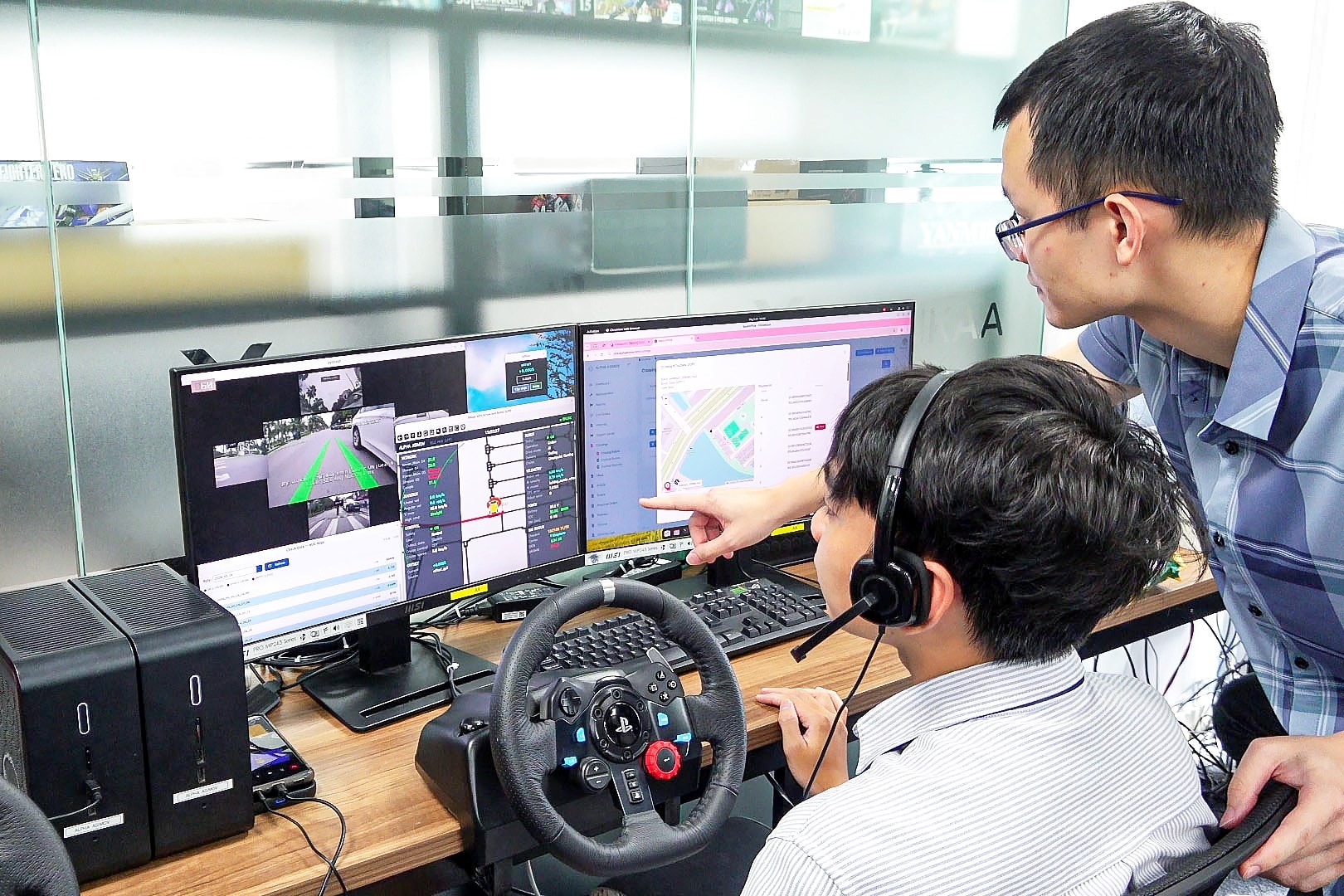
According to business assessments, Hoa Lac High-Tech Park and Hanoi National University are suitable environments for pilot testing due to their relatively well-developed transportation infrastructure, ample space, and the ability to develop various operational scenarios. Deployment at these two locations also opens up opportunities for collaboration between businesses, research institutions, and government agencies in the development of autonomous vehicle technology.
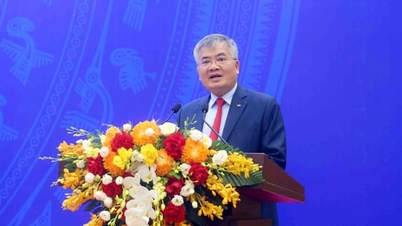
According to the Director of the Hanoi Department of Science and Technology, Cu Ngoc Trang, the city encourages organizations and businesses with new technologies, products, services, or business models to proactively register for controlled trials; while prioritizing solutions that can address practical problems in the capital, have the potential for application, commercialization, and scaling up after testing.
The consideration of implementing a controlled testing mechanism for Level 4 autonomous transportation technology is expected to create a practical foundation for research, application, and development of smart transportation solutions in the future. At the same time, this is also a concrete step in building an innovation ecosystem, developing strategic technologies, and gradually realizing Hanoi's smart city goals.
Source: https://hanoimoi.vn/ha-noi-mo-duong-cho-cong-nghe-giao-thong-tu-hanh-976295.html

![[Image] Nearly 125,000 Hanoi students completed the Literature exam for the 10th grade entrance exam.](https://vphoto.vietnam.vn/thumb/1200x675/vietnam/resource/IMAGE/2026/05/30/1780117233041_ndo_br_thiet-ke-chua-co-ten-2-png.webp)



























































































Comment (0)