

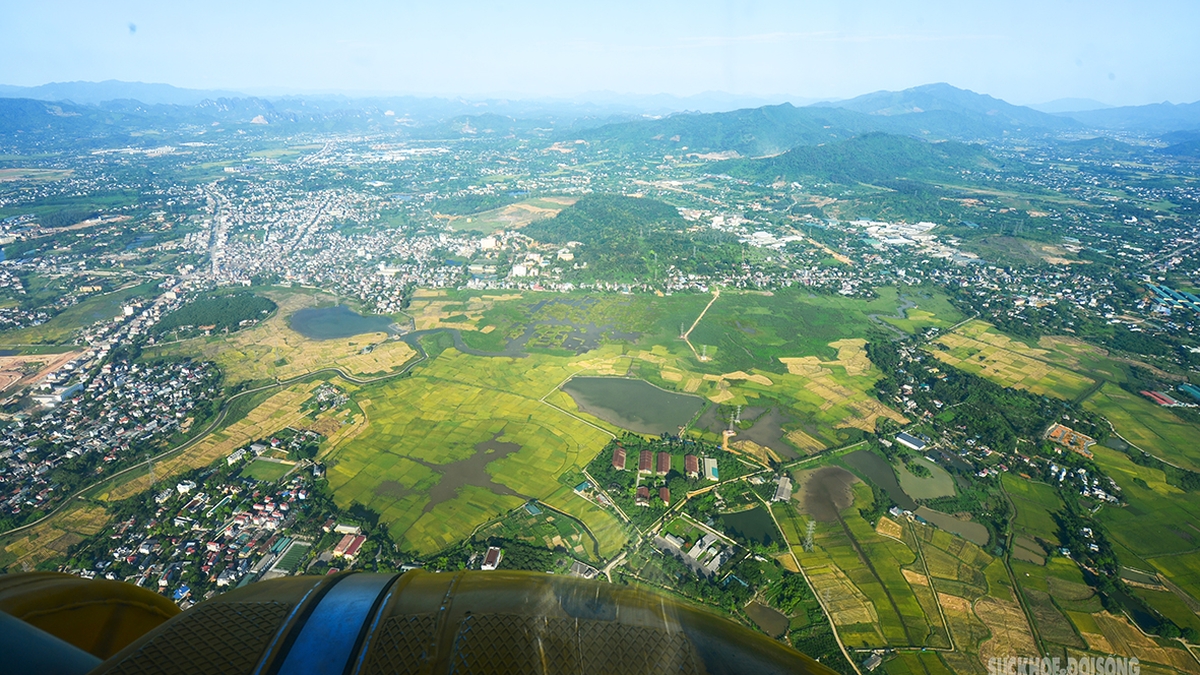
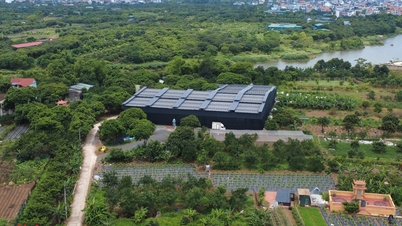
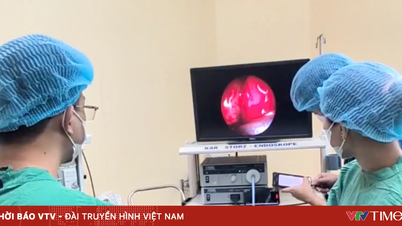
Specifically, Saint Paul Hospital supported Phu Thuong Ward Health Station in testing a primary healthcare model; Duc Giang Hospital supported the health station with a telemedicine information technology system and used drones to transport medicines and consumables to each health station.

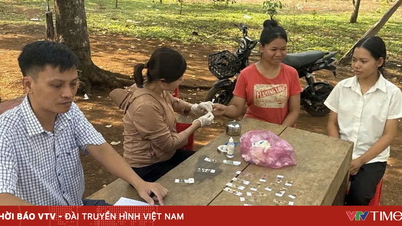
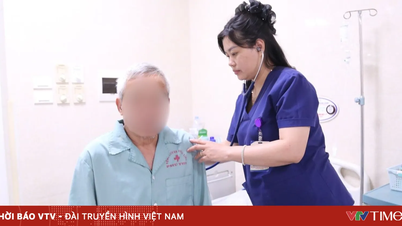
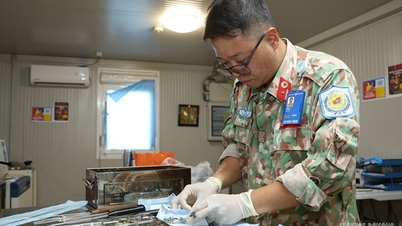
Hospitals in Hanoi are increasing the number of doctors stationed at commune and ward health centers, making it easier for people to access healthcare services.
PHOTO: LIEN CHAU
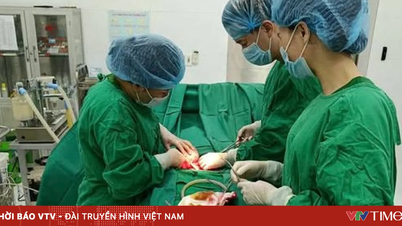
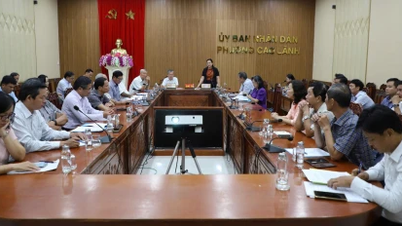
"The capital city has abundant human resources due to the presence of numerous central hospitals, research institutes, medical universities, and the city's own workforce. We will develop mechanisms to utilize the human resources of hospitals and institutes in the area to participate in providing healthcare to the people," Mr. Dien stated. Furthermore, to manage non-communicable diseases and expand the list of available medications at health stations, a sufficient workforce is needed. Hanoi is reviewing and providing support for training and retraining of healthcare personnel at the commune level. Through cooperation programs with hospitals, the increased deployment of hospital personnel to communes and wards also helps improve the capacity of grassroots healthcare. Hanoi will issue guidelines to implement this more effectively, ensuring that people receive quality healthcare services right in their local areas.
Hospitals across the city will integrate data and update it on citizens' electronic health records to track their health throughout their lives. The health sector and local authorities are jointly reviewing and cleaning up data and are connecting 42 hospitals in the capital to participate in this shared data integration. Every time a citizen visits any medical facility in the city, their results will be updated on their personal health record.
Source: https://thanhnien.vn/ha-noi-nang-cao-chat-luong-dich-vu-tram-y-te-xa-185260125214529556.htm

![[Photo] Ba Lang An Lighthouse - the "eye of the sea" amidst the "rock museum" of Quang Ngai province.](https://vphoto.vietnam.vn/thumb/1200x675/vietnam/resource/IMAGE/2026/05/29/1780038698840_anh-man-hinh-2026-05-29-luc-14-10-42.png)
![[Image] Pleasant weather helps students enter the 10th grade entrance exam with confidence.](https://vphoto.vietnam.vn/thumb/1200x675/vietnam/resource/IMAGE/2026/05/29/1780034401612_ngay-1-thi-lop-10-minh-duy-8-5009-jpg.webp)























































































Comment (0)