

According to experts, herbicides are currently divided into two main groups: selective and non-selective. Selective herbicides are highly specific and best suited to eliminating a particular type of plant without destroying other plants. Non-selective herbicides (often called weed killers) are capable of destroying all plants they come into contact with.
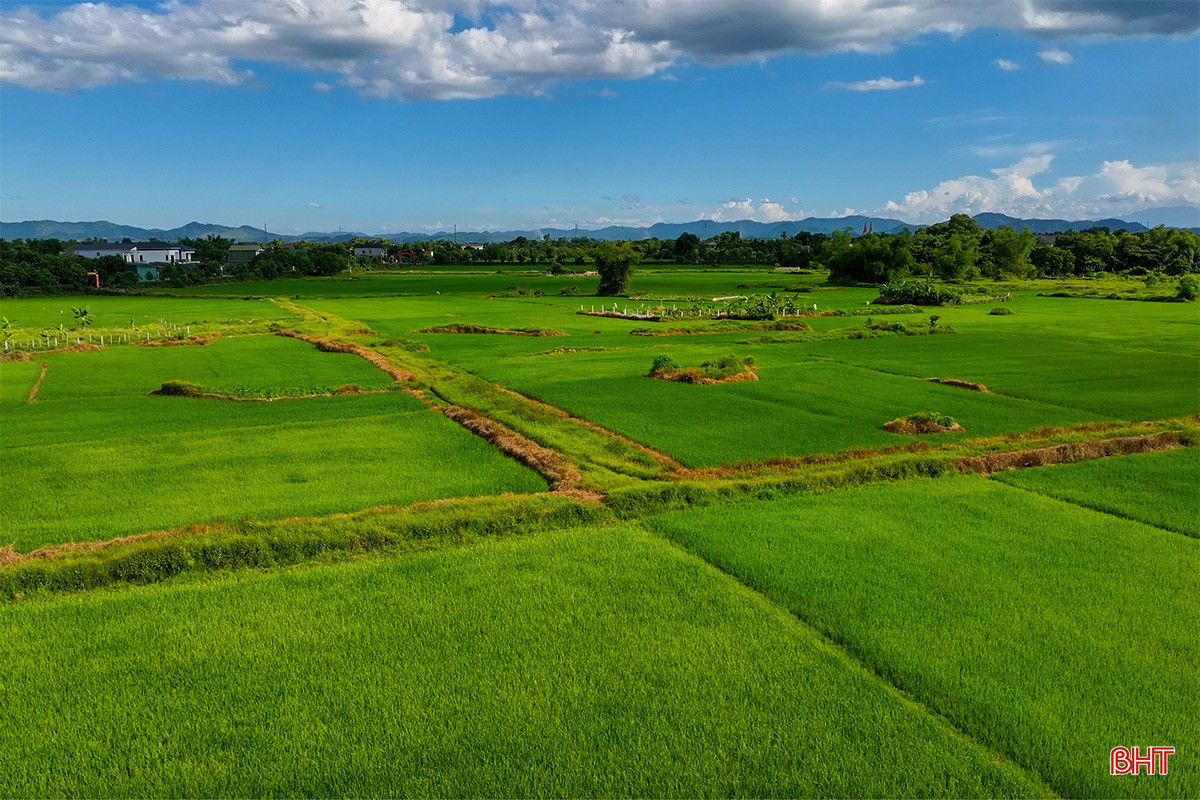
Because of its ability to quickly kill weeds, reducing labor and production costs, some people have chosen to use herbicides to spray on field edges, ditches, and land used for growing crops.
The indiscriminate use of herbicides poses numerous risks to human health and the environment. People can be exposed to chemicals through skin contact, inhalation, or consumption of food containing pesticide residues; it also increases the risk of water pollution, affects soil ecosystems, reduces the diversity of microbial populations, and disrupts the natural balance in agricultural environments.
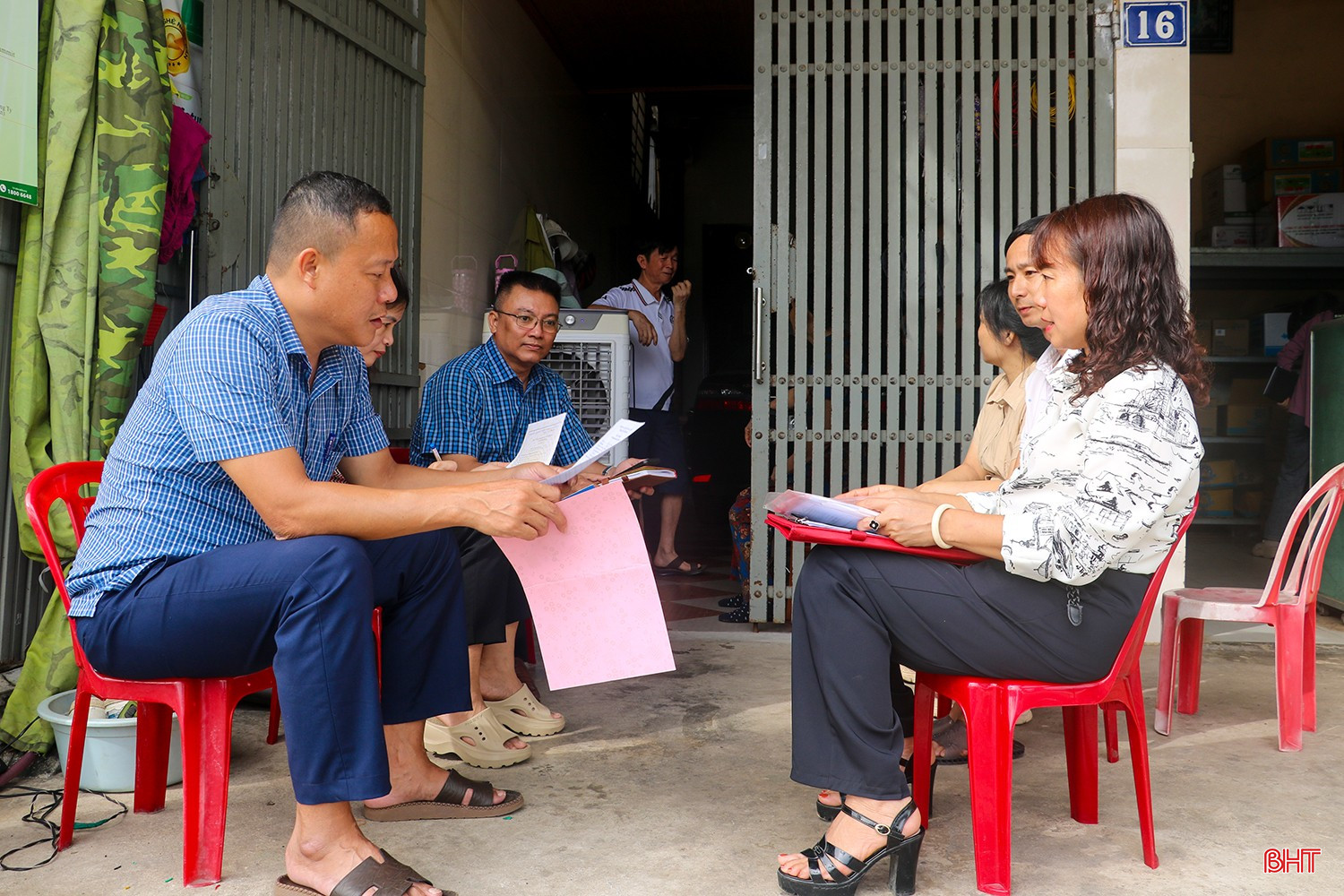
According to the Department of Agriculture and Environment, the province currently has 391 establishments that have been granted certificates of eligibility to trade in plant protection products (pesticides). However, while many establishments strictly comply with legal regulations, some stores still do not fully comply with regulations in the business of plant protection products, posing a potential risk to agricultural production and the environment.
In response to this situation, the People's Committee of Ha Tinh province has directed the Department of Agriculture and Environment and the Sub-Department of Crop Production and Livestock to proactively issue guiding documents on state management and the safe and effective use of plant protection products; especially to tighten control over the trading and use of herbicides.
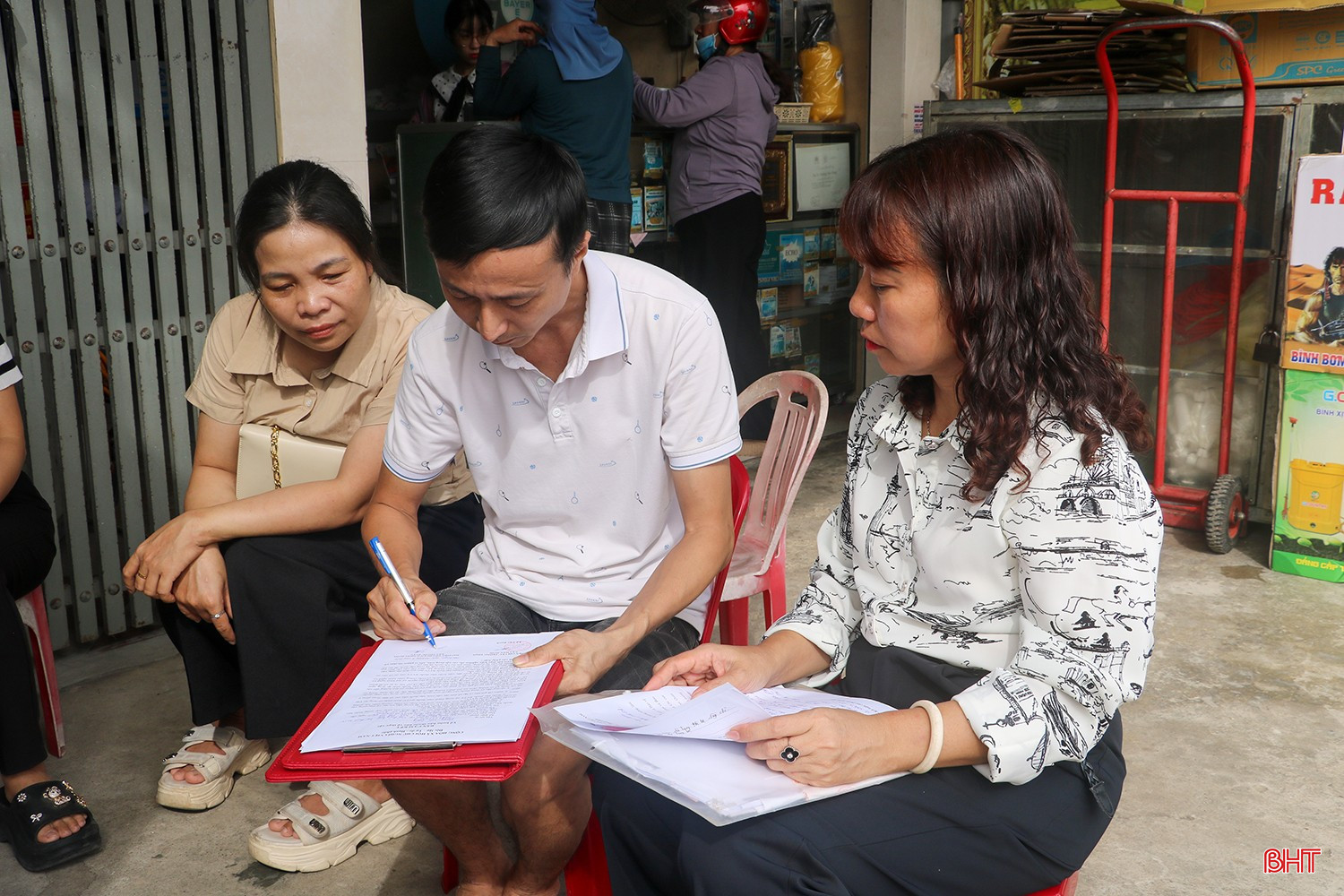
Right from the start of the summer-autumn crop season, inspection teams from the Department of Agriculture and Environment simultaneously launched a campaign, directly inspecting many pesticide businesses in the province; at the same time, they required businesses to sign commitments to fully comply with regulations in the trading of pesticides, especially herbicides.
Mr. Hoang Kieu Hung, representative of Hoang Van Nang Plant Protection Products Business (Cam Xuyen commune, Ha Tinh province), said: “We strictly comply with regulations in the trading of plant protection products, only trading in products that are on the list of those permitted for use in Vietnam; we display selling prices and keep complete records of the purchase and sale of pesticides.”
For herbicides, the facility provides specific instructions on permitted application locations and records complete buyer information as required by regulations.
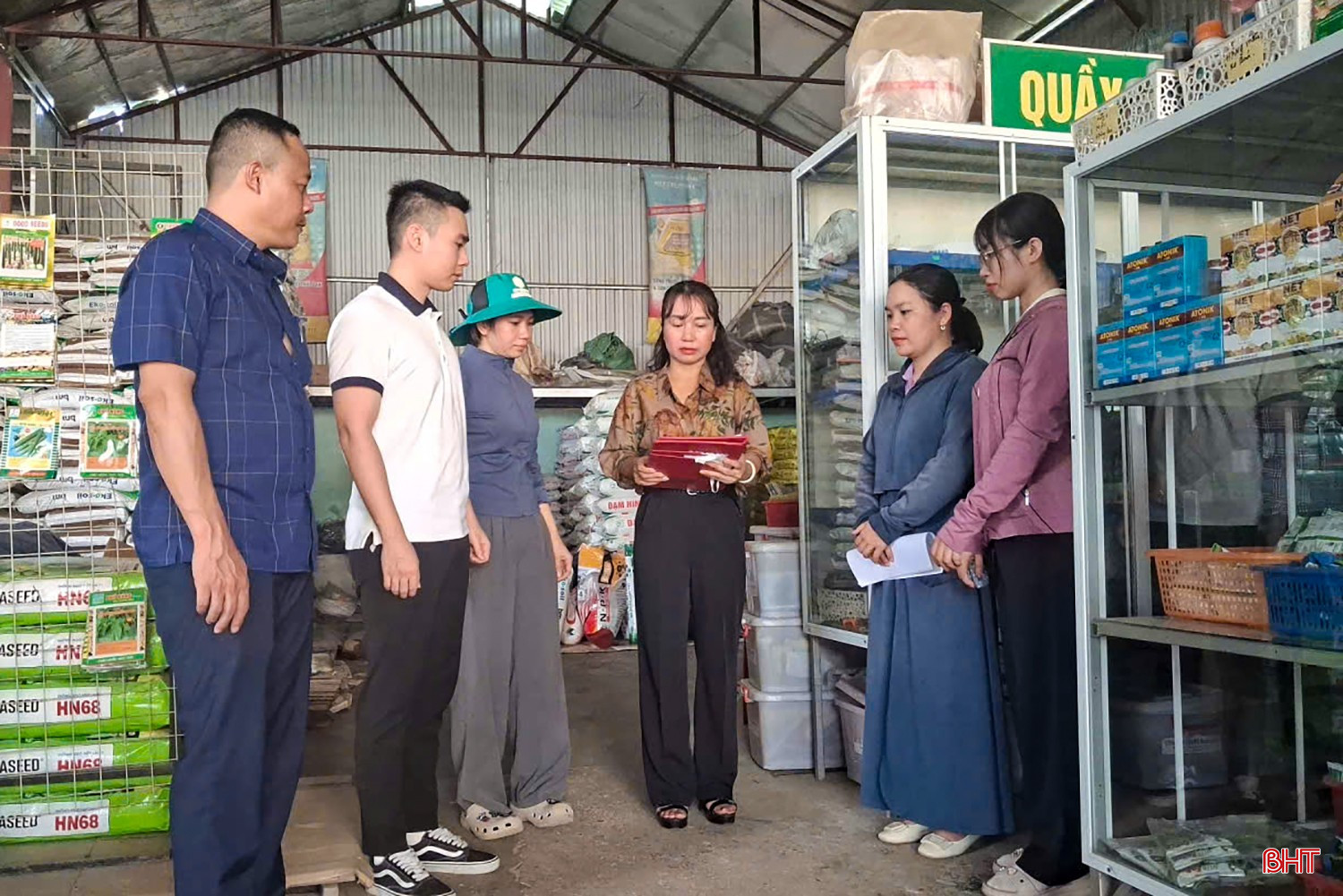
The inspection team worked at a pesticide business in Huong Khe commune.
Recently, many localities in Ha Tinh have intensified their efforts in disseminating information and organizing businesses and residents to sign commitments to comply with regulations on the use of pesticides.
To date, the entire province has organized approximately 50 training and awareness classes with about 5,000 participants. Some localities that have implemented the program effectively include: Duc Minh, Duc Thinh, Duc Quang, Mai Hoa, Cam Binh, Cam Due, Yen Hoa, Ha Huy Tap, Thach Lac, Tran Phu, Thach Khe…
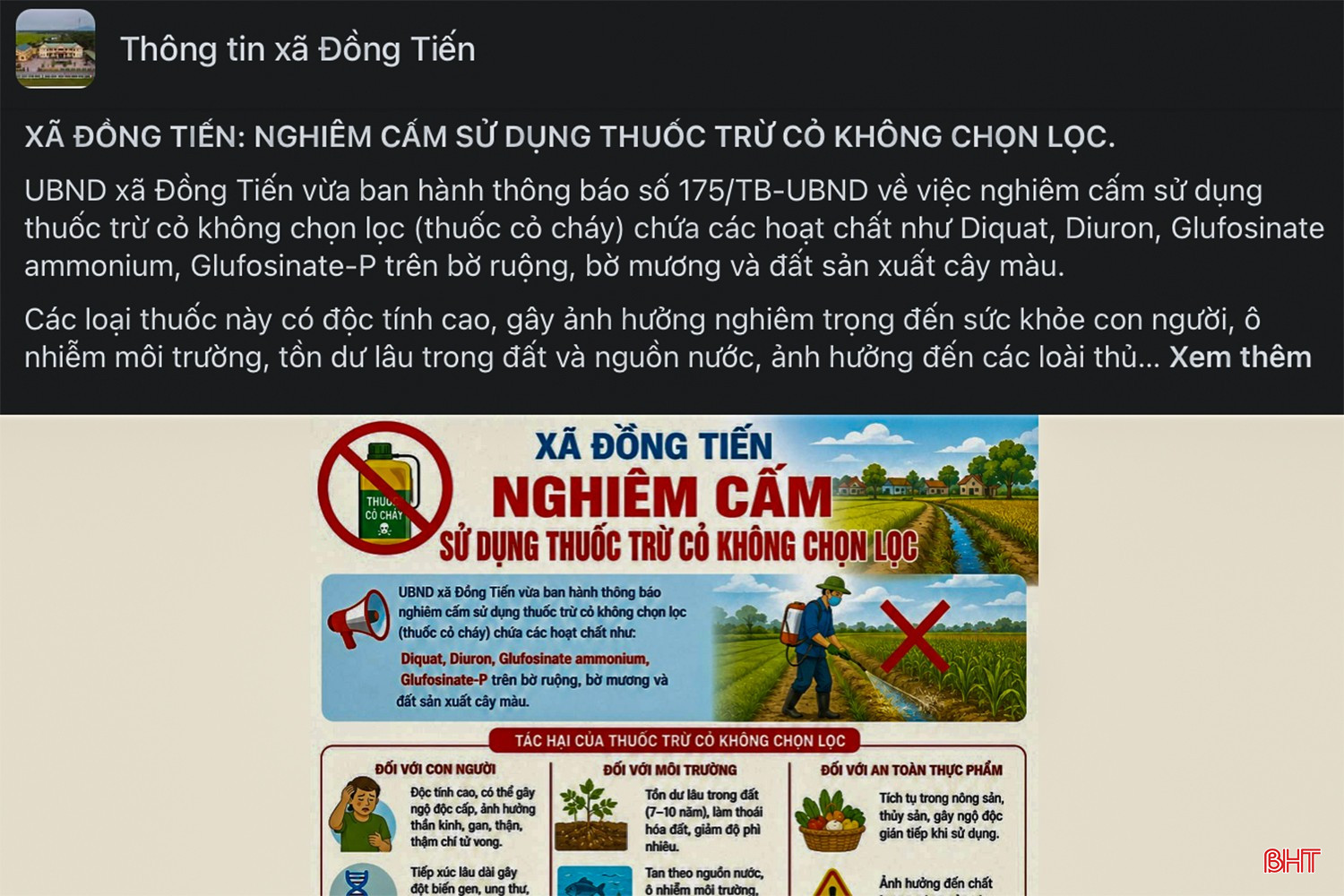
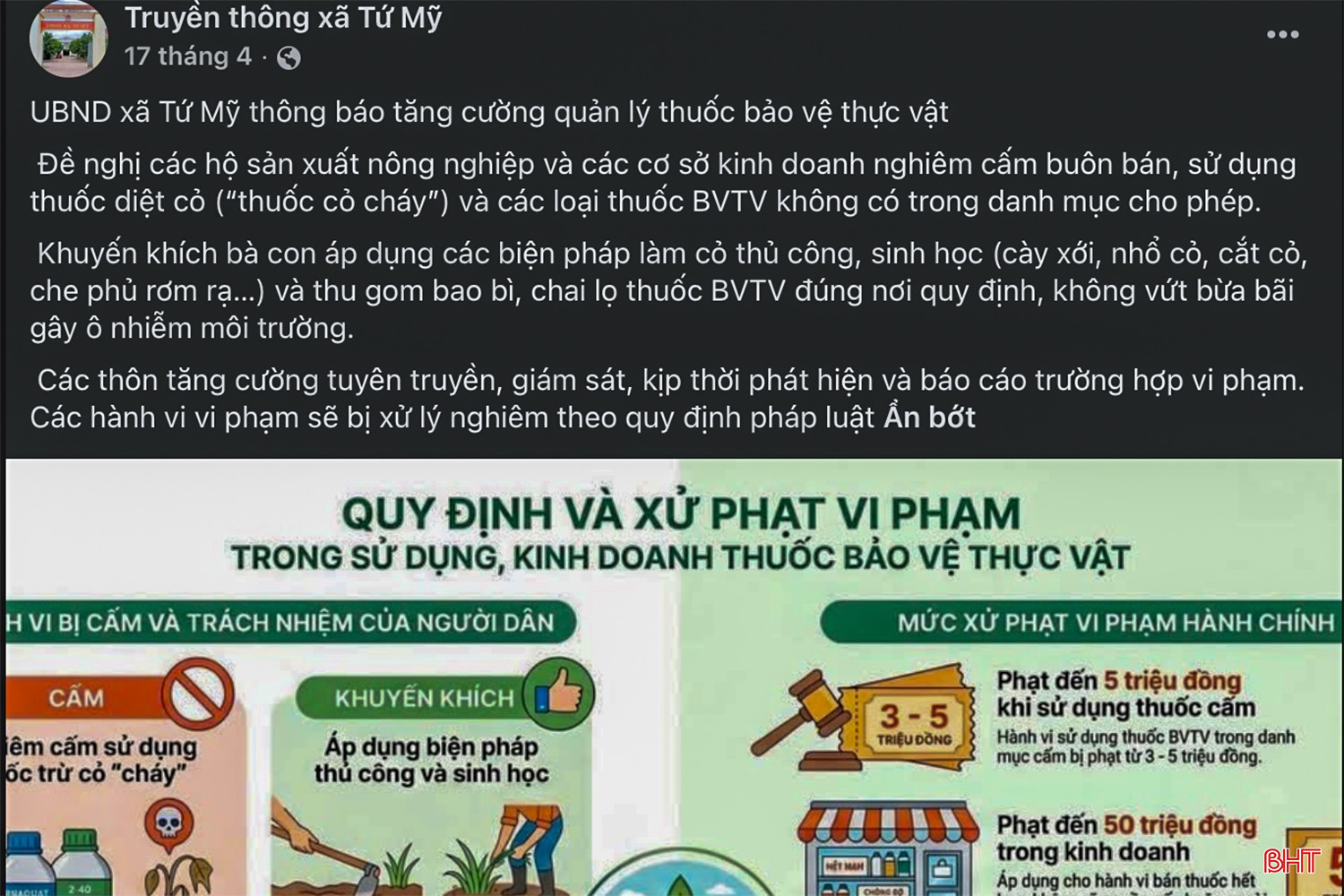
Ms. Hoang Thi Phuong from the Economic Department of Cam Xuyen Commune People's Committee said: "Right from the beginning of the production season, the locality organized dissemination of information through written documents and the broadcasting system, reaching out to village secretaries, village heads, and the people about the regulations on the proper use of herbicides."
Beyond just raising awareness, some localities have taken action against cases of illegal herbicide use. In Cam Binh commune, the local authorities recently held a meeting with a household that sprayed herbicide on the edges of rice fields in Trung Nam village.

Mr. Nguyen Truong Giang, Deputy Head of the Economic Department of Cam Binh Commune People's Committee, said: "During the meeting, we requested the family to strictly implement measures to remedy the consequences; sign a commitment not to repeat the violation and to use pesticides according to instructions. At the same time, we instructed specialized departments to strengthen propaganda and inspection work, and promptly advise on handling violations to protect the environment and people's health."
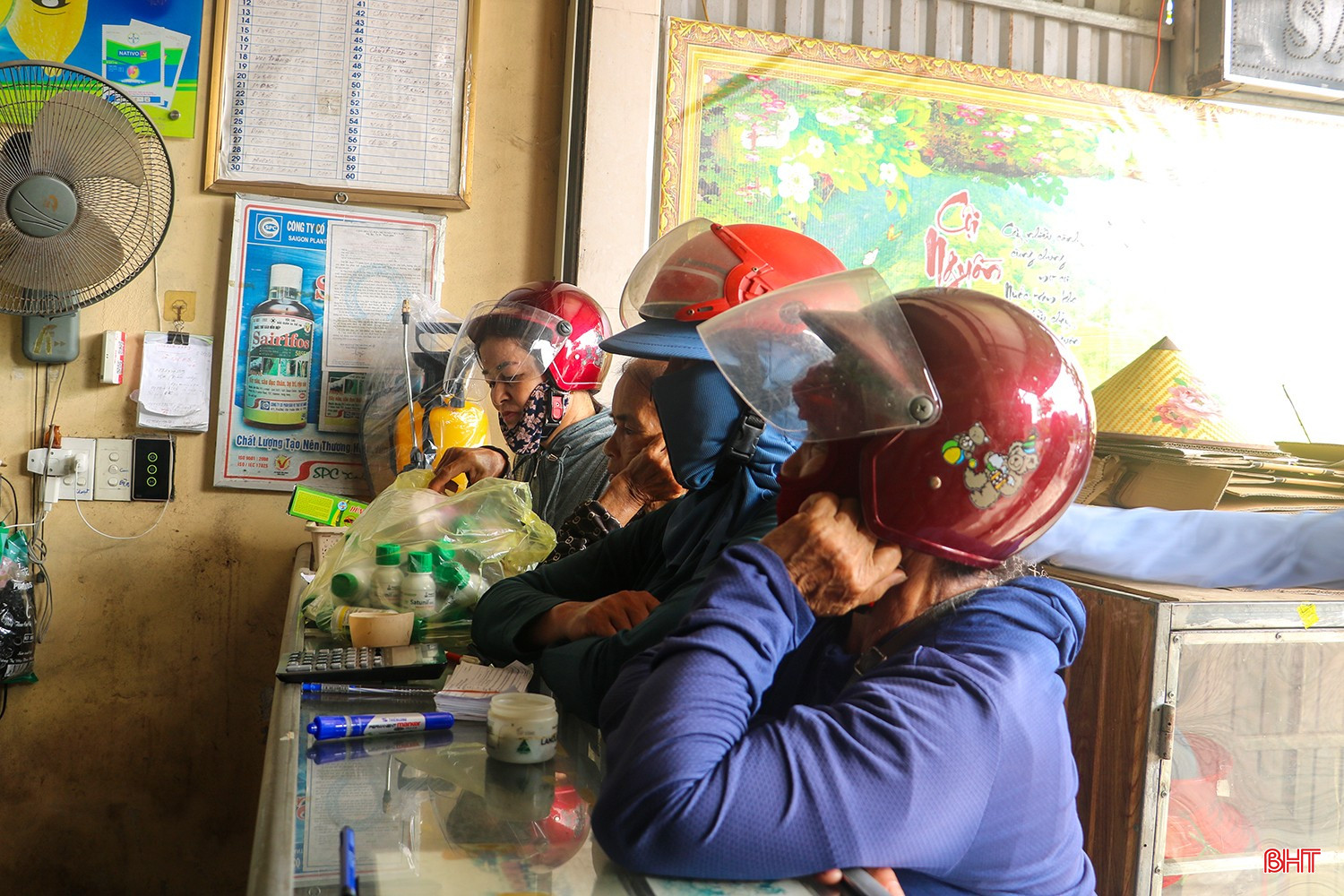
Ms. Ho Thi Thuy, Head of the Plant Protection Department, Sub-Department of Crop Production and Livestock (Department of Agriculture and Environment), stated: “For non-selective herbicides on the list of permitted products, their sale is not prohibited, but they must be used in accordance with regulations. Sellers of herbicides are required to provide specific instructions on permitted spraying locations to buyers and only sell to those who need to spray in permitted areas. In addition, the professional sector recommends that people use plant protection products according to the “four correct principles”: correct pesticide, correct dosage, correct target, and correct timing.”
Stricter management of herbicides aims not only to limit the risk of environmental pollution and public health impacts but also to contribute to changing production habits, moving towards safer and more sustainable agriculture.
Source: https://baohatinh.vn/ha-tinh-siet-quan-ly-thuoc-co-chay-ngay-dau-vu-he-thu-post310975.html
































![[Photo] Reception to welcome General Secretary and President To Lam and his wife on their State visit to the Philippines](https://vphoto.vietnam.vn/thumb/1200x675/vietnam/resource/IMAGE/2026/06/01/1780295488620_vna-potal-chieu-dai-chao-mung-tong-bi-thu-chu-tich-nuoc-to-lam-va-phu-nhan-tham-cap-nha-nuoc-toi-philippines-8798060-7855-jpg.webp)




























































Comment (0)