

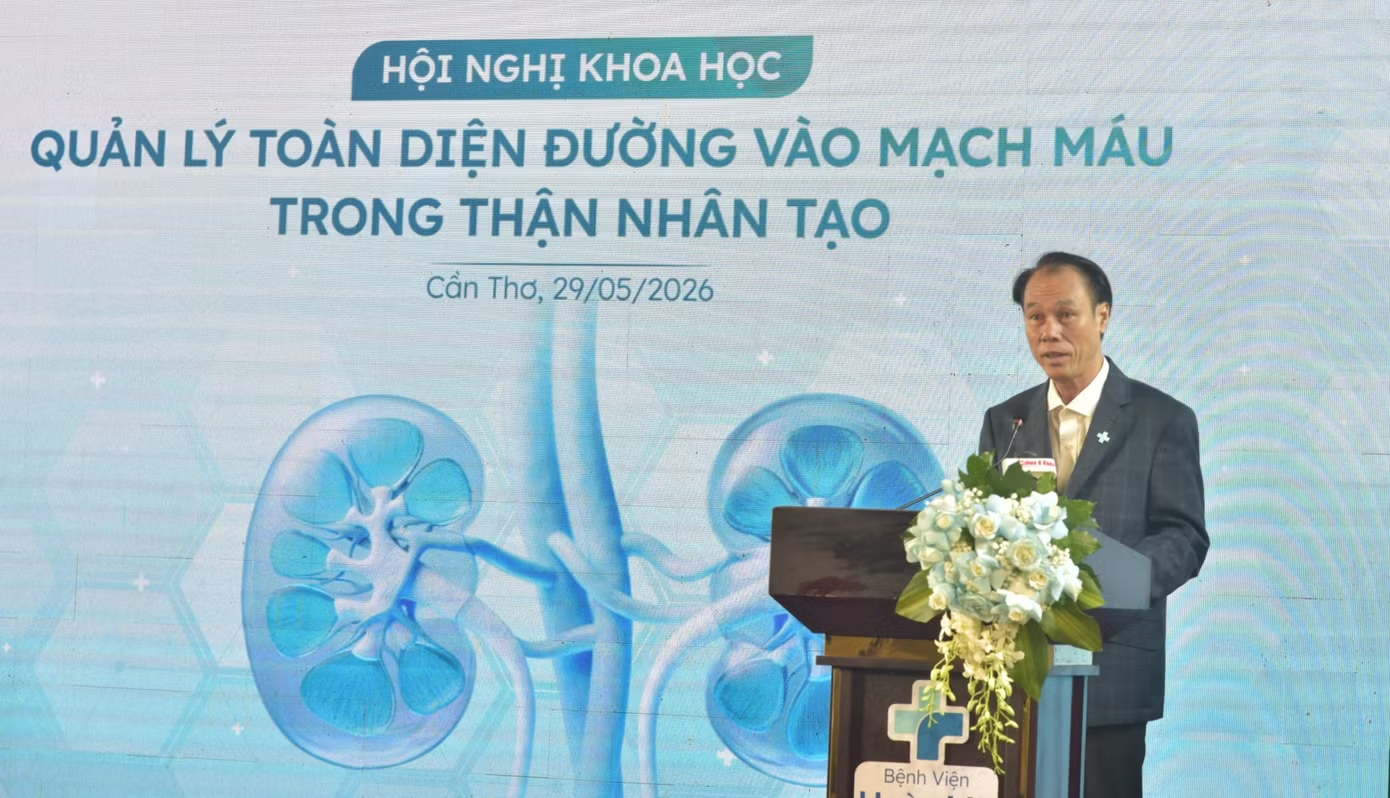
At the Conference on Comprehensive Management of Vascular Access in Hemodialysis, held on May 29th in Can Tho, data from the Ministry of Health showed that currently, more than 8.7 million people nationwide suffer from chronic kidney disease, accounting for 12.8% of the adult population. Of these, tens of thousands are relying on hemodialysis to sustain their lives.
According to Dr. Nguyen Phi Hung, Medical Director of Hoan My Cuu Long Hospital, for a hemodialysis patient, the vascular access, especially the autologous arteriovenous fistula (AVF), is like a "bridge to life." This directly determines the effectiveness of dialysis and the ability to maintain long-term treatment for the patient.
However, according to Dr. Hung, many dialysis patients experience stenosis, thrombosis, or impaired vascular function after a long period of dialysis. When this "single pathway" is damaged, if not treated promptly, patients will lose the opportunity to continue stable dialysis and face a direct risk of death.
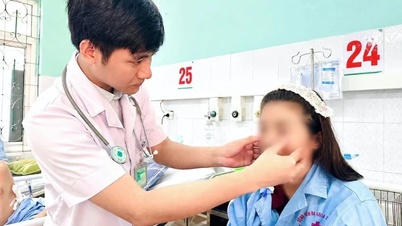
On the sidelines of the conference, experts shared a real-life clinical case that had just been successfully performed in the Mekong Delta. Ms. TTDK (43 years old, residing in Soc Trang province) had been undergoing hemodialysis for many years. She had undergone four surgeries to create an AVF bypass, but now experienced further blockage, damage, swelling, and pain, so she had to seek treatment at Hoan My Cuu Long Hospital.
Dr. Lam Minh Loc (Department of Cardiology - Interventional Cardiology) stated that the ultrasound results showed a blood clot had filled a long section from the anastomosis to the middle third of Mrs. K's right arm, blocking the blood vessel. Therefore, Mrs. K no longer has a suitable vascular site for hemodialysis, and other vascular sites are no longer viable for bypass surgery.
At that point, the doctors decided to perform endovascular intervention. A specialized device was threaded through the blockage in an artery in her right arm. Then, a small balloon was inserted and expanded under high pressure, completely releasing the blood clot. The surgery was successful, and Mrs. K. continued to receive dialysis.
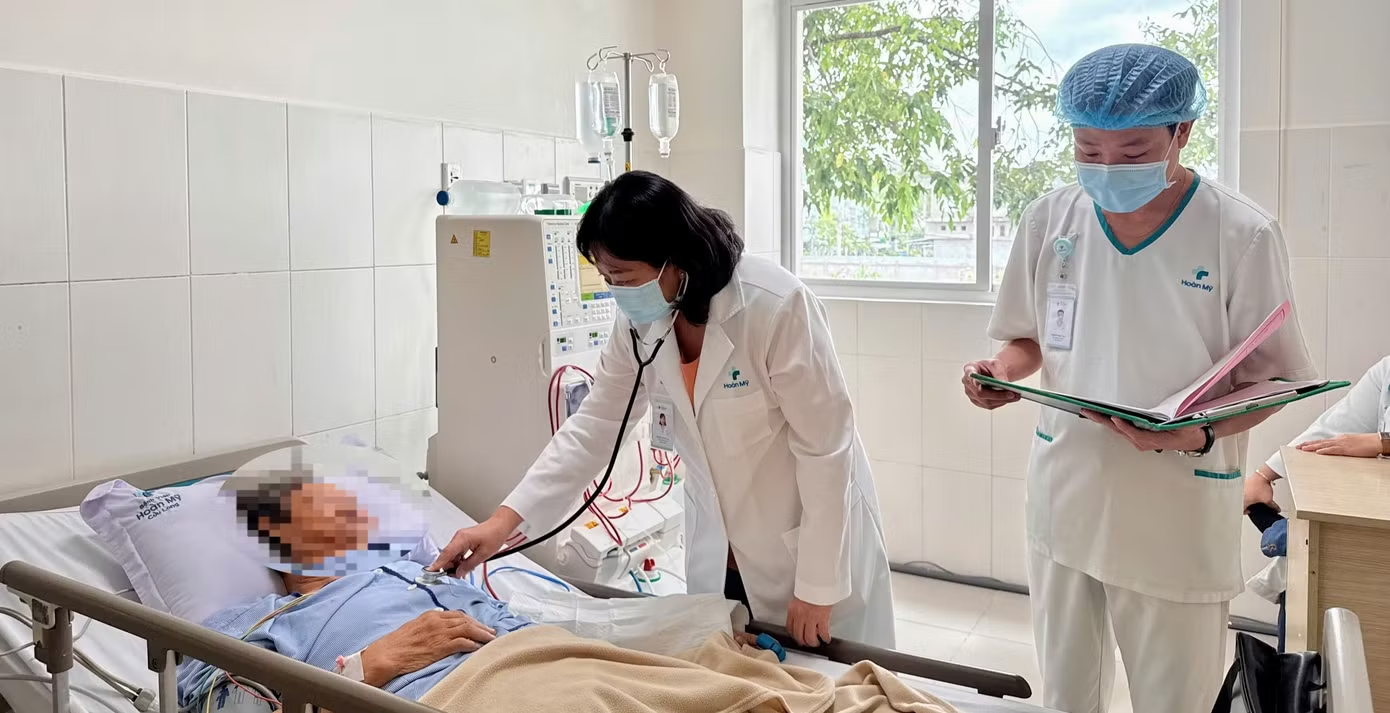
Doctors believe that the implementation of endovascular intervention techniques for hemodialysis patients will open up many opportunities for patients in the Mekong Delta region. In particular, many patients will no longer have to spend time and money traveling to Ho Chi Minh City for treatment, reducing the burden on higher-level hospitals.
Source: https://tienphong.vn/hon-12-nguoi-viet-truong-thanh-mac-benh-than-man-tinh-post1847323.tpo




![[Photo] First session of the 14th Congress of the Vietnam Trade Union](https://vphoto.vietnam.vn/thumb/1200x675/vietnam/resource/IMAGE/2026/06/03/1780465947883_ndo_br_img-3852-jpg.webp)



![Water security in the Mekong Delta: [Part 3] Turning rivers into 'super reservoirs'](https://vphoto.vietnam.vn/thumb/402x226/vietnam/resource/IMAGE/2026/06/01/1780271198729_0712-t10nr-150406_121.jpeg)















































































Comment (0)