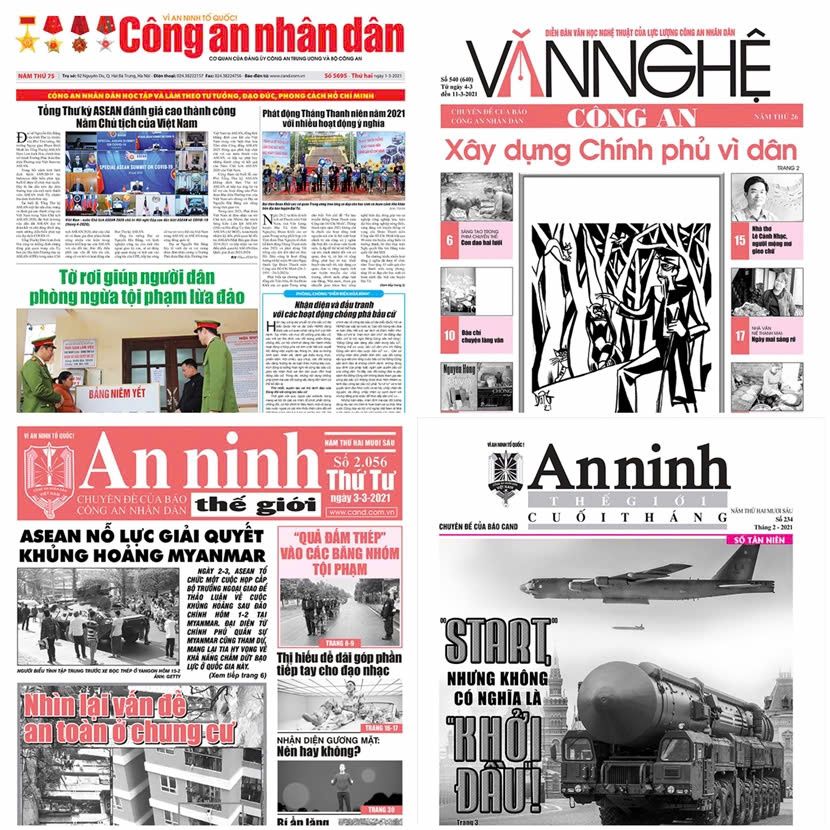
1. From the late 1990s, when he was entrusted with the responsibility of Editor-in-Chief of the World Security Newspaper and later, in 2003, as Editor-in-Chief of the People's Police Newspaper , Huu Uoc began a major reconstruction of a sectoral newspaper that was considered rigid and uninteresting.
He not only kept the flame alive for the political -legal newspaper, but also transformed it into a real journalistic phenomenon in social life. A series of supplementary publications he founded – World Security, Public Security Arts and Literature, Global Police – quickly created a rich journalistic ecosystem, subtly combining social investigation, current affairs reporting, literature and art, and political criticism.
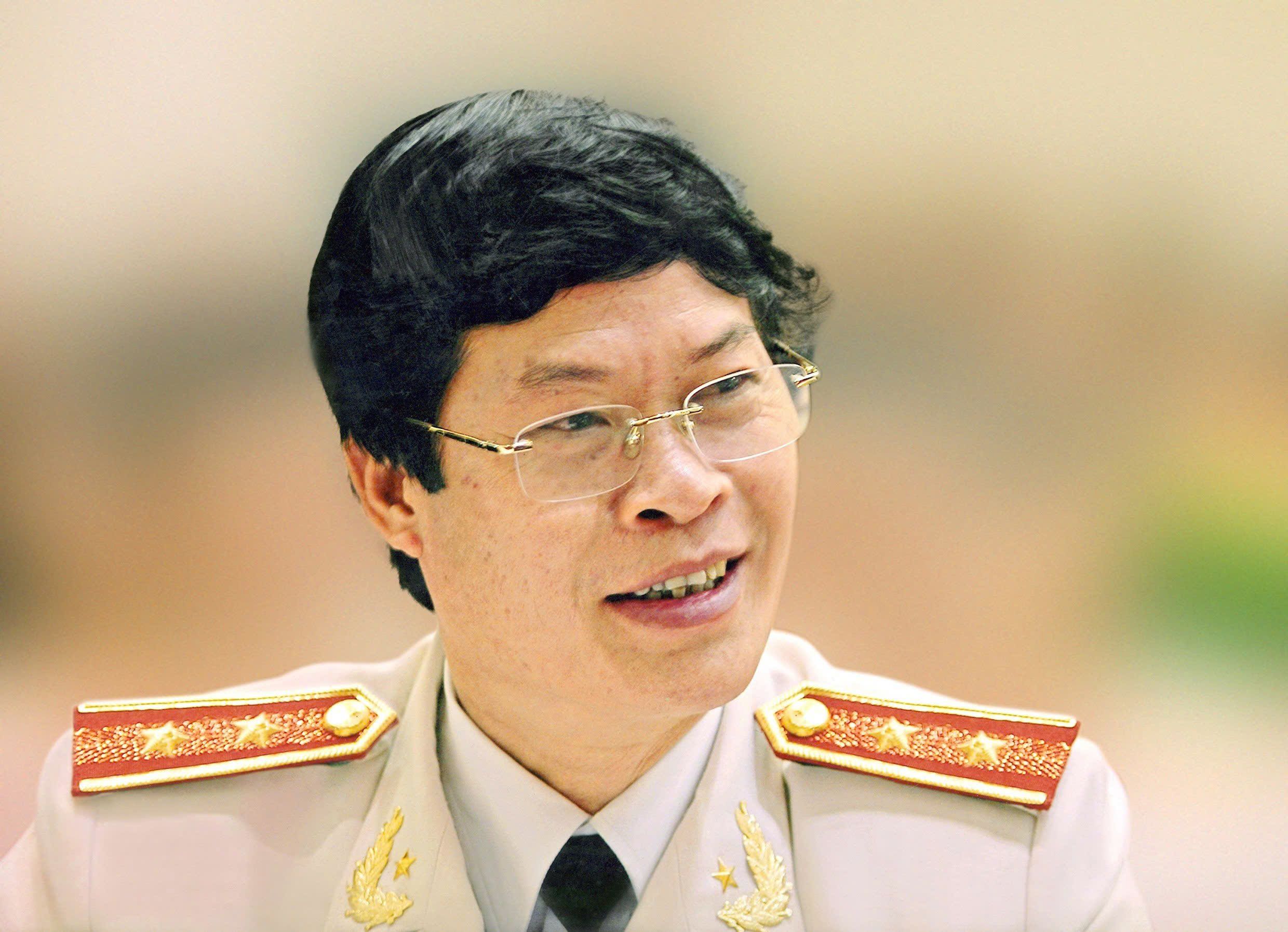
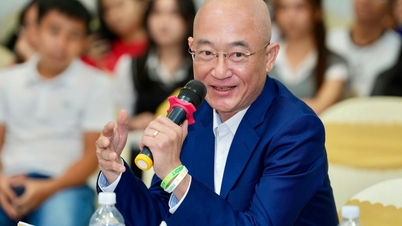
Journalist and writer Huu Uoc
During the era when print journalism reigned supreme – from the 1990s to the early 2010s – the name Huu Uoc emerged like a "wolf" in the jungle of journalism. He wasn't overly flamboyant, but wherever he was, his "tooth marks" were deeply imprinted on every page. He practiced journalism like a hunter – sensitive, passionate, uncompromising, and always one step ahead. It's hard to mistake a newspaper run by Huu Uoc – because it embodies the spirit of someone who understands politics, literature, and human nature.
In his journalistic style, Huu Uoc stood out for his sensitivity to the market while remaining true to his principles. He chose his articles like choosing bait – wisely, topical, daring to debate, daring to touch on sensitive issues, yet still maintaining a strong sense of direction. He ushered in a golden age of columns that forced the entire journalistic community to re-evaluate: from dramatic investigative reports and multi-layered profiles of criminals to the hidden corners of power, society, and human psychology.
He understood the seemingly simple principle: to get people to read the newspaper, you have to make them want to pick it up. And to do that, the press must tap into people's instincts of curiosity, fear, hope, and the most hidden anxieties of modern life.
The press under his leadership was neither dry nor dogmatic. It was a combination of combativeness, narrative, and contemplation. The World Security newspaper at that time was not simply a newspaper; it was a reading space, a meeting place for officials, intellectuals, artists, and the general public.

In a sensitive position like the police-affiliated newspaper, Huu Uoc often said he was "walking on a tightrope." But instead of avoiding it, he embraced it. The newspaper he organized dared to bring the voice of the people into the official publication, dared to critique, dared to tell stories of those outside the spotlight, those on the margins of the system. He didn't hide the thorns; he found a way to place them in the right places. Not to shock, but to force people to confront them. His newspaper had both a "military spirit"—decisive and direct—and an "artistic spirit"—deep, contemplative, and multi-layered metaphors.
But the so-called "Right-Word School" lies not only in its content, but also in its organization of journalistic life as a whole with its own principles and vitality. It is the crystallization of investigation, critique, literature, and current events, of journalistic reason and artistic emotion. He allowed writers to create portraits of criminals, and journalists to tell stories as if constructing a novelistic sequence. He encouraged experimentation, but still demanded utmost honesty.
Under his leadership, journalism was not just a place to practice one's profession, but also a place to make a living. At that time, many of his staff members, thanks to their series of articles and column contributions, earned enough money to buy cars, houses, and provide for their families. In an era when few newspapers could afford to support writers, at his newspaper, talented reporters could live comfortably and decently thanks to their writing.
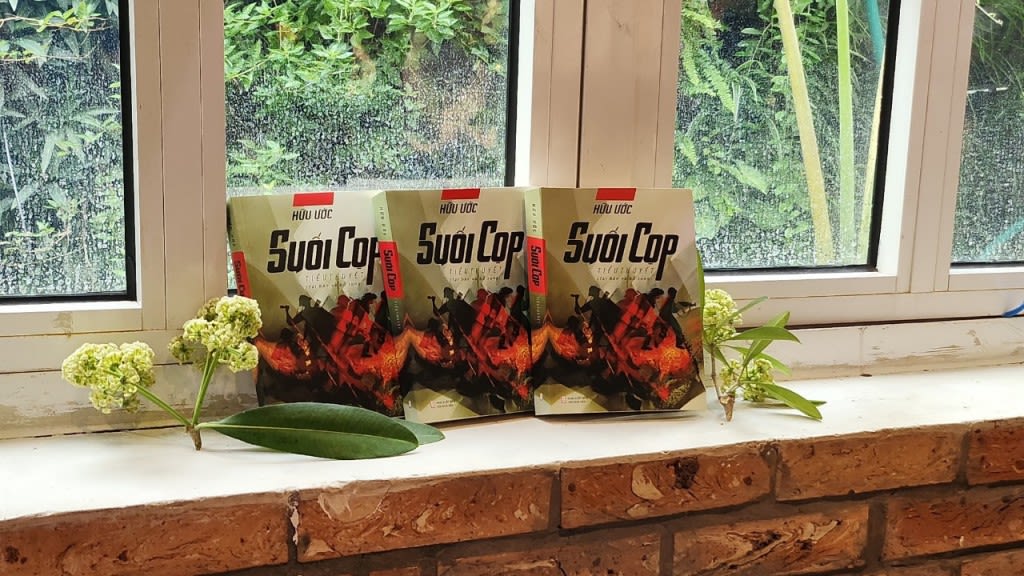
In his writings, Huu Uoc left his mark with short stories, essays, poems, and novels—works deeply imbued with the spirit of soldiers, life, and humanity. Many of his poems have been set to music, spreading profound emotion. Huu Uoc wrote as if tearing his heart out. His stories—from the battlefield to prison camps, from border outposts to city streets—are all steeped in existentialism. He wrote prolifically, each genre leaving an impression of a raw, unadorned, and haunting personality. It felt as if he didn't write for beauty, but to live authentically and speak truthfully.
In a sensitive position like the police-affiliated newspaper, Huu Uoc often said he was "walking on a tightrope." But instead of avoiding it, he embraced it. The newspaper he organized dared to bring the voice of the people into the official publication, dared to critique, dared to tell stories of those outside the spotlight, those on the margins of the system. He didn't hide the thorns; he found a way to place them in the right places. Not to shock, but to force people to confront them. His newspaper had both a "military spirit"—decisive and direct—and an "artistic spirit"—deep, contemplative, and multi-layered metaphors.

2. Perhaps even more significant is the way Huu Uoc recruited writers and maintained the team of writers he managed. For a time, he "recruited" all the talented names in the literary world to advise and support his newspaper: Do Chu, Tran Dang Khoa, Nguyen Quang Thieu, Nhu Phong, Nguyen Thi Thu Hue, Hong Thanh Quang, Nguyen Thi Thuy Linh...
Back then, anyone who received his approval was considered to have established their value. Every writer who worked with him carried a quiet pressure, but also a hidden sense of pride.
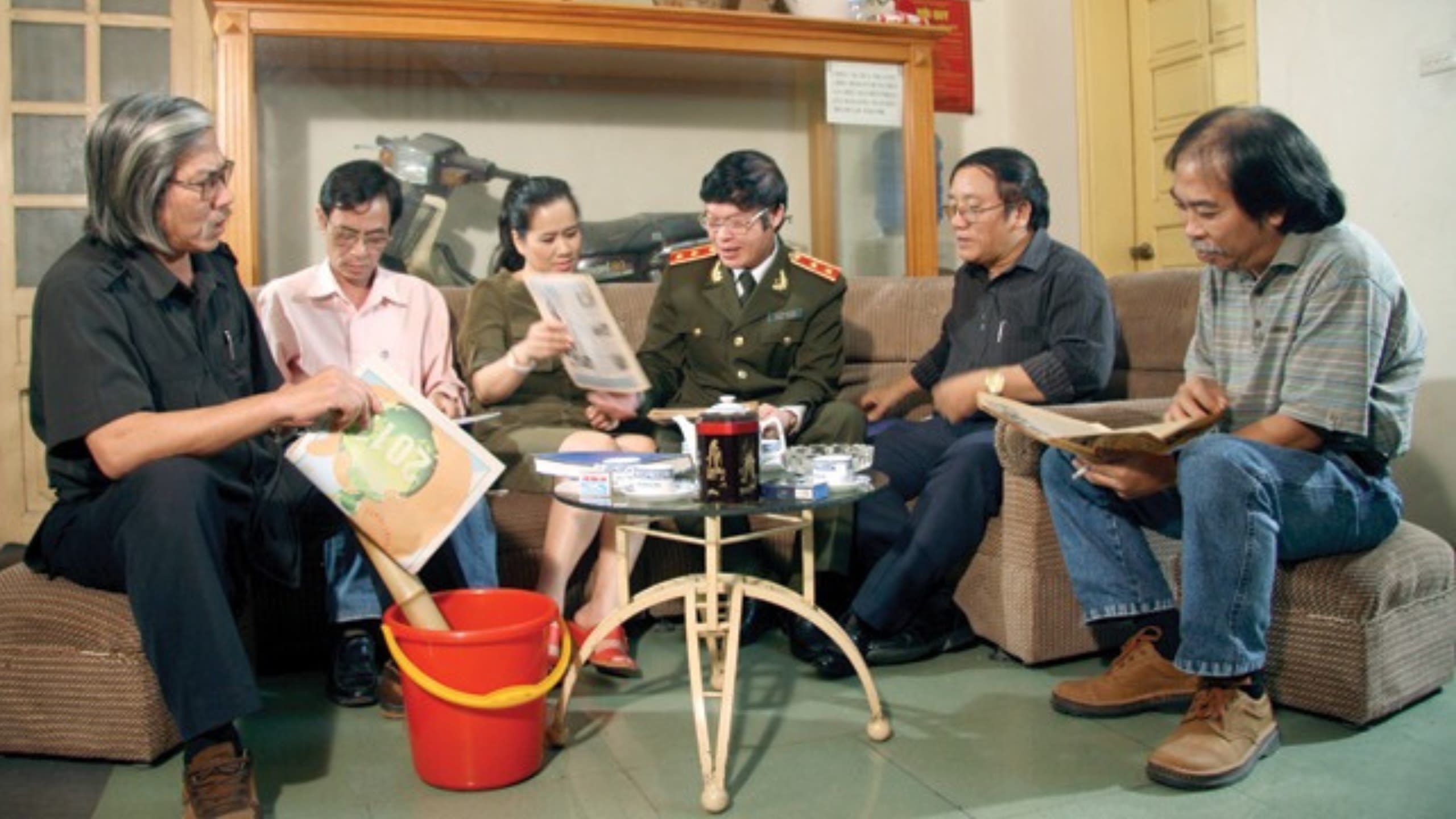
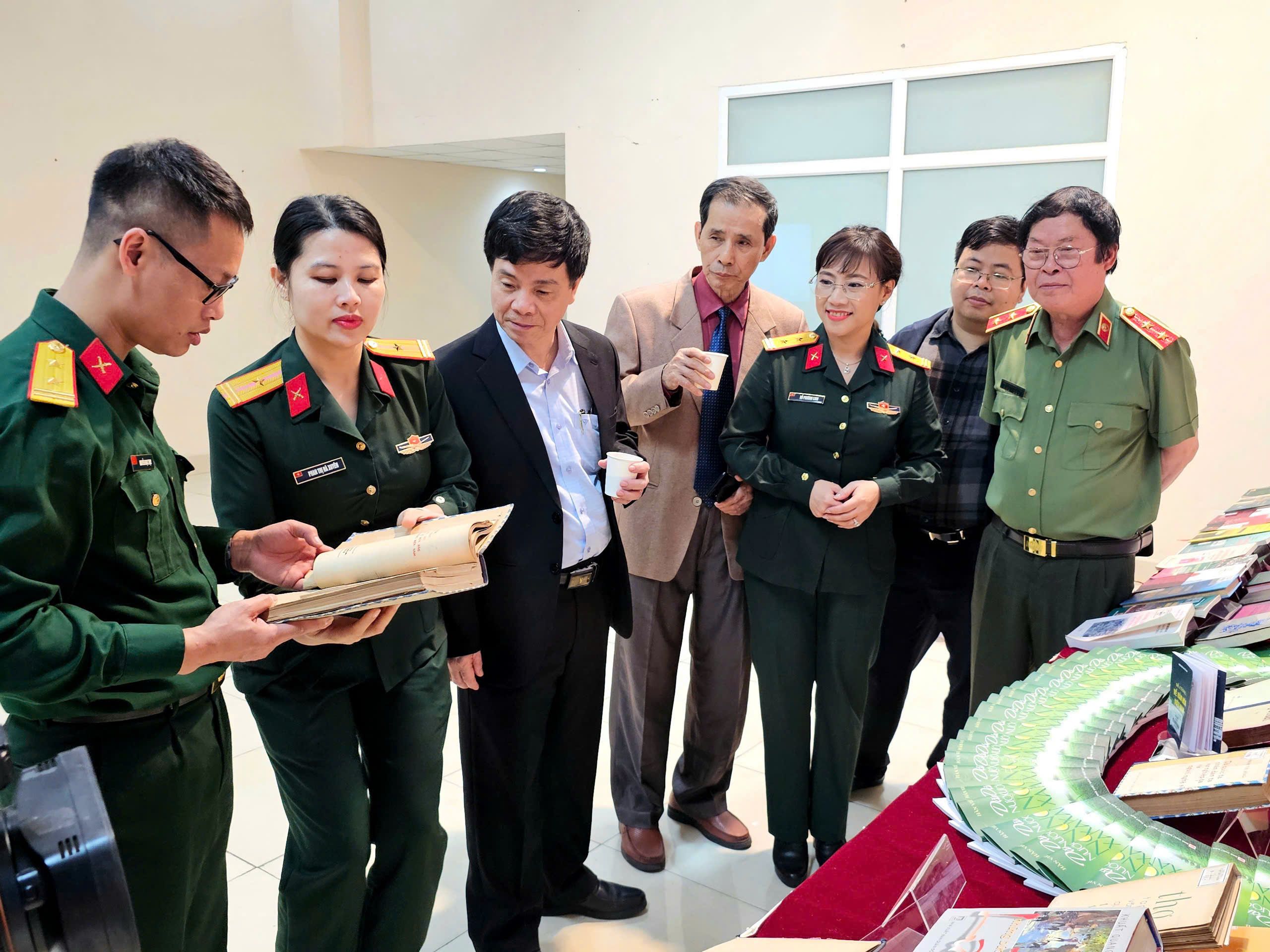
Lieutenant General, writer Huu Uoc and the author (right cover) with early collaborators of the Public Security and World Security Arts and Literature magazine (photo taken November 2011). Photo: cand.com.vn
The prominent names that emerged at that time, such as Pham Khai, Hong Lam, Nguyen Quyen, Nhu Binh, Do Doan Hoang, Dang Huyen, Dang Vuong Hanh, Trinh Viet Dong, Vu Cao, Pham Ngoc Duong, Sy Tuan... all went through the "Huu Uoc training ground". Many of them, even after leaving the industry's journalism, still carry that style: sharp, insightful, confident, and compassionate.
This is because Huu Uoc was a highly skilled and experienced manager. He never hesitated to employ subordinates or staff who were more capable than himself. On the contrary, he knew how to gather, win over, and utilize them according to their strengths and abilities. He created a work environment that was good enough for them to feel secure and comfortable. He also had the ability to coordinate and harmonize many different personalities working together for him.
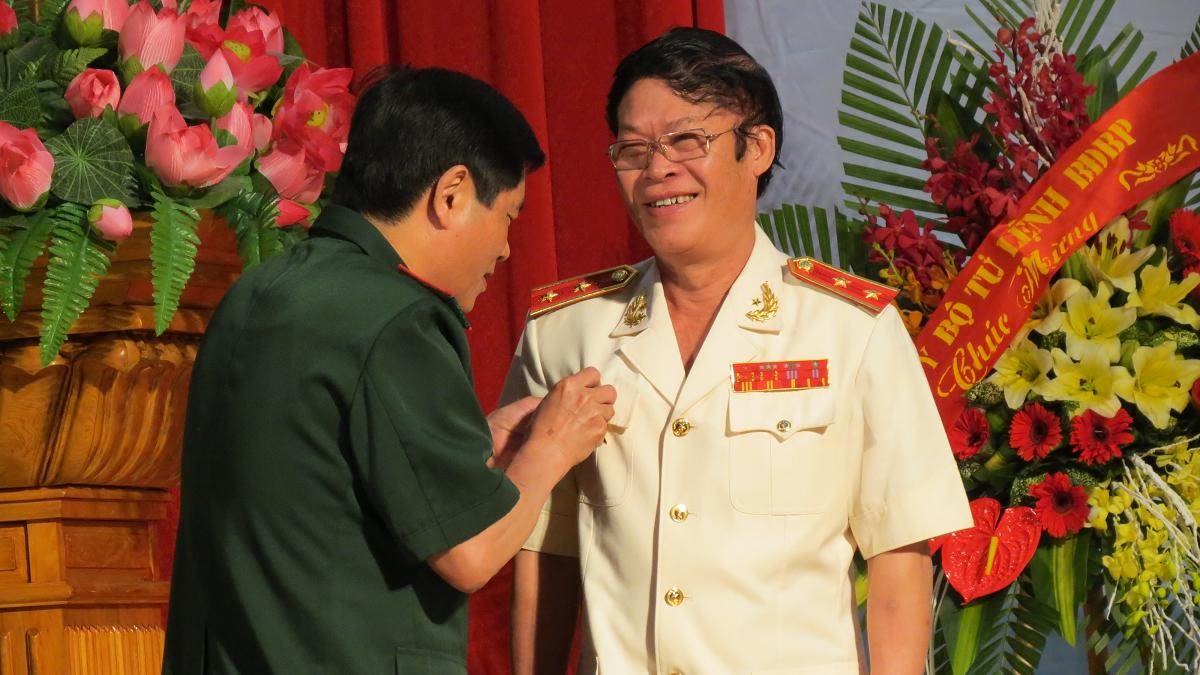
Lieutenant General Huu Uoc was awarded a commemorative medal by the Border Guard Newspaper during the ceremony to receive the Second Class Order of National Defense and to celebrate the 56th anniversary of the newspaper's founding (April 22, 1959 - April 22, 2015). Photo: Wikipedia
If journalism were a vast forest, Huu Uoc would be a wolf, both fearsome and admirable, not living in a pack but always knowing how to survive and commanding caution. But Huu Uoc is not just an "old wolf" of journalism. In his interactions, he is a unique personality, a fascinating contradiction: both cold and deeply emotional. He is upright, clear-cut in his likes and dislikes, and can mercilessly confront anyone he deems deceitful or manipulative. His "bossy" demeanor, a blend of experience, soldierly spirit, and a commanding instinct, sets him apart from most journalists of his time. He can be very subtle and understanding of people, but he is also ready to confront injustice or offense.
He was tolerant and generous with his subordinates, but he was not afraid to react, even confront, those above him if they lacked integrity. While in office, Huu Uoc had extensive connections and considerable social influence, thanks to which not only his newspaper but also his subordinates and colleagues inherited a hidden status, a kind of "power brand" that he had painstakingly built.
Huu Uoc's influence extended beyond the police press system. He was the one who expanded the scope of the police press – transforming it from a mere propaganda tool into an integral part of social life.
If journalism were a vast forest, Huu Uoc would be a wolf, both fearsome and admirable, not living in a pack but always knowing how to survive and commanding caution. But Huu Uoc is not just an "old wolf" of journalism. In his interactions, he is a unique personality, a fascinating contradiction: both cold and deeply emotional. He is upright, clear-cut in his likes and dislikes, and can mercilessly confront anyone he deems deceitful or manipulative. His "bossy" demeanor, a blend of experience, soldierly spirit, and a commanding instinct, sets him apart from most journalists of his time. He can be very subtle and understanding of people, but he is also ready to confront injustice or offense.
Phan Thanh Phong
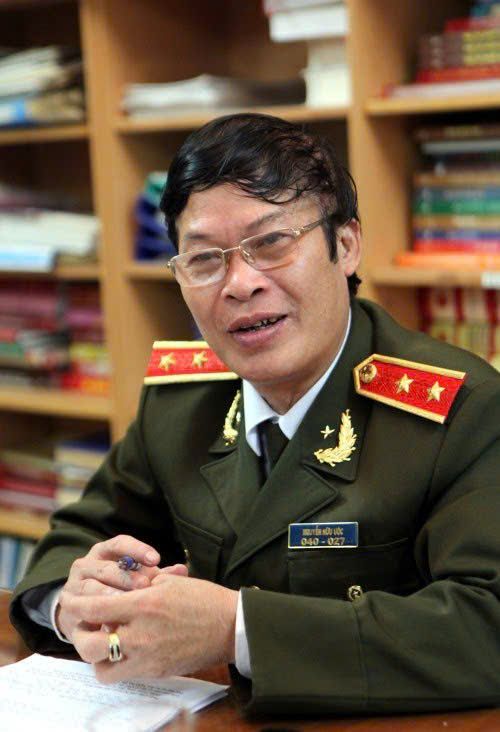
Journalist and writer Huu Uoc
3. But like many who stand at the top, Huu Uoc was not immune to setbacks and scratches that seemed small but later became deep wounds. In his arduous journalistic journey, he also faced trade-offs. When he was very young, Huu Uoc was imprisoned for an article – the feeling of losing his freedom because of words haunted him ever since.
Later, after retiring, he unexpectedly became embroiled in a lawsuit involving internal matters at his former editorial office, with former subordinates who had fought alongside him, some even whom he had mentored. The case, related to the People's Police Newspaper apartment building, forced him to confront public opinion, the responsibilities of his former position as head of the organization, and the harsh realities of human nature. But he did not shy away. He accepted responsibility, spoke out, and rectified the consequences like a true gentleman who knows how to humble himself.
Even after retirement, he faced unspoken losses: the physical pain of a serious illness and the deep emotional wound of his wife's sudden death shortly before his retirement. There were moments when both his body and soul seemed to be overwhelmed. But once again, he didn't run away; instead, he persevered. The resilience of an "old wolf" never retreated. It only lessened its growling—and silently endured.
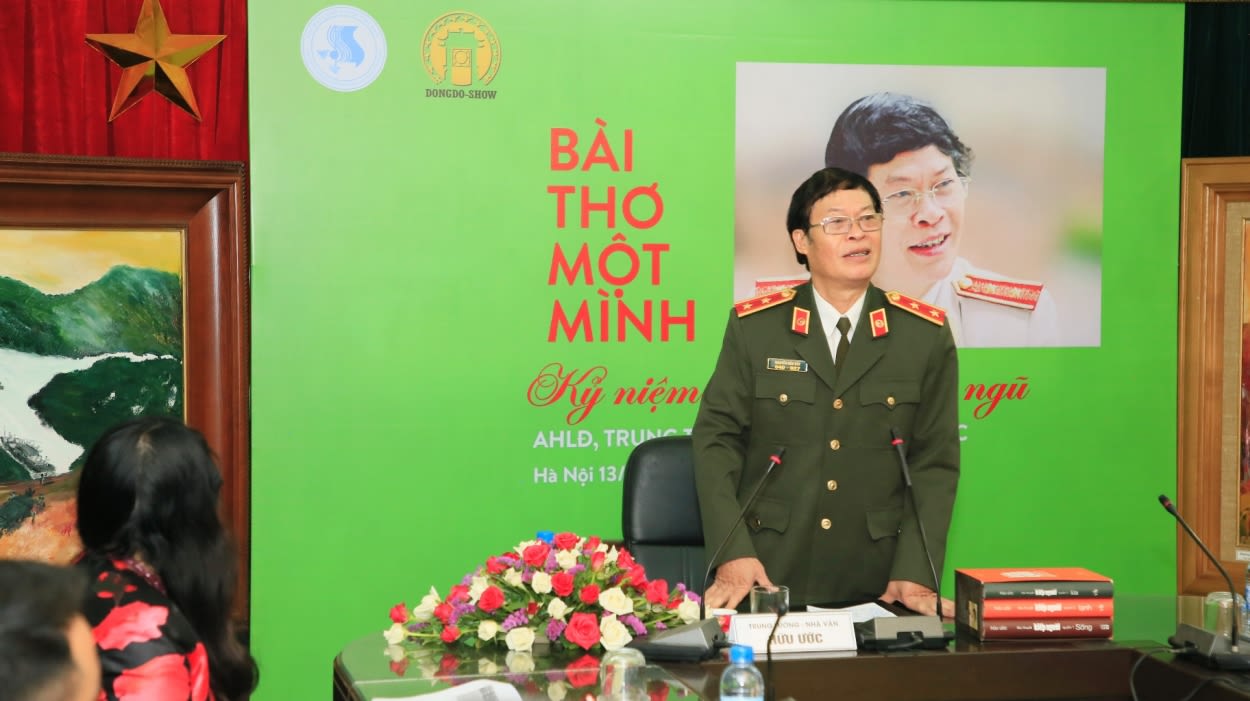
Lieutenant General and poet Huu Uoc shared his thoughts about the poetry, music, and art night "Huu Uoc and the poem 'Alone'" which will take place at the Au Co Theater. (Photo: Tuoi Tre Thu Do)
Occasionally, at gatherings with literary and journalistic friends, one can still see in Huu Uoc the same fiery passion he had years ago. He still enthusiastically recounts his experiences, still draws listeners into storms of memories, recollections mixed with pride and poignant longing. After numerous treatments and surgeries, he reappears on forums, expressing new plans and aspirations that seem far-fetched for his age – such as writing a masterpiece novel that could win an international literary award and transcend national borders. It sounds unrealistic, but anyone who knew Huu Uoc will understand: he is a man who doesn't live half-heartedly; even in the twilight of his life, he still yearns to leave a mark.
As the era of print journalism drew to a close, the shadow of Huu Uoc remained – in the way newsrooms organized special features, in the careful choice of headlines, in the aspiration for a unique identity amidst a chaotic age. His name is associated with a period when journalism could change public opinion, awaken conscience, and inspire intellect.
If there were a monument to the golden age of print journalism, behind it there would surely be a scratch – sharp, deep, and indelible – left by the "old wolf" named Huu Uoc.
Presented by: Bao Minh
Nhandan.vn
Source: https://nhandan.vn/special/Huu-Uoc-con-soi-gia-cua-bao-giay-thoi-hoang-kim/index.html


![[Image] Pleasant weather helps students enter the 10th grade entrance exam with confidence.](https://vphoto.vietnam.vn/thumb/1200x675/vietnam/resource/IMAGE/2026/05/29/1780034401612_ngay-1-thi-lop-10-minh-duy-8-5009-jpg.webp)

![[Photo] Ba Lang An Lighthouse - the "eye of the sea" amidst the "rock museum" of Quang Ngai province.](https://vphoto.vietnam.vn/thumb/1200x675/vietnam/resource/IMAGE/2026/05/29/1780038698840_anh-man-hinh-2026-05-29-luc-14-10-42.png)




























































Comment (0)