


Illustration: Mungkhood Studio's Images
Ho Chi Minh City is gradually bringing healthcare closer to the daily lives of its citizens through an integrated electronic health record on the Digital Citizen application. Accordingly, each citizen will have a unique electronic health record, linked to a personal identification code, helping to synchronize and manage medical data more accurately.
A single record for each citizen.
In late April, the Ho Chi Minh City Department of Health, in collaboration with the Department of Science and Technology, the Center for Digital Transformation, and the City Police, agreed on a plan to implement electronic health records for all citizens of the city. Instead of scattered medical information in various locations, citizens' health data will be updated and displayed centrally on the Ho Chi Minh City Digital Citizen Application.


From medical history, screening results, vaccinations to basic health indicators… everything will be gradually integrated into a single system. Linking records with personal identification codes helps ensure “the right person, the right data,” limiting duplication or inaccuracies in information.
Notably, citizens do not need to install any new applications; they can use it directly on the existing Digital Citizen platform. This is considered a major advantage in the implementation process, increasing accessibility and practical usability.
In the future, people will be able to proactively look up their medical history, monitor their health status, and manage personal information more conveniently right on their phones.
From treating illness to proactive healthcare.
Beyond being a technological advancement, electronic health records also demonstrate the healthcare industry's transformative direction: shifting from a treatment-based model to holistic and preventative healthcare.
With continuously interconnected data, doctors can monitor people's health throughout their lives instead of just accessing them at individual appointments. This is especially important for the elderly, those with chronic illnesses, pregnant women, and children – groups that require regular health management.
Reducing duplicate tests, optimizing healthcare costs, and supporting health insurance benefits are also expected benefits from this system.
From a management perspective, a shared health data repository will help the healthcare industry improve operational efficiency, forecasting, and policy planning based on real-world data.
"Clear responsibilities and tasks" to ensure data is truly valuable.
According to the Ho Chi Minh City Department of Health, lessons from countries such as Estonia, Singapore, and Denmark show that the decisive factor in the success of electronic health records lies not only in technology but also in the way they are organized and implemented.
In Estonia, each citizen has a unique identification number linked to all their medical data. Singapore operates a system based on the principle of "data is updated where it originates," while Denmark has built a family doctor model that tracks health records throughout a person's lifetime.
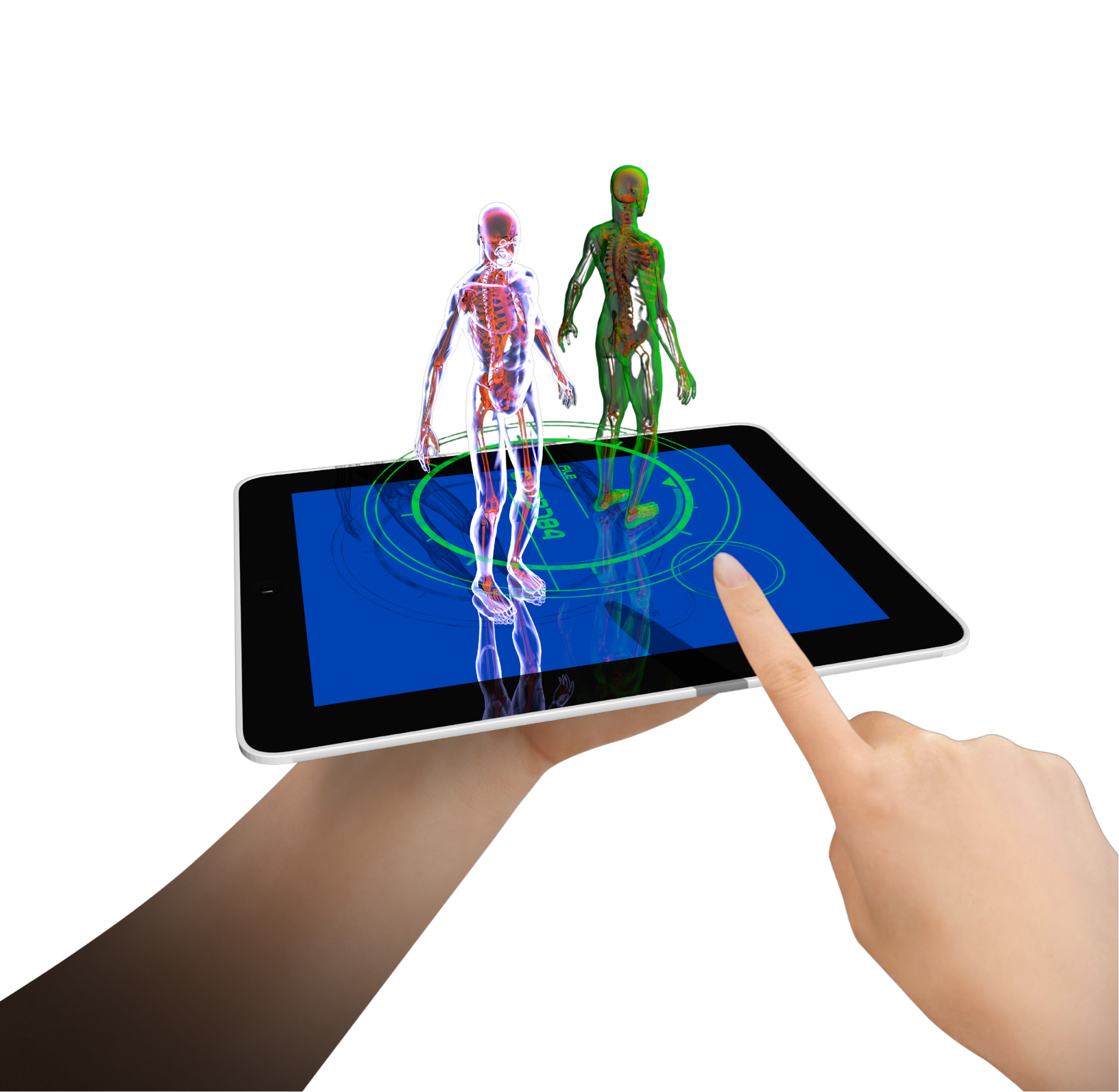
Illustration: Getty Images
Based on international experience, Ho Chi Minh City has identified the principle of "clear responsibilities, clear tasks" as a key factor. Specifically: Local authorities are responsible for reviewing population data; health centers play a role in updating and managing primary health information; the police force ensures personal identification verification; the health sector standardizes data and professional procedures; and the Digital Transformation Center, along with the Department of Science and Technology, is responsible for technical infrastructure and data security.
The system also provides solutions for dependents such as children or those requiring legal representation, helping to expand the coverage of health data for the entire population.
People are at the center of the system.
It is important to note that the Electronic Health Record system cannot function effectively without the active participation of citizens.
Installing the application, using the VNeID electronic identity card, providing accurate information when seeking medical treatment, or proactively monitoring health records are all important steps to ensure that data is always up-to-date and has practical value.
Simultaneously, security is also a top priority. People are advised not to share passwords or OTP codes and to report any irregularities related to their accounts or personal data promptly.
Source: https://vtv.vn/khi-moi-nguoi-dan-co-mot-tro-ly-y-te-so-100260531132556212.htm

![[Photo] Admire the coral "masterpiece" amidst the million-year-old heritage of Dak Lak province.](https://vphoto.vietnam.vn/thumb/1200x675/vietnam/resource/IMAGE/2026/05/31/1780221235105_anh-man-hinh-2026-05-31-luc-16-53-27.png)
![[Photo] The General Secretary, President and his wife begin their state visit to the Philippines.](https://vphoto.vietnam.vn/thumb/1200x675/vietnam/resource/IMAGE/2026/05/31/1780230559452_anh-man-hinh-2026-05-31-luc-19-28-11.png)
![[Photo] Solemn bathing ceremony and Buddha procession in Hue](https://vphoto.vietnam.vn/thumb/1200x675/vietnam/resource/IMAGE/2026/05/31/1780228263543_1-jpg.webp)

























![[Video] Sunset at Lap An Lagoon – Where the sun sets over the fishing nets](https://vphoto.vietnam.vn/thumb/340x192/vietnam/resource/IMAGE/2026/05/31/1780192137701_beach-landscape-sea-water-nature-grass-745871-pxhere-com.jpeg)










































![[Photo] Admire the coral "masterpiece" amidst the million-year-old heritage of Dak Lak province.](https://vphoto.vietnam.vn/thumb/402x226/vietnam/resource/IMAGE/2026/05/31/1780221235105_anh-man-hinh-2026-05-31-luc-16-53-27.png)


































Comment (0)