In response to the 2026 Food Safety Action Month with the theme "Ensuring food safety and preventing food poisoning in food service and street food," functional agencies in Ca Mau province have been implementing many comprehensive and decisive solutions.
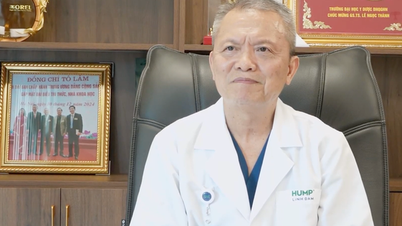
Regarding this issue, reporters from Ca Mau Newspaper and Radio and Television had a discussion with Mr. Hoang Ly Tuong, Head of the Provincial Food Safety Department.
 Mr. Hoang Ly Tuong, Head of the Provincial Food Safety Department, emphasized: Ensuring food safety requires the involvement of the entire political system, the business community, production and business establishments, and every citizen to achieve sustainable effectiveness.
- Could you tell us what key tasks and new features are noteworthy for this year's Action Month theme?
Mr. Hoang Ly Tuong: This year's theme emphasizes enhancing the role and responsibility of organizations and individuals involved in food production, business, and advertising, while also increasing consumer awareness. We are focusing on tightening management of collective kitchens, especially in industrial zones, businesses, and schools, particularly preschools and primary schools, in order to minimize the risk of mass food poisoning.
Simultaneously, strengthen inspections of food service establishments and street food vendors, focusing on the origin of ingredients and hygiene conditions during preparation and processing.
A new feature this year is the strict control of food business and advertising on social media and e-commerce platforms; while also promoting the role of "wise consumers" who proactively report violations. Local authorities also prioritize the development of safe food supply chains, directly connecting with collective kitchens.
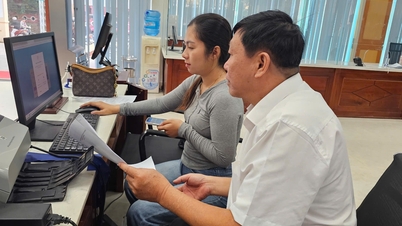
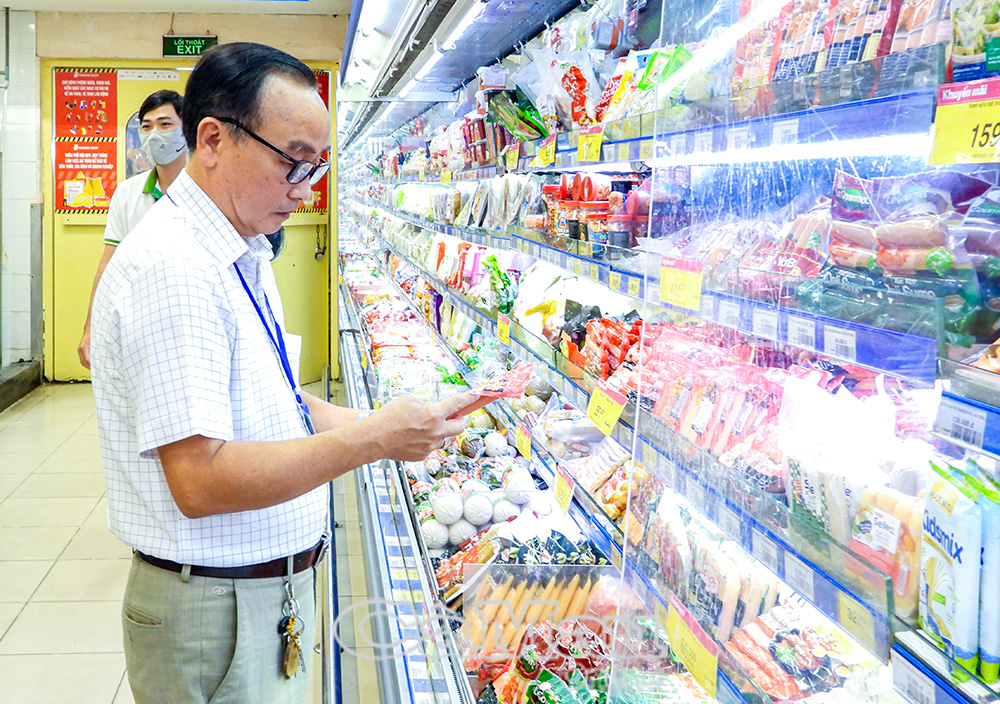 The province has established numerous inter-agency inspection teams to check food safety and hygiene. Photo: MINH ANH
- How was the inspection work carried out during the Action Month, sir?
Mr. Hoang Ly Tuong: We have established inter-agency inspection teams from the provincial to the grassroots level, with coordination from the health, industry and trade, agriculture sectors, and local authorities. A notable point is the increased emphasis on surprise inspections to accurately assess the actual situation. In addition to checking documents, the teams also conduct rapid tests and collect food and water samples for analysis, thereby promptly detecting potential food safety risks.
We operate on the principle of "inspection combined with guidance." When errors are detected, the inspection team will provide direct guidance to the facility to rectify the situation, require a signed commitment not to repeat the offense, and organize additional training to enhance knowledge.
Communication efforts have also been intensified through channels such as Zalo, Facebook, TikTok, and local public address systems, helping information spread quickly and easily.
- Upon inspection, what were the most common violations and how were they handled?
Mr. Hoang Ly Tuong: Some errors are still quite common, such as: inadequate hygiene conditions, cramped processing areas, and failure to follow a one-way workflow; employees not using full protective gear, wearing jewelry, and having long fingernails; unclear origin of ingredients, especially in small establishments and street food vendors. In addition, violations regarding advertising and labeling on the internet still occur.
For violations, we will handle them strictly according to regulations. Intentional or repeated violations will be subject to high penalties, requiring remedial action and public disclosure of the violation. Serious cases affecting public health may result in criminal prosecution.
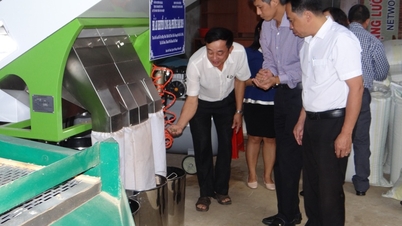
 Conduct rapid tests on food samples to detect potential food safety risks early.
- What recommendations do you have for preventing food poisoning?
Mr. Hoang Ly Tuong: We have determined that we must strictly control the food supply chain, requiring kitchens to sign contracts with establishments that meet VietGAP, OCOP, or safe food chain standards. At the same time, we are promoting traceability using QR codes and strengthening the application of technology in monitoring, such as installing cameras in processing areas. In addition, we are focusing on drills to handle mass food poisoning incidents and tightening regulations on food sample retention for 24 hours.
For the general public, it is essential to strictly adhere to the WHO's "5 Keys to Food Safety": maintaining hygiene, separating raw and cooked foods, cooking thoroughly, storing at the correct temperature, and using safe ingredients.
Thank you, sir!
Ha Giang - Chi Linh (executed)
Source: https://baocamau.vn/kiem-soat-an-toan-thuc-pham-tu-bep-an-den-duong-pho-a128523.html




![[Image] Hanoi's urban life under the challenge of a "scorching hot" environment](https://vphoto.vietnam.vn/thumb/1200x675/vietnam/resource/IMAGE/2026/05/25/1779706979265_nang-nong-t5-2026-minh-duy-7-4636-jpg.webp)
![[Image] Close-up view of the interchange connecting the two expressways and Long Thanh Airport.](https://vphoto.vietnam.vn/thumb/1200x675/vietnam/resource/IMAGE/2026/05/25/1779703378210_ndo_br_z7863716673926-224453a31600126cce10622af6290afd-4549-jpg.webp)

































































Comment (0)