

Reporter: Sir, could you please give us an overview of the Consumer Price Index (CPI) for March and the first quarter of 2026 in Tuyen Quang ? What is the year-on-year increase and the year-on-year increase? Which groups of goods and services are contributing the most to the CPI increase in the first quarter? Compared to the national average, what is Tuyen Quang's CPI level and what are some notable points?
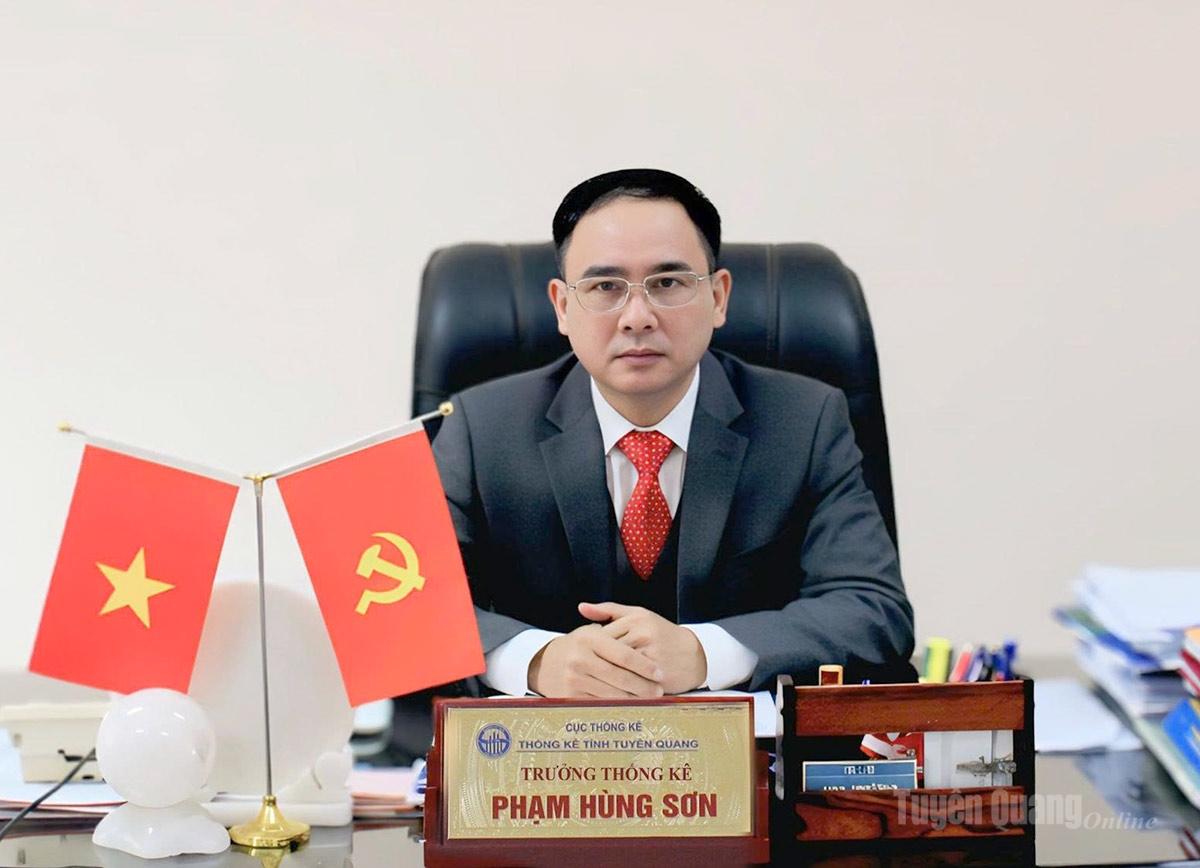 |
| Mr. Pham Hung Son, Head of Statistics Department of Tuyen Quang Province |
Mr. Pham Hung Son: In March 2026, the Consumer Price Index (CPI) in Tuyen Quang province increased by 2.15% compared to the previous month; increased by 6.92% compared to the same period last year; and increased by 2.63% compared to the end of 2025. Overall, in the first quarter of 2026, the CPI continued its upward trend compared to the same period last year, reflecting the combined impact of input costs, especially energy prices, and fluctuations in the global commodity market amidst a volatile global economy .
Regarding the contribution structure, it is clear that several commodity groups played a leading role in driving the CPI increase in the first quarter. In particular, the transportation group saw a sharp increase due to domestic fuel prices adjusting in line with the upward trend of world oil prices. This not only directly impacted travel costs but also spread to freight transport costs and the prices of many other commodity groups. In addition, the housing, electricity, water, fuel, and construction materials group also recorded significant increases, reflecting pressure from fuel costs, input materials, and the demand for repairs, construction, rentals, and home purchases. Furthermore, the services group, such as culture, entertainment, and tourism, increased due to the recovery and increased consumer demand, contributing to the overall price level increase.
Compared to the national average, Tuyen Quang's CPI basically follows the trend, without sudden fluctuations. However, it is noteworthy that the impact of cost factors, especially fuel prices, is somewhat more pronounced due to the local characteristics of the area, which is still heavily dependent on supply from other regions. Nevertheless, with the decisive direction of the Government, the coordinated efforts of all levels and sectors, and the proactive and flexible implementation of price management, we believe that the price level in the area remains under control, without any unusual price increases, thereby contributing to macroeconomic stability and the well-being of the people.
Reporter: Could you roughly quantify the proportion of fuel prices contributing to the province's CPI increase in the first quarter? Based on the available data, what is the provincial statistics forecast for the CPI trend in the second quarter and for the whole year of 2026? What scenarios could occur if fuel prices continue to fluctuate sharply?
Mr. Pham Hung Son: Based on the monitoring data, it can be seen that the sharp increase in gasoline and diesel prices in March 2026 was the main reason for the increase in consumer prices in the first quarter. Specifically, gasoline prices increased by 35.17% compared to the previous month and by 27.03% compared to the same period last year; while diesel prices increased by 59.52% compared to the previous month and by 61.74% compared to the same period last year. This is a very high increase in a short period of time, clearly reflecting the impact of developments in the global energy market.
With such a sharp increase, we assess that fuel prices not only directly impact the transportation sector but also create a widespread ripple effect on transportation costs, production, and distribution of goods. Preliminary estimates suggest that fuel prices and related indirect impacts alone contributed approximately 1-1.2 percentage points to the total 3.01% increase in the CPI for Q1 2026, with the majority of the impact concentrated in March.
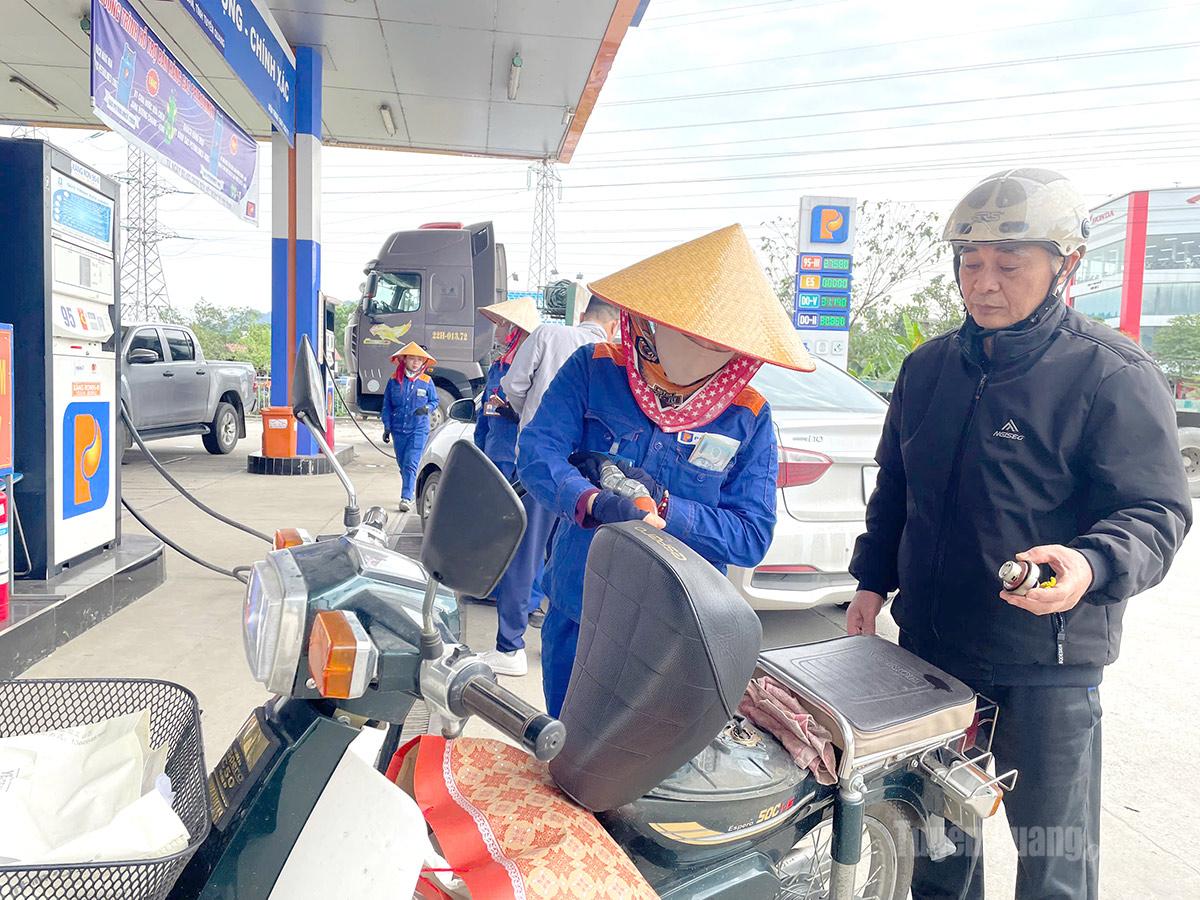 |
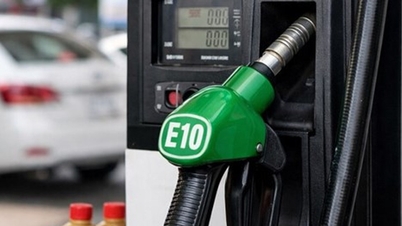
| Fluctuations in fuel prices directly affect all aspects of life. |
Based on available data, we forecast that in the second quarter of 2026, cost-related pressures, especially fuel prices, will remain; however, the CPI growth rate may slow down because the sharp increase in March will not be repeated at the same level, and the supply of essential goods will continue to be ensured. For the whole year 2026, in the baseline scenario, if gasoline and diesel prices gradually stabilize, the province's CPI will be well controlled, contributing to the goal of controlling inflation and stabilizing the macroeconomy.
However, if fuel prices continue to fluctuate sharply, especially upwards, several noteworthy scenarios could arise. Firstly, transportation and logistics costs will continue to increase, leading to higher prices for many essential goods, particularly food and construction materials. Secondly, input costs for businesses will increase, resulting in price adjustments and creating ripple effects across the entire economy. Thirdly, expectations of price increases may develop, influencing consumer behavior and increasing inflationary pressure. In this context, we believe it is necessary to continue closely monitoring global energy price developments, proactively managing prices, ensuring a balance between supply and demand, and effectively implementing stabilization measures to minimize adverse impacts on the consumer price index and people's lives.
Reporter: In order to keep the consumer price index stable in 2026 and best control inflation, what solutions do you think are needed? Given the current pressure of rising fuel prices, how should people and businesses proactively respond to price fluctuations?
Mr. Pham Hung Son: Given the price fluctuations, especially the recent rise in fuel prices, we have determined that price management and regulation in the coming period needs to be implemented proactively, flexibly, and synchronously. First and foremost, we need to closely monitor market price developments, especially for strategic commodities such as fuel, construction materials, and food, in order to promptly advise on appropriate management solutions.
At the same time, strengthen coordination among departments and agencies to ensure a balance between supply and demand, preventing localized supply shortages and contributing to market stability. For essential goods, continue to effectively implement price stabilization programs, control circulation, and limit speculation, hoarding, and unreasonable price increases. In addition, it is necessary to strengthen information and communication efforts to stabilize market sentiment and avoid inflationary expectations among the population. Simultaneously, strengthen inspection and monitoring of compliance with price management regulations and strictly handle violations.
Faced with rising fuel prices, proactive adaptation is crucial for both individuals and businesses. Every citizen needs to become a smart consumer by optimizing transportation, prioritizing locally produced agricultural products to reduce logistics costs, planning spending scientifically, and closely monitoring price stabilization programs to avoid hoarding that could create artificial price surges. For businesses, this is a time when they must review fuel consumption standards, apply technology to optimize delivery processes, and proactively negotiate risk-sharing with partners. In the long term, switching to energy-efficient equipment and sourcing suitable raw materials is essential.
With the above-mentioned comprehensive solutions, we believe that price management in the province will continue to be effective, contributing to better control of the consumer price index, stabilizing people's lives, and supporting sustainable socio-economic development.
Reporter: Thank you very much, sir!
Performed by: Nhat Quang
Source: https://baotuyenquang.com.vn/kinh-te/202604/kiem-soat-chi-so-gia-tieu-dung-794644a/

























![[Photo] Reception to welcome General Secretary and President To Lam and his wife on their State visit to the Philippines](https://vphoto.vietnam.vn/thumb/1200x675/vietnam/resource/IMAGE/2026/06/01/1780295488620_vna-potal-chieu-dai-chao-mung-tong-bi-thu-chu-tich-nuoc-to-lam-va-phu-nhan-tham-cap-nha-nuoc-toi-philippines-8798060-7855-jpg.webp)


































































Comment (0)