

Many tricks
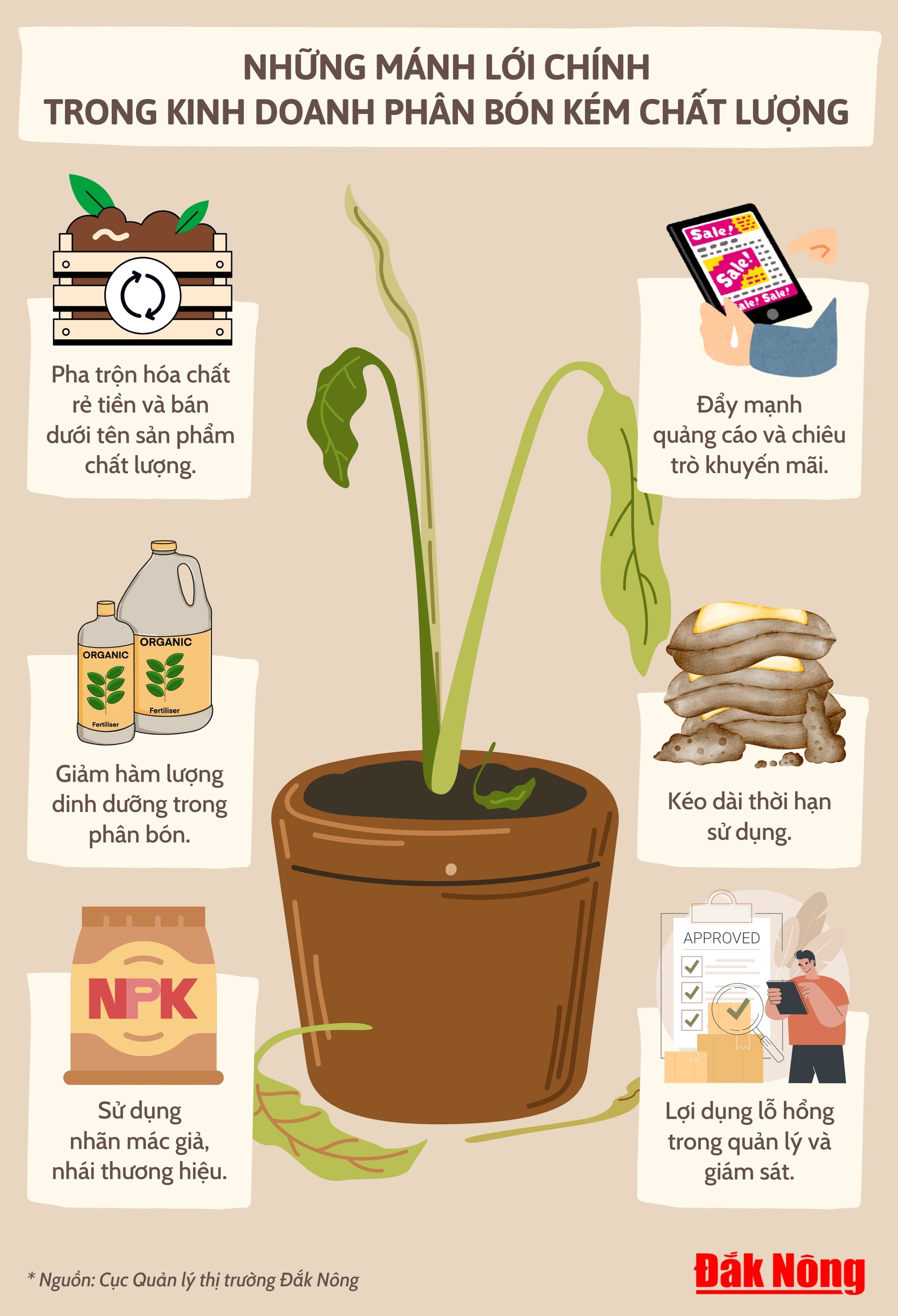
Through market inspections and controls by authorities, it has been found that the main violations committed by those producing and trading counterfeit and substandard fertilizers relate to business conditions and product labeling containing incorrect information as required by regulations.
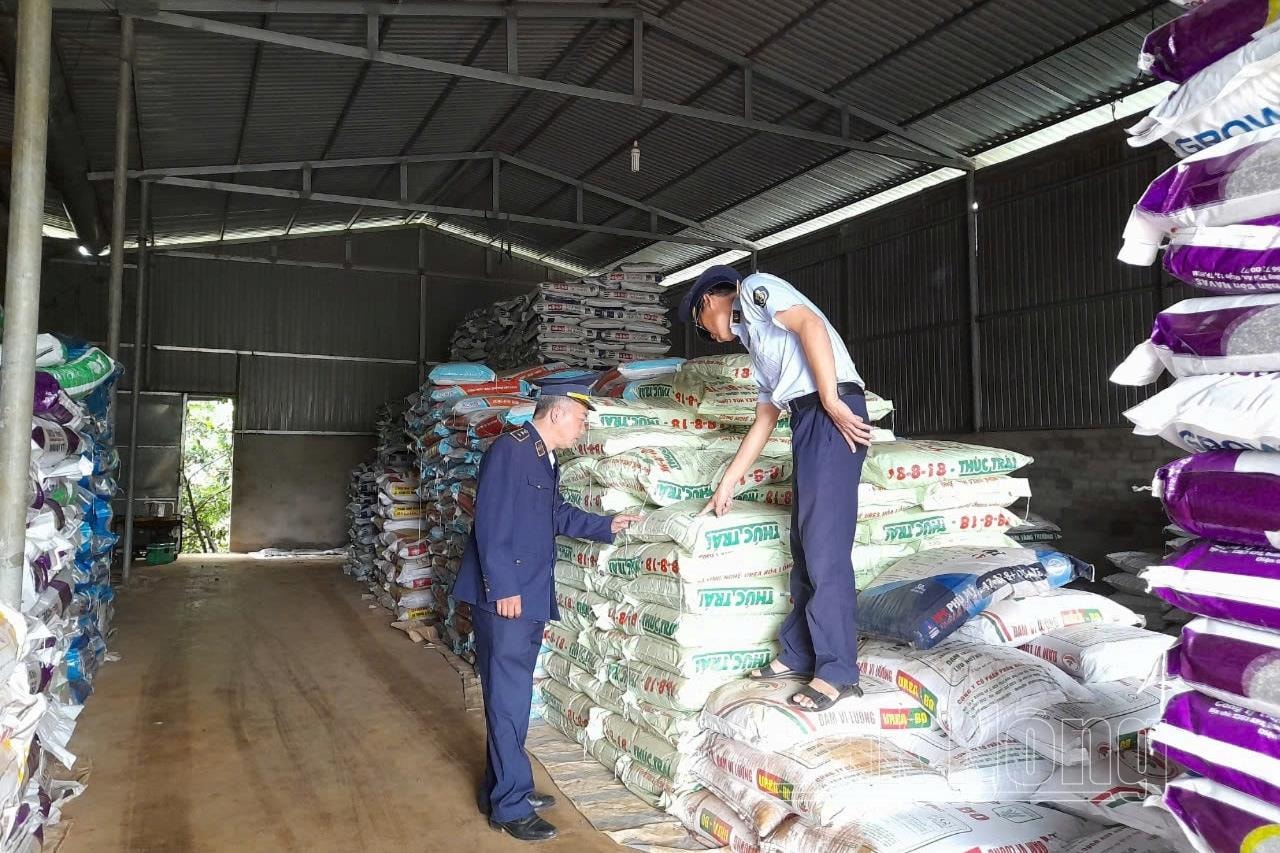
Regarding fertilizer quality, authorities discovered that some products, after sampling and analysis, had a main ingredient content below 70%. These fertilizer samples were concluded to be counterfeit. However, the number of counterfeit products was not large.
A large proportion of the fertilizer products found to be substandard or of poor quality, due to having a main active ingredient content exceeding 70%, are subject to administrative penalties according to regulations.
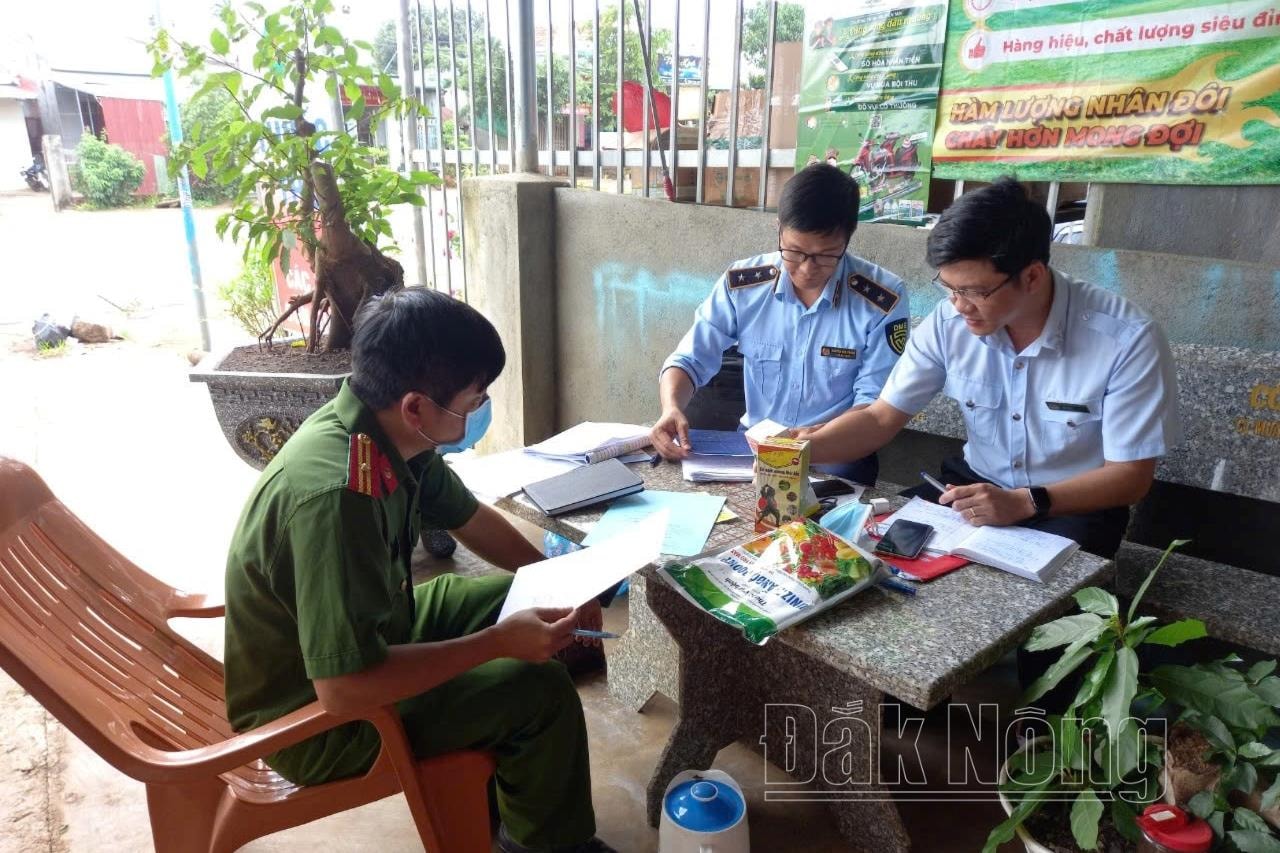
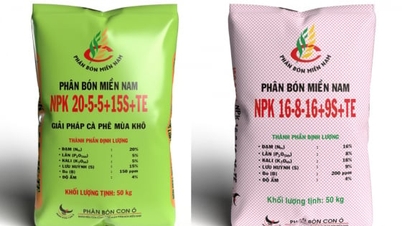
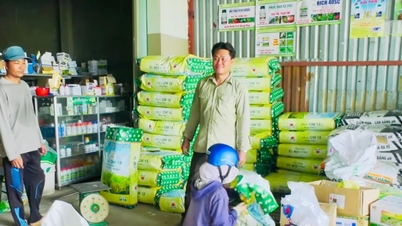
According to Mr. Truong Van Nhuong, Director of the Market Management Department and Deputy Head of the Standing Committee of the 389/DP Steering Committee of Dak Nong province, those engaged in unethical business practices often use packaging that resembles that of ordinary fertilizer products.
However, the product inside was mixed with substandard quality, not matching the stated content of the main ingredients on the product packaging.
In many cases, the origin and source of products are altered or falsified to deceive consumers. For example, some individuals import low-quality fertilizers from China, then repackage them and label them as fertilizers from Russia, the Philippines, etc.
Since the beginning of the year, functional forces under the Provincial Steering Committee 389 have conducted numerous inspections of fertilizer products in the area and discovered many violations.
Specifically, the Dak Nong Market Management Department inspected and handled 36 fertilizer businesses that violated regulations, collecting a total of over 160 million VND for the State budget.
The Provincial Steering Committee 389/DP conducted inspections of business establishments in the province. The inspection team checked business conditions, regulations on the circulation of goods in the market, and took 12 fertilizer samples for quality testing.
As a result, 10 out of 12 fertilizer samples met the corresponding technical standards; 1 sample did not meet the corresponding technical standards, and 1 sample had a false quality in terms of its intended use and application.
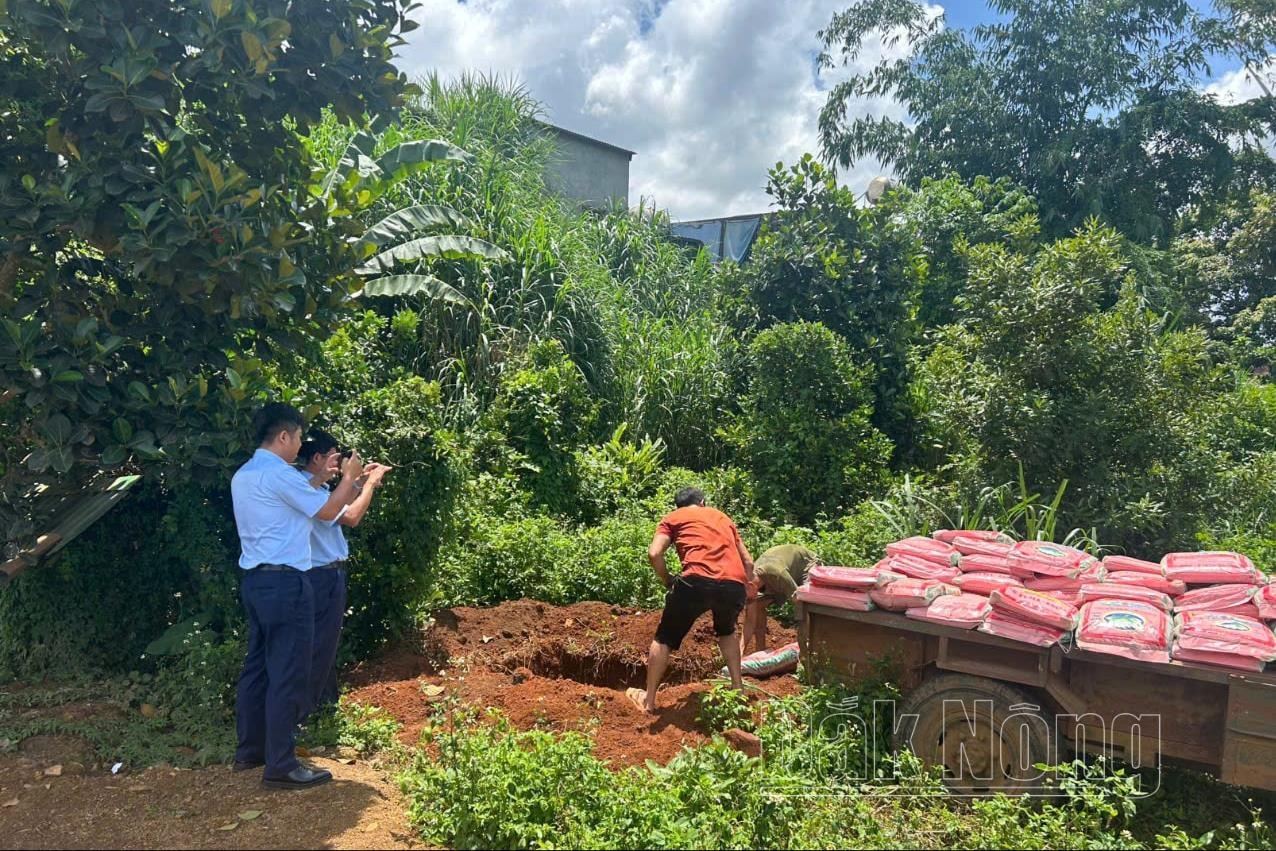
The total amount of administrative fines imposed was nearly 58 million VND. At the same time, authorities destroyed 2.5 tons of counterfeit fertilizer…
Previously, the Department of Agriculture and Rural Development conducted inspections of compliance with legal regulations at 41 fertilizer production and trading establishments. Simultaneously, they randomly collected 15 fertilizer samples, focusing on new fertilizer products on the market, foliar fertilizers, and micronutrient fertilizers.
The analysis results showed that 4 out of 15 fertilizer samples did not meet the published technical standards (including: 3 samples of substandard fertilizer; 1 sample of counterfeit fertilizer).
How should we respond?
According to Truong Van Nhuong, Director of the Market Management Department of Dak Nong province, detecting the tricks used in the business of selling fake and substandard fertilizers is currently facing many difficulties.
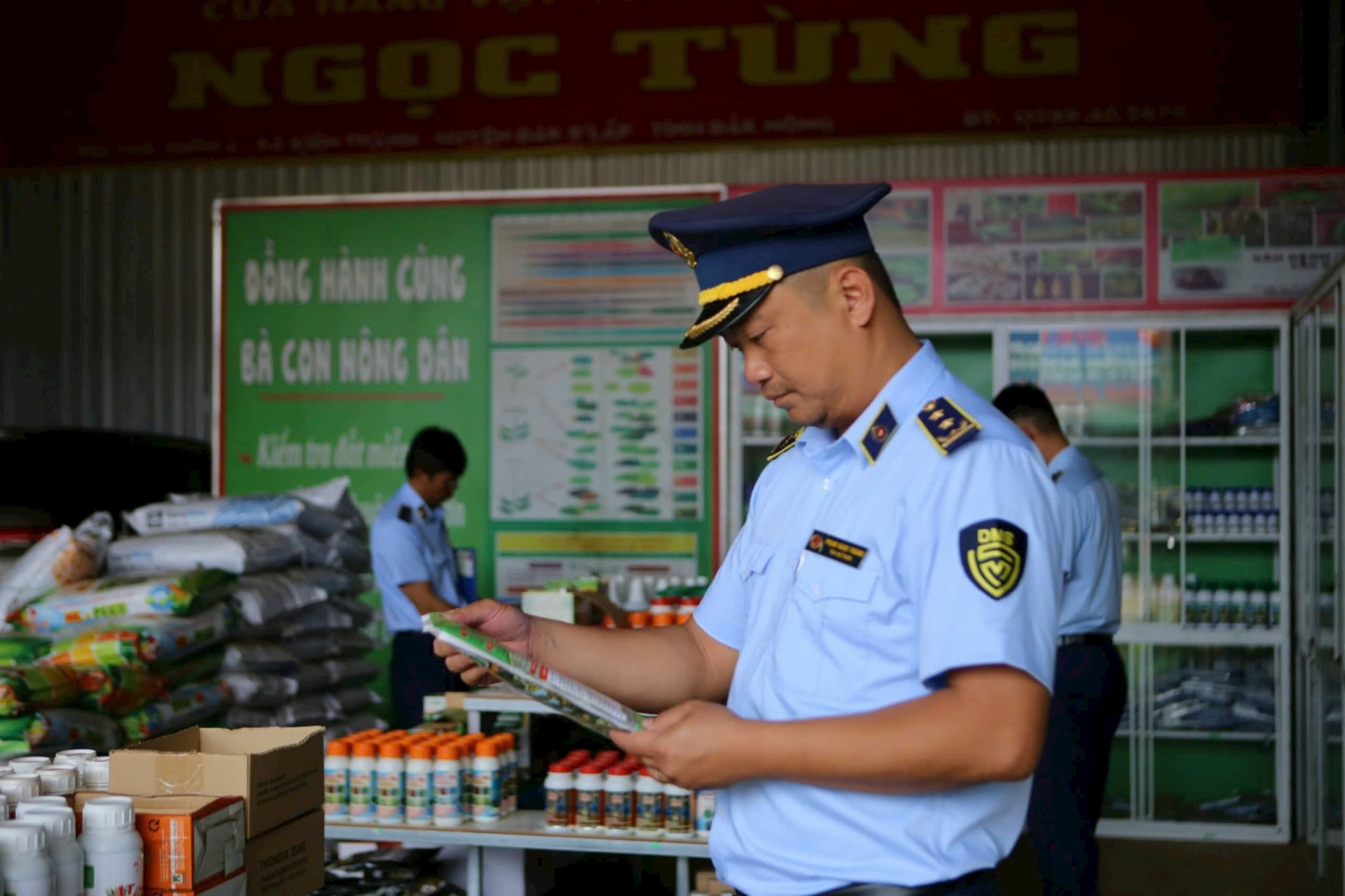
According to Mr. Nhuong, determining whether a fertilizer product is fake or of poor quality requires an intermediate step: testing by a specialized agency to analyze and evaluate the product's quality. The time from taking samples to sending them for analysis and receiving the results takes a considerable amount of time.
Typically, during the inspection process, authorities collect many samples in multiple batches. These samples are then compiled and sent all at once to a product quality testing center in Ho Chi Minh City for verification.
From the time the product is submitted to the competent authority for testing, determining the content and quality of the main ingredients as published usually takes 10-15 days.
"By the time the results are available, the product may have already been sold. Meanwhile, there are currently no regulations requiring the temporary suspension of product circulation after sampling. The province also lacks equipment for rapid testing that provides immediate results to determine if a violation is present," Mr. Nhuong explained.
Therefore, in coordination with relevant authorities, the unit advises people to be vigilant to avoid buying counterfeit or low-quality fertilizers. Farmers should buy fertilizer products from reputable businesses and ensure they have complete invoices and documentation.
When purchasing fertilizers, farmers should pay attention to the packaging to ensure it contains complete information. For example: origin, main ingredient content, marketing authorization decision, conformity mark, expiration date, etc.
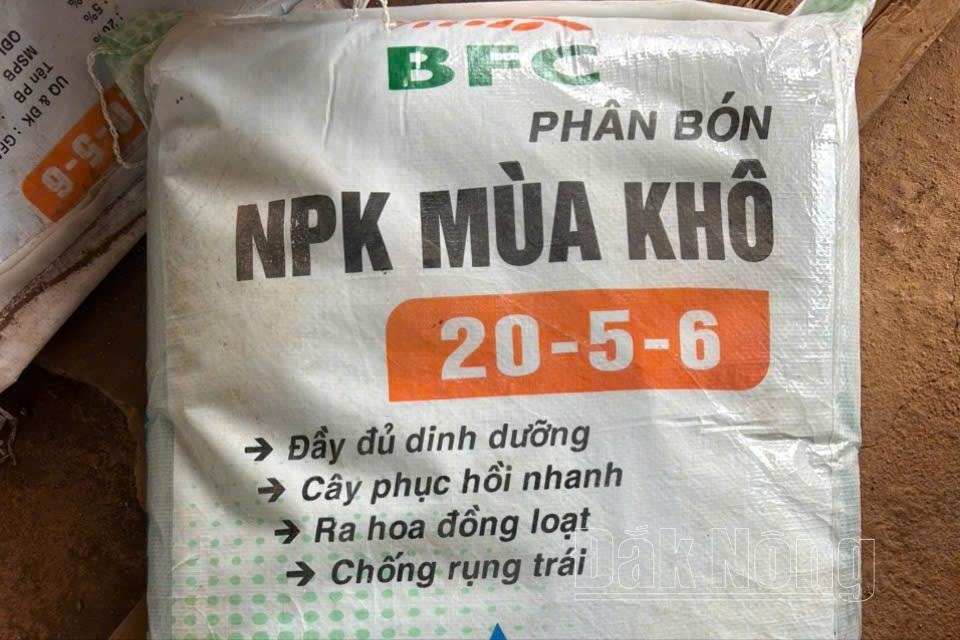
Farmers should also note that after use, they should keep the packaging of the fertilizer product they are using. This serves as a basis for relevant authorities to verify and handle any unforeseen issues in accordance with the law.
Currently, the Provincial Steering Committee 389 is strengthening its propaganda efforts. In particular, every year, in addition to direct communication, the unit also posts banners, posters, and hotline phone numbers at business establishments.
Therefore, all information regarding signs of the problem of trading in counterfeit or substandard fertilizers can be reported by citizens and businesses to the Market Management Department - the Standing Agency of the 389 Steering Committee of the province - for timely handling in accordance with regulations.
Source: https://baodaknong.vn/lap-lo-danh-lan-con-den-trong-kinh-doanh-phan-bon-233916.html
![[Photo] Prime Minister Pham Minh Chinh attends the Conference on the Implementation of Tasks for 2026 of the Industry and Trade Sector](/_next/image?url=https%3A%2F%2Fvphoto.vietnam.vn%2Fthumb%2F1200x675%2Fvietnam%2Fresource%2FIMAGE%2F2025%2F12%2F19%2F1766159500458_ndo_br_shared31-jpg.webp&w=3840&q=75)



















































































Comment (0)