

Le Hong Duong was born and raised in Do Xa (Do Xa) - one of the ancient villages of Bac Ninh province - where he was nurtured by the deeply ingrained Kinh Bac culture dating back to the Ly Dynasty. He embraced the revolutionary cause early on, in the autumn of 1945. His life began with political and military positions: from Secretary of the National Salvation Youth to Political Commissar of the district military unit. At a very young age, he served as Secretary of the Bac Ninh City Party Committee, then as Secretary of the Gia Lam District Party Committee. These were all core areas of Kinh Bac culture during the fierce years of the resistance war against the French.
He also held the important position of Head of the Propaganda Department of the Hebei Provincial Party Committee. But it wasn't until he became Head of the Hebei Provincial Department of Culture in 1963 that he truly found his destiny - a destiny with culture.
When mentioning Kinh Bac, people immediately think of a rich cultural space: communal houses, temples, festivals, Quan Ho folk songs, Dong Ho paintings – a land where each village is like a living museum. But few know that, at one time, these legacies faced the risk of fading, or even disappearing. And it was during that turbulent period that Le Hong Duong emerged as a "guardian" and persistently protected the soul of Kinh Bac.
During those years, Hebei was a vast area, rich in tradition yet full of challenges. The merger of provinces and the consolidation of administrative structures caused considerable disruption within the cultural sector. But Le Hong Duong did not choose to stabilize the situation through compromise, but rather with a different determination: building a strong team!
He tirelessly sought out talented individuals from all over – from universities and research institutes to capable people working in various fields. As a result, in a short time, Hebei's cultural sector assembled a "golden generation" of researchers, writers, artists, museum staff, and publishers… This force created a new face for the cultural life of the entire region.
But that path wasn't smooth. There were envious people, slanderers, and even accusations that Le Hong Duong "took money when recruiting people." He didn't offer many justifications. He simply worked. And the results of his work spoke for themselves.
In the memories of those who collaborated with him, Le Hong Duong was an exceptional leader: decisive, insightful, and deeply imbued with folk culture. He didn't manage culture from a desk. He traveled throughout the villages of Kinh Bac. He went to listen to Quan Ho folk songs, to see each communal house, to touch each statue and each piece of wood carving that had existed for hundreds of years. Sometimes he traveled with colleagues, sometimes quietly alone, cycling through village roads, like an ordinary villager.
Those journeys helped him understand that culture is not found in books, but lives in the lives of the people. And to preserve culture, one must first understand it. His greatest contribution, perhaps, was reviving and restoring Quan Ho folk songs!
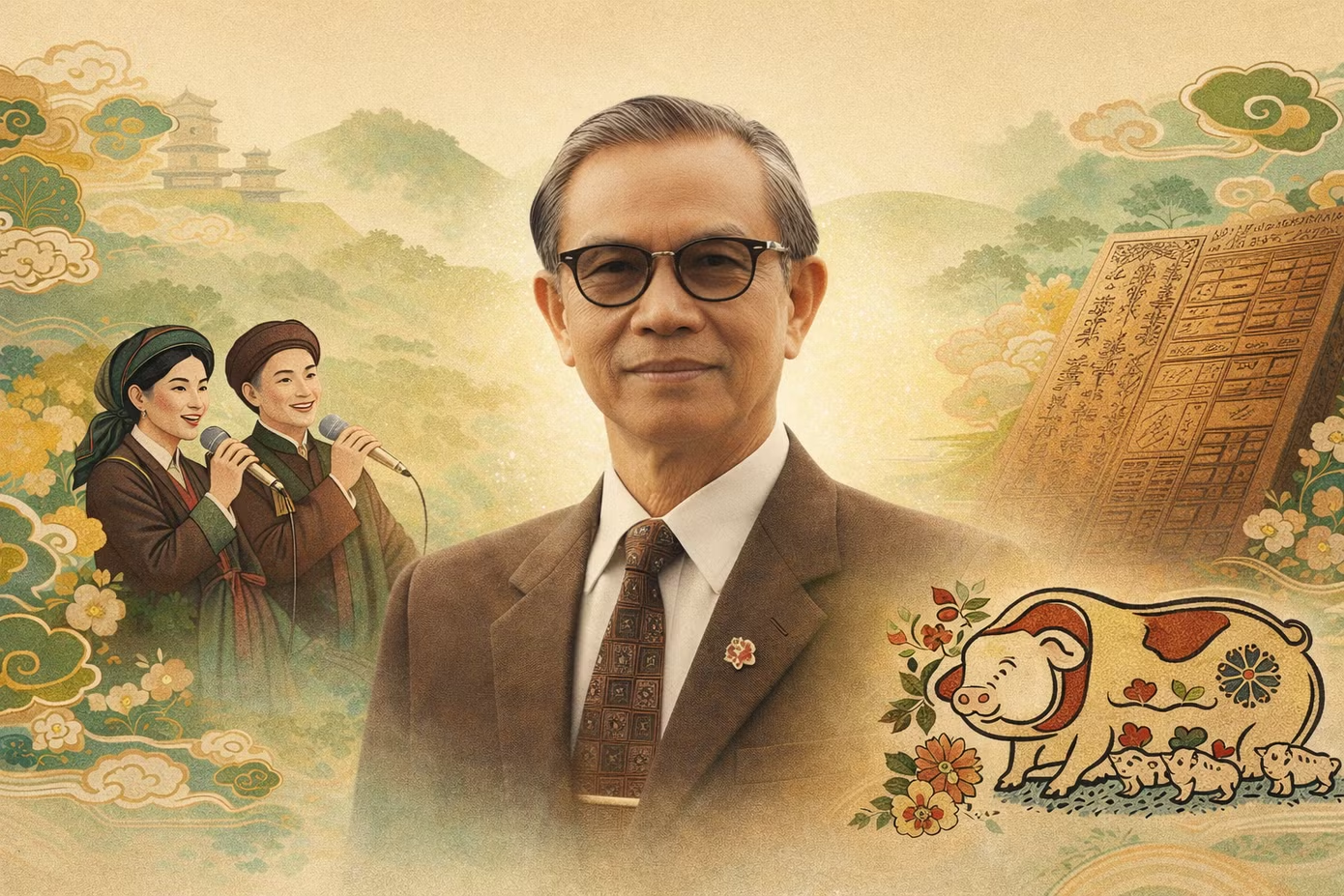
Back then, Quan Ho folk singing still existed among the people, but it was not yet recognized as a heritage that needed preservation and promotion. Le Hong Duong was one of the first to recognize the special value of this art form. He and his colleagues traveled to all 49 ancient Quan Ho villages, collecting melodies, meeting with artisans, and meticulously recording each song.
Initially, when the Department of Culture proposed to the leaders of Hebei province the plan to revive Quan Ho folk songs, it was not accepted. To make this plan a reality, on the one hand, Department Head Le Hong Duong secretly organized teams and groups to conduct field surveys and collect materials in Quan Ho villages. On the other hand, he sought the support of specialized agencies at the central level.
In the context of a difficult national situation, through his prestige and talent, he gathered the most erudite scholars in the country specializing in cultural research, organizing six scientific conferences on Quan Ho folk singing. Following this were conferences on De Tham, Dong Ho folk paintings, and village communal houses in the North... Scholars and researchers from Ha Bac participated in these solemn conferences and seminars out of love for the country's culture and admiration for the dedication and character of Le Hong Duong. After these conferences, proceedings were published – valuable and pioneering works on the study of Kinh Bac culture in particular and local culture in general.
Not content with just research, he also sought ways to establish the Quan Ho Folk Song Troupe – a strategic move. In the early days, the troupe lacked everything: food, accommodation, and operating funds. At one point, even the head of the department, Le Hong Duong, had to use his own salary to support the members.
But he believed that without organization and a successor generation, Quan Ho would only remain a memory. And reality has proven that vision right. From those initial seeds, Quan Ho of Bac Ninh later became a representative intangible cultural heritage of humanity.
Beyond Quan Ho folk singing, he also contributed to "saving" another heritage – Dong Ho folk paintings. The people of Dong Ho still remember him as a benefactor. He not only preserved a craft, but also a part of the cultural soul. When the art of printing Dong Ho paintings faced the risk of extinction, Le Hong Duong persistently persuaded provincial leaders to allow its revival. He found markets for the products, exported Dong Ho paintings, and created livelihoods for the people. Thanks to this, the painting village revived, not only surviving but also thriving.
Furthermore, Director Le Hong Duong also directed the completion of the book series "Ha Bac: A Thousand Years of Culture and History" - a monumental work compiling research on historical relics, architecture, and art. From Dau Pagoda, But Thap Pagoda, Phat Tich Pagoda to Dinh Bang communal house, Tho Ha communal house, each structure was meticulously researched and documented. He himself played a major role in preserving and restoring Bo Da Pagoda, But Thap Pagoda, Dau Pagoda, La Pagoda, and others.
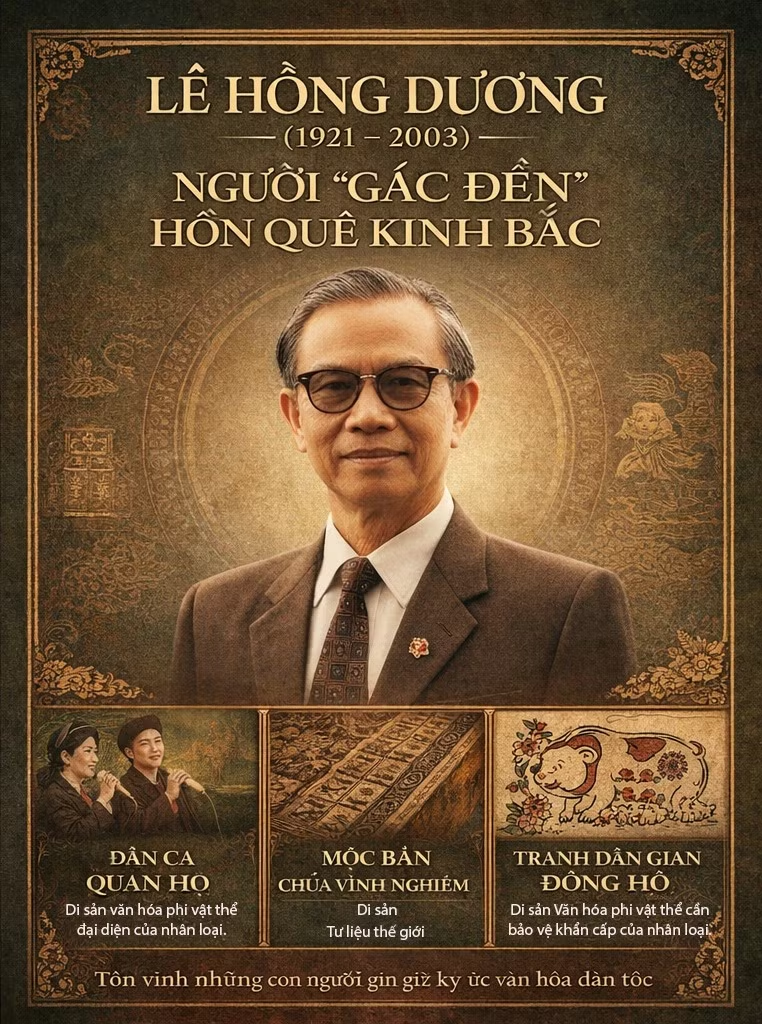
For each temple and pagoda, Le Hong Duong took a different approach: combining preservation, research, and dissemination. It can be said that among the more than 10 intangible cultural heritage sites in Bac Ninh that have been recognized and honored by UNESCO in recent years, each one bears the mark of his preservation efforts during his lifetime.
Furthermore, Mr. Le Hong Duong also initiated the compilation of the Ha Bac Gazetteer – a kind of encyclopedia about the locality, covering everything from nature and economy to history and culture. This is considered one of the pioneering works of local studies in Vietnam.
But what defines Le Hong Duong is not just his works, but also the resilience of a cultural figure amidst numerous challenges! He was misunderstood, opposed, and even had his reputation tarnished. Some criticized him for "only knowing Quan Ho and Cheo Tuong." Others were dissatisfied with his decisions. But he didn't argue. He chose to face them with unwavering determination.
In the late 1960s, when Mr. Le Hong Duong was suffering from tuberculosis and required long-term treatment, the province suggested he retire early. However, the Department of Health stated that the disease would be cured and would not have any lasting impact. At a conference, he frankly stated: "If we do not value culture, society will pay the price." This was not just an opinion, but a prediction. And as time went on, people increasingly realized he was right.
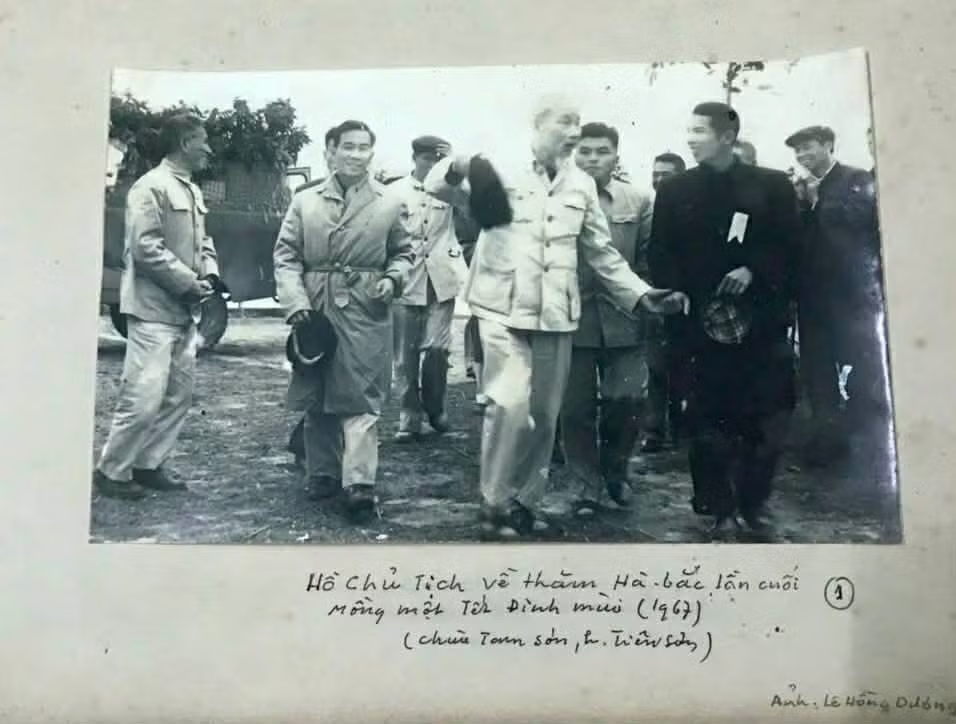
There's a small detail that sparks much reflection: the photograph he took of President Ho Chi Minh visiting Ha Bac in 1966. In the midst of war, he secretly prepared his camera to capture this precious moment. The photograph was printed in color and widely distributed. But because of this, he faced criticism, with some even calling for its recall.
Le Hong Duong didn't react. He just quietly went about his work. His life, it seemed, had always been like that: working in silence, facing challenges with composure. In his final years, he suffered from dementia. He no longer recognized relatives or friends. But strangely, he still remembered Quan Ho folk songs.
Whenever he heard the melody, his face would light up, his eyes shining brightly. He would exclaim, "Quan Ho, it's Quan Ho!" Perhaps, for Le Hong Duong, Quan Ho is not just an art form. It is a part of his very being.
During his 20 years as Head of the Department of Culture, Le Hong Duong left behind an immeasurable legacy. This includes the works, the people, and the values that have been preserved and promoted. But more importantly, it represents a way of doing culture: connecting with the people, understanding the people, and serving the people.
Perhaps history will remember many more names. But for the Kinh Bac region, Mr. Le Hong Duong has become an irreplaceable part of its memory – as someone who dedicated his life to preserving the soul and essence of his homeland.
And in the Quan Ho folk songs that still echo along the Cau River, one can still hear the quiet, smiling figure of a man who "mortgaged his life" to preserve values that will never be lost. Today, with Bac Ninh and Bac Giang provinces merged into one, and life changing, many still speak of Mr. Le Hong Duong with special respect.
Many researchers share the same opinion: No cultural leader has surpassed the "heart and vision" of Le Hong Duong. He fully deserves to be considered and honored by relevant agencies and leaders through the naming of streets or public cultural projects in the locality.
Source: https://tienphong.vn/le-hong-duong-nguoi-gac-den-hon-que-kinh-bac-post1833191.tpo

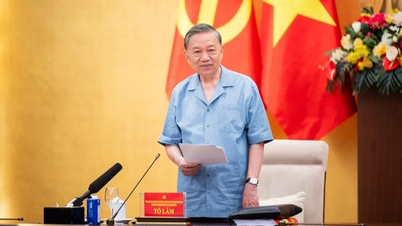
![[Photo] General Secretary and President To Lam presides over the meeting to approve the draft report on the results of the second inspection by the Politburo of the Standing Committee of the Hanoi City Party Committee.](https://vphoto.vietnam.vn/thumb/1200x675/vietnam/resource/IMAGE/2026/05/26/1779789811432_a2-bnd-4430-9620-jpg.webp)





































































Comment (0)