

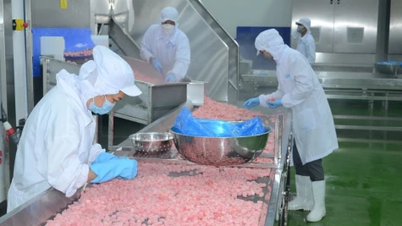
Raw materials - further processing
According to Mr. Nguyen Ha Nam, Director of the Department of Construction, the city's development space is organized into two main zones. The eastern zone covers an area of over 4,000 km² , accounting for nearly 35% of the city's total area, but has a population of up to 2.5 million people, representing over 80% of the city's total population. This is the "front door," the growth pole of the city, with key sectors such as marine economy , urban development, services, finance, tourism; industry, high technology… At the same time, this area concentrates strategic infrastructure along the North-South axis, seaports and international airports.
Meanwhile, the western region covers a total area of 7,700 km2, accounting for 65% of the city's total natural area. However, the population of this area is only about 290,000 people (approximately 10% of the city's total population), including 37 ethnic minority groups with about 157,000 inhabitants. The terrain is mainly hilly and mountainous, with rivers and streams making transportation difficult; infrastructure serving the people is still lacking and not synchronized in some areas; the poverty rate is high, and the quality of the workforce is low… Another obstacle is that the mountainous region frequently suffers damage from natural disasters, rain, and floods, hindering the pace of development.
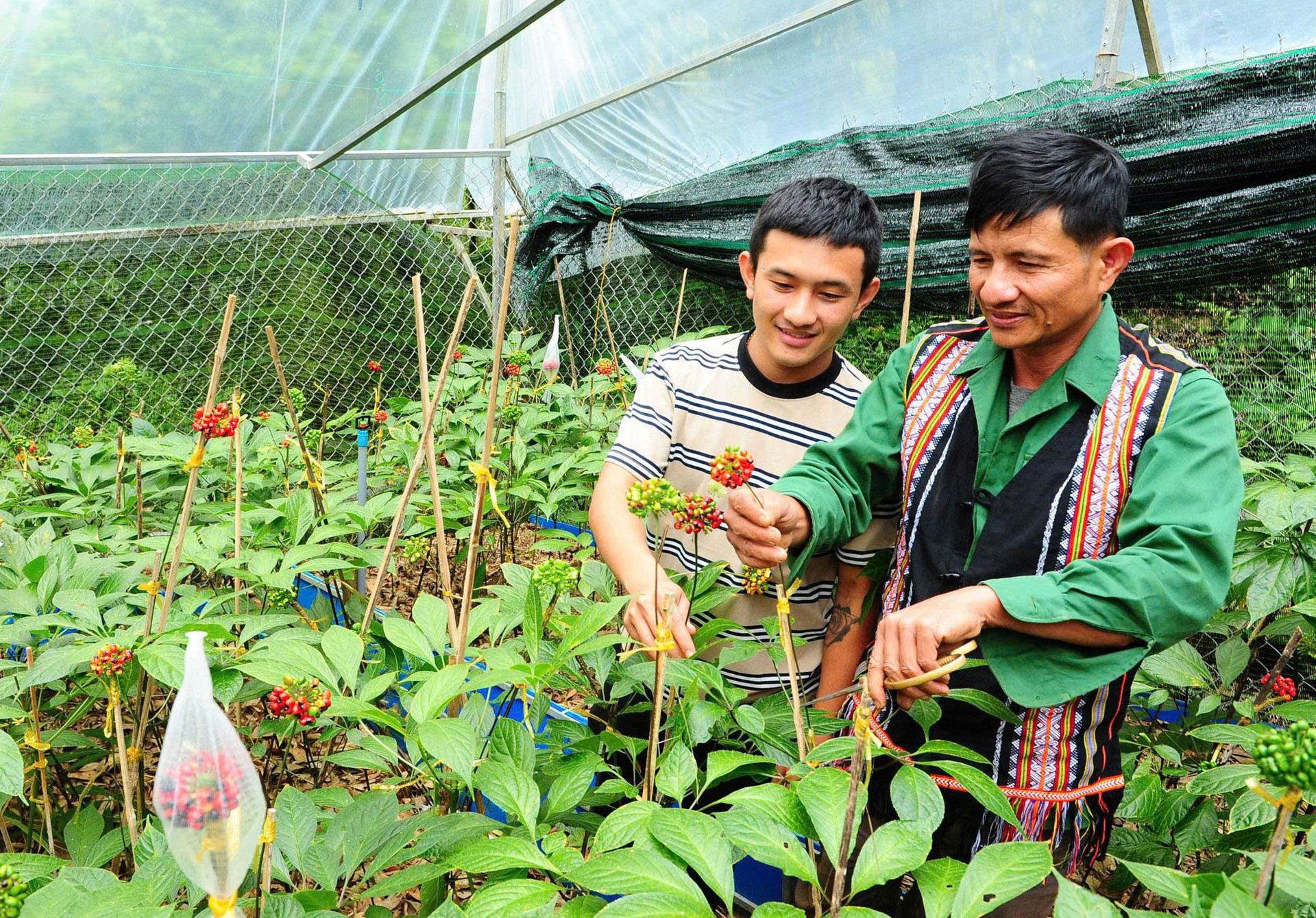
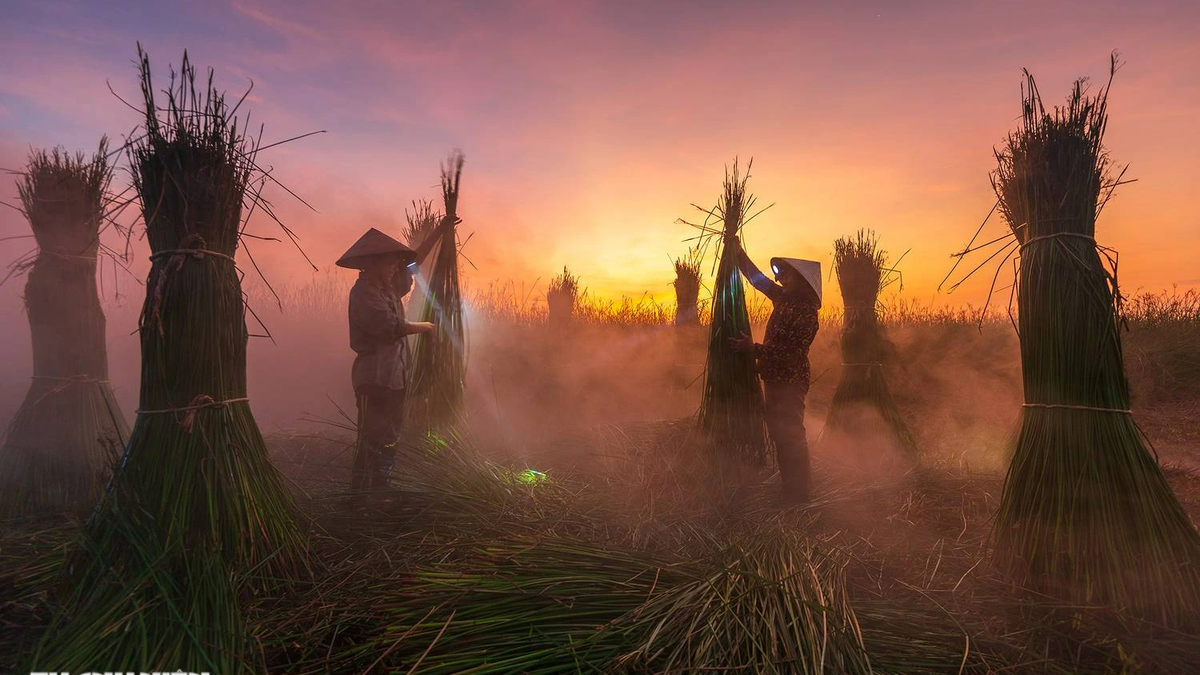
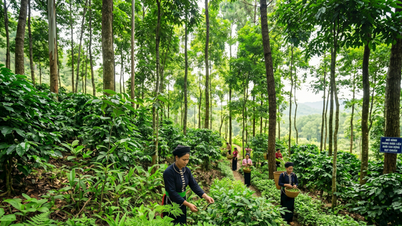
Nevertheless, the western region possesses abundant resources to serve as raw materials for the processing industry in the eastern region, particularly medicinal herbs and endemic agricultural and forestry products. According to statistics from the Department of Agriculture and Environment, the entire city has 688,288 hectares of forest, mainly concentrated in the western region, including 504,213 hectares of natural forest and 184,075 hectares of planted forest. This area also concentrates hundreds of rare and valuable medicinal herbs such as Ngoc Linh ginseng, Codonopsis pilosula, Morinda officinalis, Amomum xanthioides, and Tra My cinnamon... For Ngoc Linh ginseng alone, the total area suitable for cultivation is 15,567 hectares.
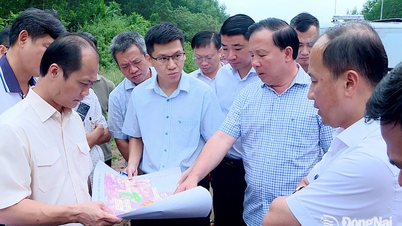
Businesses surveying mountainous areas have noted that industrial development and investment in deep processing lines face numerous difficulties and unstable operations due to inadequate infrastructure and significant impacts from storms and heavy rains. The appropriate approach is to invest in local raw material processing facilities, then transport the materials to factories in eastern regions – where infrastructure, technology, and integrated production lines are readily available – for the production of deep-processed products.
Mr. Nguyen Duc Luc, Chairman of the Board of Directors of Sam Sam Co., Ltd., said that the company has a Ngoc Linh ginseng raw material area of more than 10 hectares. After harvesting, the raw materials are transported from the Ngoc Linh mountain area (Tra Linh commune) to the factory in Tam Thang Industrial Park (Ban Thach ward) to produce health protection products, including SAPHRATON, which has received OCOP 5-star certification.
According to Mr. Tran Ba Duong, Chairman of the Board of Directors of Truong Hai Group Joint Stock Company (THACO), THACO 's advantage lies in its ongoing investment in an industrial park specializing in agriculture and forestry, including a subdivision for medicinal plant development. However, the first step is securing a source of raw materials. The company is currently surveying and planning to invest in a 1,250-hectare cultivation area in Tra Linh commune, while also conducting further research on varieties, planting and harvesting techniques, preliminary processing, and deep processing.
The People's Committee of Da Nang City has also recently issued a program for research and application of science and technology to develop Ngoc Linh ginseng and medicinal herbs for the period 2026-2035. The goal is to develop at least 8,400 hectares of Ngoc Linh ginseng and approximately 90,000 hectares of valuable medicinal plants in the western region; and to establish at least 10 networks linking cultivation, preliminary processing, and processing of medicinal herbs between Da Nang City and neighboring provinces and cities, as well as nationwide. Thus, the western region will have a sufficiently large, stable, and sustainable source of raw materials, forming the foundation for the establishment of a medicinal herb and deep processing industrial center in the eastern part of the city and other localities nationwide.
The key is transportation infrastructure.
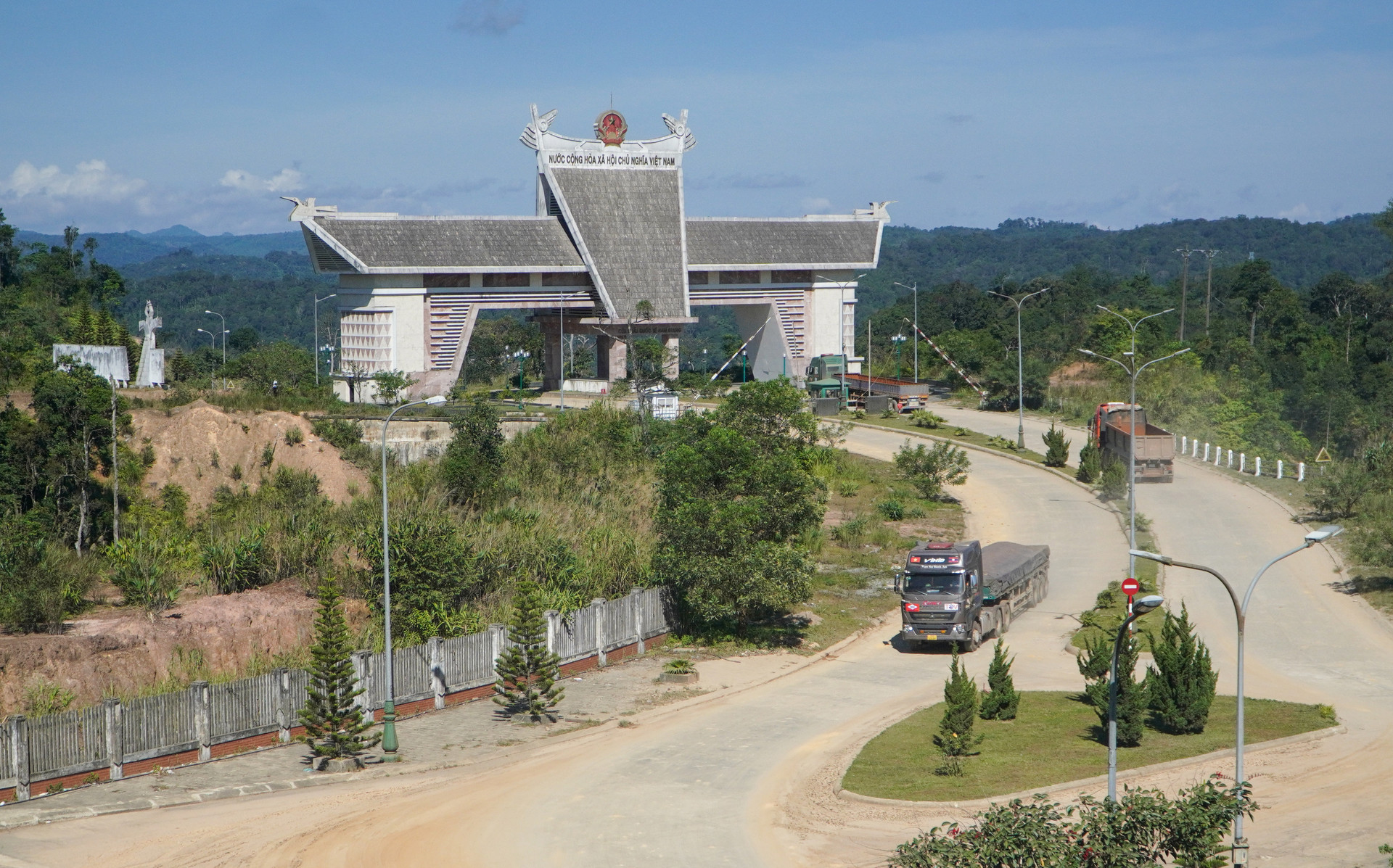
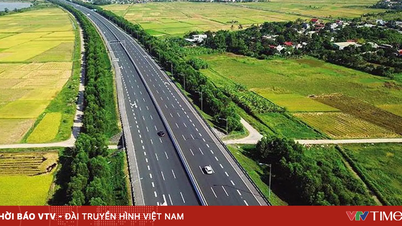
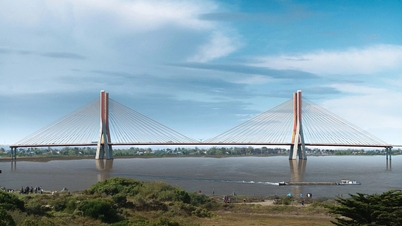
The advantages in medicinal herbs, agricultural and forestry products, minerals, and tourism are considered key to the development of the western region. However, to realize this strategy, it is necessary to start with investment in synchronized, seamless, and inter-regional transportation infrastructure. Notably, the western region serves as a bridge for international cooperation with Laos and Thailand and connects with the Central Highlands, thereby leveraging the advantages of international seaports in the eastern region, including Chu Lai Port, Tien Sa Port, and Lien Chieu Port.
The Resolution of the First Congress of the Da Nang City Party Committee (2025-2030 term) clearly states the goal of building Da Nang into a logistics and multimodal transport center; a goods distribution center for the Central and Central Highlands regions and the whole country; developing Chu Lai Port in conjunction with the logistics center in the Nam Giang International Border Gate Economic Zone, connecting goods with the Central and Southern Laos region and Northeast Thailand. The aim is to have the logistics sector account for approximately 15% of the city's GRDP by 2030.
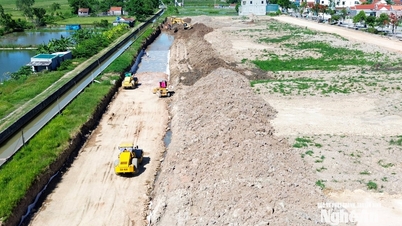
According to the Department of Construction, by 2030, the western region's transportation infrastructure will receive focused investment and upgrades to ensure smooth connectivity with the eastern region. Specifically, this includes National Highway 40B and Provincial Road 617 connecting southern communes and wards to the Central Highlands; National Highways 14E and 14H connecting eastern communes and wards with the western region and the Central Highlands; and National Highways 14G, 14B, and 14D connecting the administrative center of Da Nang city with the western region and exploiting two international gateways: the Nam Giang International Border Gate and the Tay Giang Sub-border Gate. By 2035, the western region will focus on building and attracting investment in large-scale economic and technical facilities; industrial zones in the eastern region will be adjacent to the western region to develop the workforce and maximize the value of the region's raw material resources. This leads to the formation of residential and service clusters, creating the foundation for the development of new urban areas and functional zones linked to the region's advantages such as high-tech agriculture and tourism.
However, infrastructure investment in mountainous areas faces significant challenges from natural disasters and climate change. For example, the heavy rains and floods at the end of 2025 caused estimated total damage to transportation infrastructure across the city of Da Nang of approximately 240 billion VND, with a large portion affecting routes leading to highlands and connecting regions such as National Highways 40B, 24C, and DT606. During an inspection of disaster prevention and control efforts in Da Nang City at the end of October 2025, Deputy Prime Minister Tran Hong Ha emphasized the need to shift the mindset towards proactive and adaptive responses to natural disasters; in particular, infrastructure systems must be invested in sufficiently to enhance resilience.
It can be said that effective connectivity between the eastern and western regions begins first and foremost with transportation infrastructure, and from there, new development spaces will open up with many opportunities in the new context.
Source: https://baodanang.vn/lien-ket-hai-vung-dong-tay-3325105.html





















![[Photo] Reception to welcome General Secretary and President To Lam and his wife on their State visit to the Philippines](https://vphoto.vietnam.vn/thumb/1200x675/vietnam/resource/IMAGE/2026/06/01/1780295488620_vna-potal-chieu-dai-chao-mung-tong-bi-thu-chu-tich-nuoc-to-lam-va-phu-nhan-tham-cap-nha-nuoc-toi-philippines-8798060-7855-jpg.webp)















































Comment (0)