Based on Clause 5, Article 4 of the 2016 Law on Child Protection, child abuse is defined as follows: "Child abuse is any act that causes harm to the physical, emotional, psychological, honor, or dignity of children in the form of violence, exploitation, sexual abuse, trafficking, abandonment, neglect, and other forms of harm."
One of the most serious problems is that when abused, children often don't dare to tell anyone because of fear, shame, or threats. They often silently endure the emotional pain for months, even years.

To protect children, families should pay more attention to them, listen to them, and talk to them more.
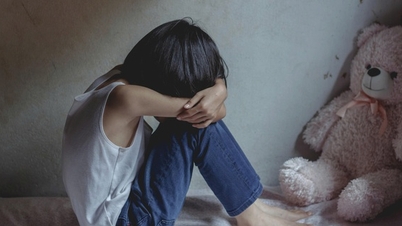
PHOTO: PHUONG AN CREATED BY GEMINI AI
Acts of violence and child abuse often leave severe physical and psychological consequences, seriously affecting a child's overall development. Many studies show that the trauma caused by abuse can affect the brain, impairing cognitive abilities, learning, and social skills.
Children who have been abused are at high risk of developing problems such as long-term injuries, depression, psychological disorders, and difficulties in communication and relationship building. In the long term, these traumas not only affect the children's personal lives but also have repercussions for society, leading to a decline in the quality of human resources and increased costs in healthcare , legal services, and social welfare.
To prevent and protect children, families, especially parents, need to always pay attention to, listen to, and talk with their children to recognize early changes in their psychological and physiological development. At the same time, children need to be equipped with self-protection skills and basic knowledge to identify the risk of abuse.
When parents or caregivers notice any unusual signs in their children, especially vaginal bleeding, they should quickly take the child to the hospital for timely intervention and support.
The National Children's Hospital advises that all children are at risk of abuse, regardless of gender, age, or living circumstances. Studies show that the majority of perpetrators are male, and most abuse cases occur at the hands of people known to the victims, such as relatives, family friends, neighbors, or even close family members.
The community and society need to raise awareness about child abuse, intensify propaganda, detect early signs, and promptly speak up when they notice any unusual behavior in children.
When discovering acts of violence or abuse against children, or when needing legal advice and support, citizens should call the national child protection hotline 111 .
The 111 hotline operates 24/7, calls are completely free, and its operation is guaranteed by the State.
Acts of child abuse
Physical abuse:
- Beating, torturing, and mistreating children, causing physical and health harm.
- Forcing children to work in violation of the law.
- Abandoning or neglecting children.
Psychological abuse:
- Insulting or offending the honor and dignity of children.
- Isolation, ostracism, and psychological pressure.
- Neglecting to care for and meet the basic needs of children, failing to supervise and protect them.
Sexual abuse:
- Sexual intercourse, rape, or indecent acts with children.
- Using children for prostitution or pornography.
- Engaging in unlawful sexual acts without penetration.
In addition, there are acts such as exploitation, child trafficking, and other harmful behaviors. These abusive acts can occur simultaneously and have serious consequences for a child's development.
Source: https://thanhnien.vn/moi-tre-em-deu-can-duoc-bao-ve-185250630191014854.htm


![[Photo] Admire the coral "masterpiece" amidst the million-year-old heritage of Dak Lak province.](https://vphoto.vietnam.vn/thumb/1200x675/vietnam/resource/IMAGE/2026/05/31/1780221235105_anh-man-hinh-2026-05-31-luc-16-53-27.png)
![[Photo] Solemn bathing ceremony and Buddha procession in Hue](https://vphoto.vietnam.vn/thumb/1200x675/vietnam/resource/IMAGE/2026/05/31/1780228263543_1-jpg.webp)
![[Photo] The General Secretary, President and his wife begin their state visit to the Philippines.](https://vphoto.vietnam.vn/thumb/1200x675/vietnam/resource/IMAGE/2026/05/31/1780230559452_anh-man-hinh-2026-05-31-luc-19-28-11.png)


![[Image] Hanoi Police officially crowned champions of V-League 2025/2026](https://vphoto.vietnam.vn/thumb/1200x675/vietnam/resource/IMAGE/2026/05/31/1780244769054_ndo_br_039d561b692be875b13a-jpg.webp)

















![[Video] Sunset at Lap An Lagoon – Where the sun sets over the fishing nets](https://vphoto.vietnam.vn/thumb/340x192/vietnam/resource/IMAGE/2026/05/31/1780192137701_beach-landscape-sea-water-nature-grass-745871-pxhere-com.jpeg)































![[Photo] Admire the coral "masterpiece" amidst the million-year-old heritage of Dak Lak province.](https://vphoto.vietnam.vn/thumb/402x226/vietnam/resource/IMAGE/2026/05/31/1780221235105_anh-man-hinh-2026-05-31-luc-16-53-27.png)
































Comment (0)