

The rapid and unpredictable changes in the global and regional situation pose numerous challenges for nations. This context fuels the need to establish and maintain large-scale multilateral dialogue mechanisms for participating parties to discuss and find ways to jointly address the most pressing issues.
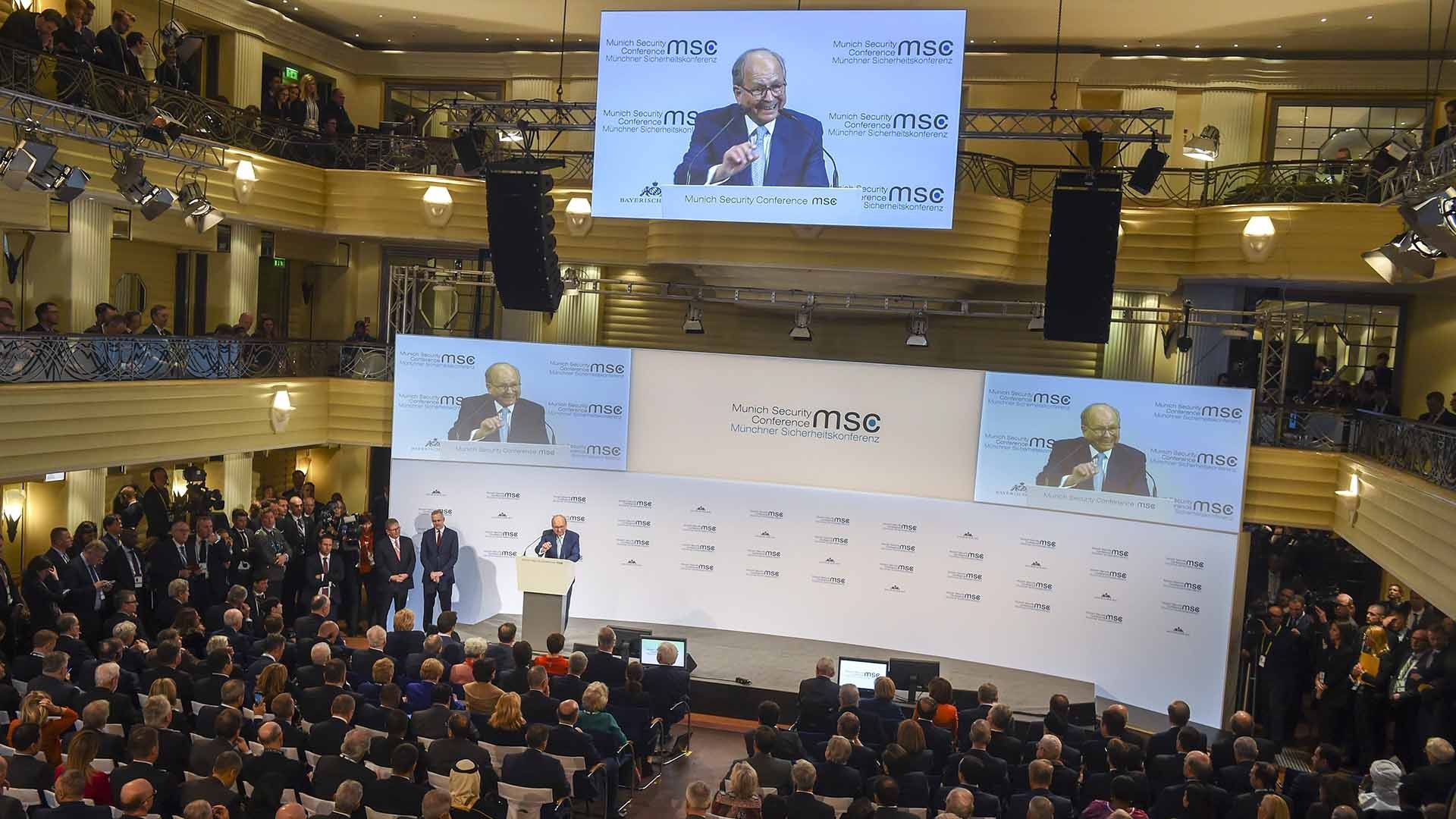 |
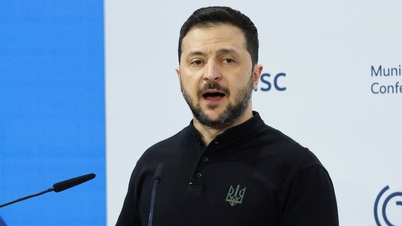
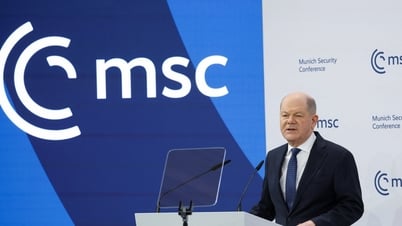
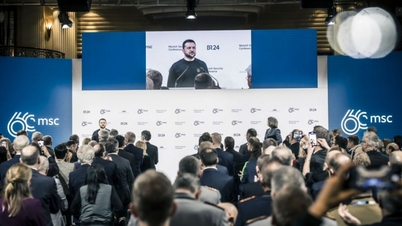
| The 60th Munich Security Conference took place from February 16-18 in Munich, Germany. (Source: AFP) |
Munich Security Conference
The Munich Security Conference (MSC) is the world's leading security forum for discussing international security policy, held annually in Munich, Germany since 1963.
This is where delegates present formal and informal diplomatic proposals to help address the world's most pressing security issues.
The first MSC was held in 1963 between the leaders of Germany and NATO member countries during the Cold War – known as the “transatlantic family meeting”.
Each year, MSC brings together more than 450 influential delegates, senior policymakers, and leading thinkers from around the world. The MSC's attendees are diverse, including heads of state, ministers, military and intelligence leaders, top diplomats, prominent figures from international and non-governmental organizations, senior representatives from industry, media, research institutions, and think tanks.
The MSC's goal is to build trust and contribute to the peaceful resolution of military conflicts through sustained and selective dialogue.
The MSC not only provides a space for in-depth, high-intensity dialogue over three days but also facilitates informal meetings between high-ranking officials from participating countries on the sidelines of the Conference. In addition to the main annual conference in Munich, the MSC regularly organizes large-scale events discussing specific topics/regions; and publishes the Munich Security Report, as well as summaries, data, maps, and research papers on key international security challenges.
Despite its European and transatlantic origins, MSC now conducts activities with diverse geographical reach and engages delegates from many countries around the world. MSC also focuses on including in its discussion programs the most relevant and urgent security challenges facing the world across various security sectors, from military to economic, environmental, and human security.
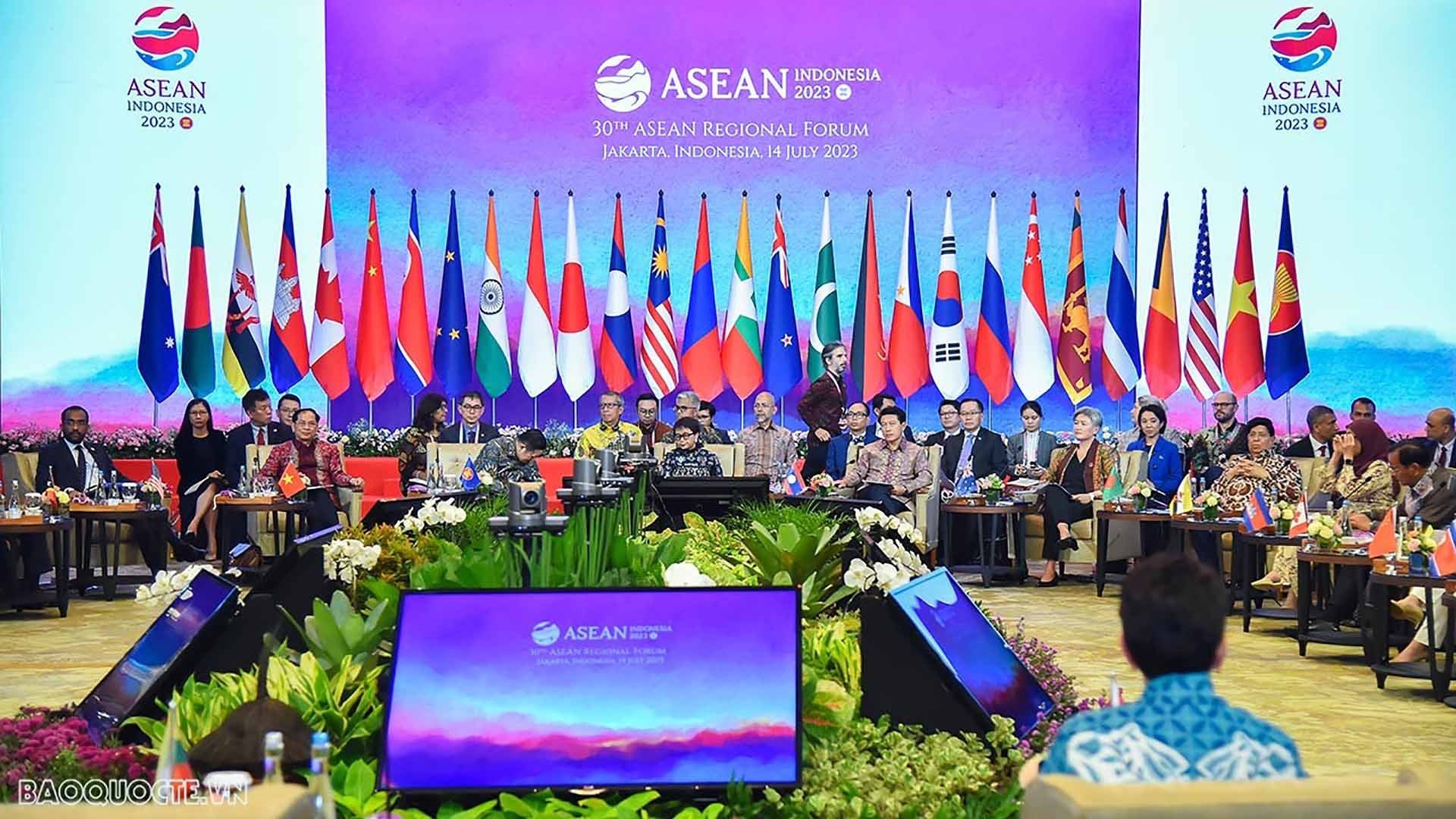 |
| Foreign Minister Bui Thanh Son, along with Foreign Ministers of ASEAN countries and Dialogue Partners, attended the 30th ASEAN Regional Forum in Jakarta in July 2023. (Photo: Tuan Anh) |
ASEAN Regional Forum
Established in 1994 in Bangkok, Thailand, the ASEAN Regional Forum (ARF) is an ASEAN-led mechanism serving as a crucial platform for dialogue among stakeholders on security issues in the Asia-Pacific region. At the Forum, delegates discuss current security issues and develop cooperative measures to enhance regional peace and security.
Delegates attending the ARF came from 27 countries, including the 10 ASEAN member states and 10 Dialogue Partners: Australia, Canada, China, the EU, India, Japan, New Zealand, South Korea, Russia, and the United States; one observer country, Papua New Guinea; and non-full Dialogue Partners: North Korea, Mongolia, Pakistan, Bangladesh, Sri Lanka, and Timor Leste. The forum was chaired by the ASEAN rotating chair country.
The ARF operates on the principles of frank dialogue and decision-making based on consensus, non-interference, and a step-by-step approach.
The objectives of the ARF include promoting constructive dialogue and consultation on political and security issues of common interest and concern to all parties; and making a significant contribution to confidence-building and preventive diplomacy in the Asia-Pacific.
Over the past two decades, the ARF has achieved many successes, contributing to the maintenance of peace, security, and cooperation in the region by fostering a habit of dialogue and consultation among parties on political and security issues.
Overall, the ARF serves as a consultative forum, promoting open and transparent dialogue on political and security cooperation in the region, thereby helping to build trust and develop a network of security officials from participating countries.
Shangri-La Dialogue
The Shangri-La Dialogue (SLD), also known as the Asian Security Summit, has been held annually in Singapore since 2002.
This is the leading defense dialogue mechanism in Asia, organized by the independent think tank, the International Institute for Strategic Studies (IISS), headquartered in London, England. The SLD was established in response to the need for Asia-Pacific countries to come together in a forum for dialogue, build trust, and promote practical cooperation on security.
The SLD brings together policymakers, ministers, and senior defense officials from across Asia-Pacific, North America, Europe, and the Middle East, as well as business leaders, security experts and academics, representatives of non-governmental organizations, and members of the press.
Each year, the Dialogue discusses the most pressing regional security issues and participants share each other's policy responses.
The SLD program includes plenary sessions chaired by ministerial-level officials (open discussions), small group discussions (closed discussions), a keynote address by a senior official from one country, and other speeches, as well as bilateral and multilateral meetings on the sidelines of the Dialogue. The SLD does not require the adoption of a joint statement or the achievement of consensus at the conclusion of the Dialogue. Throughout its history, the SLD has played a significant role in promoting defense diplomacy among participating parties.
Beijing Xiangshan Forum
Originally named the Xiangshan Forum, it was initiated in 2006 by the Chinese Association for Military Science (CAMS) as a Channel 2 scholarly forum for dialogue on security issues in the Asia-Pacific region.
The Forum was expanded to Channel 1.5 at its fifth edition in 2014. Since then, the Forum has seen broader participation from defense and military leaders from various countries, heads of international organizations, former politicians and retired military generals, as well as prominent scholars from within and outside the Asia-Pacific region.
Since 2015, the Xiangshan Forum, co-organized by CAMS and the China Institute for Strategic International Studies (CIISS), was renamed the Beijing Xiangshan Forum in 2018.
To date, the Beijing Xiangshan Forum has developed into a high-level security and defense forum in the Asia-Pacific region and is increasingly asserting itself as an important security forum in the region and the world.
The 10th Beijing Xiangshan Forum, held from October 29-31, 2023 in Beijing, was attended by over 100 countries and international organizations, with more than 1,800 delegates including leaders from the Ministries of Defense, military, and experts and scholars from various countries. This was the first time the forum was held in person since the COVID-19 pandemic broke out in 2019.
Raisina Dialogue
The Raisina Dialogue is India's flagship multilateral forum for discussing foreign policy, geopolitical, and geostrategic issues. Held annually in New Delhi since 2016, the dialogue is co-organized by the Indian Ministry of External Affairs and the Observer Research Foundation (ORF), a leading independent think tank in India, with support from various research institutions, organizations, and individuals.
The goal of the Raisina Dialogue is to connect global actors with Asia and to connect Asia with the world. This dialogue was established shortly after Prime Minister Narendra Modi took office, with the main focus of his foreign policy being to strengthen India's influence and diplomatic engagement in the world.
The Raisina Dialogue has a diverse group of participants, including heads of state, ministers, local government officials, business leaders, leading private sector thinkers, media representatives, experts, academics, and representatives of non-governmental organizations.
Each year, delegates attending the Dialogue discuss the global situation and opportunities for cooperation on a range of contemporary security issues.
The discussions at the Raisina Dialogue are interdisciplinary and involve many stakeholders.
Hanoi Forum on the Future of ASEAN (HFA)The first Hanoi Forum on the Future of ASEAN (HFA) is scheduled to be held in Hanoi in April 2024. This is a large-scale, semi-formal multilateral dialogue mechanism, hosted annually by Vietnam starting in 2024. The forum is expected to discuss and forecast the regional situation and the future comprehensive development of ASEAN across all three pillars of the Community. Attending the HFA will be politicians, experts, and leading business leaders from ASEAN and partner countries. The Forum will also include several side events such as the ASEAN Young Leaders' Forum and the ASEAN Business Forum. |
Source

![[Photo] The courage of new recruits of Brigade 144 on the training ground.](https://vphoto.vietnam.vn/thumb/1200x675/vietnam/resource/IMAGE/2026/05/27/1779881651341_anh-man-hinh-2026-05-27-luc-18-32-52.png)

![[Photo] The heat at the fireworks display site on the opening night of the Da Nang International Fireworks Festival 2026](https://vphoto.vietnam.vn/thumb/1200x675/vietnam/resource/IMAGE/2026/05/27/1779889741485_ndo_br_z7872039145157-fecaba5112f39e8352544099d7ef4738-5140-jpg.webp)







































![[Photo] The courage of new recruits of Brigade 144 on the training ground.](https://vphoto.vietnam.vn/thumb/402x226/vietnam/resource/IMAGE/2026/05/27/1779881651341_anh-man-hinh-2026-05-27-luc-18-32-52.png)






















Comment (0)