

Village festivals in rural areas are usually held in the spring, the season of blooming flowers, when the earth and sky harmonize, nature is lush, and people's hearts are joyful. In the modern era, village festivals still retain their solemn, purely Vietnamese rituals with cultural activities deeply rooted in tradition. Village festivals are typically lively and warm, reflecting the strong sense of community and neighborly spirit. This is evident from the preparation stage to the closing ceremony.
Only by witnessing a village festival can one truly appreciate its significance and national pride. A village festival consists of two parts: the ceremony and the festivities, usually taking place at the village communal house. While the ceremony expresses admiration and honor for heroes, prominent figures, and those who have contributed to the nation and its people, bringing prosperity and happiness to the community, the festivities showcase cultural activities that unite the community, such as traditional dances, courtship songs, theatrical performances, martial arts competitions, and traditional customs.
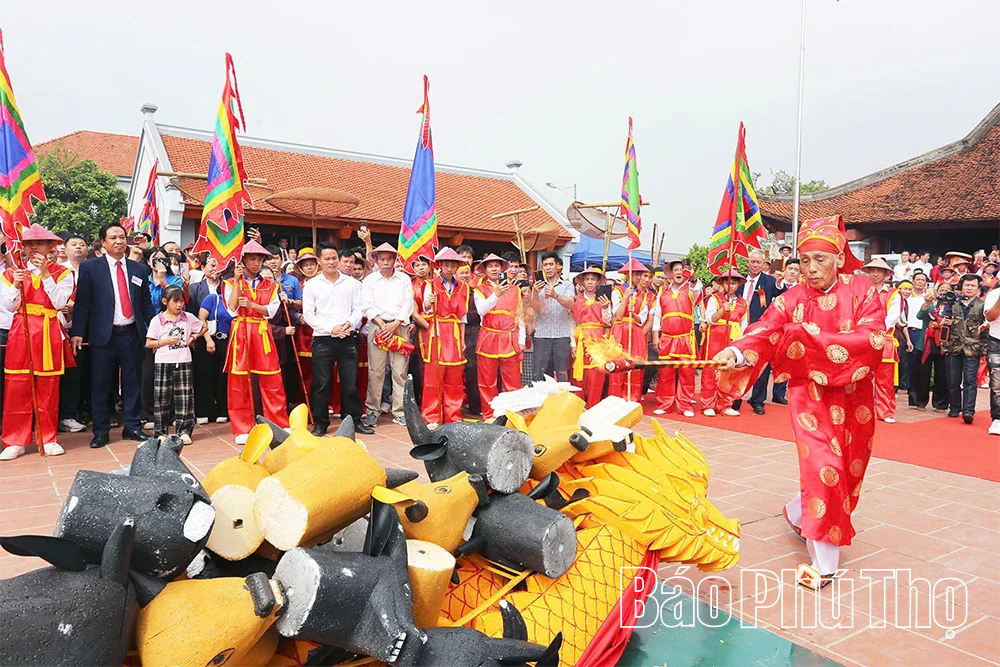
The procession of Mr. Khiu and Mrs. Khiu in Hy Cuong commune.
This year, Hy Cuong commune revived the Khiu and Khiu Procession Festival on February 27th and 28th (corresponding to the 11th and 12th days of the first lunar month of the Year of the Horse) after a 19-year hiatus. The Khiu and Khiu Procession Festival originated in the ancient village of Gia Ninh, Thanh Dinh commune (now Hy Cuong commune). The festival aims to commemorate and express gratitude for the merits of two legendary deities from the Hung King era: Saint Tan Vien and Quy Minh Dai Vuong. This is a fertility and agricultural festival, expressing the community's wish for a bountiful harvest and fertility. Previously, the festival was held on the 3rd and 4th days of the first lunar month with unique customs such as: the Khiu and Khiu Procession; the worship ceremony; the military parade; the procession and transformation of the God of the Sea; and the harvest prayer ceremony on the Khiu trellis. However, over time, due to various factors, the festival faded away.
After much research, collecting efforts, and a determined effort to restore the festival, the People's Committee of Hy Cuong commune has developed a plan to organize the festival. Ms. Nguyen Thu Hien, Chairman of the People's Committee and Head of the Festival Organizing Committee, stated: “The restoration process of the festival has been carefully implemented by the commune, ensuring scientific accuracy, compliance with current regulations, and local realities. Restoring the festival contributes to honoring and commemorating the great contributions of our ancestors who founded the nation; praying for the blessings of the deities for national peace and prosperity, favorable weather, and a peaceful and prosperous homeland. At the same time, it serves as proof of the enduring vitality of traditional culture passed down from generation to generation.”
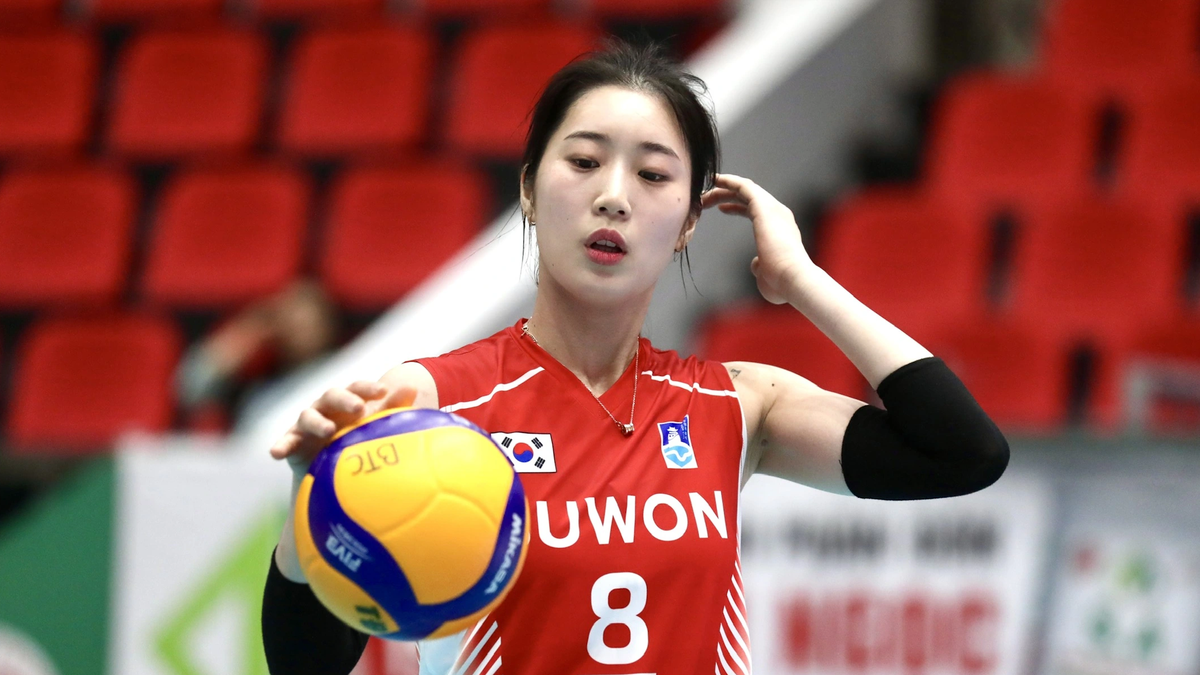
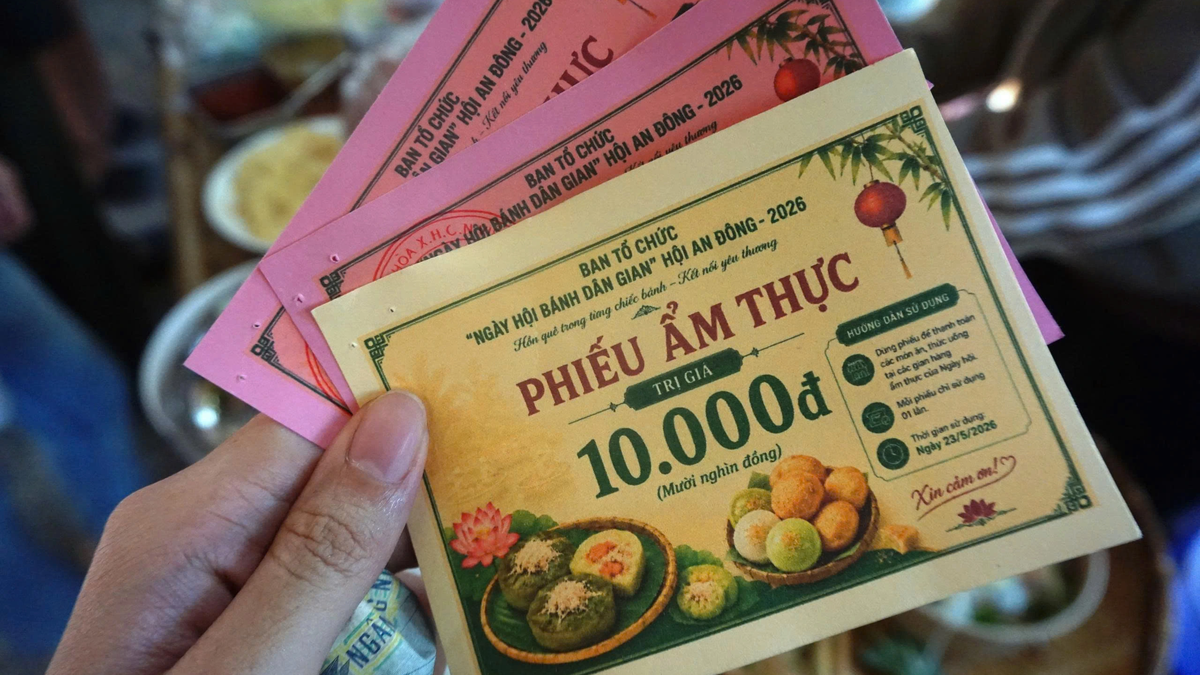
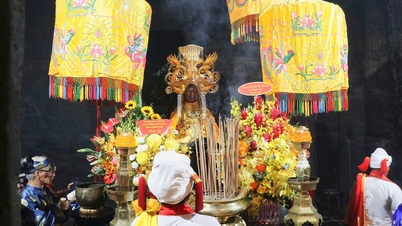
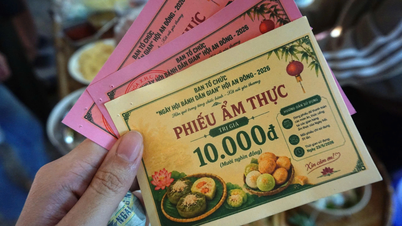
The Opening Ceremony of Ngòi Temple is a cultural and religious activity that has been maintained for generations, closely associated with the spiritual life of the people of Hoa Binh ward. Ngòi Temple is where the people worship the Three Great Kings, the Supreme Deity Tan Vien Son Thanh, the village guardian deity, the local deity, the mountain deity, and the earth deity. The Opening Ceremony of Ngòi Temple is held to commemorate the village guardian deities, those who contributed to preserving, building, and protecting the homeland, and to pray for a new year of favorable weather, abundant harvests, peace, and good health for the villagers. The festival is solemnly organized with rituals such as the Water Spirit procession, the Rice Spirit procession, sacrificial ceremonies, incense offerings, and wine offerings in the temple... In addition, during the festival days, there are many rich cultural and sporting activities such as men's and women's volleyball competitions; traditional sports like stick pushing, tug-of-war, and archery; and cultural exchanges... Within the framework of the festival, there is also an exhibition of typical local cuisine. Organizing folk games such as chess, swinging, throwing the ball, blindfolded duck catching, pot smashing... attracted a large number of people to participate, creating a joyful and united atmosphere.

Hoa Binh Ward organized the Opening Ceremony of Ngoi Temple.
Every spring, almost every Vietnamese village holds a festival. These activities are deeply rooted in long-standing cultural traditions, fostering community cohesion and strengthening village solidarity. Traditional festivals contribute to maintaining and preserving cultural and historical values, providing an opportunity for people to reflect on and educate the younger generation about traditions, as well as promoting and showcasing the local cultural and religious beauty to visitors from all over.
Thu Ha
Source: https://baophutho.vn/net-nbsp-dep-nbsp-van-hoa-trong-le-hoi-lang-250630.htm
















































Comment (0)