

On the mountain slopes of Phin Ho village, the green of bamboo trees now covers a wider area than before, creating a peaceful scene in the highlands. Few people know that, in the past, many areas here suffered from erosion and soil degradation due to farming on steep slopes. Based on this reality, some households proactively switched to planting bamboo as a solution to prevent soil erosion and protect their agricultural land.
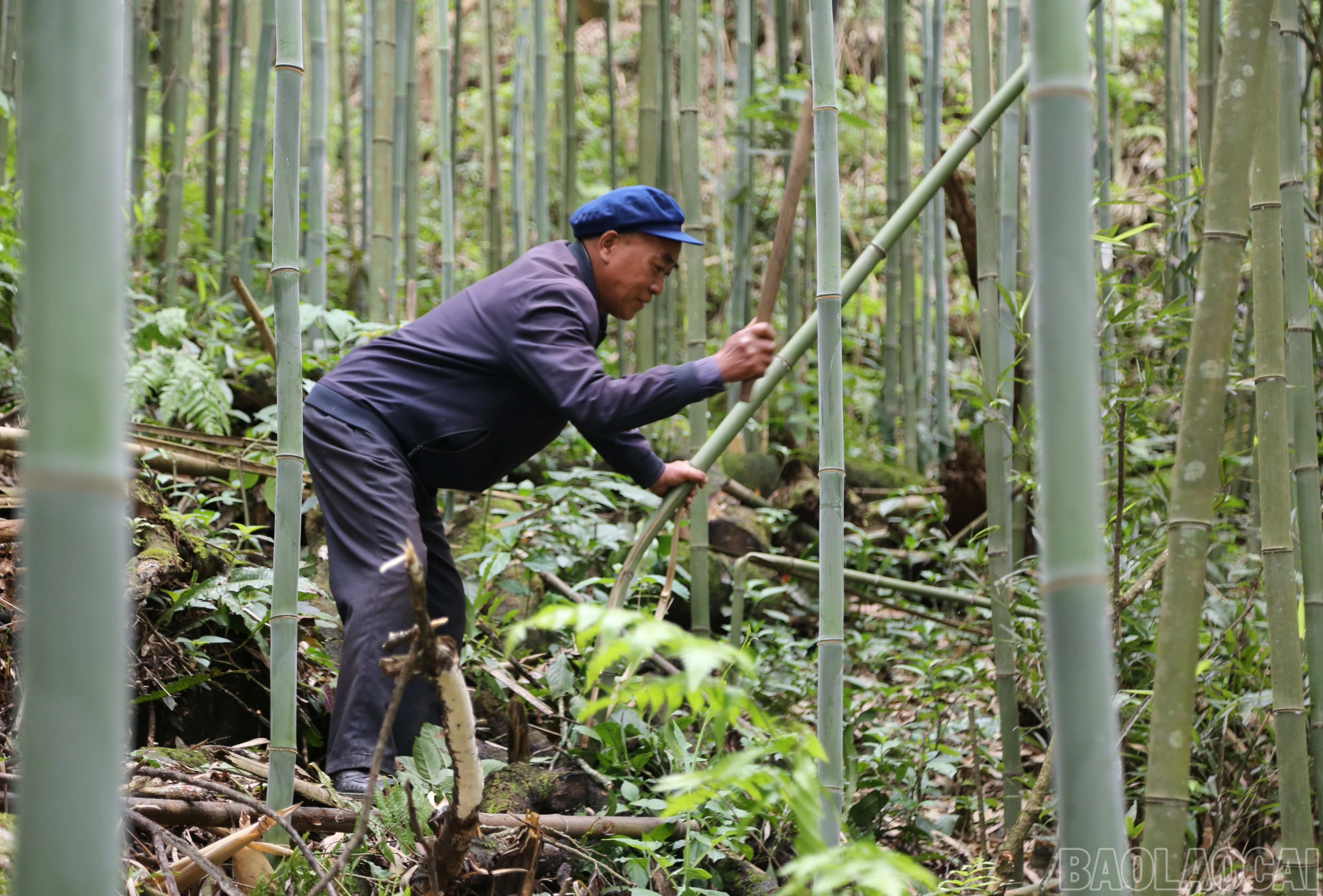
The Ly Quay Va family is one of the pioneering households that maintained and expanded bamboo cultivation in Phin Ho village more than a decade ago. From just a few dozen bamboo clumps initially, his family has now cultivated three lush green bamboo groves covering an area of over 1 hectare.
According to Mr. Va, bamboo is easy to care for; the only effort required is in the initial stage when it's a young plant, once it has a canopy, making it difficult for weeds to grow.
Beyond its role in environmental protection, bamboo also brings many practical values to the lives and production of local people. Bamboo stalks are used for fences or as raw materials for traditional weaving, while leaves and branches are utilized as fuel. In particular, bamboo shoots have long ceased to be a traditional dish of the highland people and have become a highly sought-after specialty, supplying restaurants in the Sa Pa National Tourist Area.
In recent years, the increasing demand for bamboo tubes used in making sticky rice cooked in bamboo and other handicrafts has opened up more opportunities for local people. Thanks to these clear economic benefits, many households have begun to pay more attention to restoring and developing bamboo cultivation on steep hillsides.
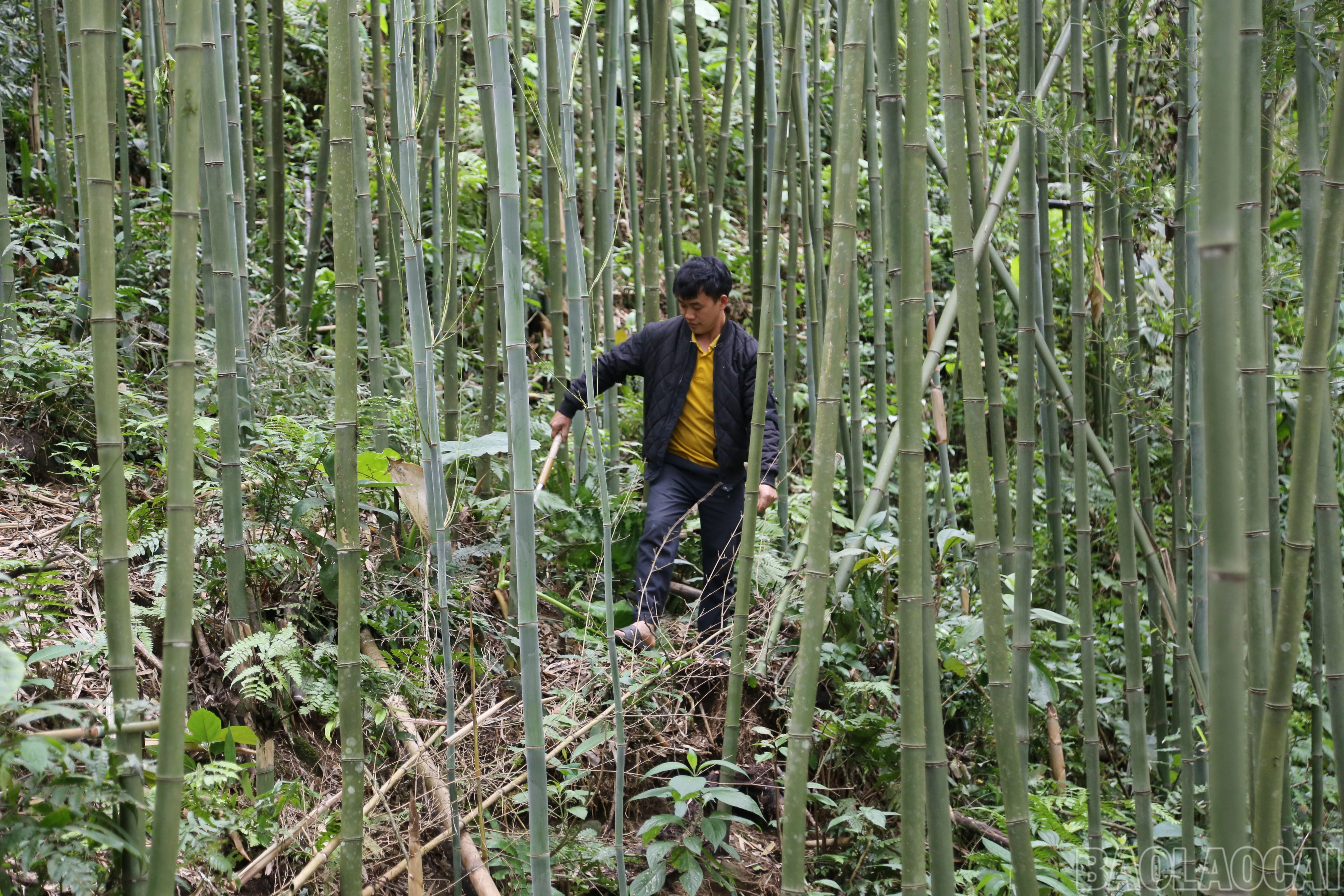
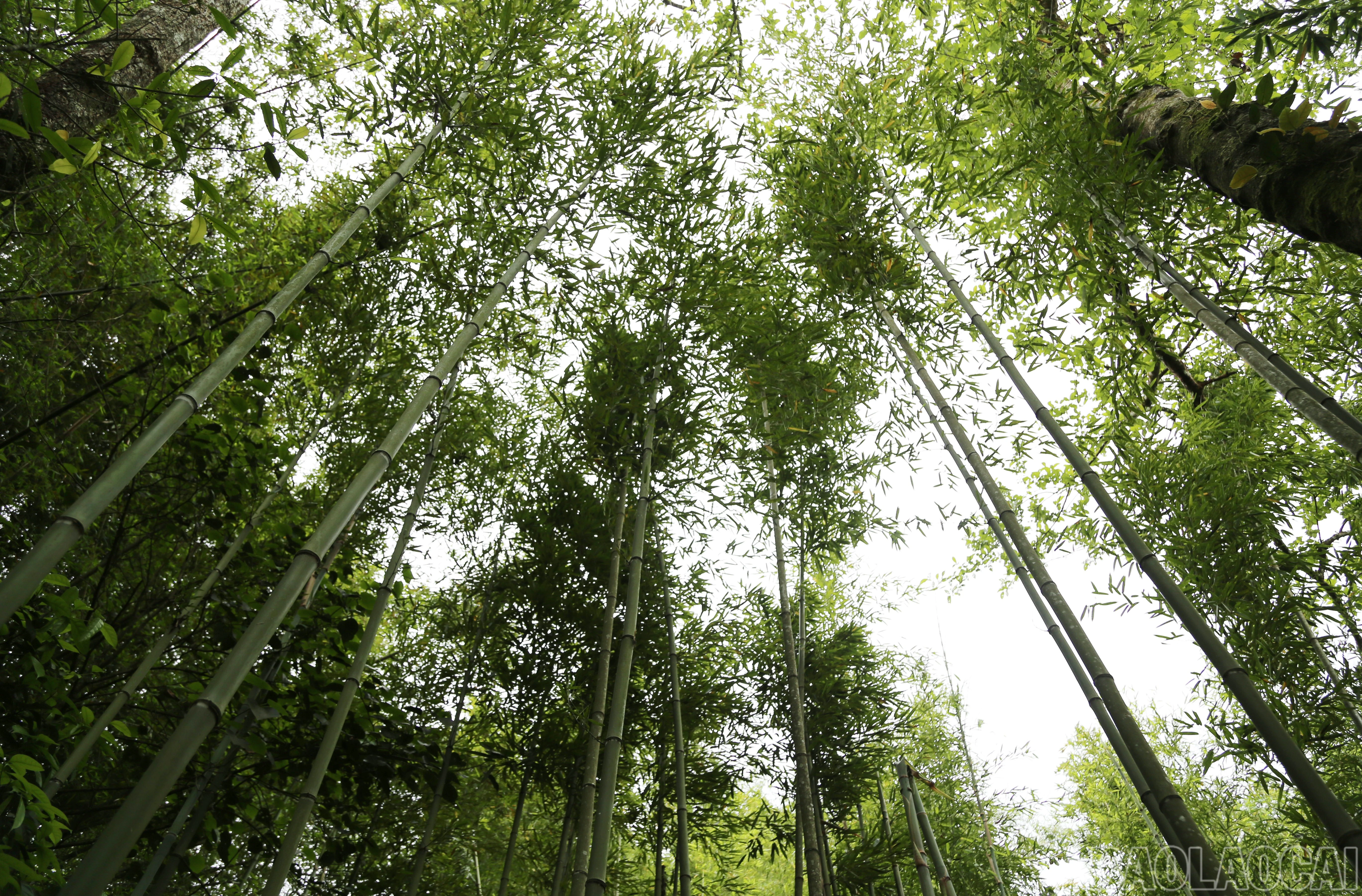
The village of Phìn Hồ currently has over 60 households, of which about 20 households cultivate green bamboo on a total area of approximately 6 hectares. According to Mr. Lý Láo Tả, the head of Phìn Hồ village, bamboo cultivation had previously declined due to a lack of proper care and unstable market demand. However, since 2015, thanks to the increased economic value of bamboo shoots and stems, the villagers have proactively expanded their cultivation area.
Besides Phìn Hồ, green bamboo is now being planted in many villages of Ngũ Chỉ Sơn commune such as Can Hồ A, Lủ Khấu, Cửa Cải… The total area in the commune is about 15 hectares. Although the scale is not large, this model is showing clear effectiveness in developing the economy while protecting forest resources and the ecological environment.
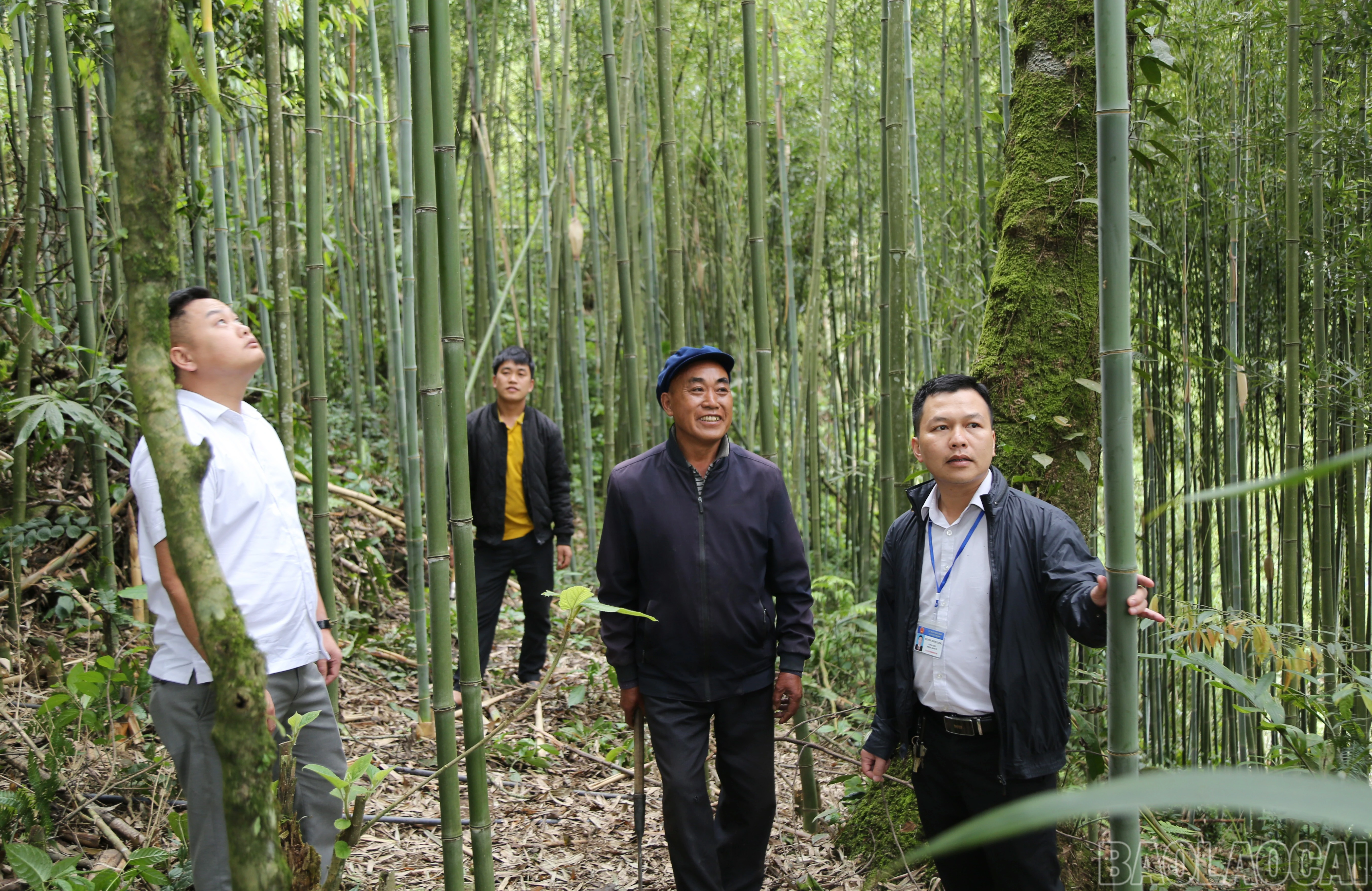
According to local authorities, bamboo has many advantages that are well-suited to the natural conditions of the highlands. Its strong root system helps retain soil and reduce erosion during the rainy season. Its ability to grow well on sloping terrain helps to green areas that are difficult to cultivate. It is also a type of plant that does not require much investment in care but can be harvested for a long time.
In the context of increasingly complex climate change, with frequent landslides, flash floods, and mudslides in mountainous areas, developing plants capable of holding soil and protecting slopes, such as bamboo, is becoming a suitable approach. This model not only contributes to mitigating natural disasters but also creates jobs and increases income for local people.
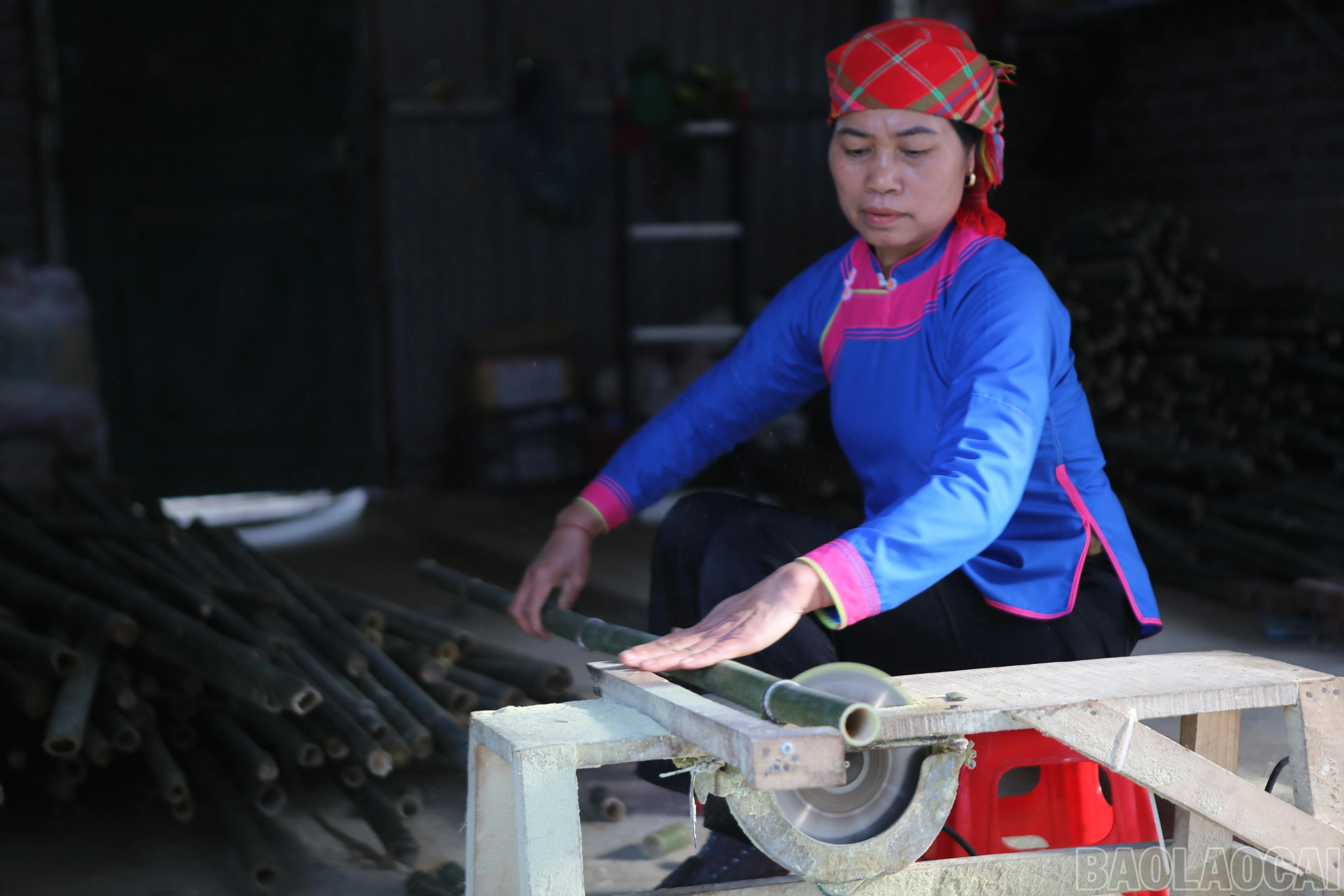
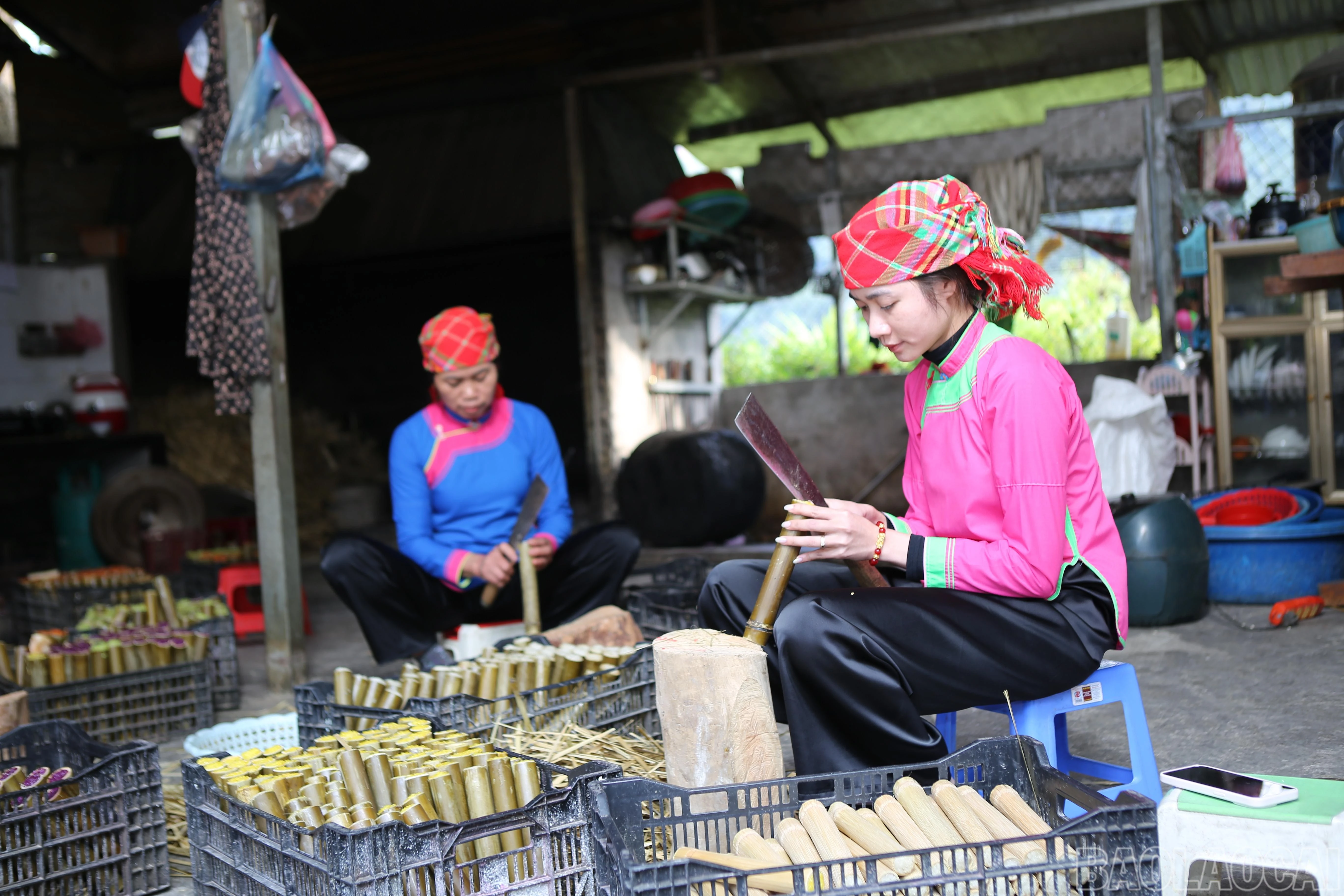
However, for bamboo to truly become a sustainable livelihood, Ngu Chi Son commune still faces many difficulties. Currently, expanding the cultivation area mainly relies on the self-reliant resources of the people, thus encountering many limitations. Although a market for bamboo products has been established, it is generally unstable, with most products still being sold on a small scale and dependent on traders within the province.
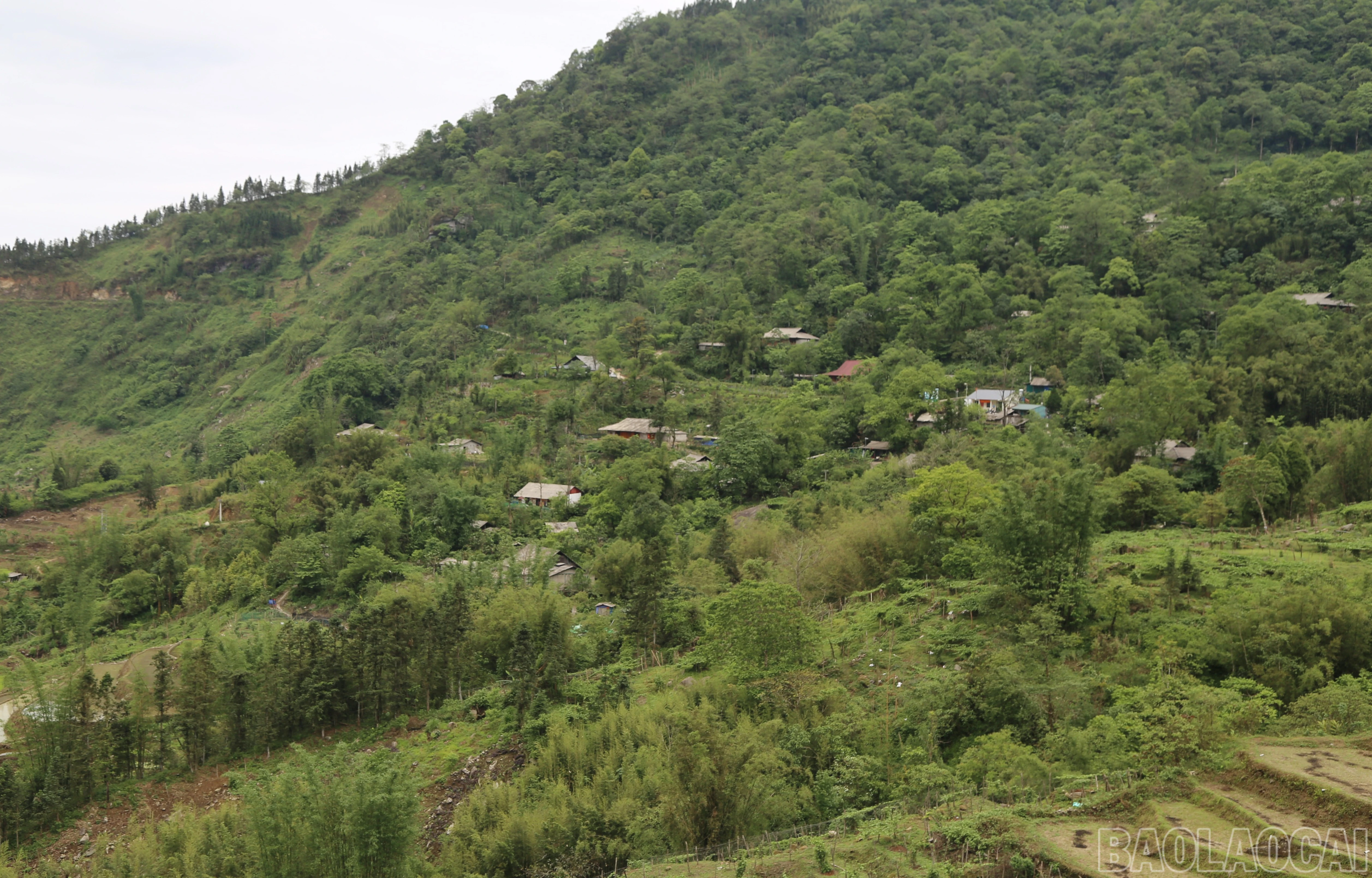
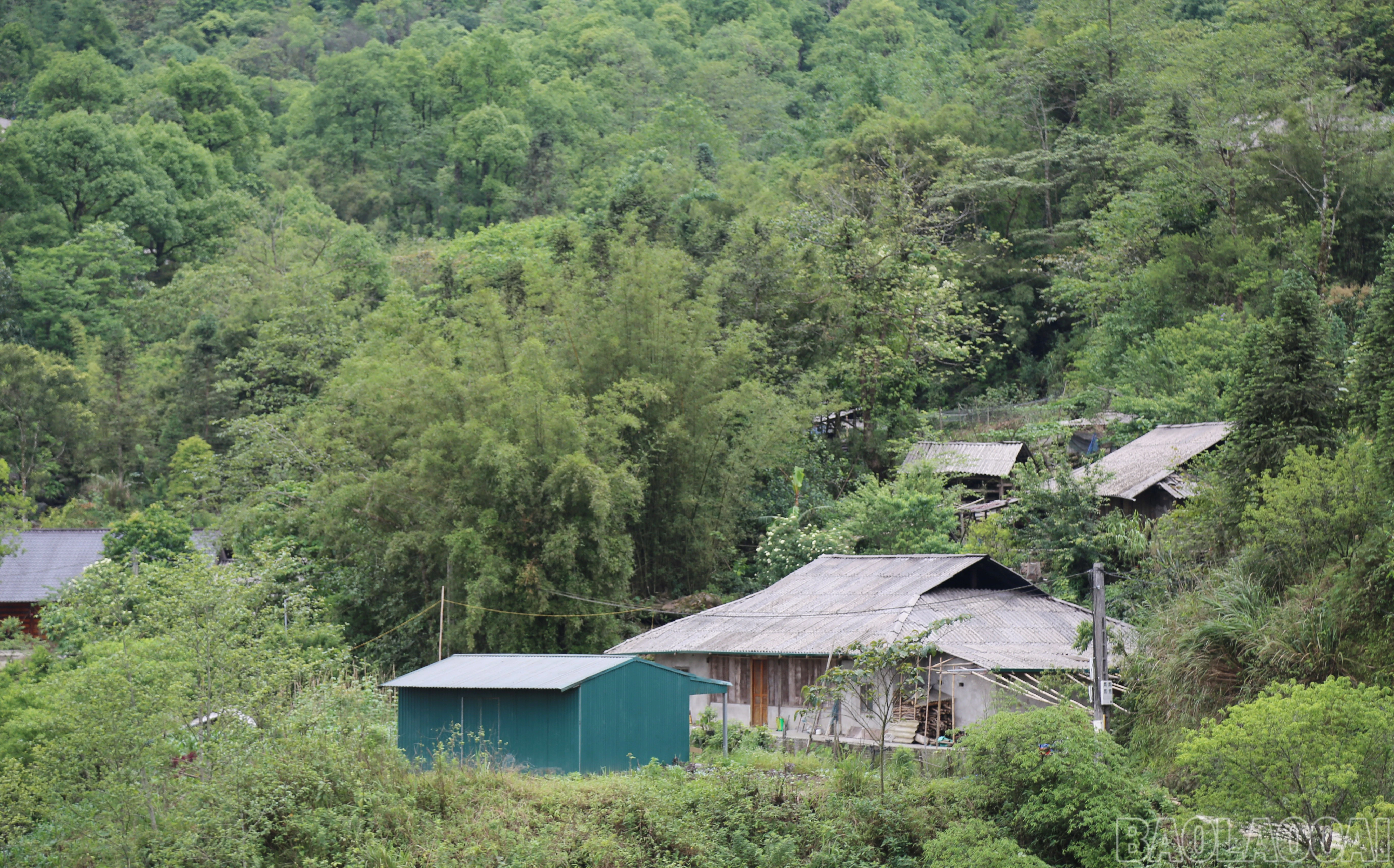
Mr. Hoang Ngoc Dinh, Vice Chairman of the People's Committee of Ngu Chi Son commune, said: "Through meetings with voters and village meetings, people have repeatedly requested financial support to expand the area for bamboo cultivation. However, due to limited local budget resources, the commune is proposing that higher authorities consider integrating this into national target programs to support the people."
According to Mr. Dinh, if bamboo receives systematic investment in seed sources, cultivation techniques, and strong connections in product consumption, the locality can completely plan large-scale raw material areas linked to the development of bamboo forest ecotourism, while restoring and enhancing traditional handicraft products.
When the bottlenecks of capital, technology, and market access are simultaneously resolved, bamboo cultivation in Ngu Chi Son commune promises to take even deeper root in the soil. This will be a solid foundation for building green, disaster-resistant, and prosperous highland villages with sustainable income sources.
Source: https://baolaocai.vn/ngu-chi-son-khai-thac-gia-tri-kep-tu-la-chan-xanh-giu-dat-post899672.html



![[Image] Nearly 125,000 Hanoi students completed the Literature exam for the 10th grade entrance exam.](https://vphoto.vietnam.vn/thumb/1200x675/vietnam/resource/IMAGE/2026/05/30/1780117233041_ndo_br_thiet-ke-chua-co-ten-2-png.webp)



















































































Comment (0)