

A rapid heartbeat upon waking can fall into one of two categories. The first is due to nervousness. The person feels their heart beating distinctly, strongly, irregularly, or fluttering in their chest, but the actual measured heart rate may still be normal, according to the health website Medical News Today (UK).

A rapid heartbeat after waking up in bed can be a sign of an irregular heartbeat.
PHOTO: AI
This phenomenon is quite common. Therefore, waking up with a fast heartbeat doesn't always mean you have a cardiovascular problem.
The second possibility is that the heart is genuinely beating fast. In other words, the heart rate is abnormally high, and this could be a sign of something wrong.
Regarding the first possibility, there are several reasons why people feel nervous upon waking up in the morning. When transitioning from sleep to wakefulness, the body needs to reactivate functions to feel alert, including the sympathetic nervous system. This process can cause a slight increase in heart rate and blood pressure for a short period.
If a person is stressed, sleep-deprived, has consumed a lot of caffeine, or has just experienced a nightmare, this reaction may be more pronounced and felt as a rapid heartbeat. However, such episodes are usually brief, resolve on their own within minutes, and are not accompanied by dangerous symptoms.
Additionally, nocturnal hypoglycemia, especially in people with diabetes, can also cause rapid heartbeat, restlessness, and sweating upon waking. Another often overlooked cause is hyperthyroidism, where high levels of thyroid hormones can lead to symptoms such as nervousness, tremors, difficulty sleeping, and rapid heartbeat both day and night.
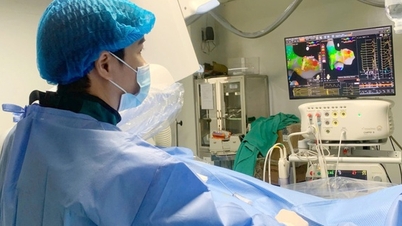
Meanwhile, some cases of rapid heartbeat upon waking in the morning fall into the second category, meaning it's a potential sign of an underlying condition. This is a manifestation of an arrhythmia, especially when the episode occurs suddenly and the heart beats very fast.
Some arrhythmias, such as supraventricular tachycardia, atrial fibrillation, or premature beats, may occur at night or in the early morning. Individuals with underlying heart disease or cardiovascular risk factors such as high blood pressure, diabetes, dyslipidemia, or long-term smoking should pay particular attention if these symptoms occur frequently or worsen.
People with a rapid heartbeat should go to the hospital immediately if they experience symptoms such as persistent chest pain, significant shortness of breath, dizziness, fainting, or near-fainting. These could be signs of myocardial ischemia, a dangerous arrhythmia, or other medical emergencies, according to Medical News Today.
Source: https://thanhnien.vn/ngu-day-thay-tim-dap-nhanh-phan-ung-binh-thuong-hay-dau-hieu-benh-tim-185260104140500545.htm






































































































Comment (0)