

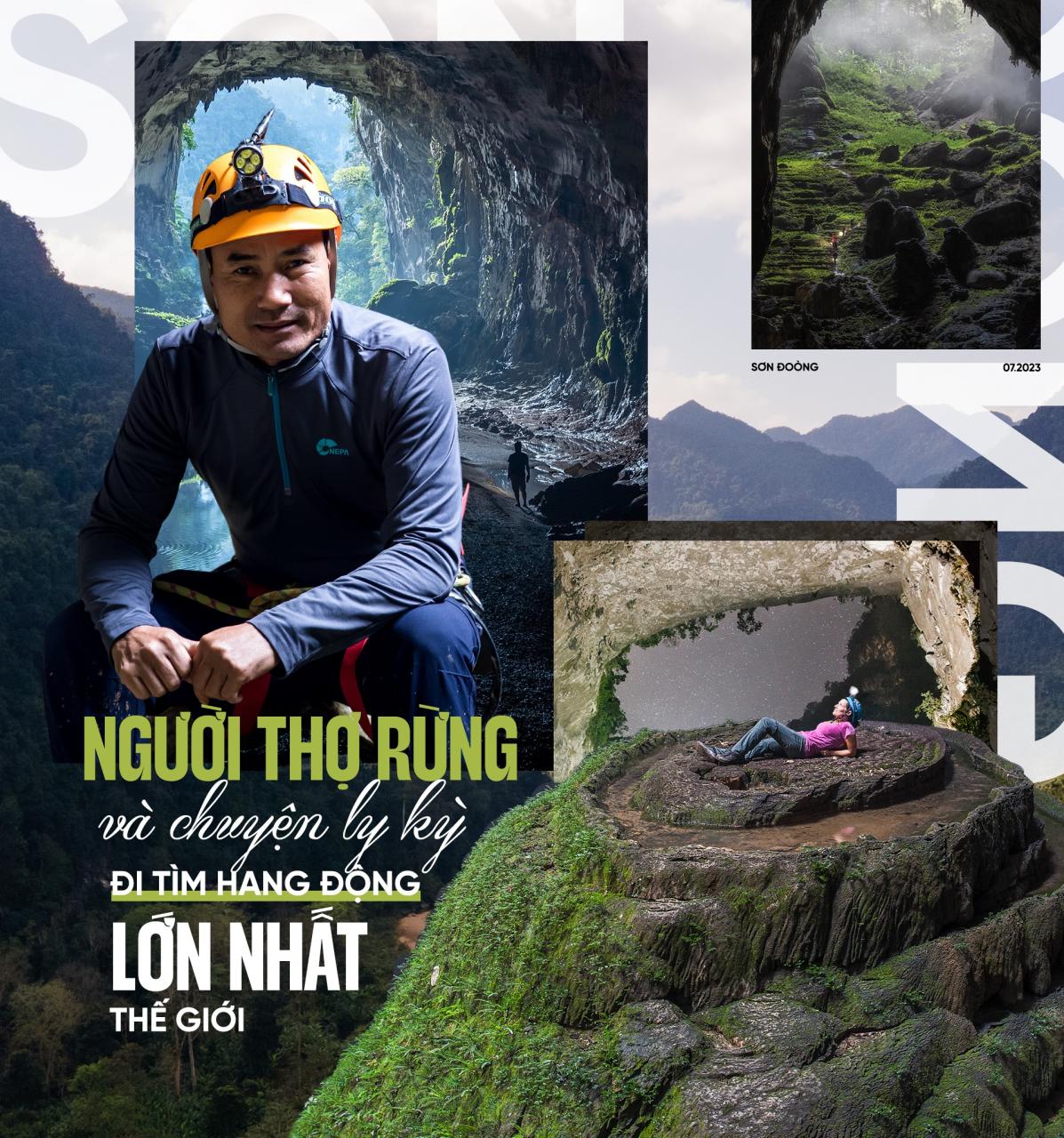
Son Doong Cave is famous worldwide and is an attractive destination for tourists who enjoy exploring nature and adventure travel. Besides the majestic and pristine beauty of the world's largest cave, the story of the person who discovered Son Doong is also extremely fascinating.

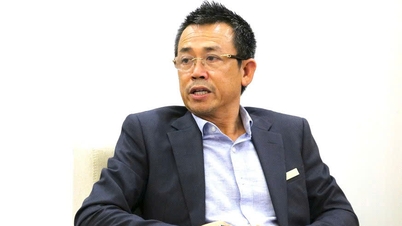
The first person to discover Son Doong Cave was Mr. Ho Khanh (born in 1969), residing in Son Trach commune (now Phong Nha town), Bo Trach district, Quang Binh province. Mr. Khanh used to be a forest worker, but now he owns a tourist facility on the banks of the Son River.
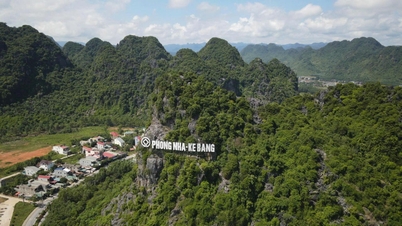
Mr. Khanh lost his father when he was 13 years old. His family was poor and had many siblings, so he only completed the 6th grade. At 18, along with many other young men from that impoverished rural area, Mr. Khanh began venturing into the forest to search for agarwood, wandering throughout the Phong Nha - Ke Bang region to make a living.
According to Mr. Khanh, during long treks through the forest, caves are the most suitable shelters for forest workers, which is why he knows so much about the caves in Phong Nha - Ke Bang.
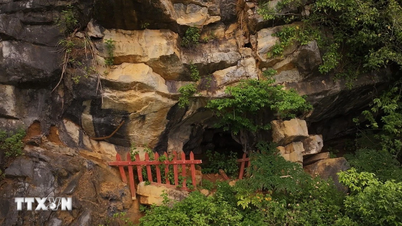
Mr. Khanh's arrival at the world's largest cave was also a matter of chance. During a trip to search for agarwood in late 1990, Mr. Khanh encountered a heavy rainstorm and sought shelter in a cave arch.
"This cave was quite large. I intended to go inside to take shelter from the rain, but when I reached the entrance, I encountered a strong gust of wind blowing continuously from inside, which frightened me. I didn't dare go in and just huddled against the rock wall, waiting for the rain to stop before continuing. This was the first time I had set foot in this cave, and I didn't pay much attention to it, continuing my journey to make a living," Mr. Ho Khanh recalled.
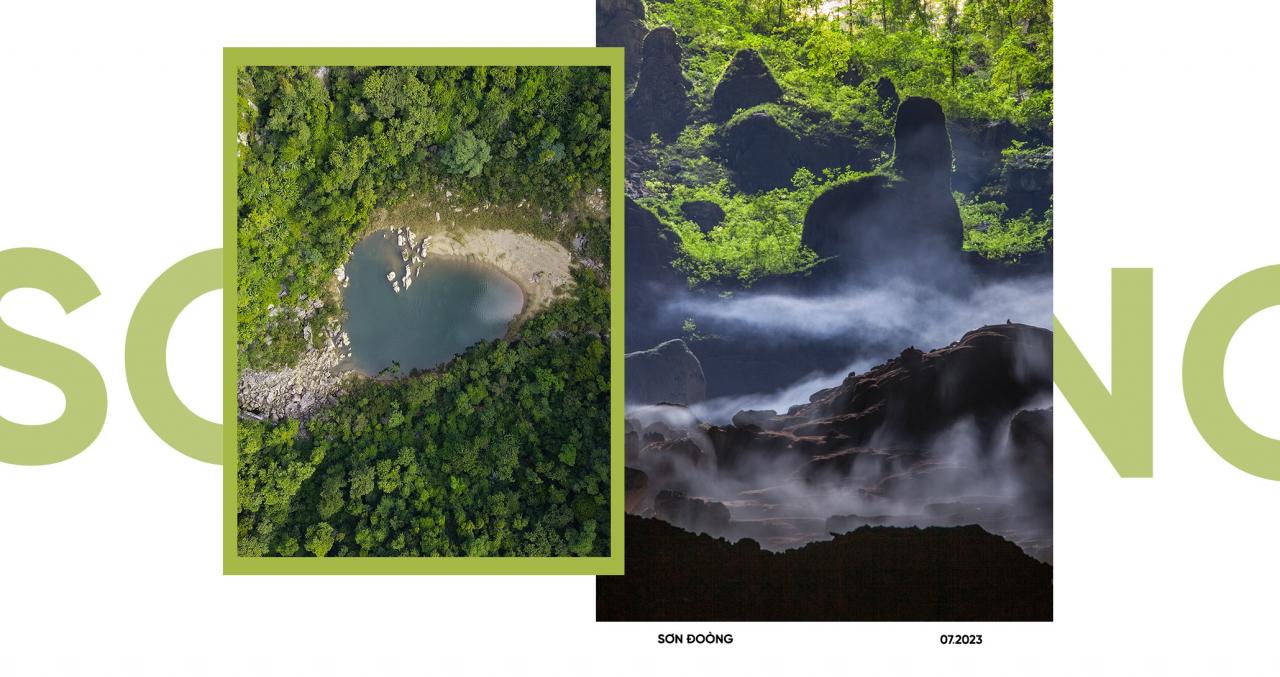
In 1993, when Phong Nha - Ke Bang became a nature reserve, thanks to the government's campaigning and persuasion efforts, many people in Son Trach commune, including Mr. Ho Khanh, gradually abandoned their profession of working in the forest.
However, with their experience in the forest, people like Mr. Khanh are very familiar with and know many mysteries of the Phong Nha - Ke Bang mountains and forests, and thanks to them, they have greatly assisted the exploration and research work of cave experts.
Specifically, the expedition teams of the British Royal Cave Association, who have visited Vietnam many times and conducted expeditions in Phong Nha - Ke Bang, have always relied on Mr. Khanh as their guide.
With the selfless and dedicated help of the local people, including Mr. Khanh, the cave experts have achieved great success, finding and discovering many new caves.
During his time assisting experts, Mr. Khanh mentioned the story of the mysterious cave where he once took shelter from the rain many times. However, amidst the vast mountains and forests, he couldn't remember the exact location of the cave.
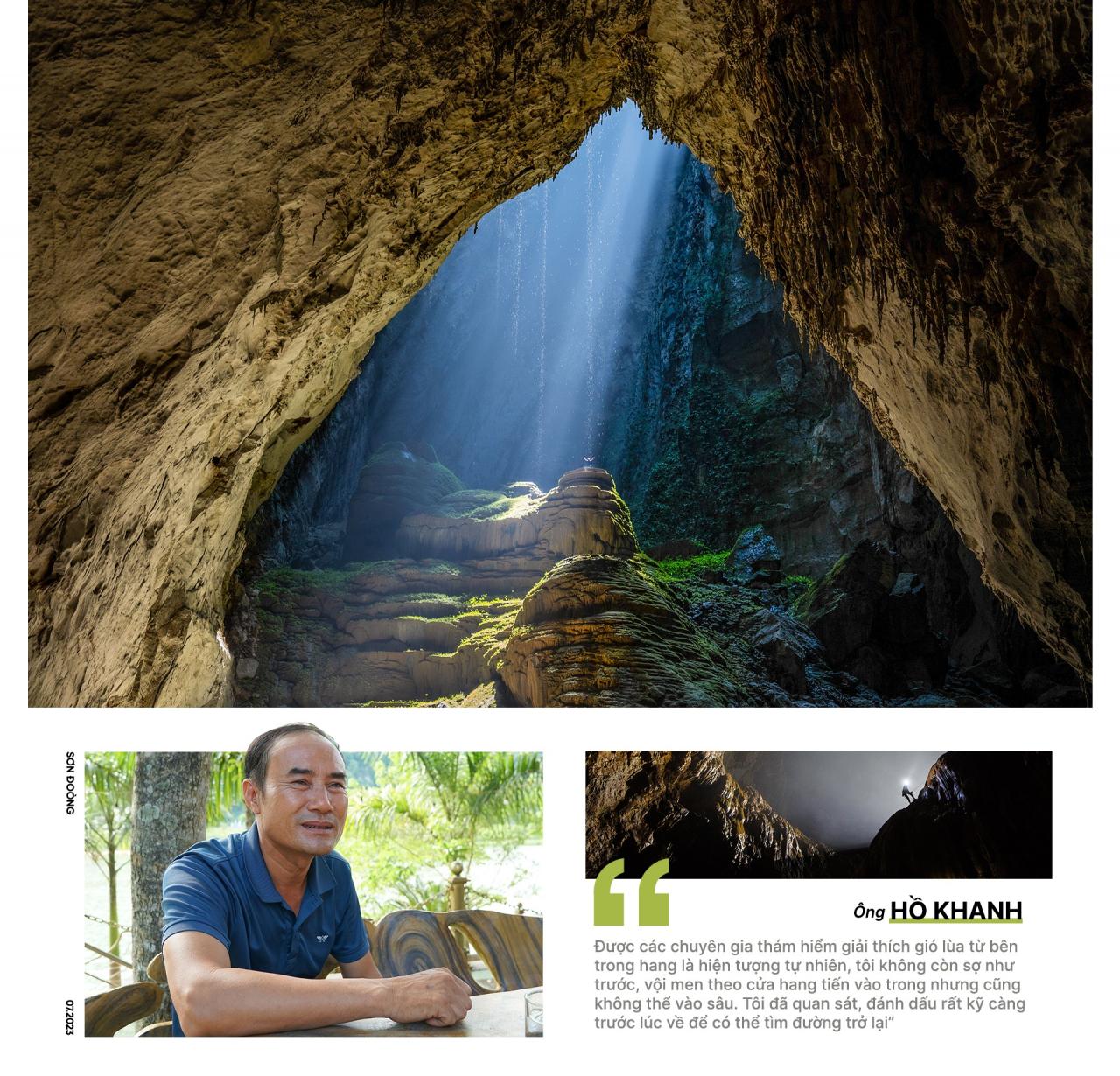
In 2007, an expedition from the British Royal Cave Association conducted a new search in Phong Nha - Ke Bang. Experts, with the support of Mr. Ho Khanh, tried to find the mysterious cave he mentioned, but without success.
At that time, while observing the natural phenomena in the surrounding area, Howard Limbert, the head of the British Royal Cave Association's expedition, confirmed to Mr. Ho Khanh that there must be a large cave in this area.
Before returning home, Howard Limbert urged Ho Khanh to try his best to remember and find the mysterious cave. Trusting him, in mid-2008, Khanh packed his bags and ventured into the forest alone. His efforts paid off after a day and a night of arduous searching deep in the woods; Ho Khanh rediscovered the mysterious cave, his joy overflowing.
"After the exploration experts explained that the wind blowing from inside the cave was a natural phenomenon, I was no longer as scared as before. I quickly followed the cave entrance but couldn't go very deep. I observed and marked the cave very carefully before leaving so I could find my way back," Mr. Ho Khanh said.

In early 2009, when experts from the Royal British Cave Association returned to Vietnam, Mr. Ho Khanh happily shared the news with the cave experts, who were all excited and eager to set off immediately.
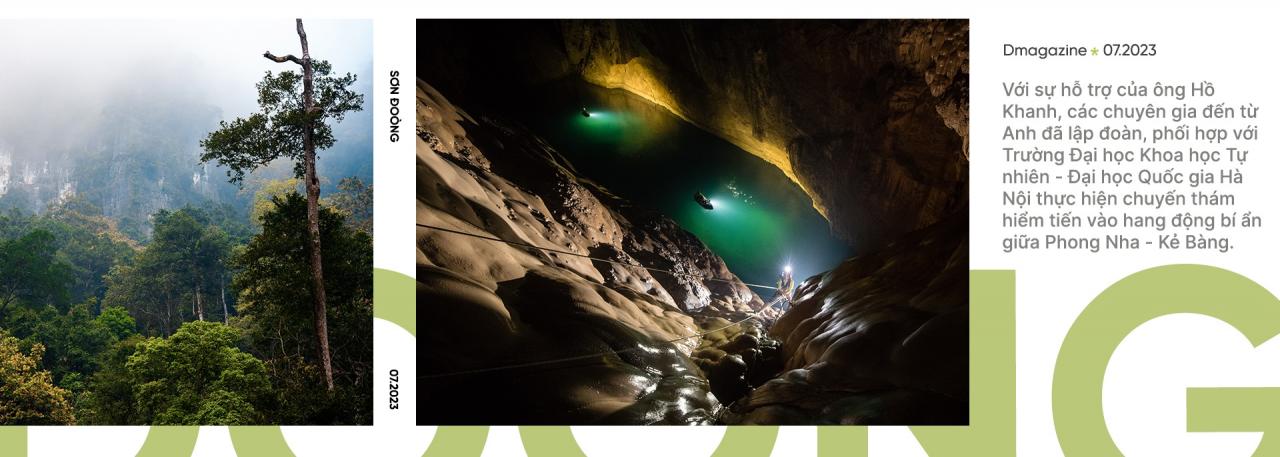
With the support of Mr. Ho Khanh, experts from the UK formed a team and, in coordination with the Faculty of Natural Sciences - Vietnam National University, Hanoi, and the Phong Nha - Ke Bang National Park Management Board, carried out an expedition into the mysterious cave.
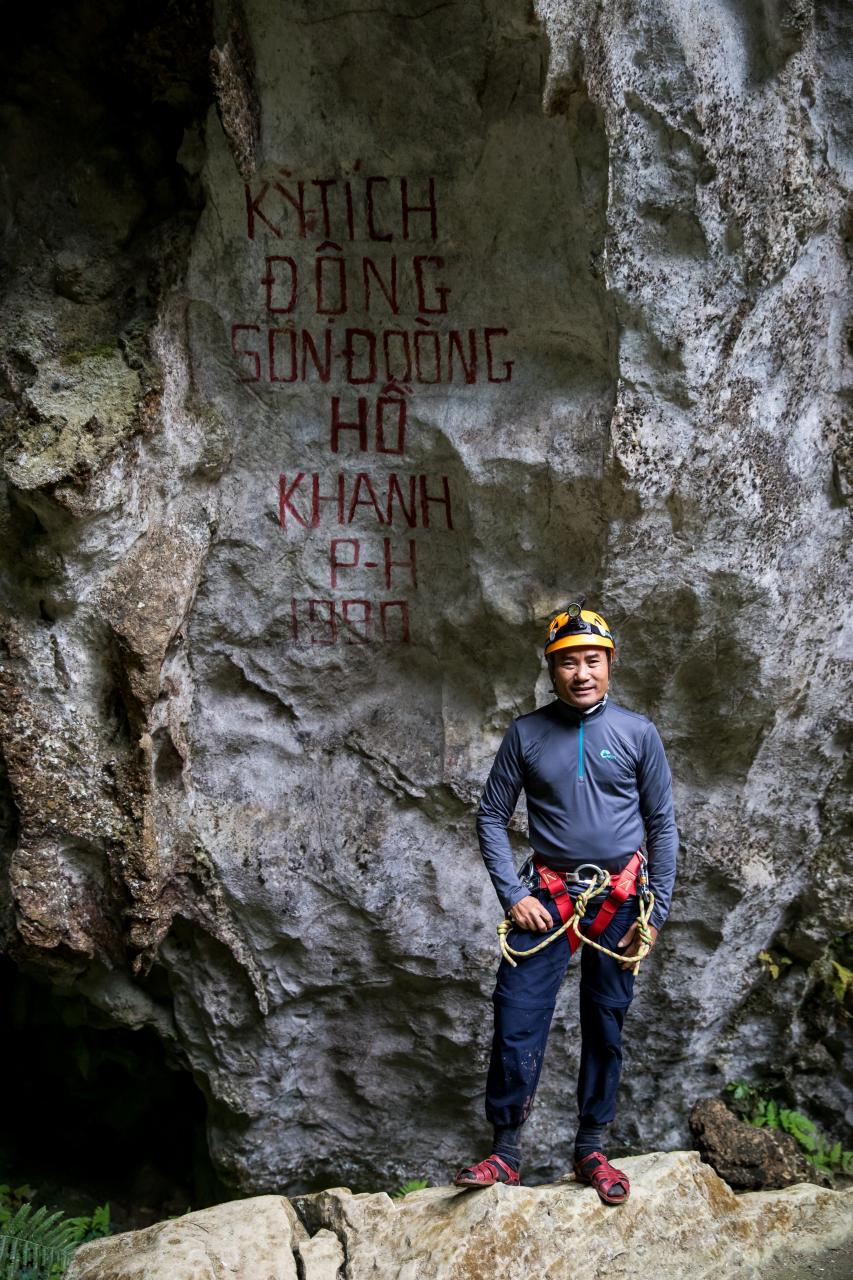
On April 7, 2009, the team entered the cave. This was also the first time Mr. Ho Khanh had ventured deep inside, as there had been no safety equipment beforehand, and the path down to the cave entrance had a steep slope of up to 50 meters.
During this expedition, along with the results of laser measurements, the explorers determined that this was the world's largest natural cave. Mr. Ho Khanh and the members of the expedition team discussed and named the cave Son Doong (Son means mountain, Doong is the name of the valley where the Rao Thuong stream flows through).
April 2009 also marked the first time the discovery of Son Doong Cave was announced to the press in Quang Binh by the British Royal Cave Association expedition team. Mr. Howard Limbert affirmed that Son Doong is the largest cave in the world, with a width of up to 250m and a height of over 150m in some places.
By 2013, adventure tours to explore Son Doong Cave had been launched, and Mr. Ho Khanh became a porter, guiding groups of tourists, film crews, and foreign news agencies to explore the world's largest cave.
Currently, Mr. Ho Khanh is the team leader, managing a porter team of 125 people for a tourism company, all of whom are locals. Each year, he also spends time 1-2 times with expedition teams from the Royal British Cave Association to explore and search for new caves.
For his dedication and contributions to cave exploration within the Phong Nha - Ke Bang National Park World Natural Heritage Site, Mr. Ho Khanh has been awarded Certificates of Commendation twice by the Quang Binh Provincial People's Committee. Notably, he and cave explorer Howard Limbert were awarded the Third-Class Labor Medal by the President of Vietnam.
Howard Limbert, head of the expedition of the Royal British Cave Association, emphasized that from 1990 to the present day, local people like Mr. Ho Khanh have provided a great deal of assistance to cave experts.
Without the help of local people, experts would face many difficulties in exploring and discovering new caves, especially the remarkable discovery of Son Doong Cave by Mr. Ho Khanh.
It is the unwavering enthusiasm and tireless support of the local people that motivates cave experts to continue trekking through forests and streams, overcoming difficulties and dangers to search for new wonders and add value to the Phong Nha - Ke Bang heritage.
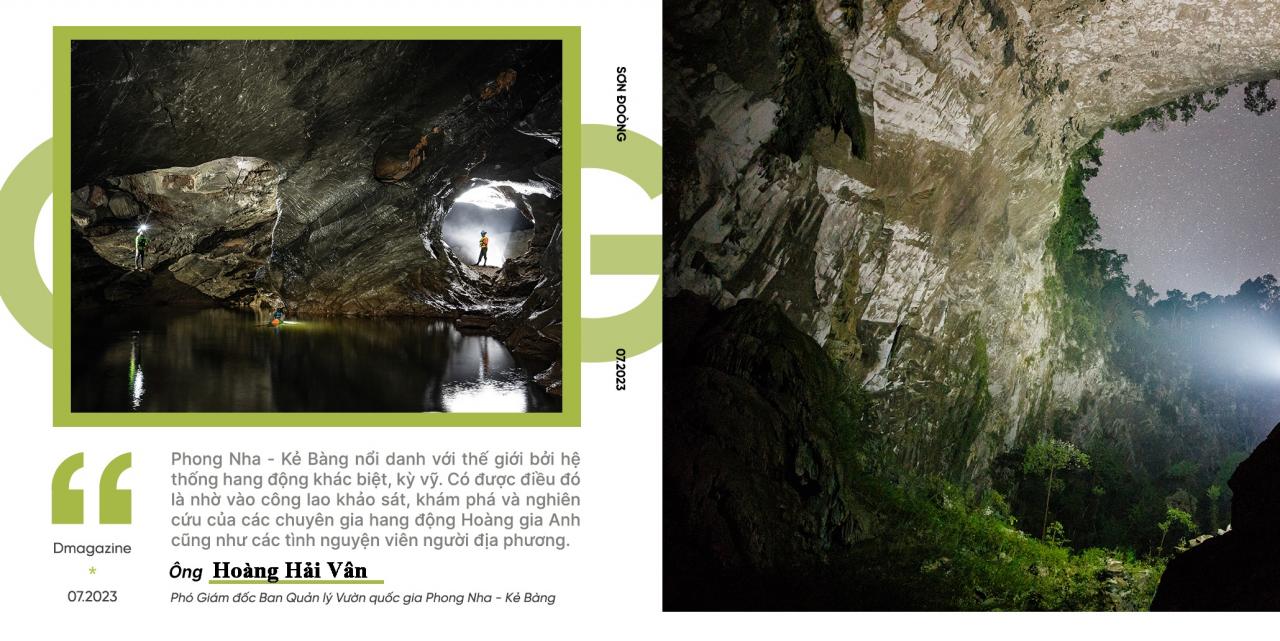
Speaking with a reporter from Dan Tri newspaper , Mr. Hoang Hai Van, Deputy Director of the Phong Nha - Ke Bang National Park Management Board, also stated that the discovery of Son Doong Cave was truly a particularly important event, in which it is impossible not to mention Mr. Ho Khanh, the first person to discover it and who later contributed, along with the Royal British Cave Association and Oxalis Company, to bringing this cave to the world.
"Phong Nha - Ke Bang is world-renowned for its unique cave system. To date, more than 400 caves have been discovered through surveys and explorations. This is a prerequisite for the creation of a series of world-class tourism products such as exploring En Cave, Va Cave, Ho-Over-Pygmy Cave, Kong Sinkhole, etc., especially the 'Conquering Son Doong Cave,' the world's largest cave," Mr. Van emphasized.
Content: Tien Thanh
Photo: Oxalis
Design: Do Diep
Dantri.com.vn
source![[Photo] Prime Minister Pham Minh Chinh presides over a meeting on private sector economic development.](/_next/image?url=https%3A%2F%2Fvphoto.vietnam.vn%2Fthumb%2F1200x675%2Fvietnam%2Fresource%2FIMAGE%2F2025%2F12%2F20%2F1766237501876_thiet-ke-chua-co-ten-40-png.webp&w=3840&q=75)





































































Comment (0)