

I've had diabetes for three years and take my medication regularly. During family gatherings on holidays, can I have a few drinks? (Hong Dang, 35 years old)
Reply:
Springtime celebrations bring a sense of togetherness and joy to families. However, drinking alcohol, and alcoholic beverages in general, is not good for people with diabetes.
Alcohol can affect the effectiveness of diabetes medications (such as insulin and oral hypoglycemic drugs), negatively impacting disease management plans, causing abnormally high or low blood sugar levels leading to dangerous complications.
Patients who drink alcohol for a long time, coupled with an unhealthy and uncontrolled diet, excess calories, and failure to take medication as prescribed by their doctor, may experience increased blood sugar levels. Conversely, diabetics who abuse alcohol but do not eat adequately, especially with prolonged malnutrition, may experience severe hypoglycemia.
Alcoholic beverages also damage the liver – the body's main organ responsible for detoxification and energy storage. When blood sugar levels are low, glycogen stored in the liver is broken down into glucose and releases energy. A liver damaged by alcohol abuse cannot perform its task of supplying glucose to the body when hypoglycemia occurs, leading to more severe complications.
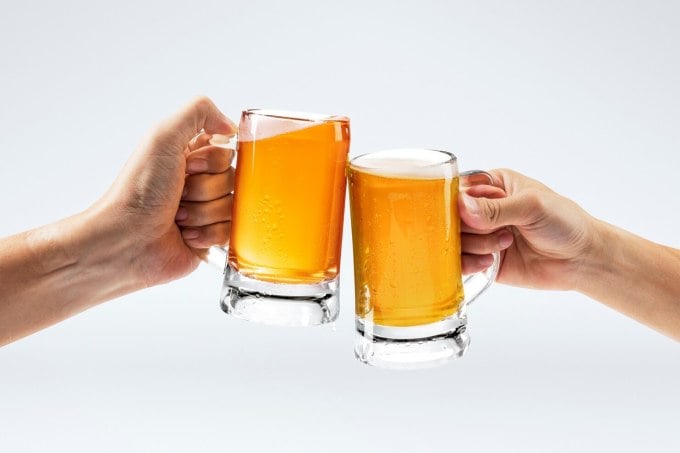
Alcohol affects blood sugar levels. Photo: Freepik
In some cases, alcohol causes an accumulation of acidic substances in the blood (also known as acidosis), which can be life-threatening. Drinking too much of this beverage also worsens complications associated with diabetes, such as dyslipidemia, hypertension, nerve damage, and diabetic retinopathy.
Alcohol intoxication and hypoglycemia share similar symptoms such as palpitations, sweating, dizziness, blurred vision, double vision, behavioral disturbances, coma, seizures... if not detected promptly, they can be dangerous to health.
To maintain good health, patients should avoid alcoholic beverages. If they must drink alcohol, they should closely monitor their blood sugar levels before and after to ensure they remain within safe limits.
Avoid drinking on an empty stomach to minimize the negative effects of alcohol on the body and reduce the risk of hypoglycemia. Avoid drinking alcohol while engaging in activities like running or jumping, as this can easily lead to hypoglycemia.
Master of Science, Doctor Tran Dinh Manh Long
Department of Endocrinology and Diabetes, Tam Anh General Hospital, Ho Chi Minh City
| Readers can ask questions about endocrine diseases here for doctors to answer. |
Source link

![[Image] Nearly 125,000 Hanoi students completed the Literature exam for the 10th grade entrance exam.](https://vphoto.vietnam.vn/thumb/1200x675/vietnam/resource/IMAGE/2026/05/30/1780117233041_ndo_br_thiet-ke-chua-co-ten-2-png.webp)















![[Video] Over 5,700 establishments found in violation, fined over 22.4 billion VND during peak month of food safety inspection.](https://vphoto.vietnam.vn/thumb/402x226/vietnam/resource/IMAGE/2026/05/30/1780130426976_dung00-12-11-08still005-png.webp)




















































































Comment (0)