

 |
Japan is gradually falling into a banana shortage crisis due to the impact of the conflict in the Middle East. Photo: Japan Times . |
The closure of the Strait of Hormuz is causing a shortage of ethylene gas—a crucial ingredient for ripening bananas in Japan—bringing the country closer to a potential shortage of one of its most popular fruits.
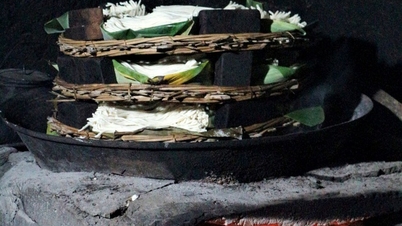
The reason lies in the specifics of the banana import industry. Japan imports bananas while they are still green, then stores them in specialized rooms filled with ethylene gas to stimulate ripening before distributing them to supermarkets and retail stores.
However, the supply of this naphtha-derived gas is dwindling in an economy that relies on imports for more than 90% of its crude oil needs.
The "ripe banana" crisis
Last year, Japan imported approximately 1 million tons of bananas, making this tropical fruit one of the essential food items for households. However, naphtha inventories have fallen by about 25% since the beginning of this year, amid the continued closure of the Strait of Hormuz disrupting about 20% of global oil supplies.
Eiji Akashi, Secretary-General of the Japan Banana Importers Association, said this is the most serious supply crisis in the past 50 years.
"Prices may rise, but we are doing everything we can to avoid shortages," said Akashi. "The entire banana industry is making every effort to maintain a stable supply for the market."
According to Mr. Akashi, bananas are still being delivered to stores as usual, and some importing companies have secured enough ethylene gas for the next two to three months. However, retailers are facing increasing pressure as they have to bear additional costs related to the petrochemical industry, such as fuel, packaging, and transportation.
According to Japanese government figures, the average household spent approximately 5,200 yen ( US$33 ) on bananas in 2025. Retail prices for bananas in Tokyo rose 4.4% last year and were more than 30% higher than in 2022.
Experts say that bananas, after harvesting, must be treated with ethylene gas to ripen and achieve their natural sweetness. Without this gas, the fruit will not ripen and will eventually spoil. Some other fruits, such as avocados and kiwis, also use ethylene in the ripening process, but in much lower amounts.
Farmind Corporation, a company that processes about 30% of Japan's imported bananas, said the banana industry is the sector most severely affected by the current ethylene shortage.
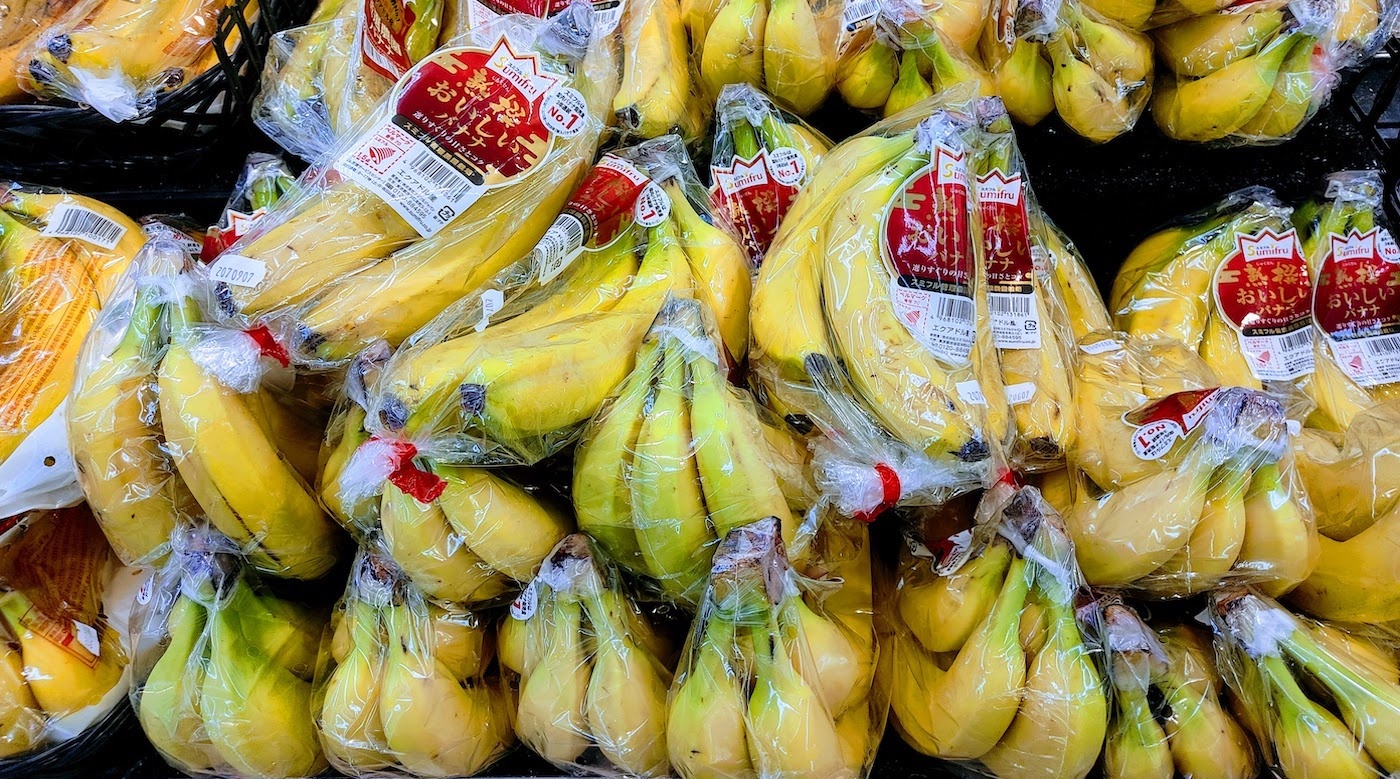 |
The sharp drop in ethylene supply due to disruptions in global oil shipments has led the Japanese banana industry to warn of potential future shortages. Photo: Get Hiroshima. |
Chain effect
It's not just the fruit industry that's affected. The naphtha shortage is spreading to many other manufacturing sectors in Japan. Food company Calbee recently announced it will switch to black and white packaging for its potato chips and some other products due to a declining supply of printing ink – which uses naphtha-derived synthetic resins.
Experts believe Japan is particularly vulnerable to this shock because it has virtually no domestic oil and gas resources and also lacks international pipelines that could reduce its reliance on sea transport.
The blockade of the Strait of Hormuz triggered a ripple effect on Japan's highly specialized petrochemical supply chain, transforming a geopolitical crisis thousands of kilometers away into a direct threat to everyday consumer goods.
Amid growing concerns, the Japanese government has sought to reassure citizens and businesses. Prime Minister Sanae Takaichi affirmed that current naphtha supplies remain sufficient to meet domestic demand until next year.
However, businesses in the fruit industry have begun looking for alternatives. Catalytic Generators, a US company specializing in manufacturing equipment that generates ethylene gas from corn and other biofuels instead of petrochemical sources, has begun exporting its equipment to Japan to support businesses struggling to access this gas supply.
The company is currently also seeking distribution partners in the Japanese market.
Meanwhile, Farmind warned that its ethylene reserves were rapidly dwindling and the company was forced to seek new suppliers both domestically and internationally. According to company representatives, some related costs have increased nearly tenfold compared to before.
"If this situation continues, bananas may disappear from Japanese dinner tables," spokesperson Farmind warned.
Source: https://znews.vn/nhat-ban-khan-hiem-chuoi-post1656233.html
![[Image] Affirming the aspirations and new standards of the Vietnamese real estate market in the new era.](https://vphoto.vietnam.vn/thumb/1200x675/vietnam/resource/IMAGE/2026/06/03/1780441948766_giai-thuong-bat-dong-san-2026-minh-duy-6-7364-jpg.webp)

![[Photo] General Secretary and President To Lam presides over a meeting on preparations for the review of one year of operation of the three-tiered government system.](https://vphoto.vietnam.vn/thumb/1200x675/vietnam/resource/IMAGE/2026/06/02/1780391821195_a1-bnd-4595-9717-jpg.webp)



















































































Comment (0)