

Guava orchard using advanced technology
In Au Lau ward, Lao Cai province, the model of organic guava cultivation combined with electronic logbooks implemented by the Yen Bai Agricultural and Forestry Products Trading and Processing Cooperative is showing positive results.
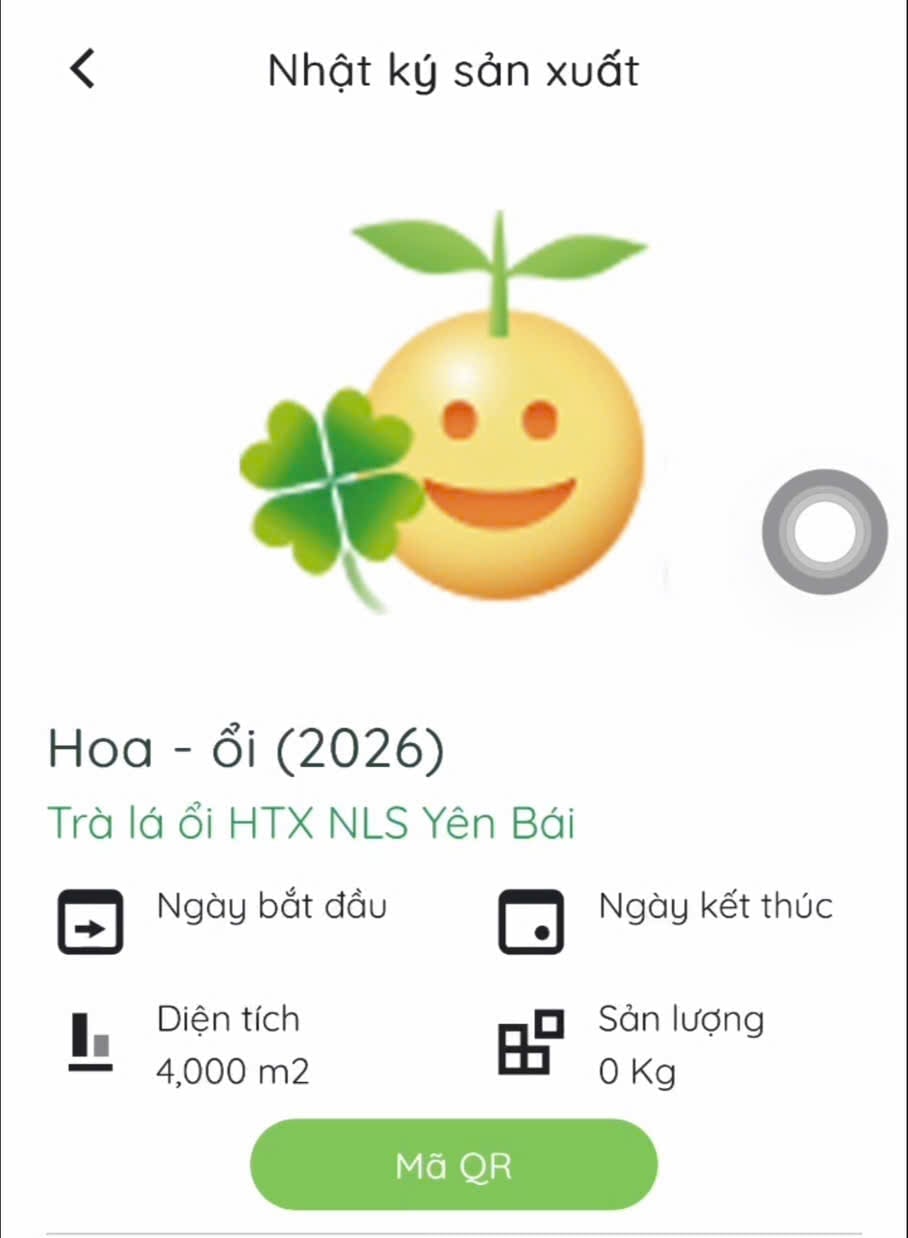
The model of organic guava cultivation combined with electronic logbooks implemented by the Yen Bai Agricultural and Forestry Products Trading and Processing Cooperative is showing positive results. Photo: Provided by the cooperative.
Amidst the newly planted guava trees that are just beginning to take root, Ms. Nguyen Thi Hoa, Director of the Yen Bai Agricultural and Forestry Products Trading and Processing Cooperative, is inspecting the trees while simultaneously using the FAEFARM application on her phone to introduce the cooperative's production management process.
With just a few simple steps, all the information related to the plant care process is fully displayed on the phone screen, from planting date, type of fertilizer used, care schedule to harvest time. The application also integrates many features such as weather forecasts, pesticide information lookup, and product distribution connections.
According to Ms. Hoa, previously, production logs were mainly recorded in notebooks, making it easy to lose or miss information. Now, all data is updated directly on mobile phones, making it easier for producers to manage and facilitating product inspection and traceability.
“The electronic log helps us manage the entire process of planting and caring for the plants. What fertilizer to use, how to care for them, and the quarantine period are all clearly recorded. The system also reminds us of the care schedule and harvest time, so it's very convenient,” Ms. Hoa shared.

The entire guava orchard is cared for according to strict technical procedures. The cooperative prioritizes the use of chicken manure, bio-fertilizers, and biological preparations. Photo: Thanh Nga.
The application of digital technology not only helps cooperatives manage production more systematically but also meets the increasingly high demands of the market for OCOP products, organic agricultural products, and goods sold in supermarkets and food stores. Through the software, the entire history of crop care is stored transparently, contributing to improved traceability of agricultural products.
Organic farming is linked to environmental protection.
Currently, on an area of approximately 1 hectare, the Yen Bai Agricultural and Forestry Products Trading and Processing Cooperative is cultivating over 600 guava trees using organic farming methods. Of these, 400 trees were invested in by the Cooperative itself, while the remaining 200 trees were supported by the forest and farm development program through the Provincial Farmers' Association, following a green, circular, and climate change-adaptive production model.
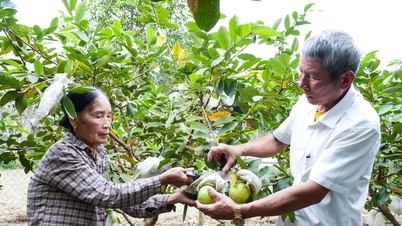
The entire guava orchard is cared for according to strict technical procedures. Instead of using chemical fertilizers and pesticides, the cooperative prioritizes the use of chicken manure, bio-fertilizers, and biological preparations to improve soil and protect the plants.

Under the guava trees, the cooperative is cultivating land to grow stevia and houttuynia cordata to use as raw materials for processing. Photo: Thanh Nga.
In addition, the electronic logbook software also supports searching for information on pesticides, helping people easily check which pesticides are permitted for use, dosages, and withdrawal periods. This is an important factor in the context of increasingly strict requirements for controlling agricultural product residues.
The application also integrates weather forecasts with information on temperature, rainfall, and humidity, helping producers be more proactive in scheduling fertilization, care, and harvesting. As a result, people can minimize weather-related risks and improve production efficiency.
Beyond simply managing production, the cooperative is gradually transforming its farming mindset towards green agriculture . Every stage of production aims to minimize environmental impact, protect the ecosystem, and create safe products for consumers.
One of the highlights of the model is the preservation of the natural ecosystem in the guava orchard. The cooperative does not use herbicides but retains the undergrowth beneath the trees to retain soil moisture, limit erosion, and create an environment for beneficial microorganisms to thrive.

The guava trees are growing and developing well. Photo: Thanh Nga.
Under the guava trees, the cooperative grows stevia and Houttuynia cordata to use as raw materials for product processing. This method not only makes efficient use of land but also increases income from the same cultivated area.
In pest control, the cooperative prioritizes the application of natural methods instead of chemical pesticides. Pest control is achieved through the use of natural enemies to maintain ecological balance and minimize environmental impact.
“The cooperative uses organic farming methods, not chemical pesticides but biological preparations to care for the plants. No herbicides are used, and the underlying vegetation is maintained. Every ecosystem here must be in balance,” said Ms. Nguyen Thi Hoa.
To conserve water and reduce labor costs, the cooperative invested in a modern irrigation system. The system is capable of irrigating large areas in a short time while still ensuring the appropriate amount of water for optimal guava tree growth. As a result, water usage is significantly reduced, and losses during irrigation are minimized.
According to the cooperative's assessment, the model of organic guava cultivation combined with electronic logbooks is yielding many positive results. Farmers are more proactive in production management, reducing input costs, and better meeting the requirements for traceability and quality of agricultural products.

Instead of using chemical fertilizers, the cooperative prioritizes the use of chicken manure, bio-fertilizers, and biological preparations to improve soil and protect crops. Photo: Thanh Nga.
Today's consumers are increasingly interested in clean food and products with clear origins. Therefore, combining organic production with digital technology is considered a suitable direction for modern agriculture. Not only does this model create safe agricultural products, but it also contributes to environmental protection, moving towards green and sustainable agriculture. In the future, if the model proves to be consistently effective, the Cooperative will continue to expand it.
Source: https://nongnghiepmoitruong.vn/nhat-ky-dien-tu-vao-vuon-oi-huu-co-d810099.html


![[Photo] General Secretary and President To Lam presides over the meeting to approve the draft report on the results of the second inspection by the Politburo of the Standing Committee of the Hanoi City Party Committee.](https://vphoto.vietnam.vn/thumb/1200x675/vietnam/resource/IMAGE/2026/05/26/1779789811432_a2-bnd-4430-9620-jpg.webp)































































Comment (0)