

Training is not closely aligned with needs.
According to Nguyen Ngoc Vu, Director of the University of Da Nang , the University of Da Nang prioritizes the quality of education and always keeps pace with market demands.
The university has reformed its governance and improved the efficiency of regional university management to leverage the combined strengths of its member institutions. However, training has not yet truly aligned with the economic development strategy and the economic restructuring process of the localities in the region.
The objective reasons are that the industrial base of these localities is still small, the demand for high-quality human resources is not yet high, and the need for technological innovation is not yet urgent.
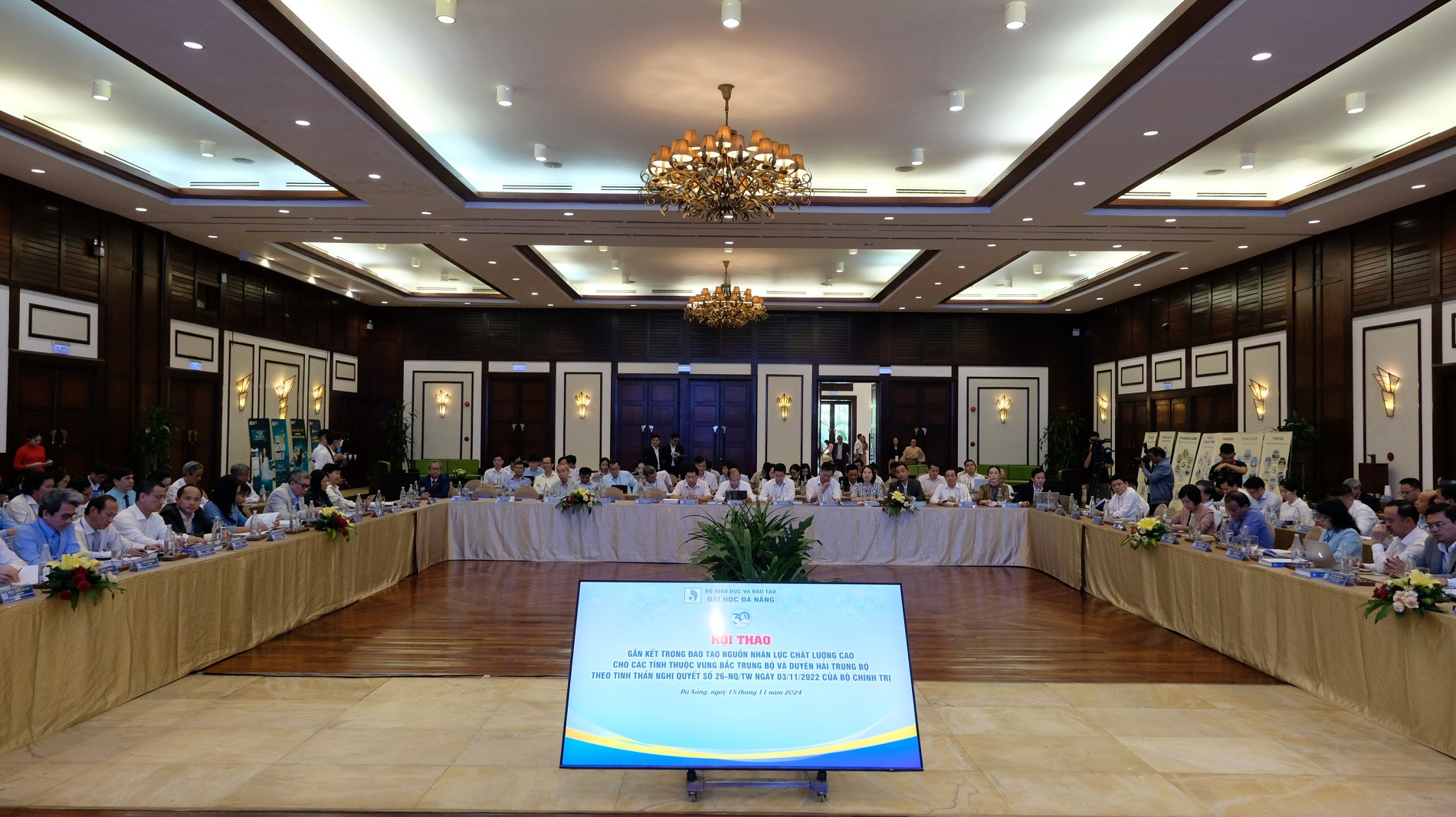
At the seminar, Professor Bui Van Ga, former Deputy Minister of Education and Training, pointed out the current situation where the development of training programs at universities depends too much on student enrollment, and they are not proactive in training in fields that they believe society will need.
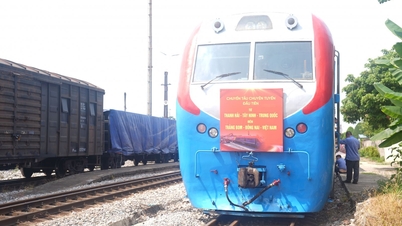
For example, the high-speed rail industry needs engineers specializing in locomotives, carriages, and tracks, but the construction industry in general, and the bridge and road construction industry in particular, has struggled to recruit students in recent years. When there are insufficient enrollment, it's difficult to sustain training programs. Furthermore, predicting training programs in the current context is very difficult; a profession that is "hot" now may not exist in 5-7 years.
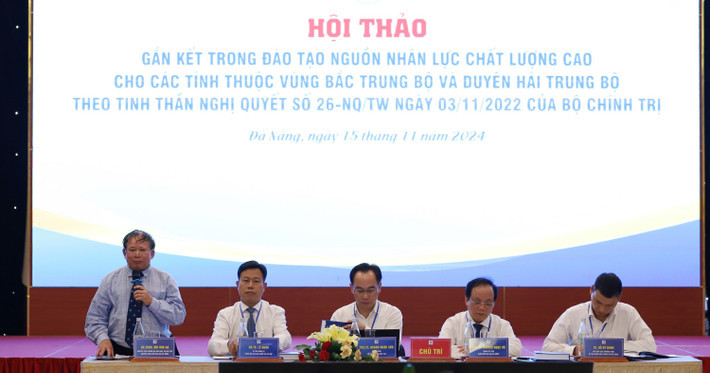
"Therefore, the regional linkage strategy must leverage all the potential and strengths of the region to serve the development of the marine economy, industry, agriculture , and services; it must have mechanisms and policies to develop priority key industries of the region, and venture capital policies to develop new industries and services...", Professor Bui Van Ga proposed.
Central Vietnam needs a large-scale training and scientific research facility.
Professor Le Quan, Director of Hanoi National University, believes that human resource development in the Central Key Economic Region should focus on improving quality and meeting modern development requirements; and should be implemented at the regional level rather than the provincial level.
“It is necessary to specialize higher and postgraduate education for regional universities, as high-quality human resources can easily move between localities to participate in economic activities. Incentive policies should also aim to attract outstanding scientists and international technology experts to work long-term in the region, focusing on investing in upgrading the quality of the living environment and increasing income,” Professor Le Quan suggested.

According to Nguyen Thu Thuy, Director of the Department of Higher Education (Ministry of Education and Training), higher education institutions need to proactively plan to strengthen the capacity of their teaching staff, invest in facilities to meet the conditions for ensuring educational quality, and proactively plan training strategies and scales that are consistent with the development orientation of the region and the whole country.
According to Professor Ga, the central region urgently needs a large training and scientific research institution like the National University. The economy can only thrive in areas with the advantage of high-quality human resources and an abundant labor force.
Source: https://vietnamnet.vn/nhieu-nganh-can-nhan-luc-tuyen-sinh-rat-chat-vat-2342494.html
![[Photo] Secretary of the National Assembly Party Committee, Chairman of the National Assembly presides over the meeting of the Standing Committee and Executive Committee of the National Assembly Party Committee.](https://vphoto.vietnam.vn/thumb/1200x675/vietnam/resource/IMAGE/2026/06/03/1780480353201_ndo_br_bnd-2585-jpg.webp)
![[Photo] General Secretary and President To Lam presides over a meeting with the Central Organizing Committee.](https://vphoto.vietnam.vn/thumb/1200x675/vietnam/resource/IMAGE/2026/06/03/1780482764658_a1-bnd-4741-3342-jpg.webp)
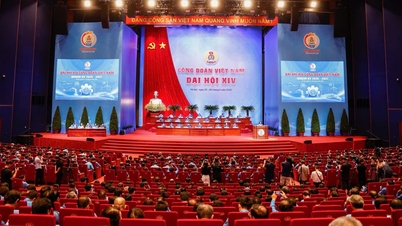
![[Photo] First session of the 14th Congress of the Vietnam Trade Union](https://vphoto.vietnam.vn/thumb/1200x675/vietnam/resource/IMAGE/2026/06/03/1780465947883_ndo_br_img-3852-jpg.webp)











































![[Video] Sunset at Lap An Lagoon – Where the sun sets over the fishing nets](https://vphoto.vietnam.vn/thumb/1200x675/vietnam/resource/IMAGE/2026/05/31/1780192137701_beach-landscape-sea-water-nature-grass-745871-pxhere-com.jpeg)




























Comment (0)