

In this article, we'll explore five key features that HyperOS will bring to Xiaomi devices after the update.
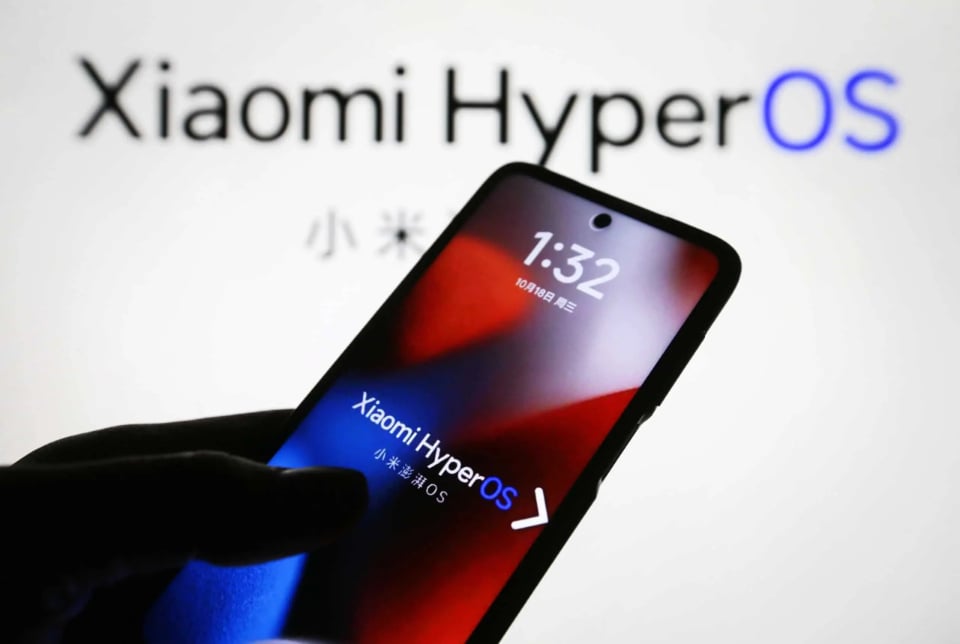
Xiaomi is gradually rolling out HyperOS to its compatible devices.
GIZMOCHINA SCREENSHOT
Focus on the ecosystem.
HyperOS emerged with a complete focus on the Xiaomi ecosystem. The Chinese brand aimed to develop a unified system encompassing all devices in its vast catalog, including smartphones, tablets, laptops, smartwatches, smart bands, lighting, home appliances, and more.
Lighter, longer battery life.
One major difference between MIUI and HyperOS is the amount of space they occupy on a device. MIUI requires 12.53 GB while HyperOS only needs 9.14 GB, showing a reasonable improvement. On the other hand, HyperOS also brings improvements to the central system. This means devices will offer longer battery life.
However, note that this extra battery life only comes after a few days, not immediately after installing HyperOS. Initially, the operating system will perform heavy workloads in the background and consume more power, but then users can enjoy longer battery life on their devices.
Similar features to Dynamic Island
Xiaomi has followed in Apple's footsteps and integrated a new feature similar to Dynamic Island on recent iPhone models. Although this function doesn't have an official name, it's called Dynamic Notch. The area surrounding the notch will display some information, such as charging speed and battery percentage, information about whether a mobile hotspot is enabled, or when the device is in silent mode. This feature is expected to be improved in the near future.
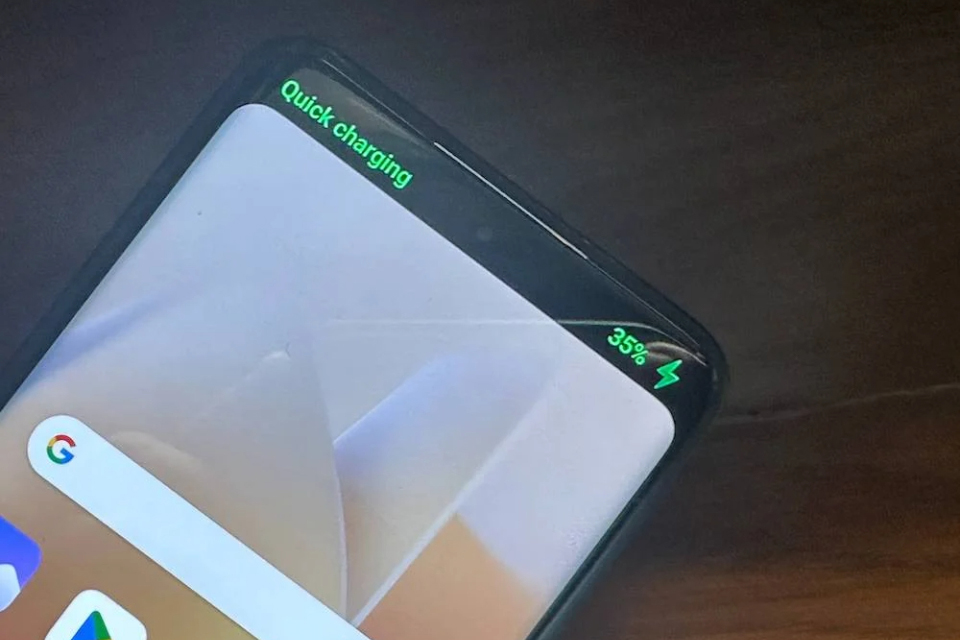
HyperOS offers a Dynamic Notch similar to Apple's Dynamic Island.
Remove bloatware easily.
One of the biggest user complaints is the amount of pre-installed software (bloatware) on MIUI. While there are ways to remove unnecessary items, the procedures available in this interface are quite complicated for the average user.
For its part, HyperOS makes it easy for users to remove all bloatware. Deleting unnecessary apps not only saves storage space but also frees up resources that can optimize device performance.
Minimalist Control Center
HyperOS also brings some changes to the Control Center on the device. One new feature is that the icons are now larger and only display on a swipeable screen. With the new platform, users are also provided with a new widget in the Control Center for music playback.
Source link
![[Image] Pleasant weather helps students enter the 10th grade entrance exam with confidence.](https://vphoto.vietnam.vn/thumb/1200x675/vietnam/resource/IMAGE/2026/05/29/1780034401612_ngay-1-thi-lop-10-minh-duy-8-5009-jpg.webp)




![[Photo] Ba Lang An Lighthouse - the "eye of the sea" amidst the "rock museum" of Quang Ngai province.](https://vphoto.vietnam.vn/thumb/1200x675/vietnam/resource/IMAGE/2026/05/29/1780038698840_anh-man-hinh-2026-05-29-luc-14-10-42.png)


























































































Comment (0)