

Taking too many over-the-counter painkillers, smoking, drinking alcohol, and eating a salty diet can affect kidney function, increasing the risk of kidney damage and failure.
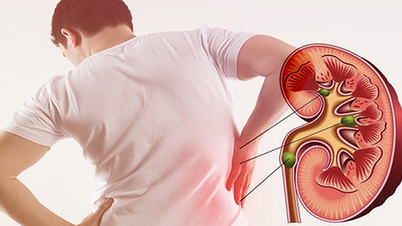
The kidneys' primary function is to cleanse the blood of toxins and convert waste products into urine. When the kidneys don't function properly, harmful toxins and excess fluid can accumulate in the body, leading to kidney failure. Warning signs include high blood pressure, persistent fatigue, persistent headaches, swelling of the face and ankles, and lower back pain. Below are some habits that harm the kidneys.
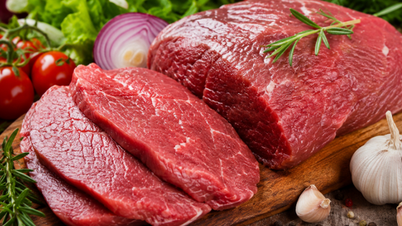
Eat plenty of protein.
Protein is essential for growth and repairing body parts. However, consuming large amounts of animal protein creates high levels of acid in the blood, which can harm the kidneys and cause acidosis—a condition where the kidneys cannot remove acid quickly enough. Therefore, everyone should eat a balanced diet and include plenty of fruits and vegetables daily.
Caffeine abuse
Caffeine is found in coffee, tea, and soda. Drinking large quantities of these beverages daily can harm the kidneys because caffeine is a stimulant that increases blood flow and blood pressure. Furthermore, it has a diuretic effect, leading to dehydration.
Drinking alcohol, beer
Regularly drinking large amounts of alcohol (more than 4 drinks per day) doubles the risk of developing chronic kidney disease. Heavy drinkers and smokers are at even higher risk of kidney problems. Specifically, the risk of developing chronic kidney disease is five times higher compared to people who do not smoke or drink excessively.

Drinking too much alcohol affects kidney function and increases the risk of kidney failure. (Image: Freepik)
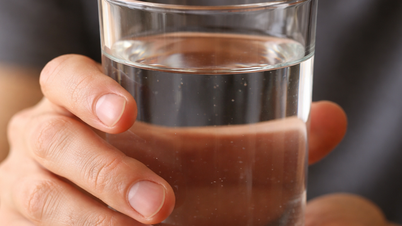
Drink too little water.
Drinking enough water helps the kidneys remove sodium and toxins from the body. Drinking plenty of water is also one of the best ways to prevent kidney stone formation. People with kidney problems or kidney failure should limit their water intake as directed by their doctor, but most people should drink 1.5-2 liters of water per day.
Lack of sleep
During sleep, the kidneys regenerate damaged tissues, and poor sleep-wake cycles can affect this organ, causing increased blood pressure and atherosclerosis, which in turn reduces blood flow to the kidneys. Everyone should get enough sleep and practice good sleep hygiene, including limiting screen time before bed.
Salty food
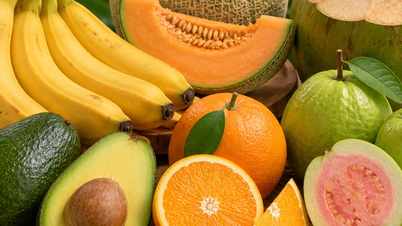
Eating too much salt is harmful to the kidneys because it not only creates a lot of sodium but also raises blood pressure. Processed foods also contain a lot of sodium and phosphorus. Everyone should choose fresh, low-sodium foods such as broccoli, blueberries, seafood, and healthy grains.
I like sweets.
Foods high in sugar contribute to an increased risk of high blood pressure and diabetes, two of the leading causes of kidney disease. To protect your kidneys, everyone should try to reduce their sugar intake. Avoid regularly consuming cookies, condiments, cereals, and white bread, as they all contain sugar.
Overtraining
Regular physical activity improves blood pressure and metabolism, which is good for the kidneys. However, excessive exercise over a long period can cause rhabdomyolysis. This condition releases substances into the bloodstream too quickly for the kidneys to process, leading to kidney failure.
It is best for exercisers to consult with a doctor or fitness trainer before gradually increasing intensity. Avoid suddenly increasing physical activity and refrain from exercising in areas with high temperatures and humidity.
Self-medicating with painkillers
Over-the-counter pain relievers such as NSAIDs (non-steroidal anti-inflammatory drugs) and painkillers can reduce pain, but they can be harmful to the kidneys, especially for those with pre-existing kidney disease. People with persistent pain who need more than the recommended amount of over-the-counter medication should see a doctor for pain management.
Huyen My (According to Boldsky, Kidney.org )
| Readers can submit their questions about urinary tract diseases here for doctors to answer. |
Source link


![[Image] Pleasant weather helps students enter the 10th grade entrance exam with confidence.](https://vphoto.vietnam.vn/thumb/1200x675/vietnam/resource/IMAGE/2026/05/29/1780034401612_ngay-1-thi-lop-10-minh-duy-8-5009-jpg.webp)
![[Photo] Ba Lang An Lighthouse - the "eye of the sea" amidst the "rock museum" of Quang Ngai province.](https://vphoto.vietnam.vn/thumb/1200x675/vietnam/resource/IMAGE/2026/05/29/1780038698840_anh-man-hinh-2026-05-29-luc-14-10-42.png)





























































































Comment (0)