

On the morning of November 22nd, the National Assembly discussed the draft amendments to the Law on Special Consumption Tax.
The government proposes adding soft drinks meeting Vietnamese standards with a sugar content exceeding 5g/100ml to the list of goods subject to excise tax at a rate of 10%.
The majority of opinions within the Finance and Budget Committee agreed with adding this product to the list of goods subject to excise tax; however, some opinions suggested further consideration.
The sugar content and corresponding tax rates need to be clearly defined.
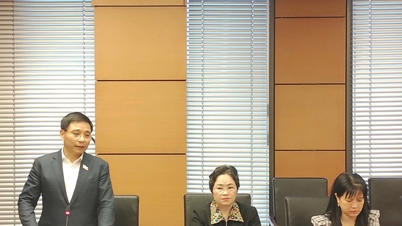
Representative Tran Thi Nhi Ha ( Hanoi ) stated that a 350ml bottle of energy drink on the market contains 64.5 grams of sugar. Meanwhile, according to the nutritional pyramid, the recommended daily sugar intake for adults should be less than 25 grams and for children aged 3-11 less than 15 grams.
"Drinking a bottle of energy drink means we're consuming double the amount recommended for health," Ms. Ha said.

Regarding tax rates, the female representative suggested that the Government consider measures to ensure logical justification and consensus among businesses and the public.
"Why was the ratio of 5 grams/100 ml chosen instead of another ratio? Are beverages that use natural sugars from fruits subject to this tax?" Ms. Ha asked.
According to the delegates, the government's impact report has not provided specific scientific evidence to support this proposal and needs further clarification.
Regarding this issue, Representative Nguyen Anh Tri (Hanoi) argued that imposing a special consumption tax on sugary drinks with a sugar content of 5 grams/100 ml needs to be considered in depth, taking into account its impact on health, in order to make appropriate adjustments.
According to Mr. Tri, sugary drinks are not entirely harmful to health. "I come home from work tired, and a glass of soda immediately wakes me up. It's not true that all sugary drinks are bad," Mr. Tri said.
Delegates argued that appropriate tax rates are needed, depending on the sugar content in beverages, to help regulate sugary drink consumption habits and increase tax revenue. There should be three tax levels for sugary drinks: 3-5 grams/100 ml; 5-15 grams/100 ml; and over 15 grams/100 ml.
Farmers and businesses are very worried.
During the group discussion, delegate Nguyen Truc Son (Ben Tre) suggested that the definition of Special Consumption Tax on sugary soft drinks needs to be clearly defined.
Mr. Son raised the question: Does the tax apply only to carbonated soft drinks, or does it also include fruit juices, vegetable juices, and other refreshing beverages? Businesses are very concerned about this issue and don't know if they will be taxed or not.
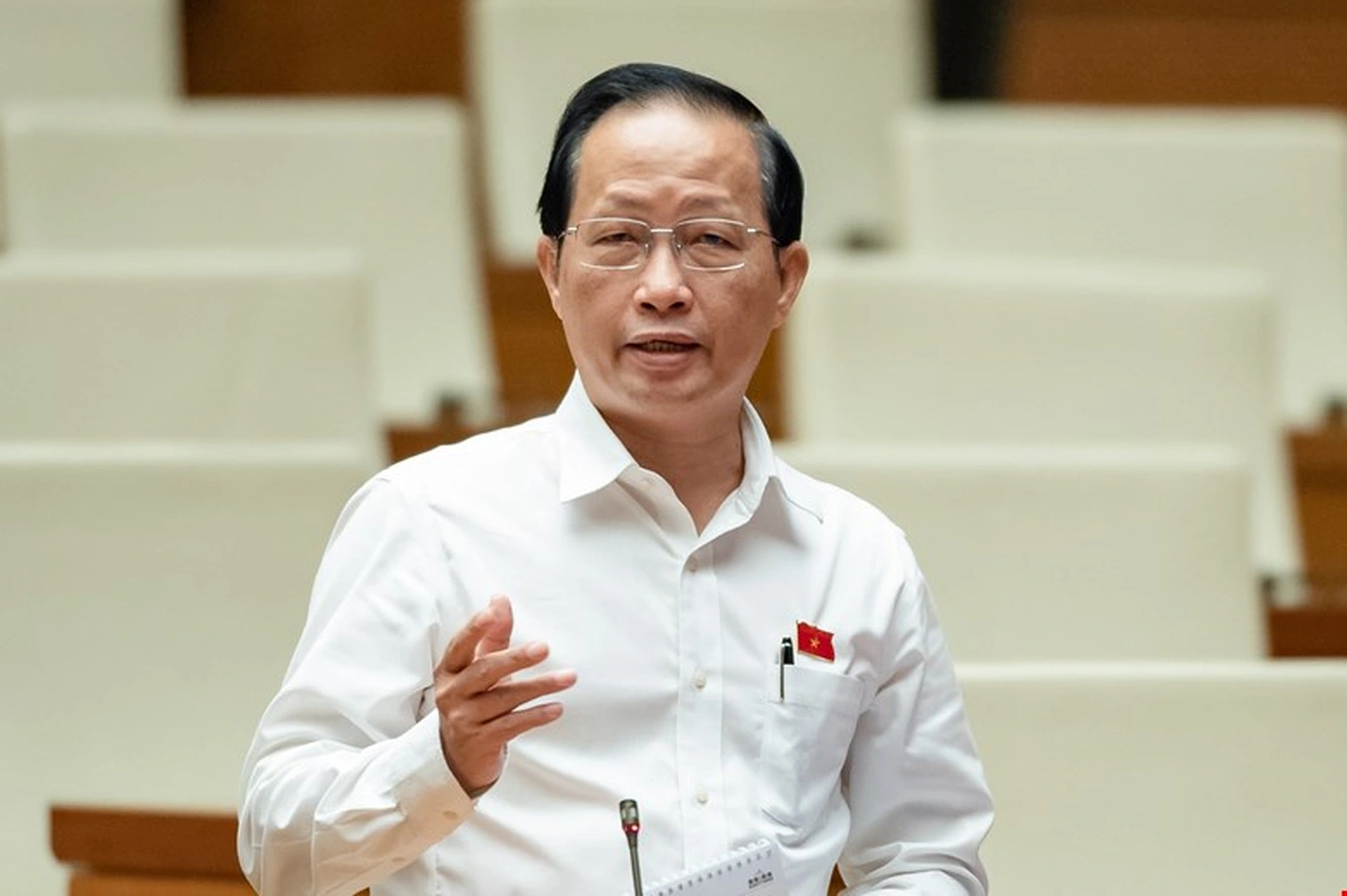
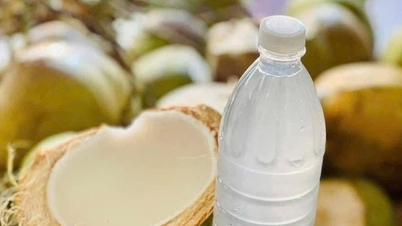
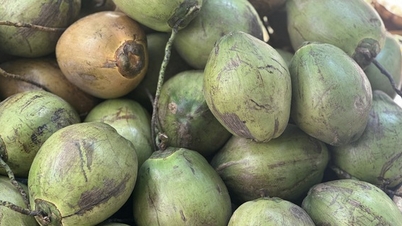
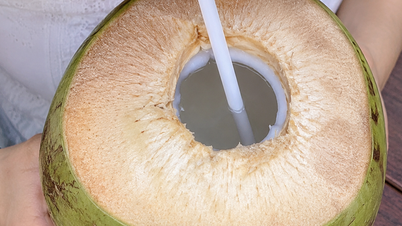
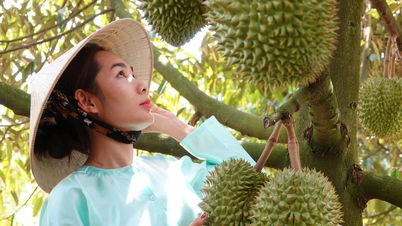
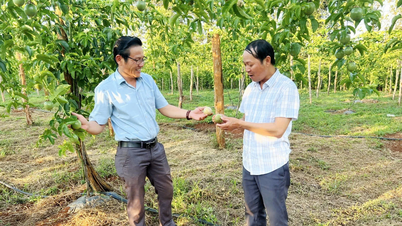
Mr. Son cited the example of Ben Tre province, where farmers and businesses involved in coconut production and processing are very worried about this unclear regulation.
The delegates stated that Ben Tre coconuts account for 70% of the country's coconut production, and although sweet and sugary, they are still considered a natural beverage. Therefore, regulations on sugar content need to be clear, with specific tax rates based on the sugar content in the product, instead of taxing the entire package.
“Ben Tre exports coconuts with an annual revenue of 500 million USD, including products such as canned coconut water and coconut milk… Does such taxation take into account the development of the industry? It needs to be clarified, because general taxation will negatively impact agricultural production,” Mr. Son said.
Representative Dang Bich Ngoc (Hoa Binh) expressed her agreement with imposing a tax on sugary drinks, as this product is one of the causes of overweight and obesity and negatively impacts health.
However, according to Ms. Ngoc, the draft has not thoroughly assessed the impact of the policy on manufacturing businesses, so the drafting agency needs to research and supplement the basis, clearly defining the sugar content to ensure ease of implementation in practice.
Speaking at the group meeting, delegate Thai Quynh Mai Dung (Vinh Phuc) suggested that this proposal needs to be reviewed comprehensively because there are currently many conflicting opinions from state management agencies, the business community, experts, and consumers.
Regarding health impacts, according to Ms. Dung, the drafting agency presented data in the impact assessment report on the rapid increase in the rate of overweight and obesity in children over the past 10 years. However, it is necessary to consider the context of the fact that the rates of malnutrition, stunting, and underweight in children, especially in mountainous areas of our country, are still very high.
Delegates argued that while increasing taxes on sugary drinks might not reduce consumption among urban children, even a small price increase would make it even more difficult for children in remote areas or ethnic minority regions to access these products, who already have limited opportunities to drink them.
Due to differing opinions on the health and economic effectiveness of the proposal to include sugary soft drinks in the list of goods subject to excise tax, the representative suggested that the drafting agency continue to research this issue and not include it in the draft law.
Dantri.com.vn
Source: https://dantri.com.vn/xa-hoi/nong-dan-dang-rat-lo-nuoc-dua-cung-bi-danh-thue-tieu-thu-dac-biet-20241122125430881.htm





















![[Photo] Reception to welcome General Secretary and President To Lam and his wife on their State visit to the Philippines](https://vphoto.vietnam.vn/thumb/1200x675/vietnam/resource/IMAGE/2026/06/01/1780295488620_vna-potal-chieu-dai-chao-mung-tong-bi-thu-chu-tich-nuoc-to-lam-va-phu-nhan-tham-cap-nha-nuoc-toi-philippines-8798060-7855-jpg.webp)




















































Comment (0)