

 |
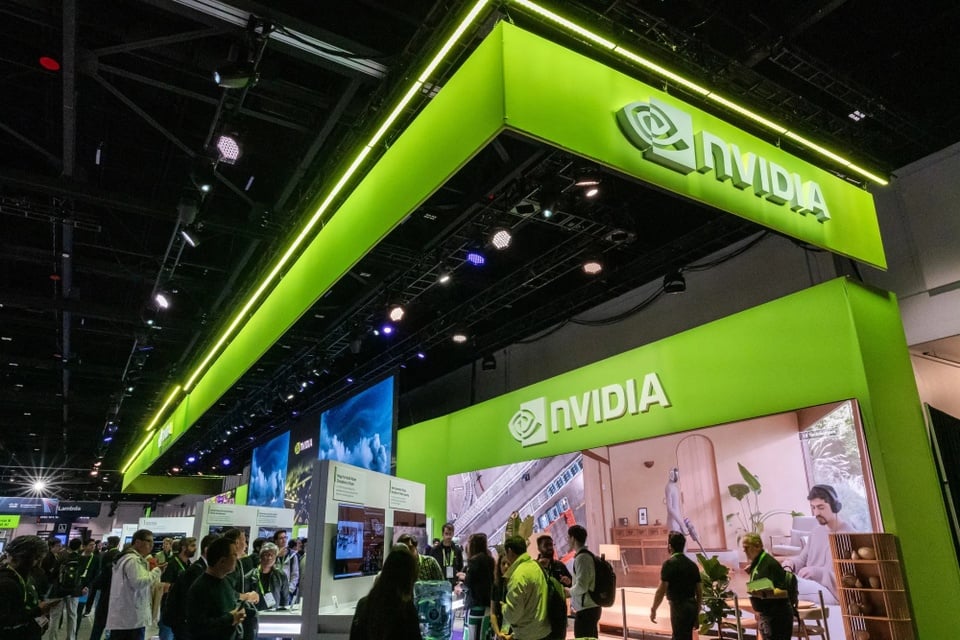
Nvidia is licensed to sell H20 chips in the Chinese market. Photo: Bloomberg . |
As trade tensions have not yet completely cooled, Nvidia is gradually finding its way back to the Chinese market, which once accounted for more than 13% of the company's global revenue.
After months of being blocked from selling AI chips due to Washington’s export controls, Nvidia said it has received a positive signal from the US government allowing it to resume trade, just days after CEO Jensen Huang met with President Donald Trump in person, a meeting that was pivotal in untangling the policy stalemate.
The US government gives the green light
Nvidia said it had received assurances from the Trump administration that it would be allowed to continue selling its H20 AI chips in China, after CEO Jensen Huang visited the White House last week. This is a significant milestone, coming just months after the US Commerce Department imposed chip export restrictions in April, a decision that cost the semiconductor maker billions of dollars in potential revenue.
Specifically, Nvidia appears to be completing the process of applying for an export license from the US Department of Commerce and will begin shipping as soon as approved.
“The US government has assured Nvidia that a license will be issued and we expect to begin deliveries soon,” Nvidia said in a statement.
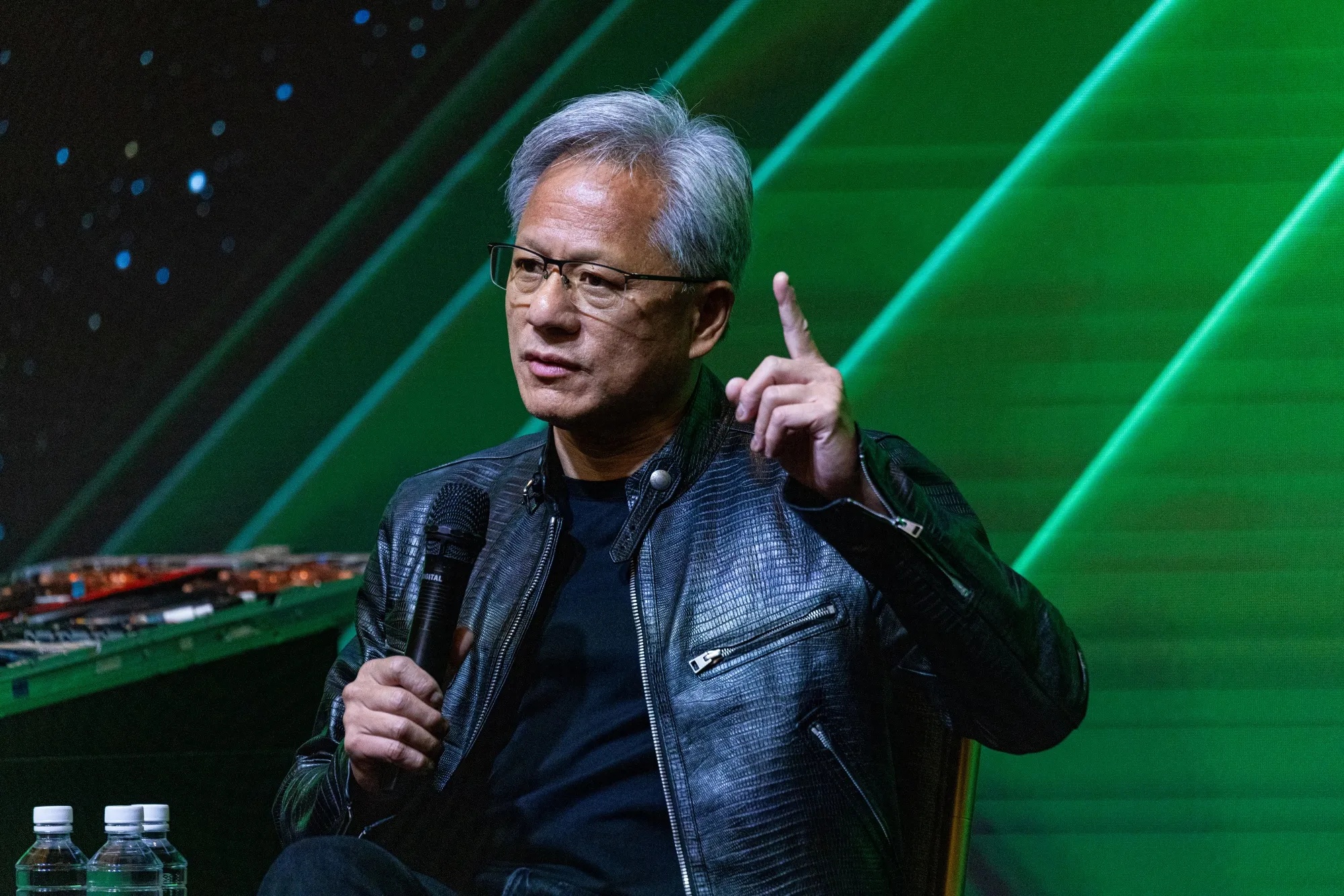 |
Jensen Huang visited China for the second time this year. Photo: Bloomberg . |
In addition to the H20, the manufacturer said it has developed a new AI chip with lower performance, called RTX Pro. This product is designed specifically for China to fully comply with current export control standards. The first commercial version will likely be based on the RTX Pro 6000D architecture and will cost significantly less than the H20.
Huang also met with US Commerce Secretary Howard Lutnick to argue that Nvidia should have the right to sell its AI chips globally, sources said. During the meeting with Trump, Huang stressed that US companies need to maintain a leading role in the global AI market, including in China, to prevent the rise of Chinese tech companies.
Important market
CEO Jensen Huang’s second visit to Beijing this year is drawing a lot of attention from both Chinese media and US officials. He is expected to meet with several senior Chinese officials at a supply chain fair this week. Speaking to CCTV on July 16, Huang said the Chinese market is huge, dynamic and highly innovative, and home to many AI researchers. Therefore, it is really important for US companies to establish a foundation in this market.
China contributed about $17 billion in revenue to Nvidia in the fiscal year ended January 26, accounting for 13% of total global sales. Although the company faces increased competition from domestic rivals such as Huawei, the East Asian country remains dependent on Nvidia thanks to its CUDA computing ecosystem.
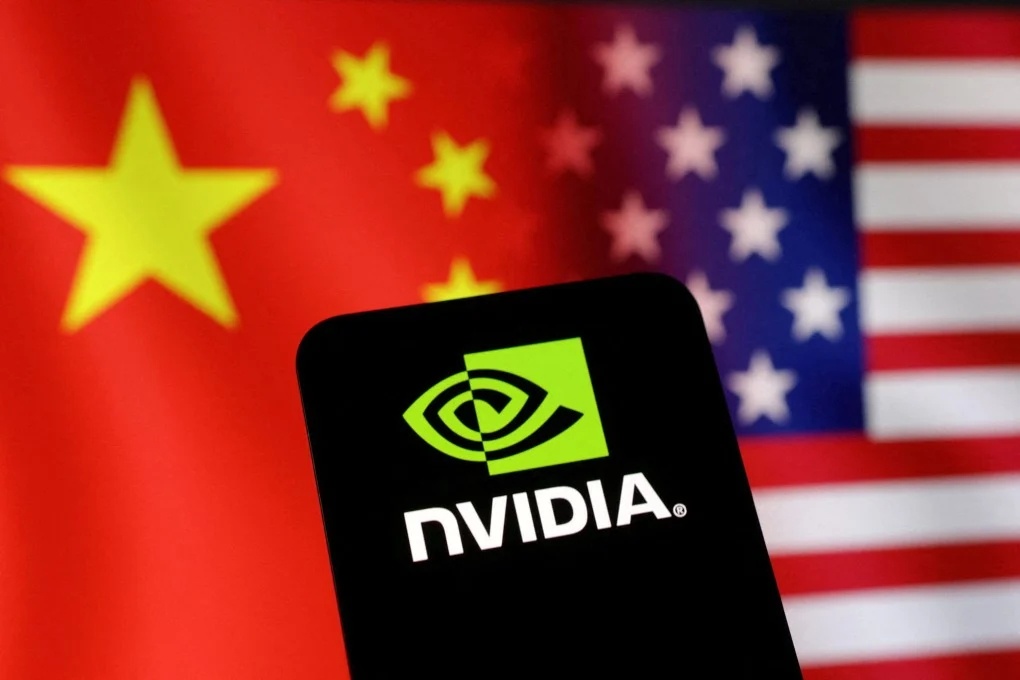 |
China is an important market for Nvidia. Photo: Reuters . |
Observers say the US government’s approval of the H20 chip export license could be seen as a gesture of goodwill amid ongoing trade negotiations with China, where access to advanced AI chip technology is a top priority for China.
However, according to insiders, the license Nvidia received will be one of the few exceptions, as the Trump administration still maintains a policy of tightly controlling strategic technology exports on national security grounds.
“The uncertainty between the US and China remains high. Although the H20 chip ban has been suspended, Chinese companies must continue to diversify their supply chains to protect their long-term viability,” said He Hui, head of semiconductor research at Omdia.
Jensen Huang appears to be more proactive than ever in convincing US politicians of Nvidia’s central role in the global digital economy. As AI becomes increasingly central to industries, the manufacturer’s ability to defend its market share in China could be seen as a matter of survival.
Source: https://znews.vn/nvidia-sap-quay-lai-thi-truong-trung-quoc-post1568775.html


![[Photo] General Secretary To Lam receives the Director of the Academy of Public Administration and National Economy under the President of the Russian Federation](/_next/image?url=https%3A%2F%2Fvphoto.vietnam.vn%2Fthumb%2F1200x675%2Fvietnam%2Fresource%2FIMAGE%2F2025%2F12%2F08%2F1765200203892_a1-bnd-0933-4198-jpg.webp&w=3840&q=75)







































































Comment (0)